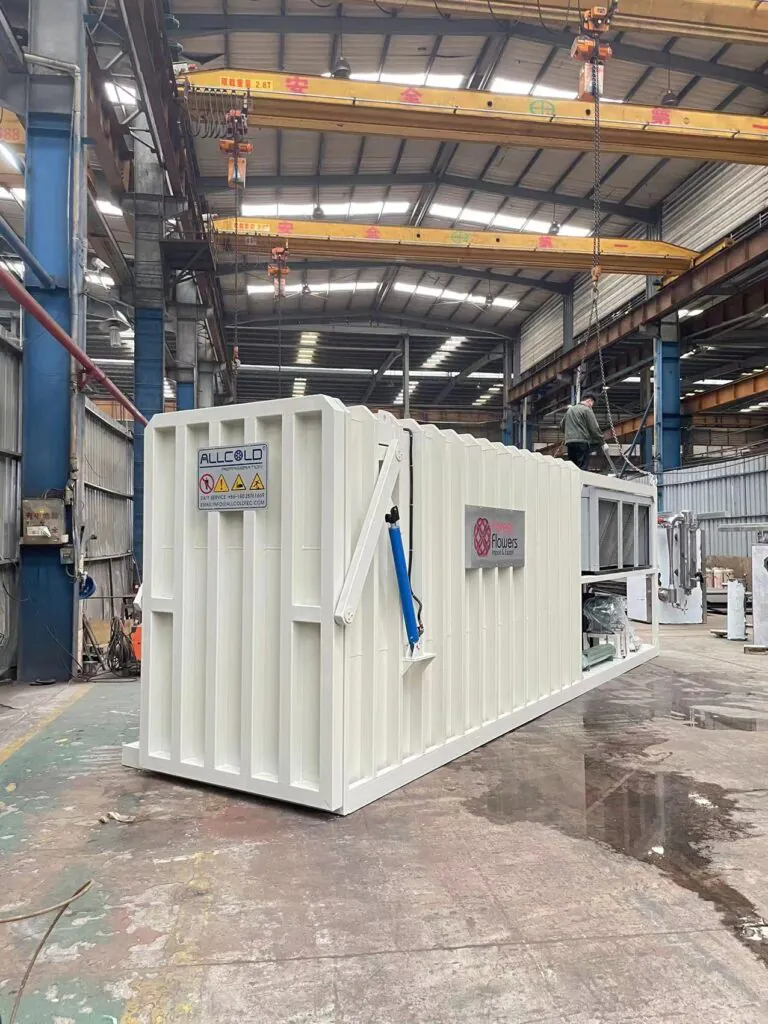
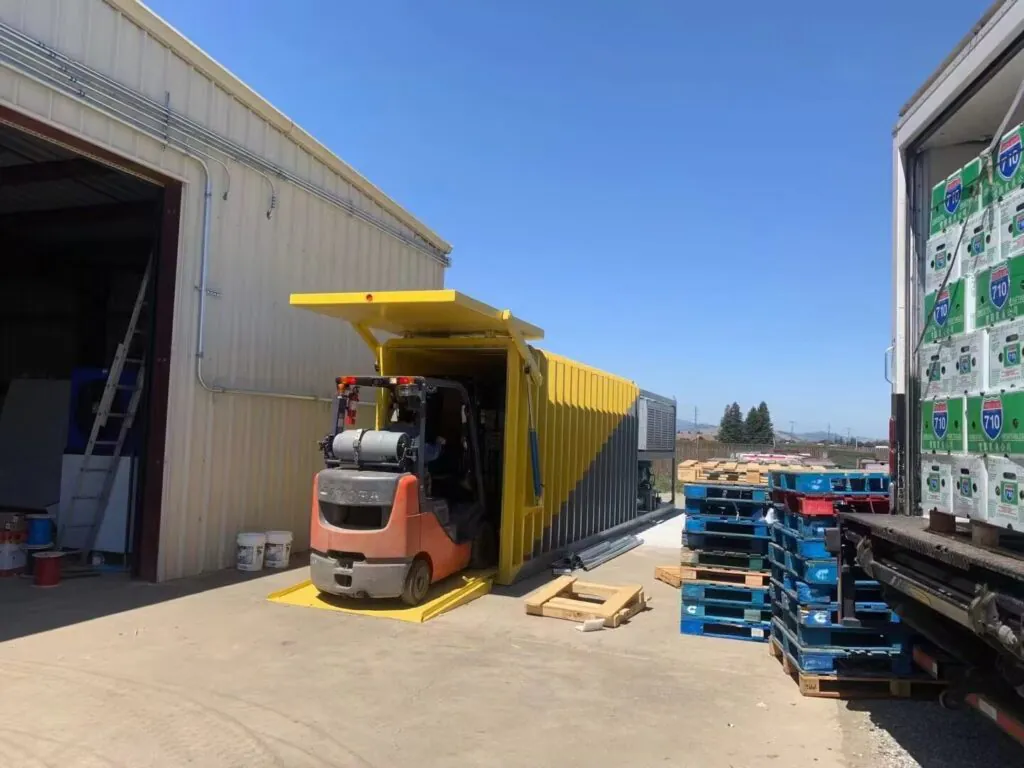
Vacuum Coolers for Leafy Greens and Fresh Produce
Allcold vacuum cooling systems are designed for fresh produce applications that require fast post-harvest temperature reduction. For many fresh vegetable applications, the typical cooling cycle is around 30 minutes, helping reduce field heat quickly and support better freshness during storage, packing, and cold chain transport.
Fast Post-Harvest Cooling
For many fresh vegetable applications, the typical cooling cycle is around 20–30 minutes, helping remove field heat quickly and support faster cold chain handling.
Custom by Product and Capacity
System configuration can be discussed based on product type, pallet size, batch volume, and project layout for different fresh produce workflows.
Suitable for Different Produce Applications
Common applications include lettuce, leafy greens, herbs, mushrooms, flowers, and other products that benefit from faster post-harvest cooling.
Typical Specifications and Produce Cooling Advantages
Our fresh produce vacuum cooling systems are designed for rapid post-harvest temperature reduction. For many fresh vegetable applications, the typical cooling cycle is around 20–30 minutes, with configuration adjusted according to product type, batch volume, and loading format.
Typical Model Range
| Model Range | Typical Capacity | Typical Cooling Cycle | Application |
|---|---|---|---|
| Small Systems | 300-1000 kg/batch | 20-30 min | Smaller fresh produce projects |
| Medium Systems | 1000-3000 kg/batch | 20-30 min | Packing house and mid-scale operations |
| Large Systems | 3000-5000+ kg/batch | 20-30 min | Larger post-harvest cooling projects |
Common discussion points:
• Capacity per batch
• Pallet size or carton loading format
• Initial and target temperature
• Available installation space
Fresh Produce Cooling Advantages
-
Typical Vegetable Cooling in 20–30 Minutes
For many fresh vegetable applications, vacuum cooling typically reduces temperature within around 20–30 minutes, helping remove field heat much faster after harvest.
-
Energy Saving Performance
Compared with slower conventional cooling methods, vacuum cooling can help reduce energy use and improve cooling efficiency in post-harvest operations.
-
Smaller Cooling Footprint
Vacuum cooling can help reduce the floor space needed for fresh produce cooling compared with larger conventional cooling areas.
-
Configuration by Product Type
Different products such as leafy vegetables, broccoli, cauliflower, herbs, mushrooms, and flowers may require different chamber sizes and handling formats.
-
Door and Loading Options
Door structure and loading format can be discussed according to project needs, site layout, and fresh produce handling workflow.
Common Fresh Produce Applications
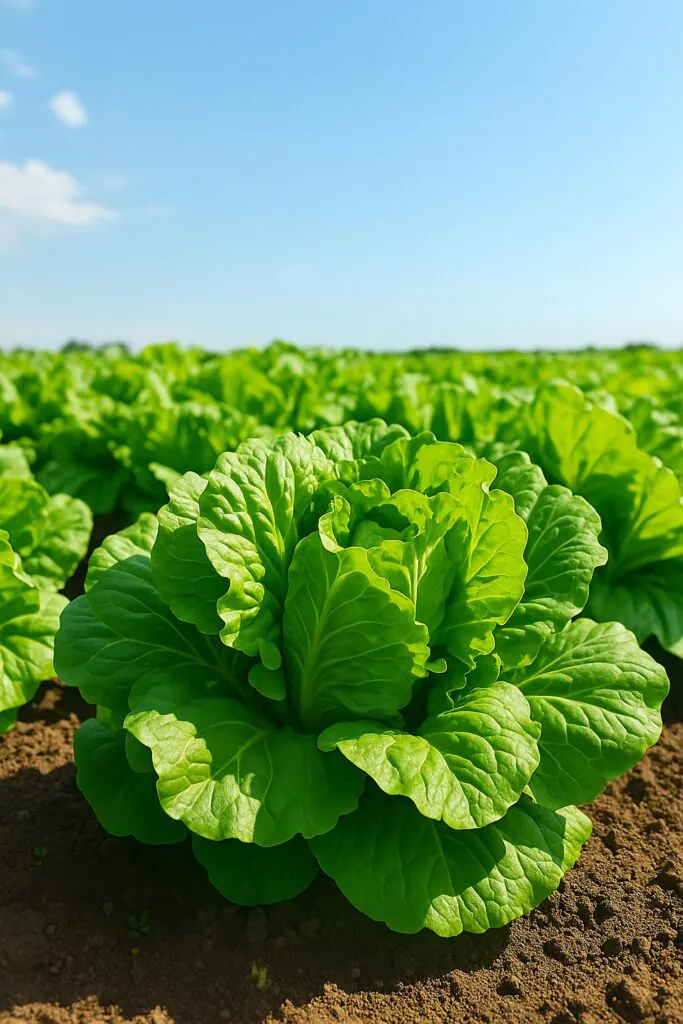
Leafy Greens
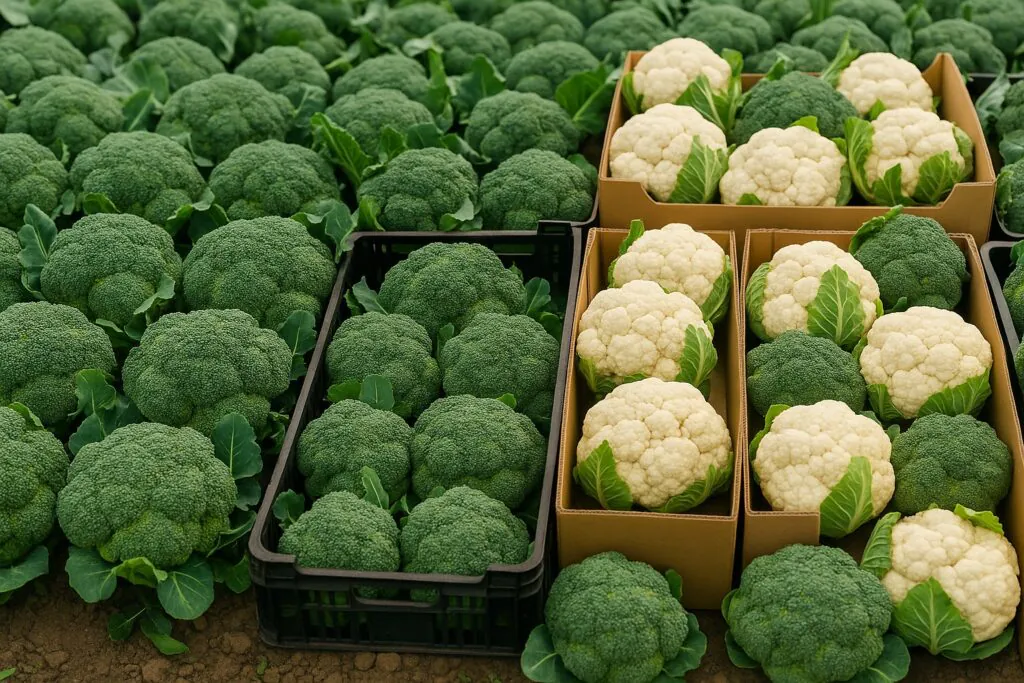
Lettuce
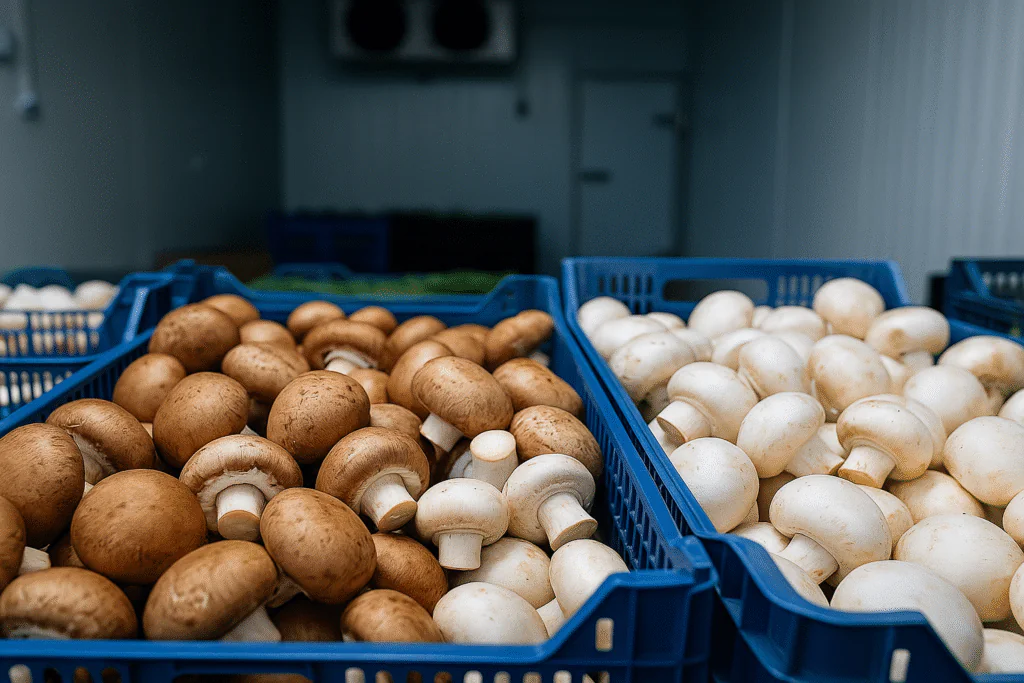
Mushrooms
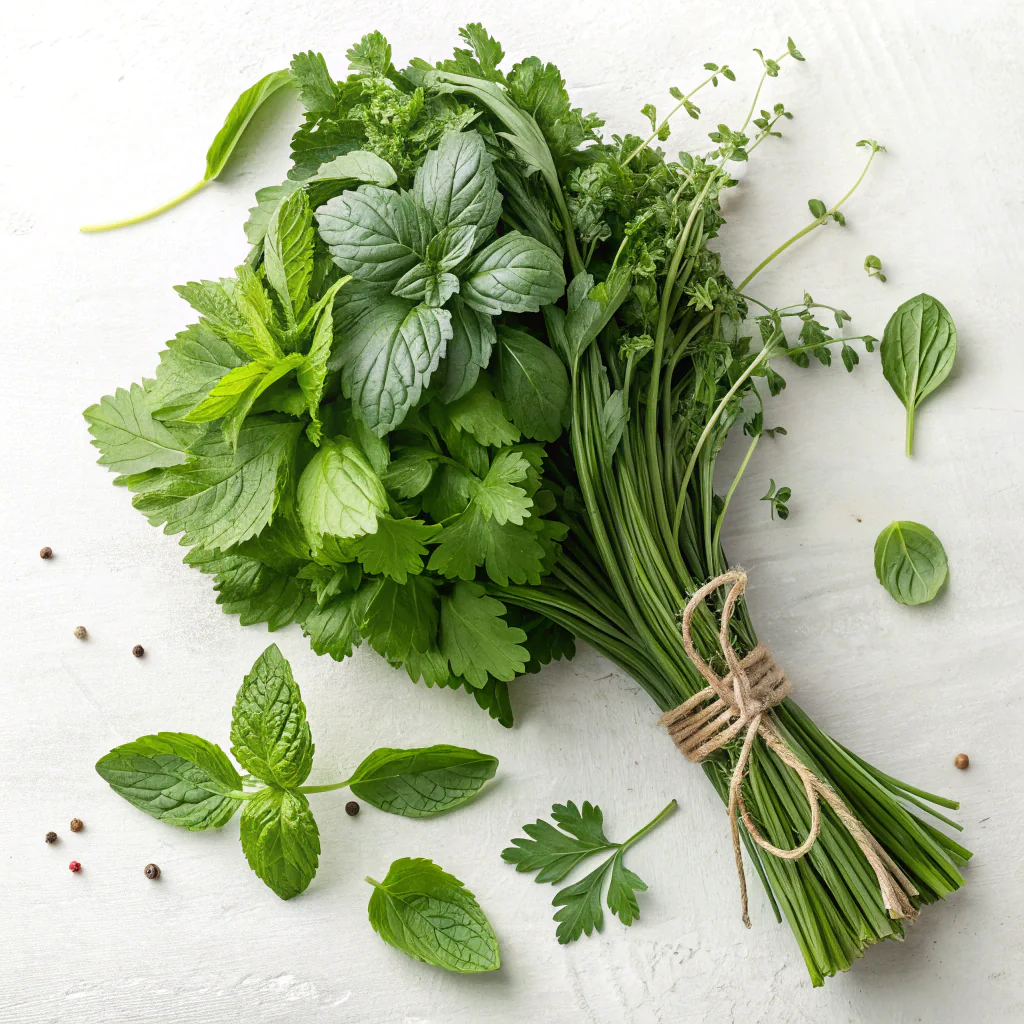
Herbs

Flowers
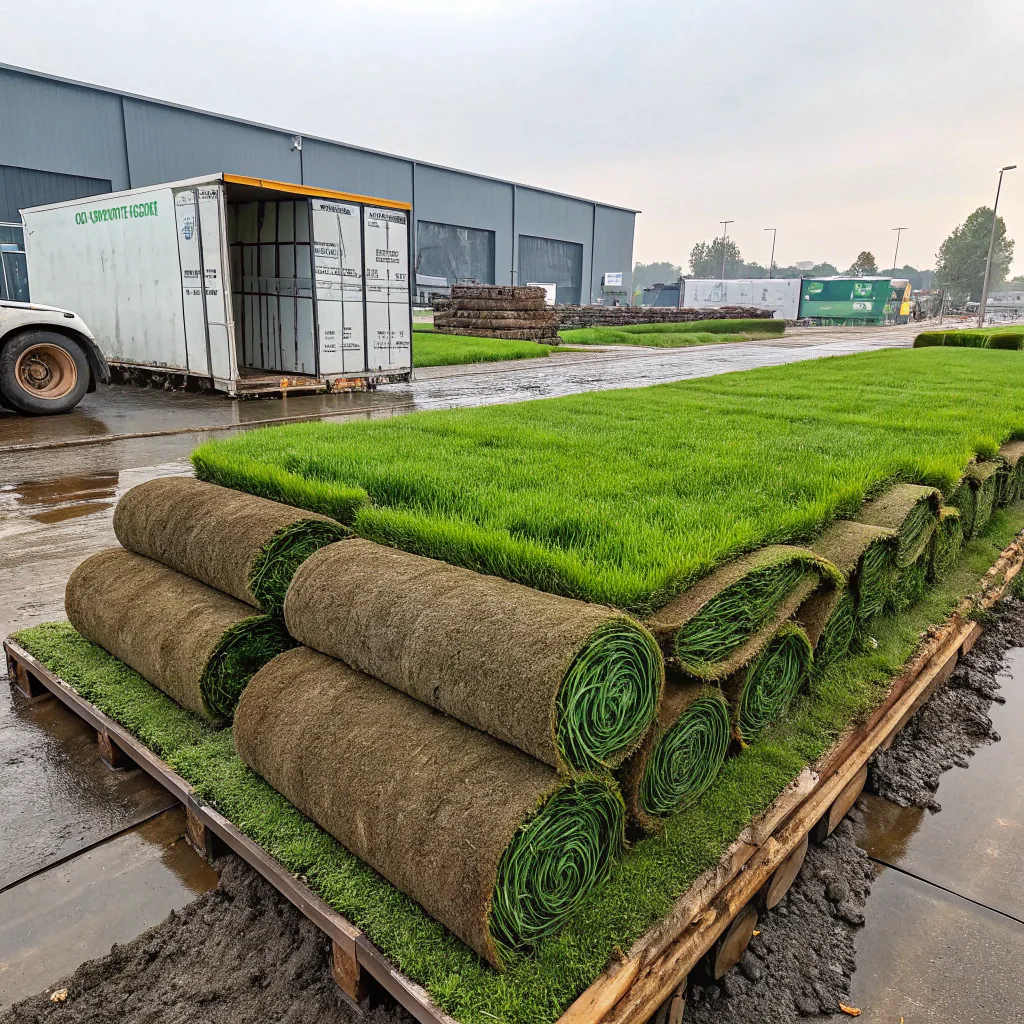
Turf
Not Sure Which Vacuum Cooler Fits Your Project?
Tell us your produce type, batch size, pallet format, and project conditions. We will help you evaluate a suitable fresh produce vacuum cooling solution.
How Vacuum Cooling Works for Fresh Produce
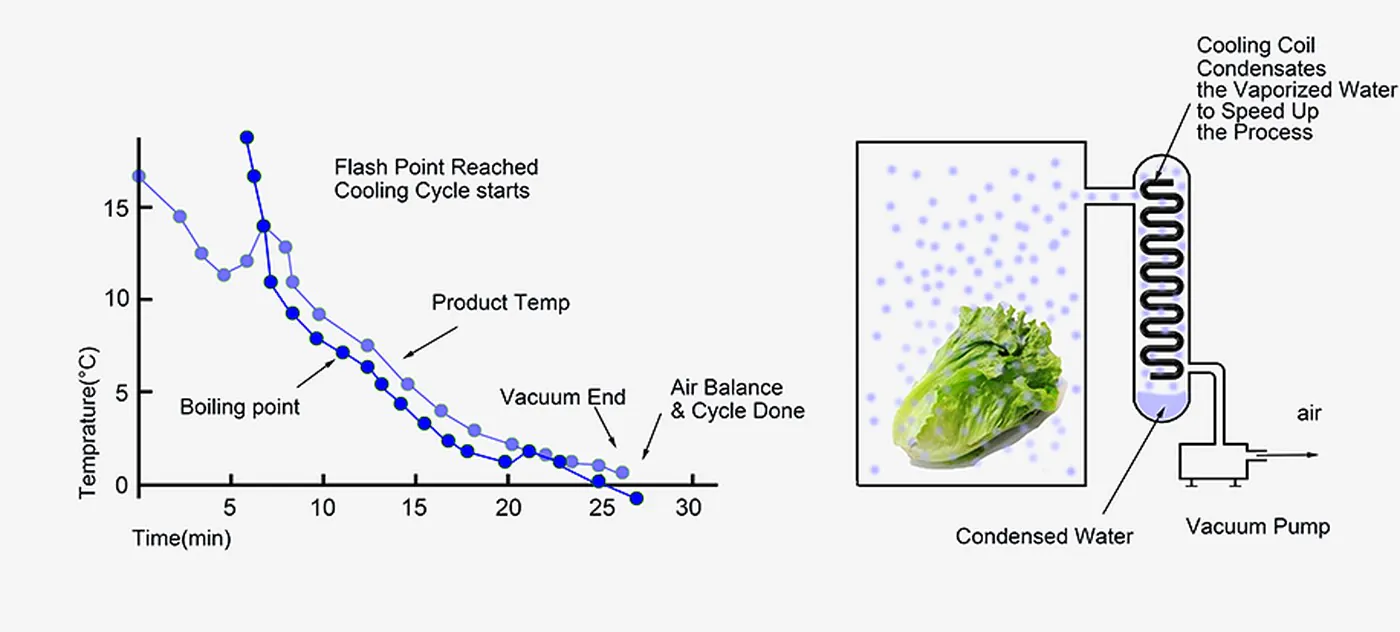
Vacuum cooling lowers pressure inside the chamber so that moisture evaporates and removes heat quickly from fresh produce. This helps reduce product temperature much faster after harvest.
A Simple Three-Step Cooling Process
For fresh produce, vacuum cooling works by combining pressure reduction, moisture evaporation, and rapid heat removal. This makes it especially suitable for products that need fast post-harvest cooling before storage or transport.
Pressure is reduced
The chamber pressure drops to create the vacuum environment needed for rapid cooling.
Moisture evaporates
A small amount of moisture evaporates from the produce surface and carries heat away from the product.
Temperature drops quickly
For many fresh vegetable applications, the typical cooling cycle is around 20–30 minutes, depending on product type, batch size, and initial temperature.
Typical cooling cycle for fresh vegetables: around 20–30 minutes
This makes vacuum cooling suitable for post-harvest handling where fast temperature reduction is important for storage, packing, and cold chain preparation.
Model Range and Configuration Options
Allcold provides fresh produce vacuum cooling solutions for different project sizes. The suitable model depends on your product type, batch volume, pallet format, cooling target, and plant layout.
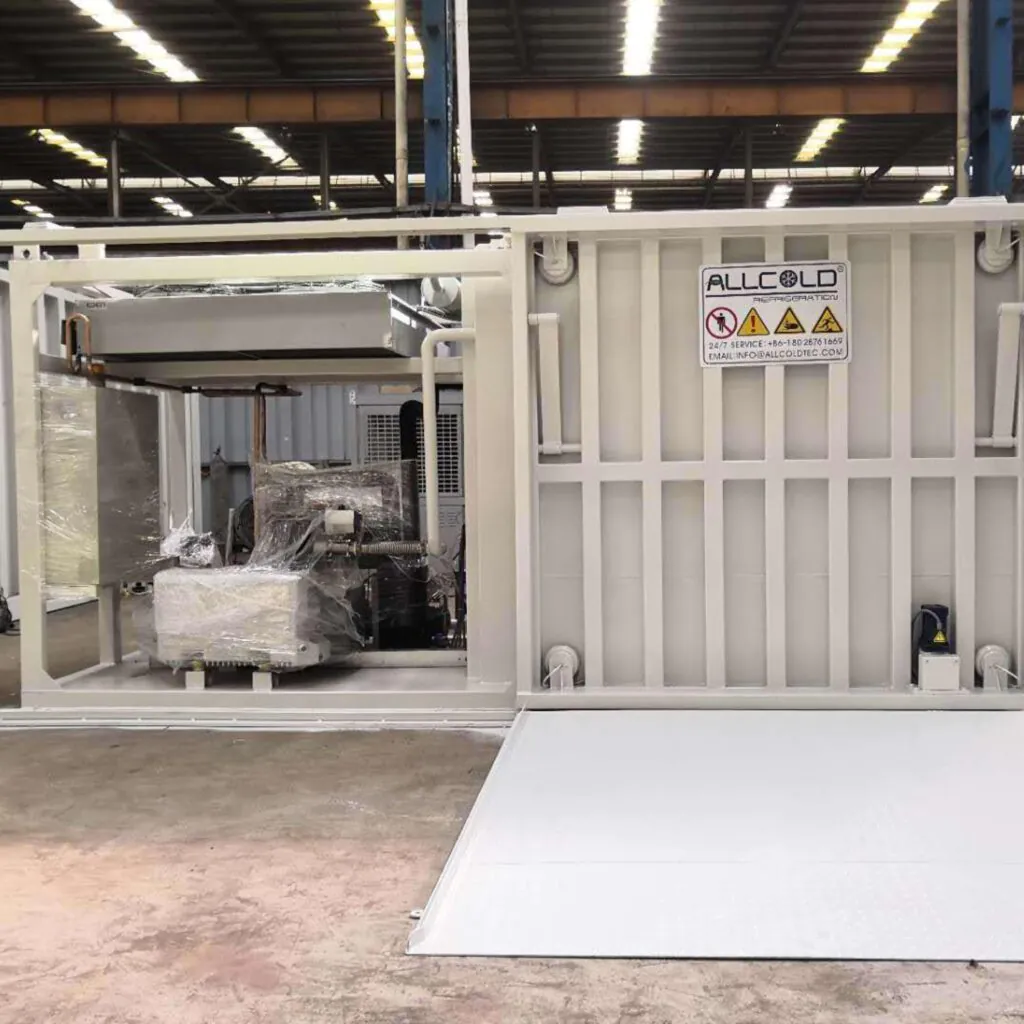
Small Project Range
- ✓ Typical capacity for smaller batch-based applications
- ✓ Suitable for lower-volume fresh produce operations
- ✓ Can be discussed by kg per batch and loading format
Usually considered for smaller farms, local packing operations, and customers with moderate post-harvest cooling needs.
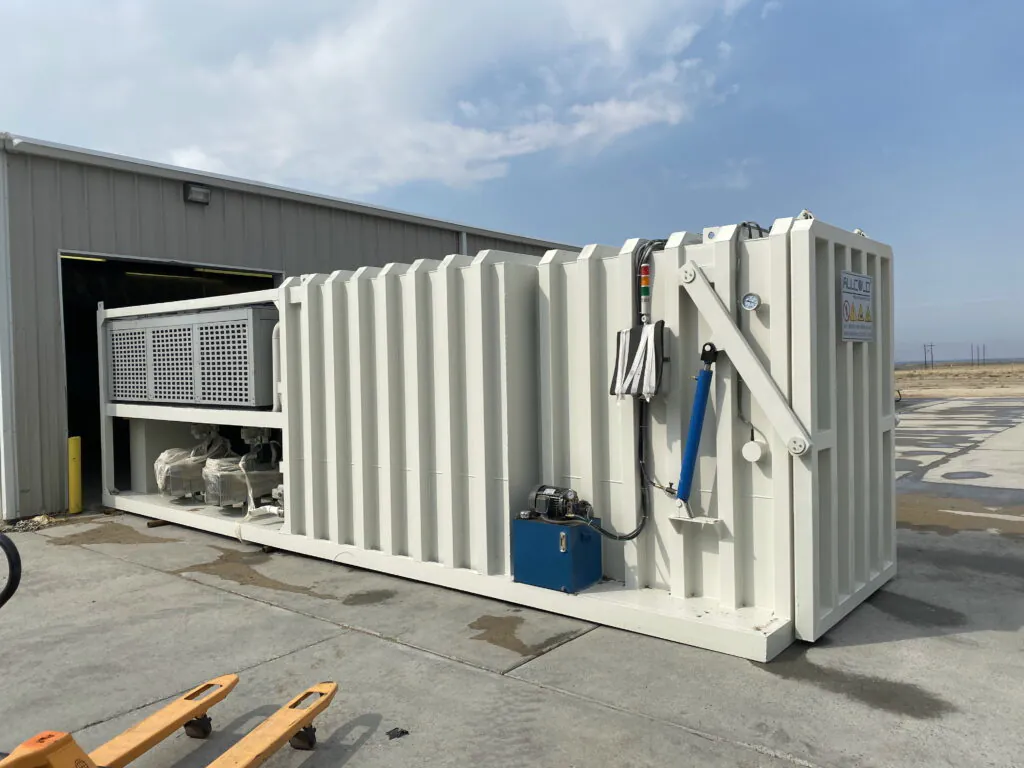
Medium Project Range
- ✓ Suitable for medium-volume post-harvest cooling
- ✓ Often used in packing houses and produce handling centers
- ✓ Can be configured by batch volume, pallet size, and workflow
Often discussed for customers who need more stable throughput and better integration into fresh produce processing and distribution flow.
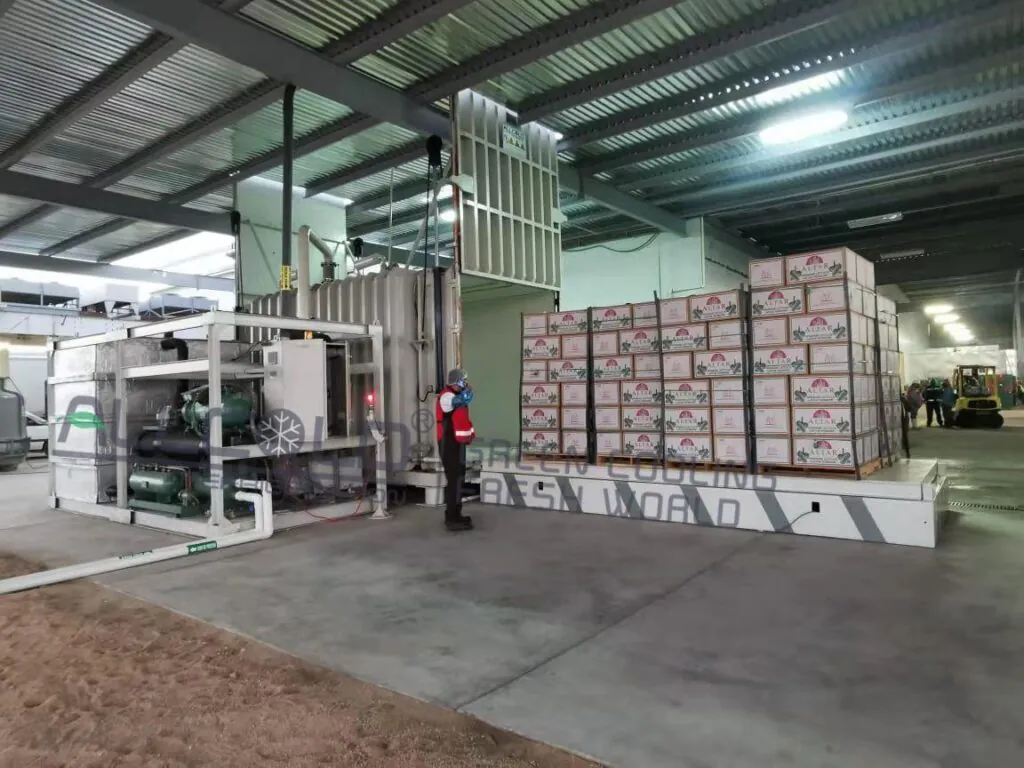
Large Project Range
- ✓ Designed for larger-volume fresh produce handling
- ✓ Often used in export-oriented and pallet-based cooling projects
- ✓ Capacity planning may involve kg per batch, pallet quantity, or throughput target
Suitable for large fresh produce operations that require higher batch capacity and faster handling before storage or shipment.
Configuration Notes for Fresh Produce Projects
Cooling Logic
Vacuum cooling for fresh produce is selected based on how quickly field heat must be removed and how the product will move into storage or transport.
Loading Format
Pallet layout, crate arrangement, carton format, and product stacking method all affect chamber size and system recommendation.
Project Conditions
Available floor space, processing rhythm, and utility conditions should also be reviewed before finalizing the machine configuration.
Common Customization Options
-
Chamber Size
Adjusted according to batch volume, pallet format, and plant layout.
-
Control System
Configuration can be discussed based on operation preference and project requirement.
-
Loading Method
Adjusted for pallets, crates, cartons, or other fresh produce handling formats.
-
Project-Based Configuration
Final recommendation depends on product type, target throughput, and installation conditions.
Need Help Selecting the Right Model?
Share your fresh produce type, daily throughput, pallet size, and project layout. We will help you evaluate a suitable vacuum cooling solution for your operation.
Frequently Asked Questions About Fresh Produce Vacuum Cooling
Below are some common questions from farms, packing houses, and fresh produce processors when choosing a vacuum cooling system.
Still have questions about fresh produce vacuum cooling? Tell us your application and project requirements, and we will help you evaluate a suitable solution.
Talk to Our TeamProject Examples for Fresh Produce Cooling
These project examples show how Allcold fresh produce vacuum cooling systems are used in different post-harvest environments, from farms and packing houses to larger distribution and export operations.
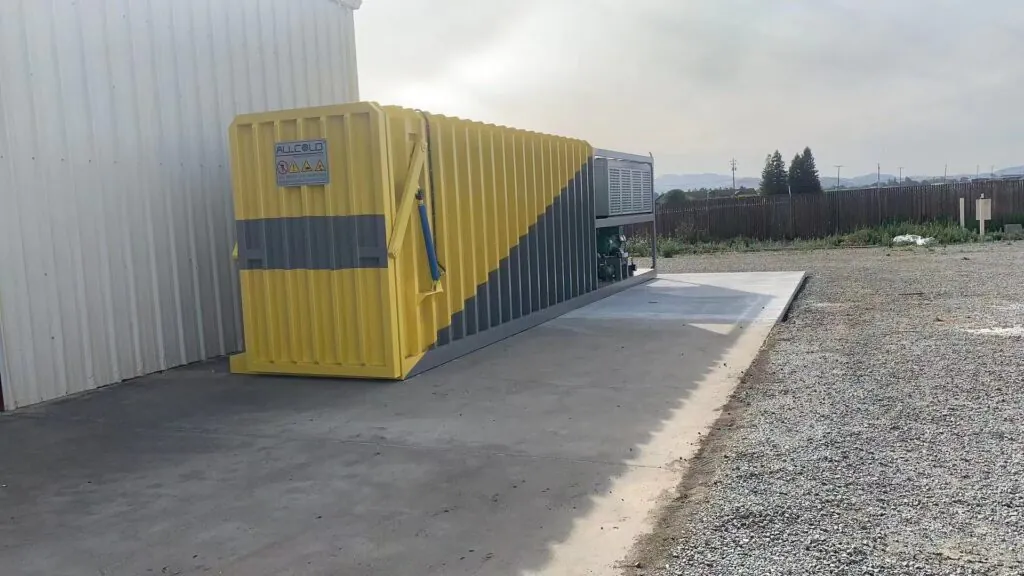
Lettuce Cooling Project
This project was designed for post-harvest lettuce handling, helping the customer cool produce more quickly after harvest and improve workflow before storage and transport.
Application: Lettuce and leafy greens
Focus: Faster post-harvest cooling
Suitable for: Farms and packing operations
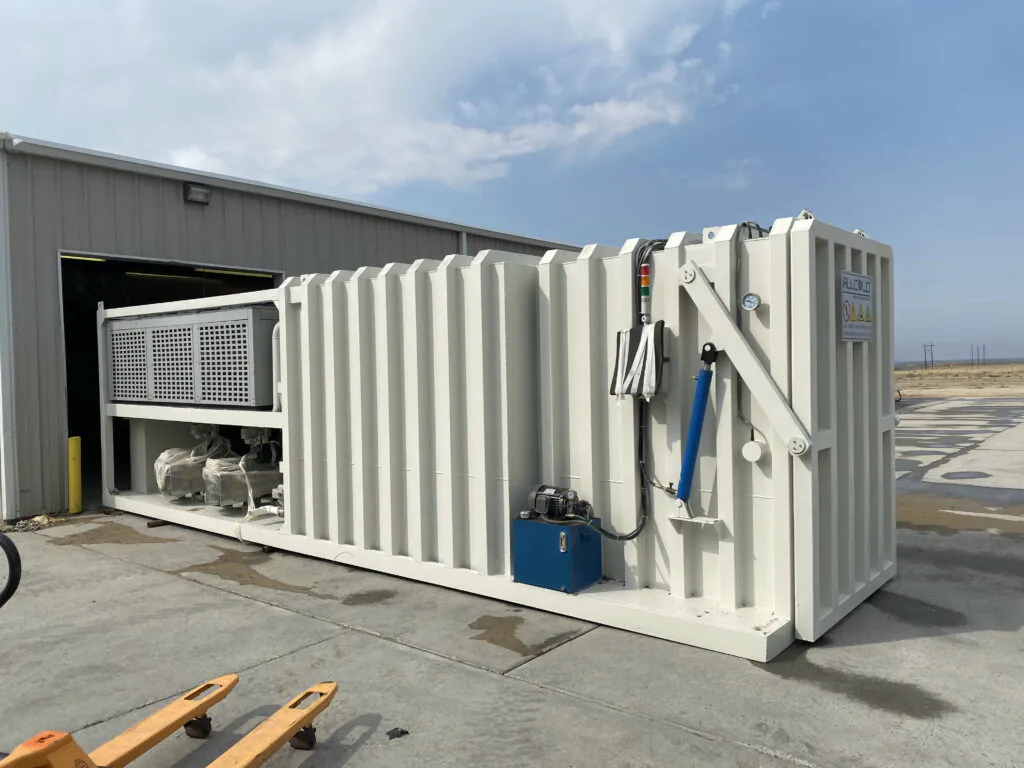
Broccoli Export Cooling Project
This installation supported broccoli post-harvest cooling for export handling, helping the customer prepare product more efficiently for cold chain transport.
Application: Broccoli and similar produce
Focus: Export preparation and quality handling
Suitable for: Export facilities and produce processors
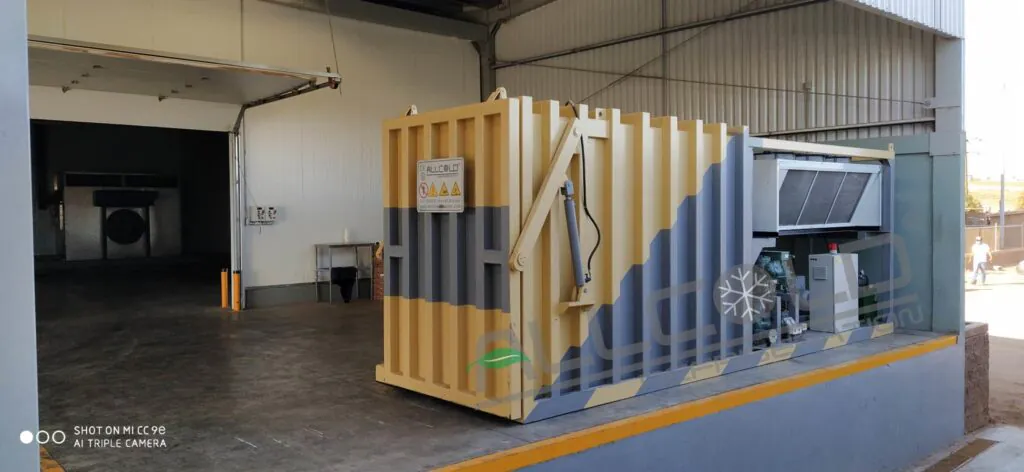
Herb Cooling Project
A compact fresh produce vacuum cooling solution used for herbs and similar delicate products that require stable handling after harvest.
Application: Basil, mint, and herbs
Focus: Better freshness before shipment
Suitable for: Small growers and cooperatives
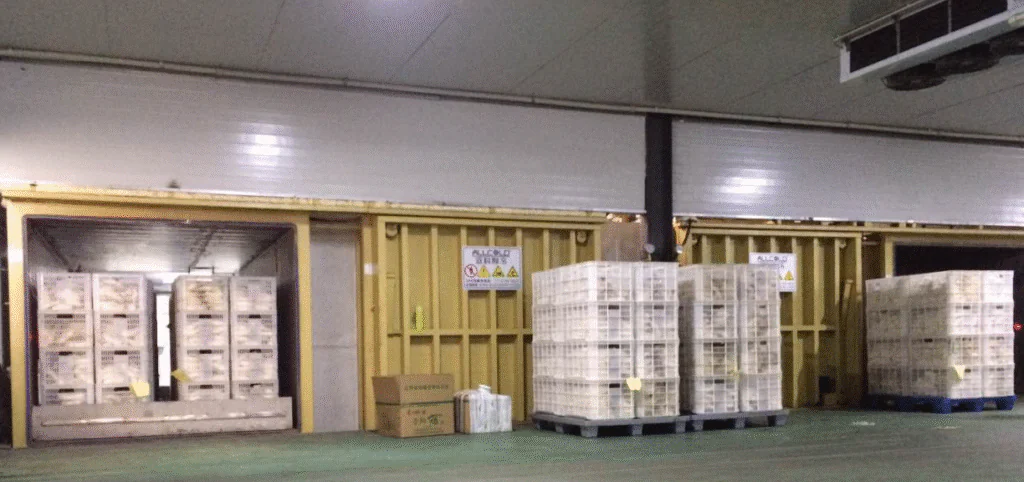
Mushroom Cooling Project
This project focused on mushroom cooling, where more controlled temperature reduction supported product handling and export preparation.
Application: Mushrooms
Focus: Stable post-harvest handling
Suitable for: Mushroom farms and exporters
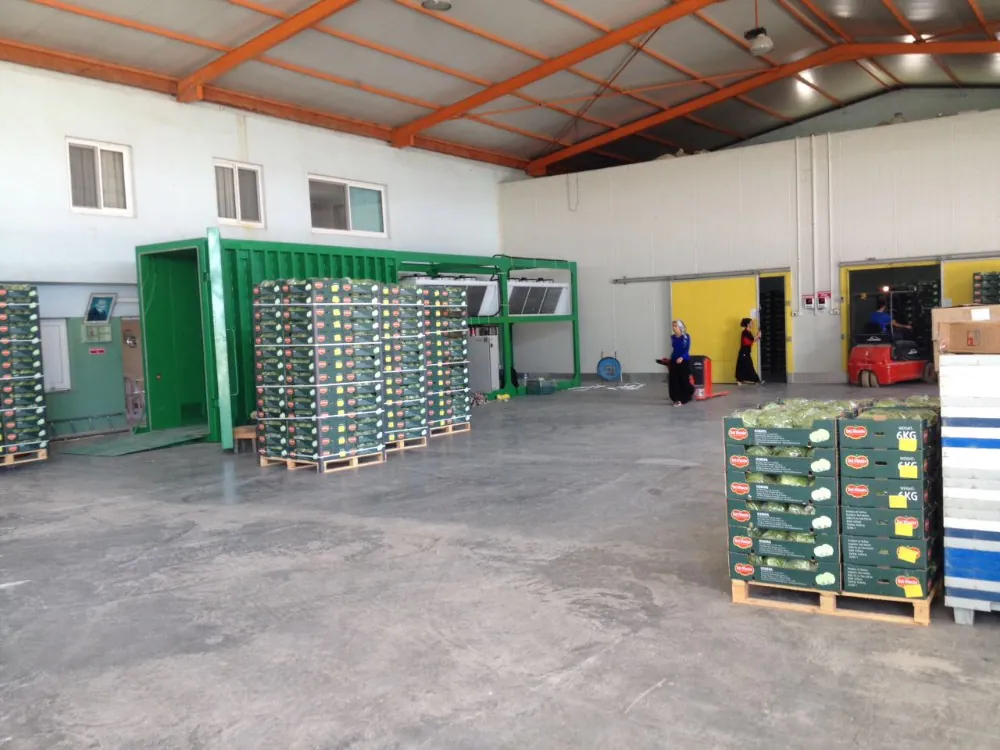
Leafy Vegetable Cooling Project
A vacuum cooling system configured for leafy vegetables and similar products that require faster handling before storage and distribution.
Application: Leafy vegetables
Focus: Faster cooling before cold chain
Suitable for: Medium-size produce operations
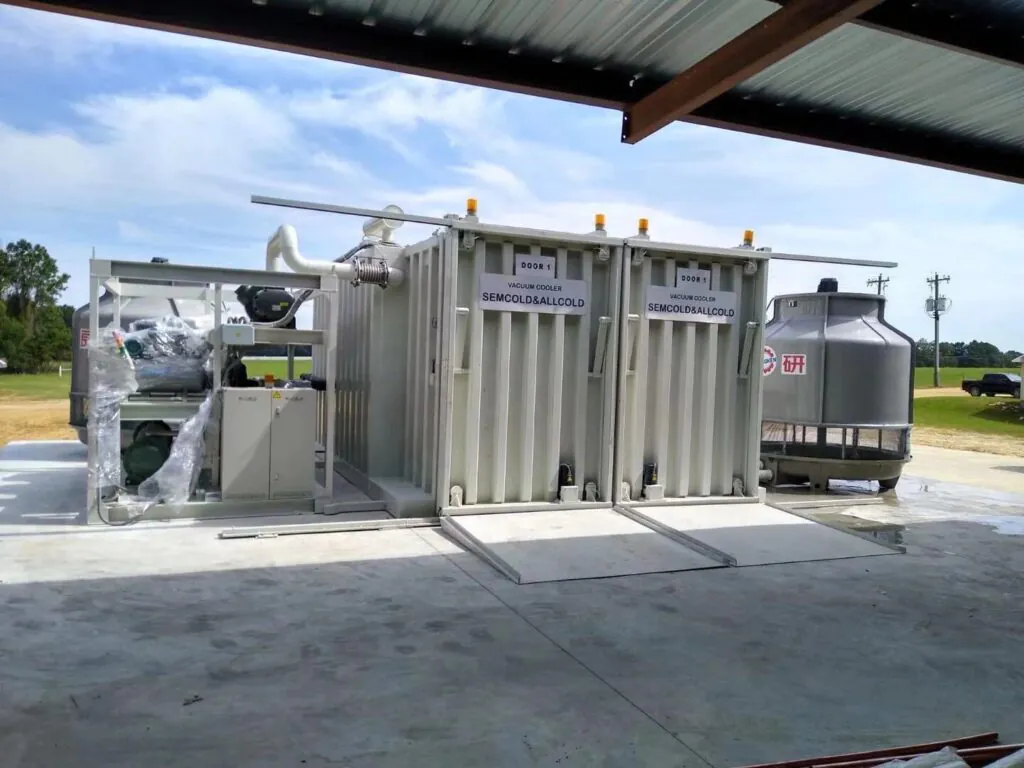
Mixed Produce Cooling Project
This project supported mixed produce handling in a farm environment where more consistent post-harvest cooling was needed across different crops.
Application: Mixed fresh produce
Focus: Flexible handling workflow
Suitable for: Diverse harvest operations
Need a Fresh Produce Vacuum Cooling Solution for Your Project?
We can help you evaluate a suitable system based on your produce type, batch volume, loading format, and facility layout. Different fresh produce applications often require different cooling configurations.
-
Product type and post-harvest requirement
-
Batch volume and throughput target
-
Pallet size, crate format, or loading method
-
Available space and facility layout