
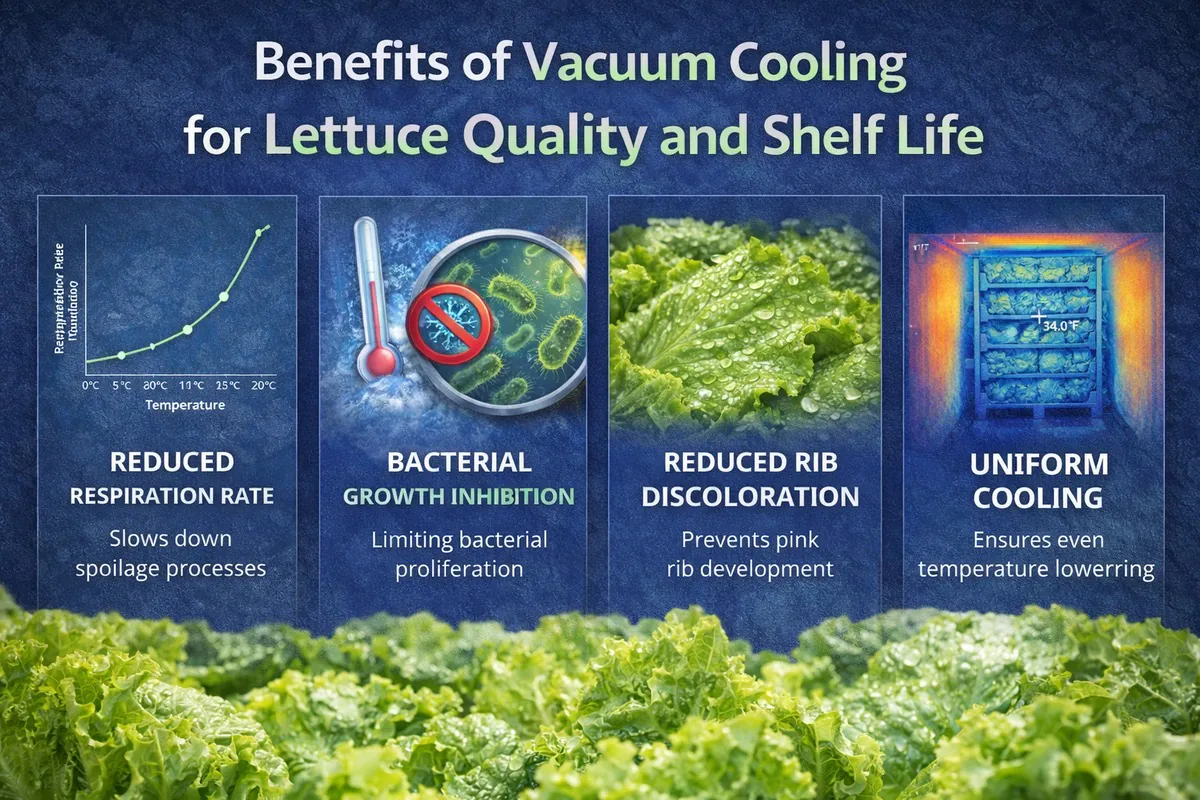
Benefits of Vacuum Cooling for Lettuce Quality and Shelf Life?
Lettuce is 95% water, wrapped in cdsfvxgba fragile green skin. Once harvested, it is fighting a losing battle against heat and evaporation. For growers, the difference between a premium export and a compost heap is measured in minutes, not days.
Vacuum cooling is the only post-harvest technology that cools lettuce from the inside out, dropping core temperatures from 30°C to 2°C in under 30 minutes. This rapid cooling halts respiration, prevents bacterial growth, and extends shelf life by up to 21 days, ensuring your produce arrives fresh at supermarkets halfway across the world.
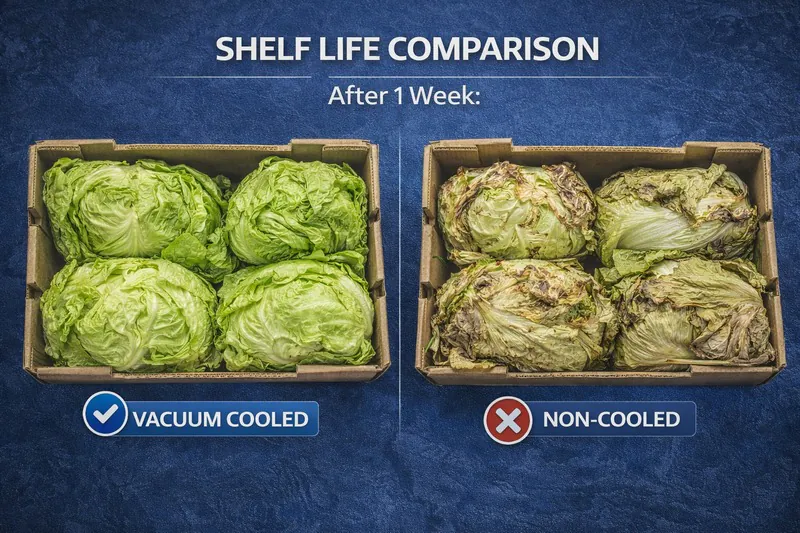
At Allcold, I speak with farmers every day who are tired of losing money to spoilage. They tell me stories of pallets rejected by supermarkets because the centers were warm, or "Pink Rib" ruining their Romaine hearts. The problem isn’t their farming; it’s their cooling. Traditional methods like forced air or hydrocooling are often too slow or too wet for delicate leafy greens. In this article, I will explain exactly how our AVC vacuum cooling technology transforms the quality of your lettuce, turning perishable crops into durable, high-value assets.
Why is Rapid Cooling Critical for "Stopping the Clock"?
Vegetables don’t die immediately when you cut them. They panic. They breathe faster, generating heat and consuming their own sugar reserves. How do we stop this self-destruction?
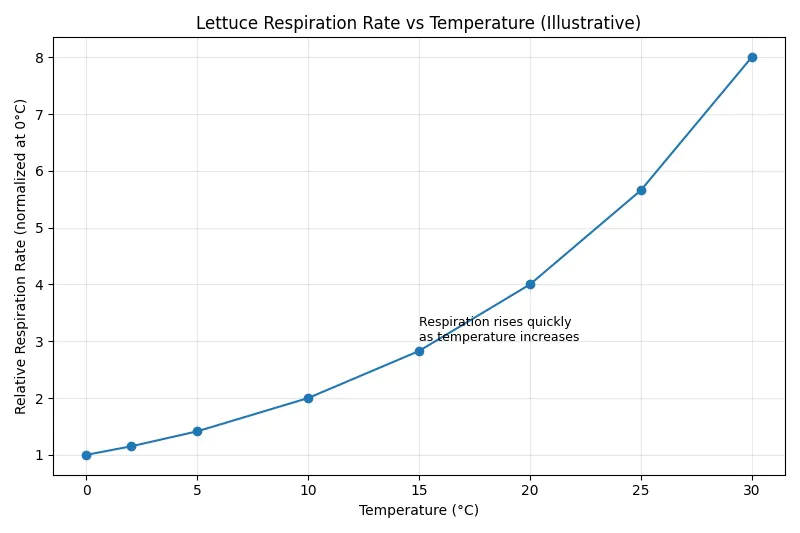
Speed is everything. Vacuum cooling reduces the respiration rate of lettuce by reducing its temperature instantly. By dropping the temperature to 2°C immediately after harvest, we slow down the plant’s metabolism by 80-90%, effectively putting the lettuce into a state of hibernation.
The Respiration Trap
When I visit farms in hot climates like Mexico or Southeast Asia, I see lettuce sitting in the field heat for hours. This is a disaster. At 25°C or 30°C, harvested lettuce is breathing (respiring) aggressively. It consumes its stored sugars and releases heat—this is called "Vital Heat."
If you put a pallet of hot lettuce into a standard cold room, the center of the pallet might take 18 to 24 hours to cool down. During that time, the lettuce in the middle is cooking itself. It loses crispness, sweetness, and weight.
The 30-Minute Solution
Vacuum cooling1 via our AVC machines solves this physics problem. By manipulating pressure, we force water to evaporate from within the plant tissues. This process absorbs the heat energy instantly.
Instead of waiting 24 hours, the core of every lettuce head on the pallet reaches 2°C in just 20 to 30 minutes.
This immediate drop in temperature acts like a "pause button" on biology. The breakdown of chlorophyll stops. The consumption of sugar stops. The production of ethylene (the aging hormone) stops. You aren’t just cooling the vegetable; you are locking in the quality exactly as it was at the moment of harvest.
Table: Cooling Speed vs. Shelf Life Impact
| Cooling Method | Time to reach 2°C | Shelf Life Expectancy | Risk of "Hot Core" |
|---|---|---|---|
| Allcold Vacuum Cooling | 20 – 30 Minutes | 14 – 21 Days | Zero |
| Forced Air Cooling | 8 – 12 Hours | 7 – 10 Days | High |
| Traditional Cold Room | 18 – 24 Hours | 3 – 5 Days | Very High |
How Does Vacuum Cooling Eliminate Bacterial Risks?
Moisture and heat are the best friends of bacteria like Salmonella and E. coli. Traditional cooling often leaves lettuce wet and warm. How do we break this cycle?
Vacuum cooling is a "dry" process that inhibits microbial growth. Unlike hydrocooling, which uses recirculated water that can spread contamination, vacuum cooling removes surface moisture while dropping the temperature, creating an environment where bacteria cannot survive or multiply.

The Problem with Wet Cooling
Many of my clients previously used hydrocooling (spraying ice water) for their greens. While it cools reasonably fast, it introduces a massive risk: cross-contamination2. If one head of lettuce has bacteria, the water spreads it to the entire batch. Furthermore, wet lettuce rots faster. Moisture trapped between the leaves promotes fungal diseases like Botrytis (Grey Mold) and Sclerotinia (White Mold).
The "Dry" Advantage of AVC
Vacuum cooling does the opposite. It actually removes a small percentage (about 2-3%) of the moisture from the lettuce to facilitate cooling. This leaves the surface of the leaves dry.
Bacteria need three things to thrive: food, warmth, and moisture.
- Warmth: We remove this in 20 minutes.
- Moisture: We dry the surface of the leaf.
By eliminating these two factors simultaneously, the AVC machine acts as a sterilization barrier. It doesn’t kill all bacteria like an oven would, but it makes it nearly impossible for them to grow. This is why major supermarket chains in the USA and Europe prefer vacuum-cooled produce—it is simply safer for the consumer.
Can Vacuum Cooling Fix the "Pink Rib" Problem?
Have you ever seen Romaine lettuce stems turn pink or brown after a few days? This is a physiological disorder caused by stress and oxidation. Can we prevent it?
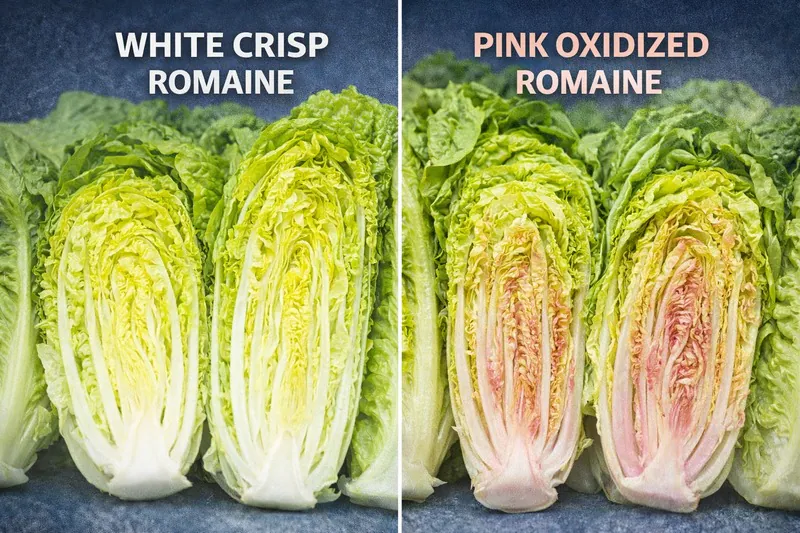
Yes, rapid cooling is the primary defense against Pink Rib. By reducing the core temperature instantly, vacuum cooling minimizes the enzymatic activity (Polyphenol Oxidase) responsible for browning and pinking, keeping the ribs white and crisp for the consumer.
Understanding Enzymatic Browning
"Pink Rib3" is a nightmare for Romaine growers. It usually happens when the lettuce is over-mature or stressed by heat. When the lettuce is harvested warm and stays warm, enzymes inside the rib react with oxygen. This oxidation turns the white ribs into an unappealing pink or brown color. Even if the lettuce is safe to eat, customers won’t buy it.
The Role of Oxygen and Temperature
While we cannot remove all oxygen (plants need to breathe), we can control the reaction rate. Chemical reactions, including enzymatic browning4, slow down significantly at lower temperatures.
My clients who use the Allcold AVC system report a massive reduction in Pink Rib claims. Because the lettuce spends almost zero time in the "danger zone" (above 5°C), the enzymes never get the energy boost they need to start the browning process.
Furthermore, the vacuum process removes air from the intercellular spaces. While the vacuum is released before the door opens, this temporary removal of oxygen during the critical cooling phase helps "shock" the enzymes into inactivity. The result is a bright, white, crunchy rib that looks fresh-picked even after a week of transport.
How Does Uniform Cooling Prevent Rejections?
Shipping a truckload of lettuce is expensive. Having it rejected by the buyer upon arrival is devastating. The usual culprit? Uneven temperatures within the pallet.
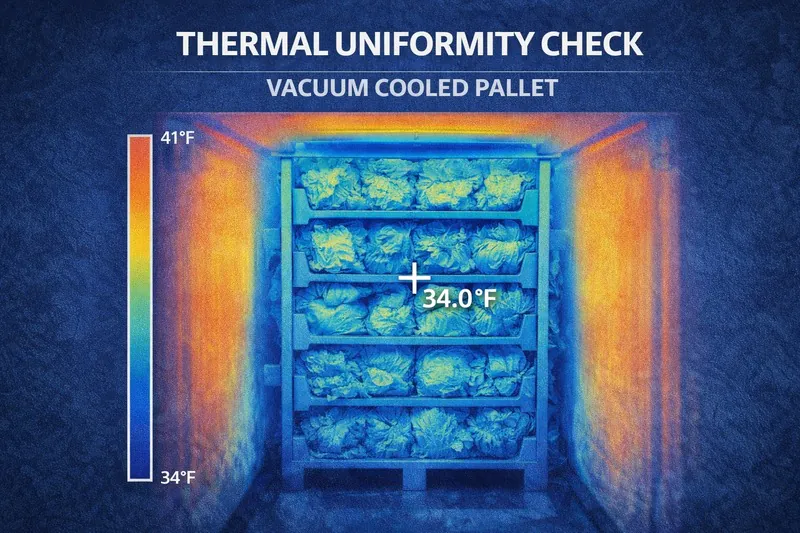
Vacuum cooling guarantees 100% uniformity. Because pressure equalizes instantly in every corner of the vacuum chamber, the lettuce in the center of the pallet cools at the exact same speed as the lettuce on the outside, preventing "hot spots" that lead to spoilage during transit.
The "Hot Core" Phenomenon
When you use forced-air cooling5, you are blowing cold air onto the outside of the pallet. The boxes on the outside get cold fast—sometimes too fast, leading to freezing damage. But the boxes in the middle of the pallet are shielded. The air can’t reach them.
I have seen inspection reports where the outer boxes were at 1°C, but the center boxes were still at 12°C. When that truck arrives at the supermarket distribution center 3 days later, the center boxes have rotted. The buyer sees the rot and rejects the entire shipment.
The Physics of Uniformity
Vacuum cooling does not rely on air to carry heat away. It relies on pressure.
When we turn on the vacuum pump in our AVC machine, the pressure drops everywhere in the chamber simultaneously. It drops inside the cardboard box. It drops inside the plastic bag. It drops inside the head of lettuce.
Therefore, the water boils (evaporates) inside the center head of lettuce at the exact same moment it boils in the outer head.
Whether you are cooling 1 pallet or 20 pallets, the temperature difference between the core and the surface is usually less than 1°C. This consistency gives you the confidence to ship to strict buyers like Norman or large chains, knowing every single head of lettuce is protected.
Is the Weight Loss from Evaporation a Problem?
Vacuum cooling works by evaporating water. Does this mean you are selling "shriveled" lettuce? This is the most common fear I hear from new clients.
The weight loss is minimal—typically only 2% to 3%—and is a necessary trade-off for extended shelf life. For produce that is already wetted or sprayed before harvest, this loss is negligible, and the resulting "crispness" actually improves the perceived quality of the product.
The Math of Evaporation
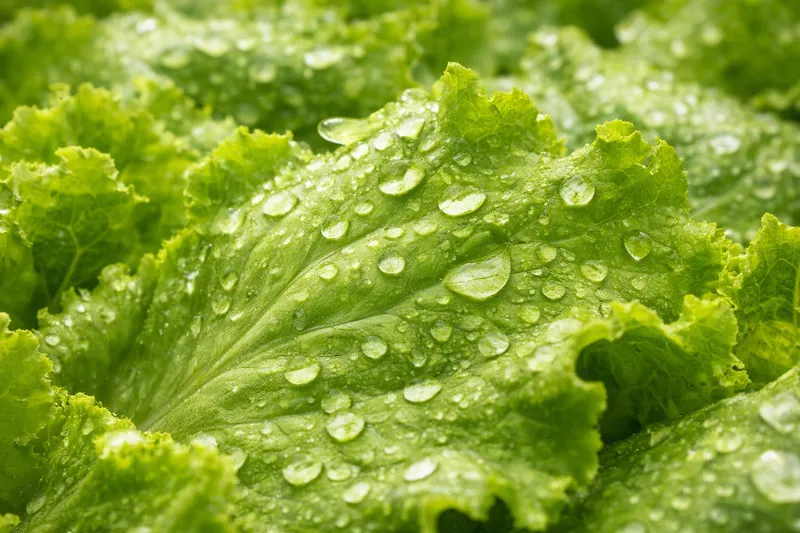
It is true: to remove heat, we must remove water. The physics dictates that for every 5°C drop in temperature, roughly 1% of the product’s weight is evaporated. So, cooling from 30°C to 2°C results in about 2-3% weight loss.
However, this is not "wilting." Wilting happens when cells collapse. Vacuum cooling happens so fast that the cell structure remains rigid. In fact, the slight drying of the surface makes the leaves feel crispier and crunchier, which consumers associate with freshness.
Hydro-Vacuum: The Best of Both Worlds
For clients who are extremely sensitive to weight (selling by the kilogram), we offer a solution: Hydro-Vacuum Cooling6.
Our AVC machines can be equipped with a water spray system. Before the vacuum cycle starts, we spray a fine mist over the lettuce.
When the vacuum pulls down, it evaporates this surface water first, instead of the water inside the plant cells.
- Result: You get the rapid cooling speed of vacuum.
- Benefit: You keep 100% of the internal moisture of the lettuce.
This is particularly popular for my clients in the Middle East or organic growers who need to maintain maximum product weight.
Conclusion
Quality is not just about how the lettuce looks when it leaves your farm; it is about how it looks when it reaches the customer’s plate. The Allcold AVC vacuum cooling series bridges that gap. By eliminating field heat in minutes, preventing bacterial explosions, and ensuring absolute uniformity, we transform a perishable commodity into a durable product. Whether you are shipping locally or exporting globally, investing in vacuum cooling is investing in your reputation. Don’t let the heat steal your profits—cool it down, keep it fresh, and sell more.
-
Explore this link to understand how vacuum cooling can revolutionize food preservation and quality. ↩
-
Understanding cross-contamination is crucial for food safety, helping you prevent foodborne illnesses. ↩
-
Discover the causes and prevention methods for Pink Rib in Romaine lettuce to ensure better quality produce and customer satisfaction. ↩
-
Understanding enzymatic browning is crucial for food preservation and quality. Explore this link to learn more about its impact on various foods. ↩
-
Understanding the drawbacks of forced-air cooling can help improve your shipping methods and prevent product loss. ↩
-
Explore this link to understand how Hydro-Vacuum Cooling can enhance product freshness and weight retention. ↩

Mila
You May Also Like
Buying a Vacuum Cooler for Fresh Produce Export? Avoid These Costly Procurement Mistakes
Buying a vacuum cooler for fresh produce export is not simply a machine purchase. It is a project decision that
How Much Produce Shrink Can Better Pre-Cooling Prevent in Export Projects?
Produce shrink in export projects is not simply a freshness problem. It is a commercial problem that compounds across every
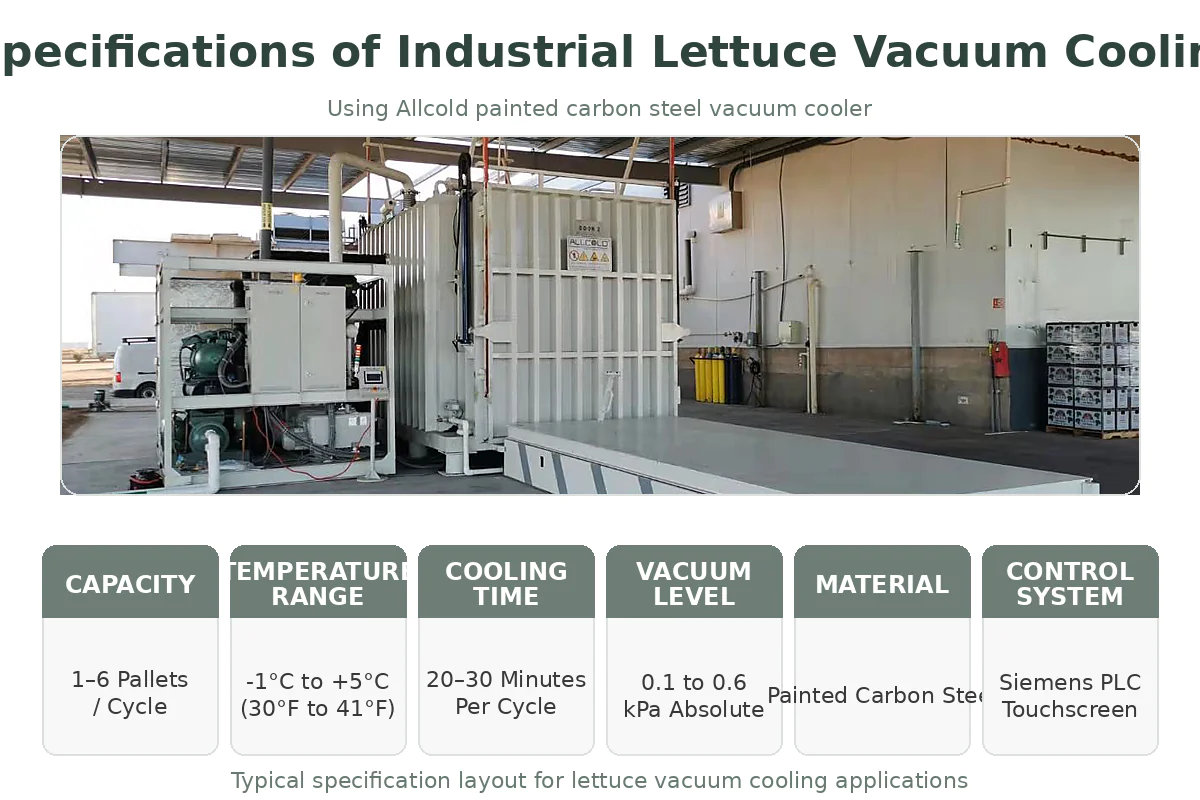
Technical Specifications of Industrial Lettuce Vacuum Cooling Systems?
Buyers often look at a quote and only see the price. They ignore the technical specifications. This is a mistake.
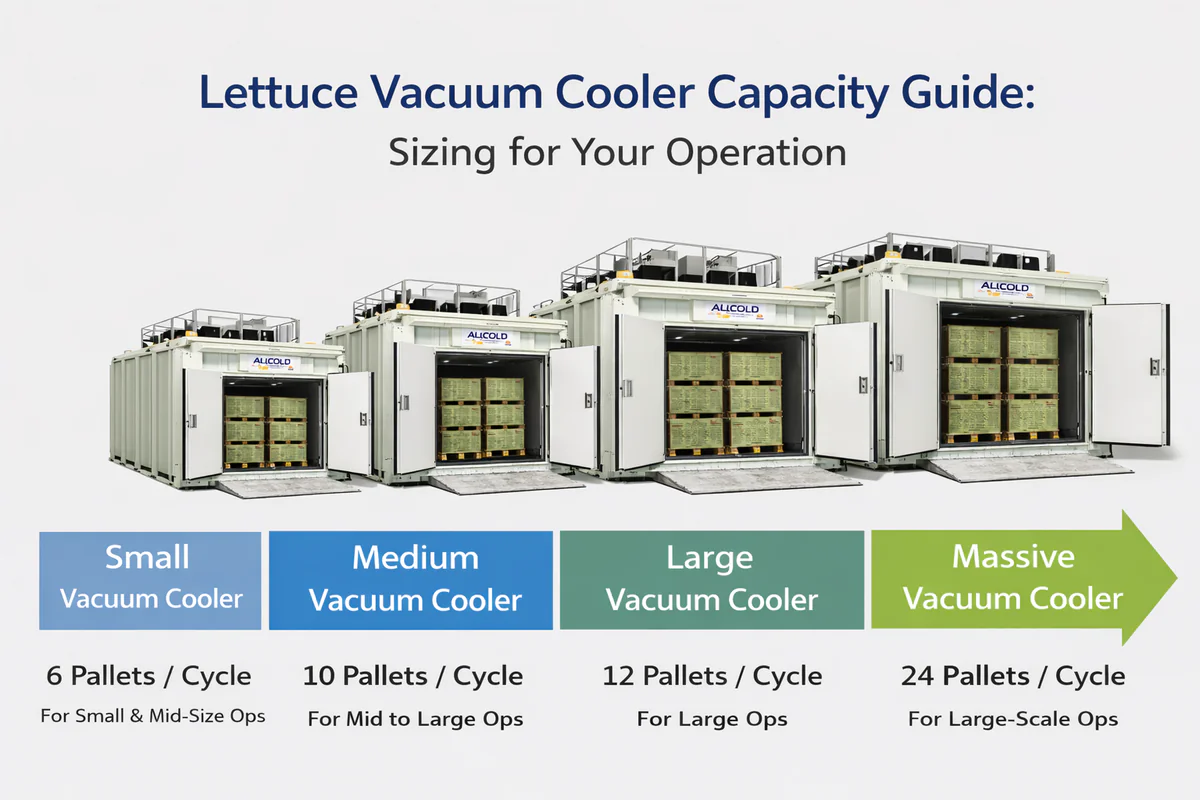
Lettuce Vacuum Cooler Capacity Guide: Sizing for Your Operation?
Investing in a vacuum cooler is a significant decision, but choosing the wrong size can be an even more expensive
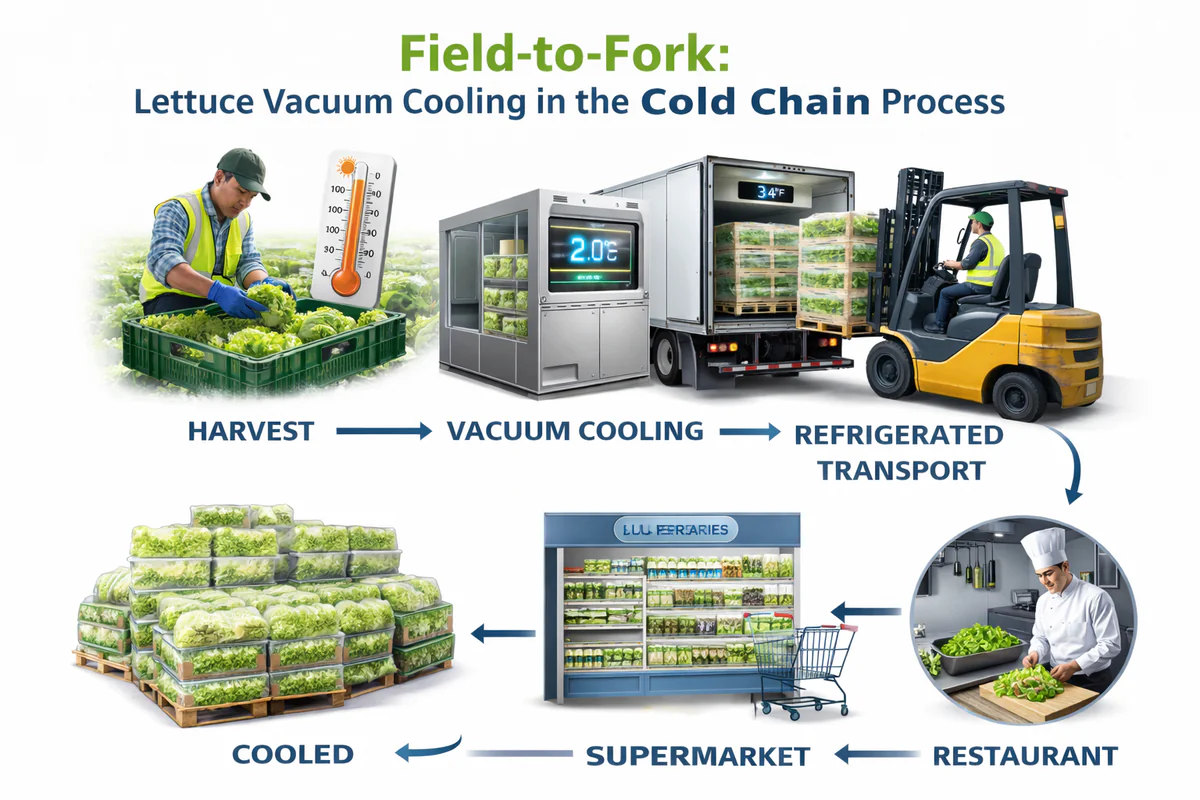
Field-to-Fork: Lettuce Vacuum Cooling in the Cold Chain Process?
We often talk about "freshness" as if it were magic, but in the lettuce business, freshness is purely a matter
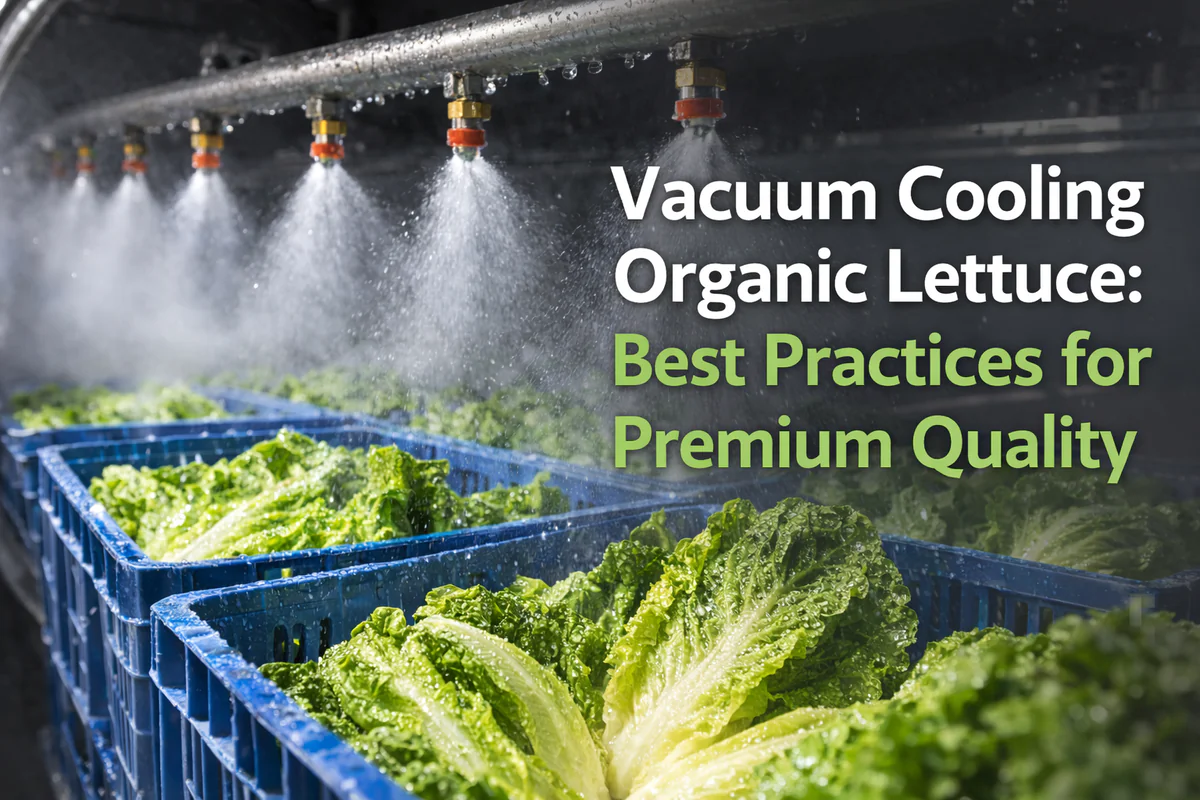
Vacuum Cooling Organic Lettuce: Best Practices for Premium Quality?
Organic lettuce is a promise to the consumer: no chemicals, no shortcuts, just nature. But without the safety net of
Pre-Cooling Lettuce: Why Vacuum Cooling is the Industry Standard?
In the fresh produce industry, the clock starts ticking the moment a knife cuts a stem. For lettuce, heat is
Optimal Vacuum Cooling Parameters for Lettuce: Temperature and Timing?
In the world of post-harvest preservation, precision is the difference between a crisp, profitable shipment and a slimy, rejected claim.
Vacuum Cooling Different Lettuce Varieties: Is One Setting Enough for All?
Not all lettuce is created equal. A dense head of Iceberg is a fortress of water, while delicate Baby Spinach
The Complete Guide to Vacuum Cooling Technology for Lettuce Production?
Lettuce is a race against nature. From the moment the stem is cut in the field, respiration heat begins to