
How Much Does a Bakery Vacuum Cooler Really Cost?
You’ve seen what vacuum cooling can do for a bakery—longer shelf life, better texture, incredible efficiency. But there’s a big question looming: what is the price? The cost seems like a closely guarded secret, making it hard to budget or even know if it’s a realistic option for you.
You search online and find a confusing mix of information. Some suppliers list vague prices, while others won’t tell you anything without a formal quote. You are stuck, afraid of investing too little in a machine that will fail, or overpaying for features you do not need.
Bakery vacuum-cooler pricing depends on the actual cooling duty, loading format, chamber dimensions, components and supply scope. Obtain a current project quotation; the price bands previously used here should not be treated as an Allcold price list.
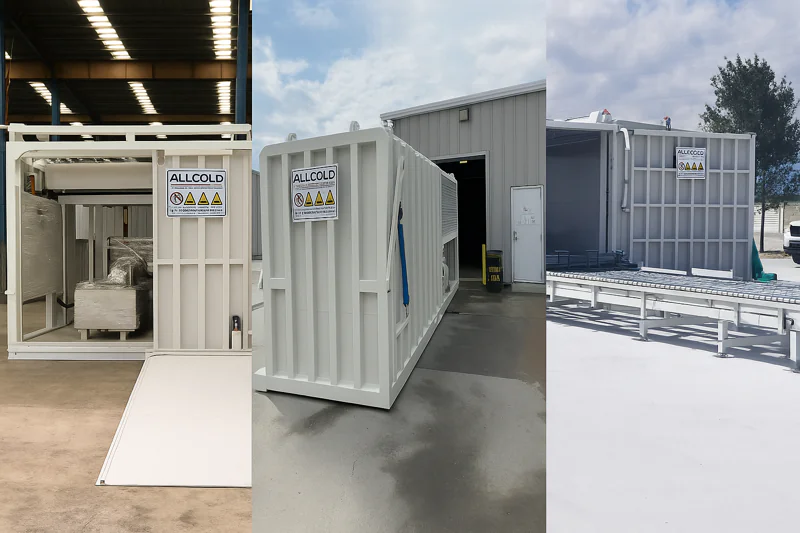
A craft bakery and an industrial plant may need different configurations. Compare what each proposal includes and what your site must provide, rather than assuming a higher price automatically buys a better cooling result.
What Determines the Price of a Budget-Friendly Vacuum Cooler?
You are running a small to medium-sized bakery. You want the benefits of vacuum cooling, but you have a limited budget. You look at the high-end machines and worry that the technology is out of your reach. You need a starting point.
The good news is that you don’t need to spend a fortune to get started. There are budget-friendly options designed specifically for smaller operations. But you are cautious. You need to know if "budget-friendly" means low quality or if it is a smart, focused investment.
For a smaller project, discuss a single-trolley configuration against the actual load and production schedule. Capacity, control functions and component choices should come from the quotation; they are not determined by a universal budget price band.
What You Get in an Entry-Level Machine
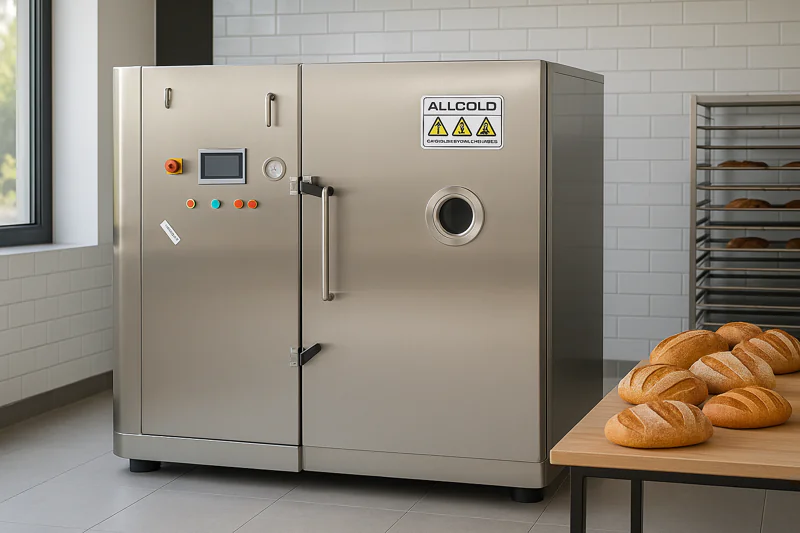
A smaller unit should still be assessed against the required product, site utilities and operating pattern. A low initial price is useful only if the proposed machine can perform the specified job.
Here’s a breakdown of what defines a budget-friendly model:
- Specify the actual trolley dimensions and batch weight.
- Request the supplied component schedule and cooling duty.
- Confirm baseline controls and any additional recipe or data functions in the quotation.
| Smaller-project input | What to specify |
|---|---|
| Batch | Actual weight and trolley dimensions |
| Duty | Product and required cooling endpoint |
| Controls | Required operating functions |
| Price | Current quotation with defined scope |
Estimate the return using the site’s actual bottleneck, utilization, costs and measured product outcomes. No capacity or price tier establishes rapid payback on its own.
What Features Justify a Mid-Range Machine’s Price?
Your bakery is successful and growing. You are supplying several stores or have a contract with a regional food service provider. Your entry-level cooler, or your old rack-and-fan system, is now the bottleneck in your production. You need more capacity and more control.
Allcold’s bakery range is configured around product type, tray or trolley format and batch requirements. This allows a quotation to describe what your production line needs rather than place it in a generic budget tier. Submit those details with site utilities and destination, then ask for equipment, options, logistics and installation responsibilities to be identified separately.
You see the price jump for a mid-range machine and you need to understand the value. Is the extra cost just for a bigger box, or are you getting tangible improvements in performance, reliability, and efficiency that will support your growing business for years to come?
As capacity requirements grow, compare the complete batch turnaround, trolley arrangement, refrigeration duty and control scope. The additional investment should be tied to a documented requirement rather than an assumed mid-range specification.
The Leap to Industrial Performance
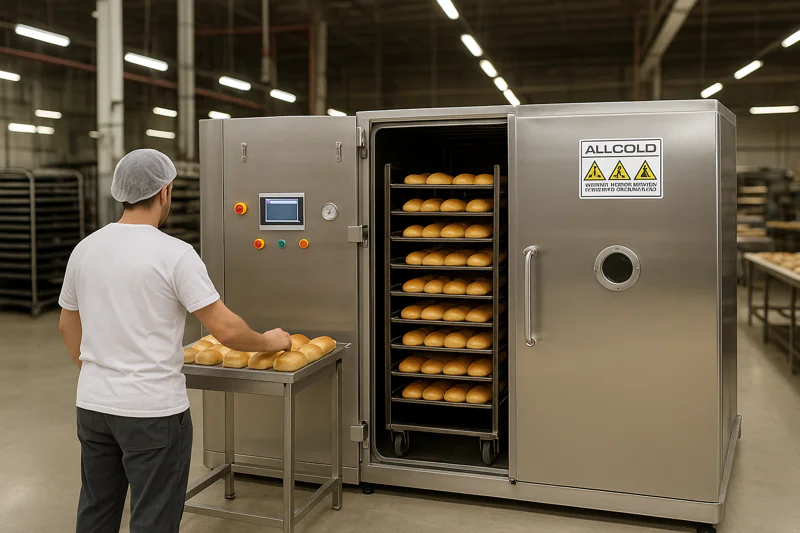
For a growing production line, review these configuration choices against the required output and operating conditions:
- Define required throughput using the complete batch turnaround.
- Compare component and utility requirements at the same duty.
- Confirm custom dimensions and any additional control functions against the actual production need.
| Growing-project input | What to specify |
|---|---|
| Throughput | Peak output and complete cycle |
| Loading | Actual trolley quantity and layout |
| Components | Quoted equipment and operating limits |
| Value | Benefit tied to a measured production constraint |
Select capacity against a realistic production plan and consider the maintenance and utility requirements over time. Larger equipment and familiar brands do not guarantee future returns.
Why Invest in a Premium, High-Capacity System?
You are operating a large-scale industrial bakery, possibly running 24/7. Your customers are major supermarket chains or fast-food franchises. For you, consistency is everything, and downtime is not an option. A single production halt can cost tens of thousands of dollars.
For a high-output line, define the required throughput, operating hours, loading method and integration responsibilities before requesting a price.
A larger bakery system may require additional trolleys, a different chamber arrangement or project-specific interfaces. Material, hygiene, data-recording and support requirements must be specified individually. A premium price does not establish round-the-clock reliability or food-safety compliance.
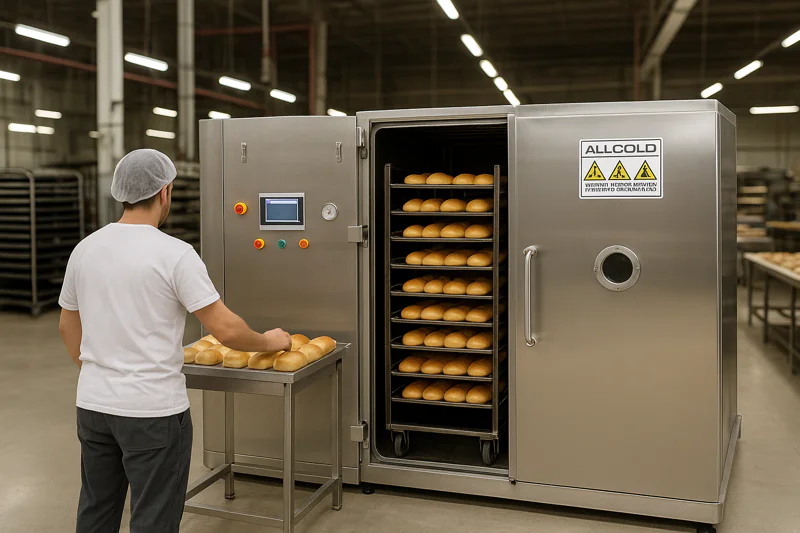
The Ultimate Cooling Solution
Industrial buyers should identify which functions are essential, which are optional and how each will be checked against the agreed scope.
- Agree trolley quantity, load pattern and any mechanical interfaces.
- Specify the required materials and cleaning access for the application.
- Treat data exports, remote access and automated handling as separately confirmed project requirements.
| Industrial-project input | What to specify |
|---|---|
| Capacity | Approved load and production sequence |
| Construction | Application-specific materials and cleaning access |
| Data and automation | Required functions and separate integration scope |
| Support | Destination responsibilities and agreed availability |
Evaluate equipment availability, local service arrangements and the consequences of a process interruption alongside the capital cost. Avoid assigning a guaranteed reliability benefit to an unspecified feature package.
Conclusion
A useful quotation connects the actual product and output requirement to a clearly defined machine and delivery scope. Compare proposals on that common basis before deciding which offers the best value.
Understanding cooling capacity helps you choose the right machine for your bakery’s production needs. ↩
Learn about essential components that ensure reliability and performance in budget machines. ↩
Explore how a good control system can improve efficiency and product quality in baking. ↩
Get insights into pricing to make informed decisions for your bakery investment. ↩
Explore how higher throughput can significantly enhance production efficiency and profitability in industrial baking. ↩
Learn why investing in premium components like Leybold and Bitzer can lead to better reliability and lower maintenance costs. ↩
Discover how advanced control systems can optimize baking processes and ensure consistent product quality. ↩
Find out how Siemens PLC systems enhance operational flexibility and efficiency in industrial settings. ↩
Need vacuum cooling for your production line?

Mila
You May Also Like

When Should You NOT Use Vacuum Cooling for Your Bakery?
Are you tired of waiting hours for your bread to cool down while your profits evaporate? You might think vacuum

Is Your Cooling Strategy Burning Your Profits? A Cost-Benefit Analysis of Vacuum vs. Conventional Cooling
As a bakery owner, you look at your balance sheet every month. You see the cost of ingredients, labor, and
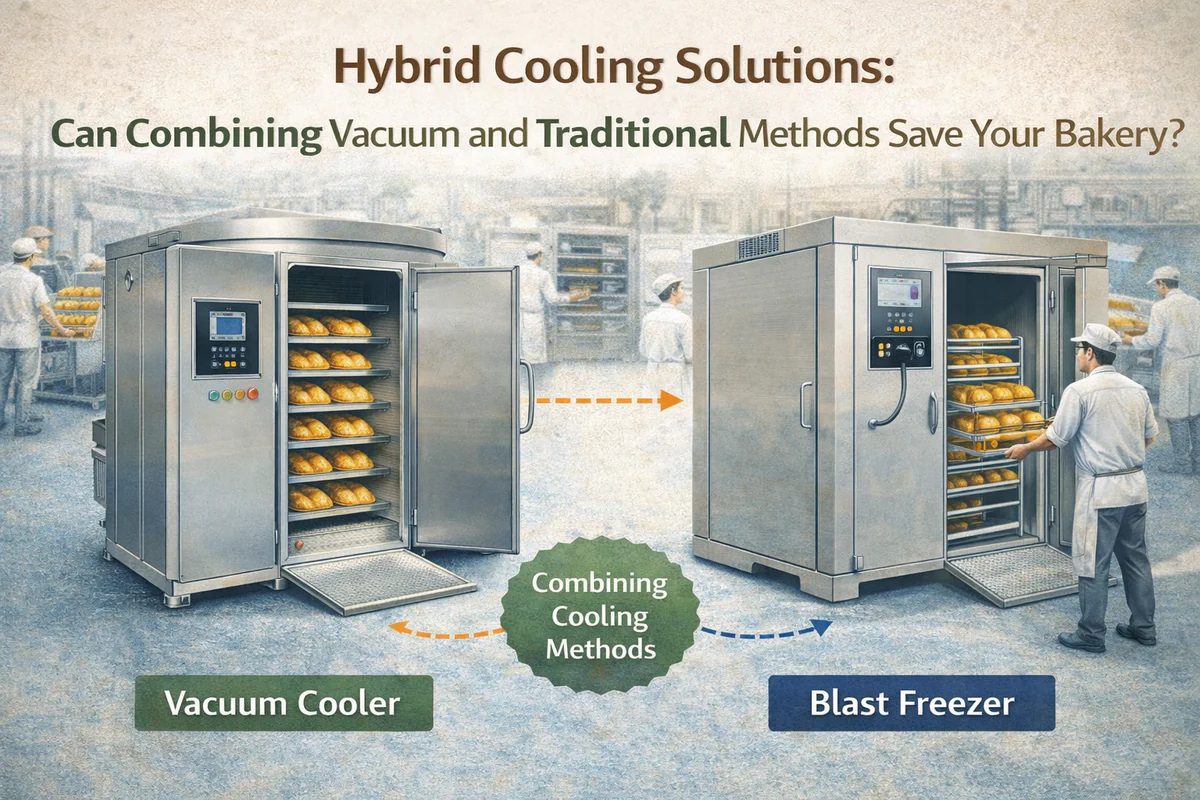
Hybrid Cooling Solutions: Can Combining Vacuum and Traditional Methods Save Your Bakery?
Are you torn between the speed of new technology and the reliability of traditional freezing? Many bakery owners feel they
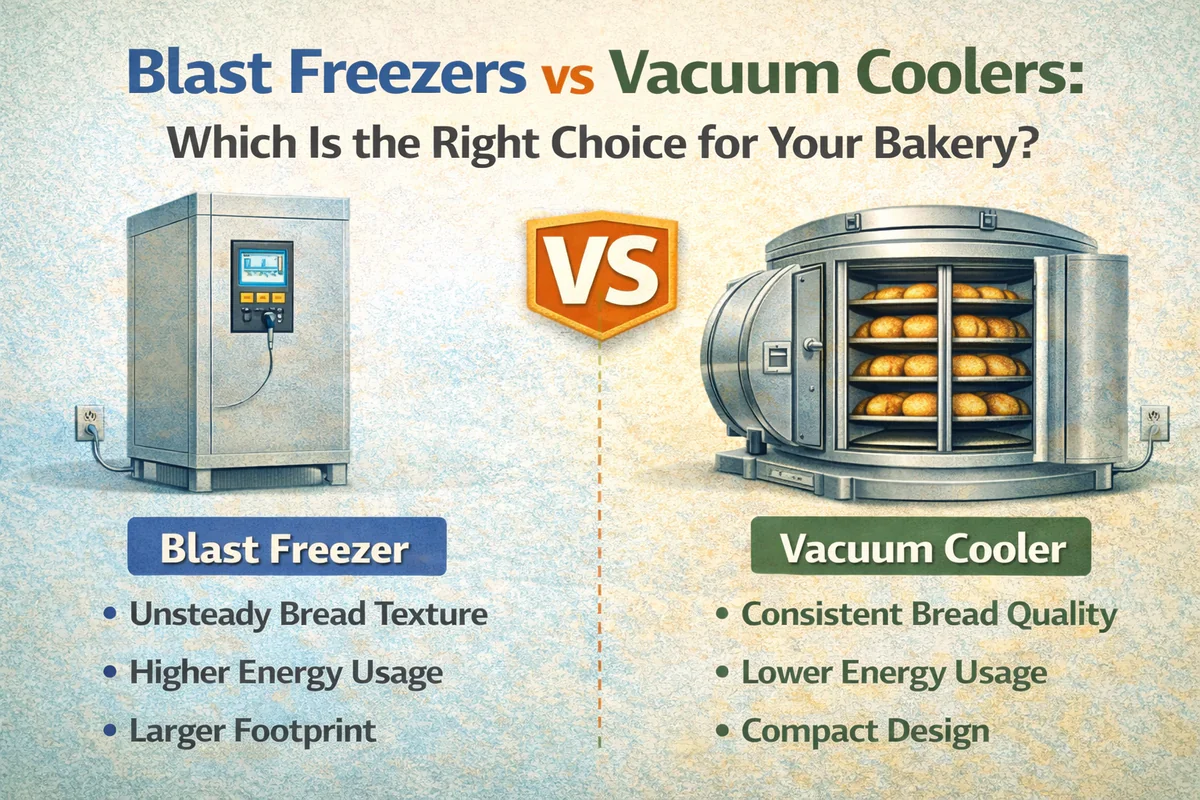
Blast Freezers vs Vacuum Coolers: Which Is the Right Choice for Your Bakery?
Are you tired of watching your freshly baked bread sit on racks for hours, taking up valuable space while you

Bakery Vacuum Cooling vs Spiral Cooling Systems: Which Is Better for Your Business?
Are you struggling with slow production lines because your bread takes forever to cool down? You are not alone. Cooling
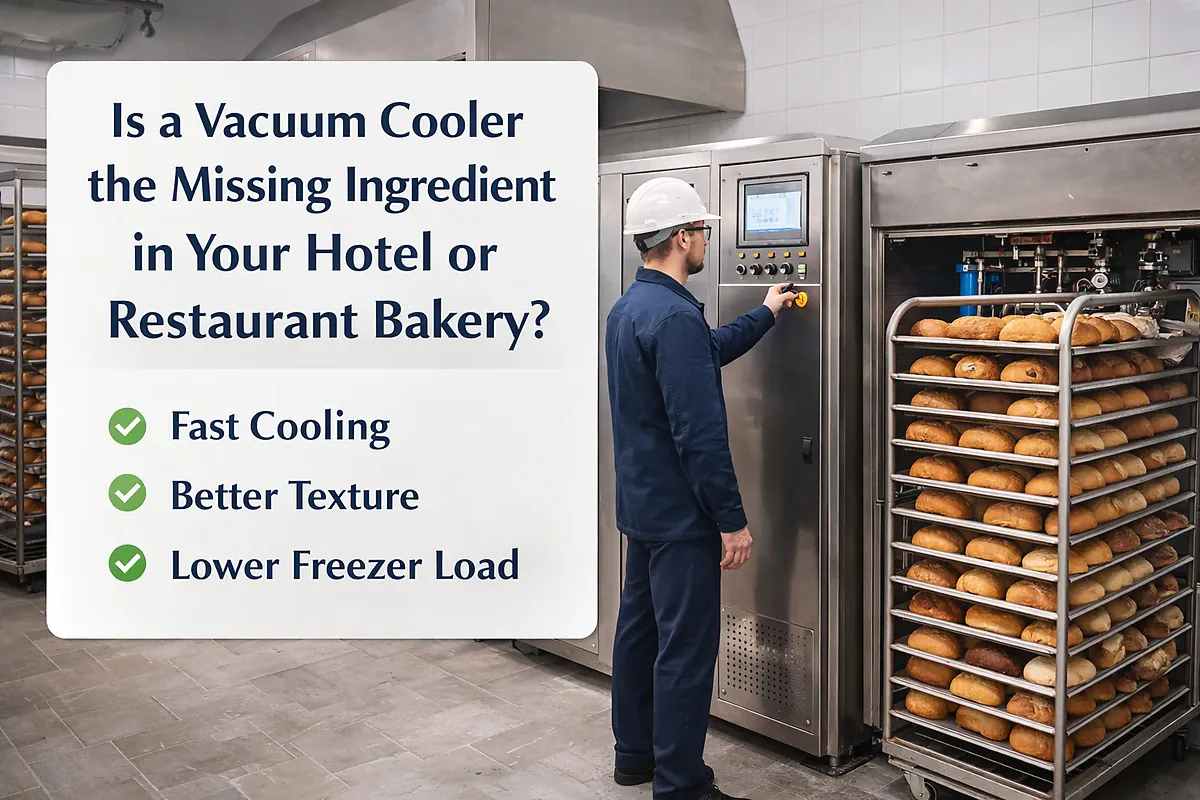
Is a Vacuum Cooler the Missing Ingredient in Your Hotel or Restaurant Bakery?
Imagine your kitchen is in full swing, and the freshly baked bread is finally out of the oven, but it
Can One Cooling System Handle Your Entire Bakery Menu?
You juggle sourdough, delicate pastries, and frozen dough lines daily. Yet, one cooling mistake ruins the texture of your artisan

Is Your Frozen Dough Production Losing Quality Before It Hits the Freezer?
You watch your energy bills climb month after month while your blast freezers work overtime. You see production bottlenecks form
How Can Organic Bakeries Extend Shelf Life Without Preservatives?
You pour your heart into sourcing the finest organic flours and perfecting natural fermentation, only to watch your hard work
Can Vacuum Cooling Finally Fix the "Gummy" Texture in Gluten-Free Bread?
You watch your perfectly risen gluten-free loaves come out of the oven, only to see them sink or turn gummy