FRESH PRODUCE · COOLING METHOD SELECTION
A fast lettuce cycle does not prove that the same machine, recipe and packaging will work for your celery. Start with the product you actually sell—and the condition in which it must arrive.
A pallet of trimmed celery bunches and a pallet of individually sleeved celery hearts may leave the same farm, but they are not the same cooling assignment. Before comparing equipment quotations, define the finished pack, the required product temperature and the time available before dispatch. Otherwise, an impressive cooling-time claim can answer the wrong question.
Can celery be vacuum cooled? Yes. FAO lists celery among crops suitable for vacuum cooling and among those normally hydrocooled. That makes vacuum cooling a candidate, not an automatic winner. Compare it with hydrocooling and forced-air cooling using your actual product, packaging and production schedule.[1]
Three questions to answer before requesting a price
- What will enter the cooler? Whole trimmed bunches, celery hearts or another format; loose crates or finished cartons; open packaging, sleeves or liners.
- What can your operation accommodate? Pallet-based batches, a water-contact process, or an adequately designed refrigerated airflow system.
- What counts as a successful batch? Agreed product temperatures, acceptable saleable weight and condition, and enough complete loads per hour to meet the harvest peak.
This guide focuses on fresh-market stalk celery. Fresh-cut sticks and ready-to-eat packs need their own process assessment; do not carry conclusions over from whole bunches.
1. Set the celery quality and temperature target
UC Davis identifies 0°C (32°F) as the optimum storage temperature for celery, with 98–100% relative humidity. It also notes that freezing injury can begin at −0.5°C (31.1°F). These are commodity-handling benchmarks—not instructions to apply a universal vacuum pressure or a zero-degree endpoint to every load.[2]
Translate the storage requirement into a practical cooling specification with your supplier: where temperature will be measured, the acceptable range at unloading, and how the product will move into cold storage. A single cold reading is not evidence that every bunch is ready for dispatch.
Start with sound produce. Cracking, crushing and pithiness affect celery quality; cooling does not reverse existing damage.[2] Record incoming condition so that a cooling comparison does not confuse field or handling defects with equipment performance.
2. Compare vacuum, hydro and forced-air cooling
The useful comparison is not “Which technology is best?” It is “Which process delivers our specified celery pack, at our peak rate, with manageable operating demands?” The following table combines established cooling principles with practical questions for a buyer.[1][3]
| Method | How heat is removed | What to establish before choosing |
|---|---|---|
| Vacuum cooling | Reduced pressure promotes water evaporation from the produce; evaporation removes heat. | Can the actual pack release vapour effectively? What temperature distribution, weight change and complete batch time does the loaded test produce? |
| Hydrocooling | Chilled water contacts the produce and carries heat away. | Can the product and container tolerate wetting? Can the site manage water quality, drainage, refrigeration and the next packing or storage step? |
| Forced-air cooling | A pressure difference moves refrigerated air through the packaged load. | Does the real stack provide an effective airflow path? Is the measured cooling time compatible with available space and dispatch timing? |
Forced-air cooling is not simply placing pallets in a cold room with circulating fans. Air must be directed through the load.[3] Likewise, listing celery as suitable for vacuum cooling does not validate every carton, liner or loading arrangement.
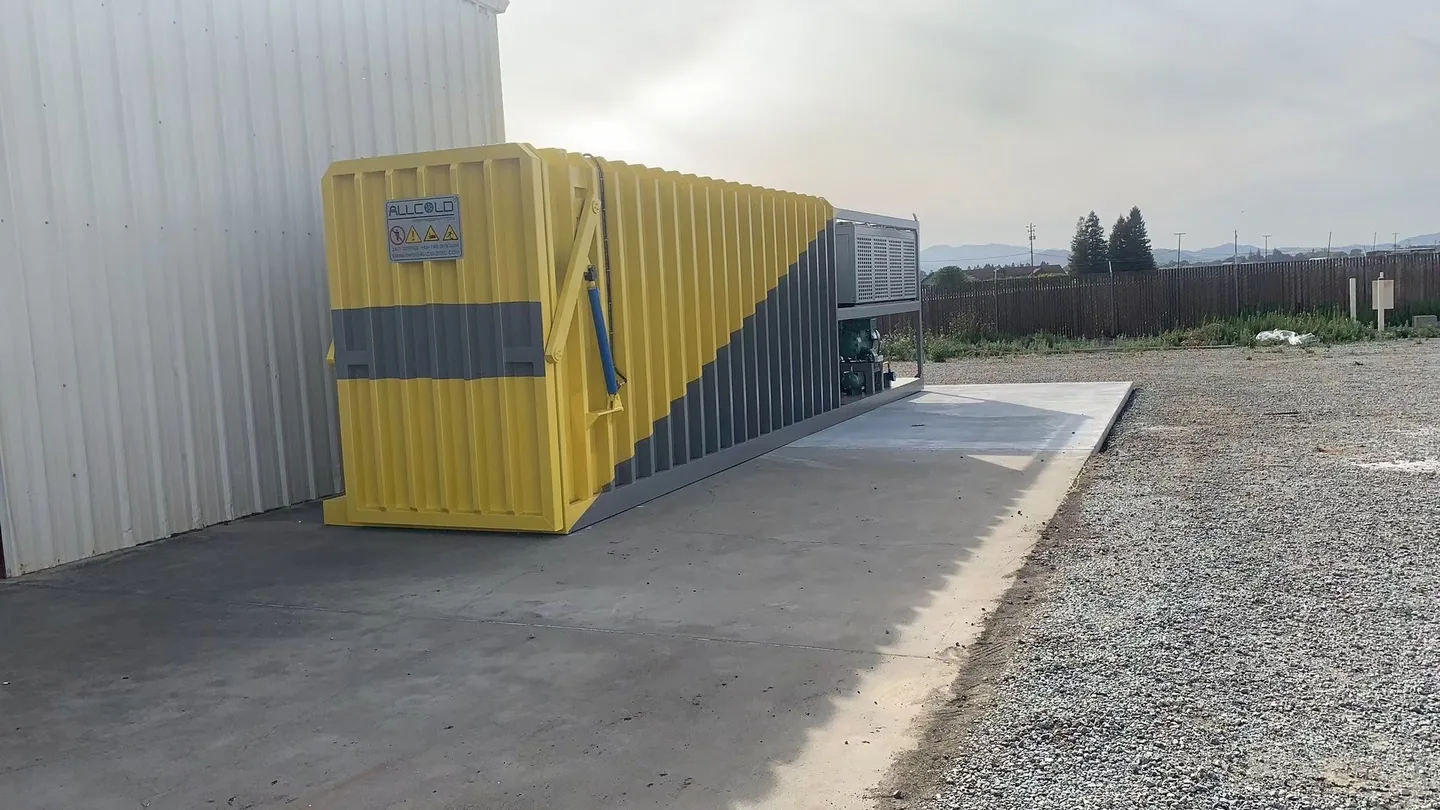
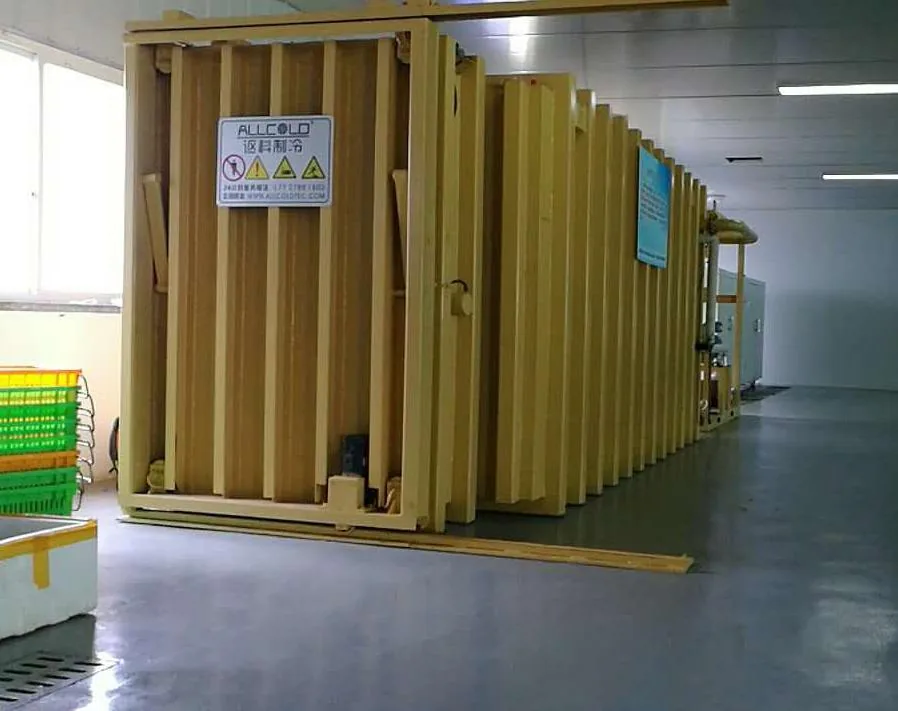
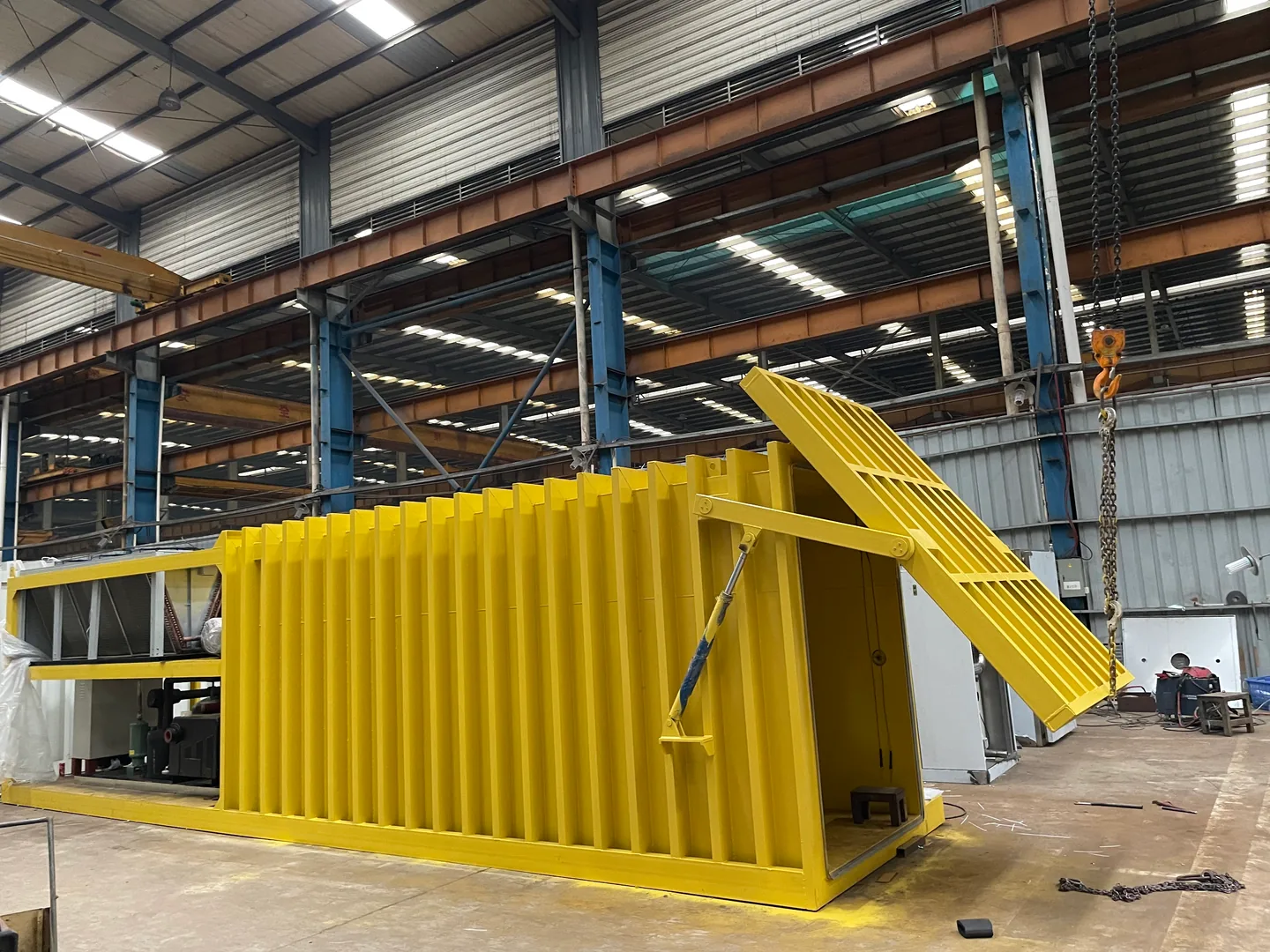
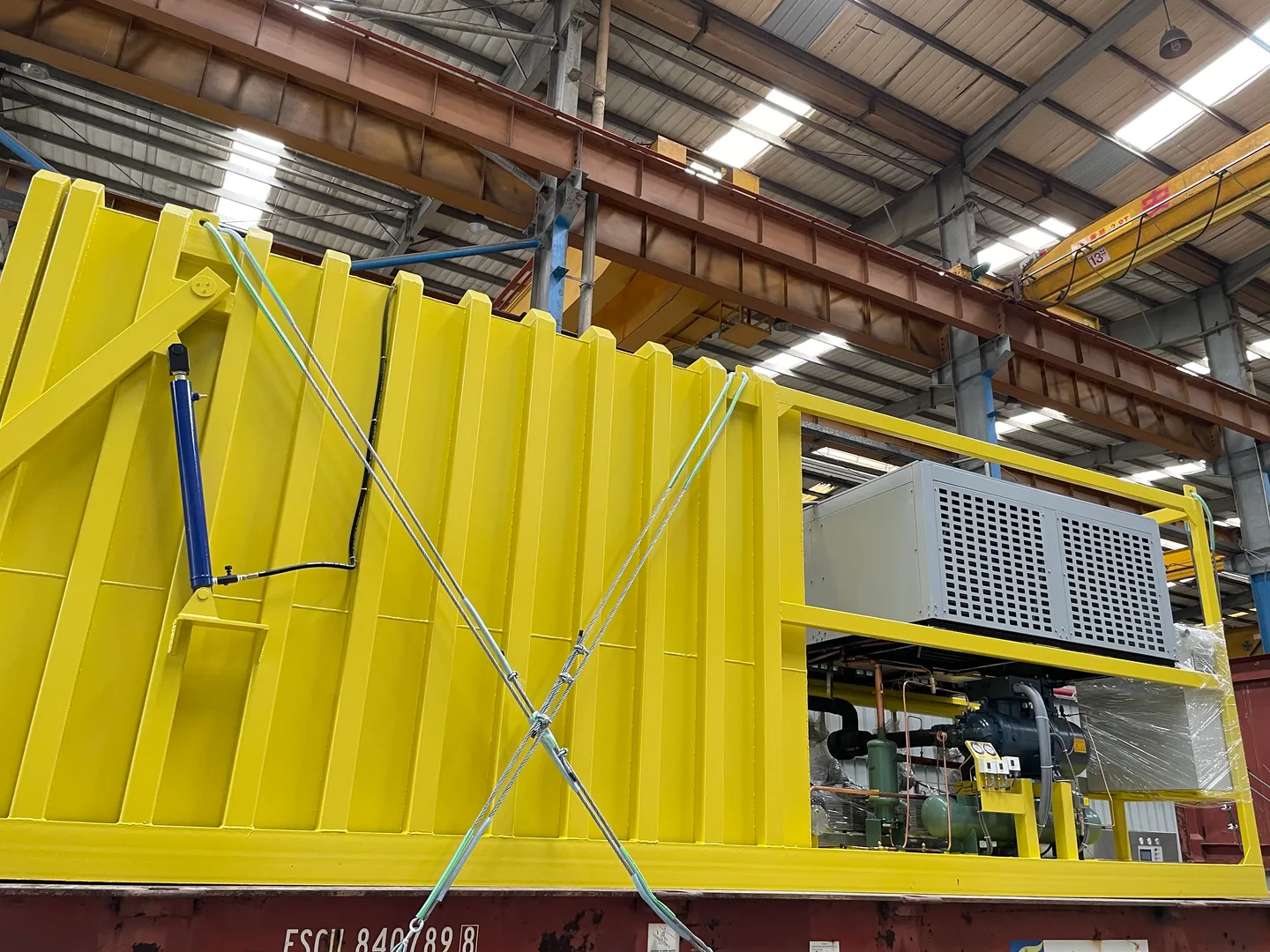
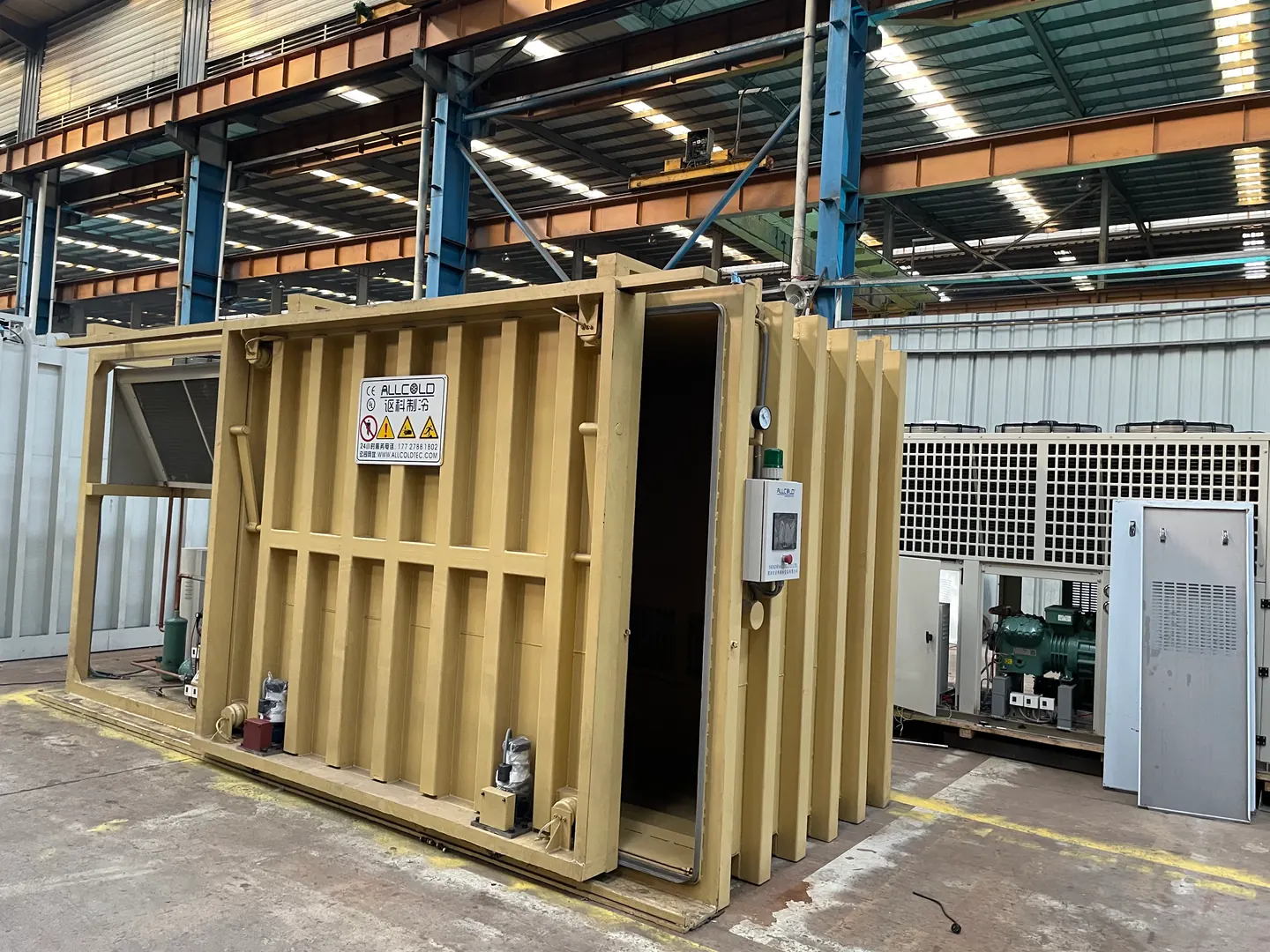
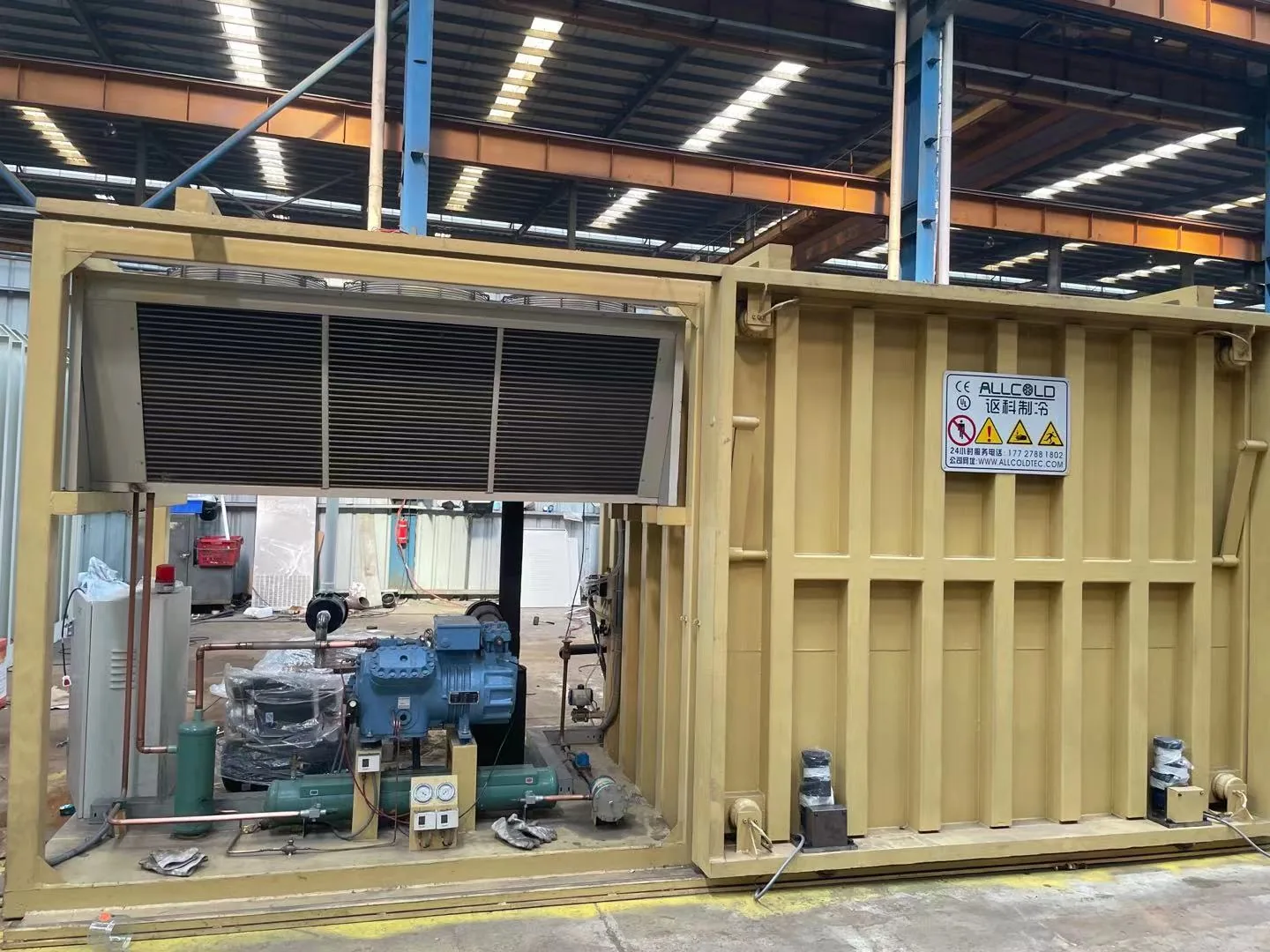
If your process handles finished pallets in batches, discuss the actual pack with Allcold when reviewing vacuum coolers for fresh produce. The comparison above is a process-selection guide, not a claim that all three technologies are included in an Allcold equipment package.
3. Treat packaging as part of the cooling process
A sleeve or liner chosen to protect moisture during distribution may change how a pack cools. FAO notes that moisture-protective packaging can complicate cooling, and that hydrocooling requires suitable produce and water-resistant containers.[3]
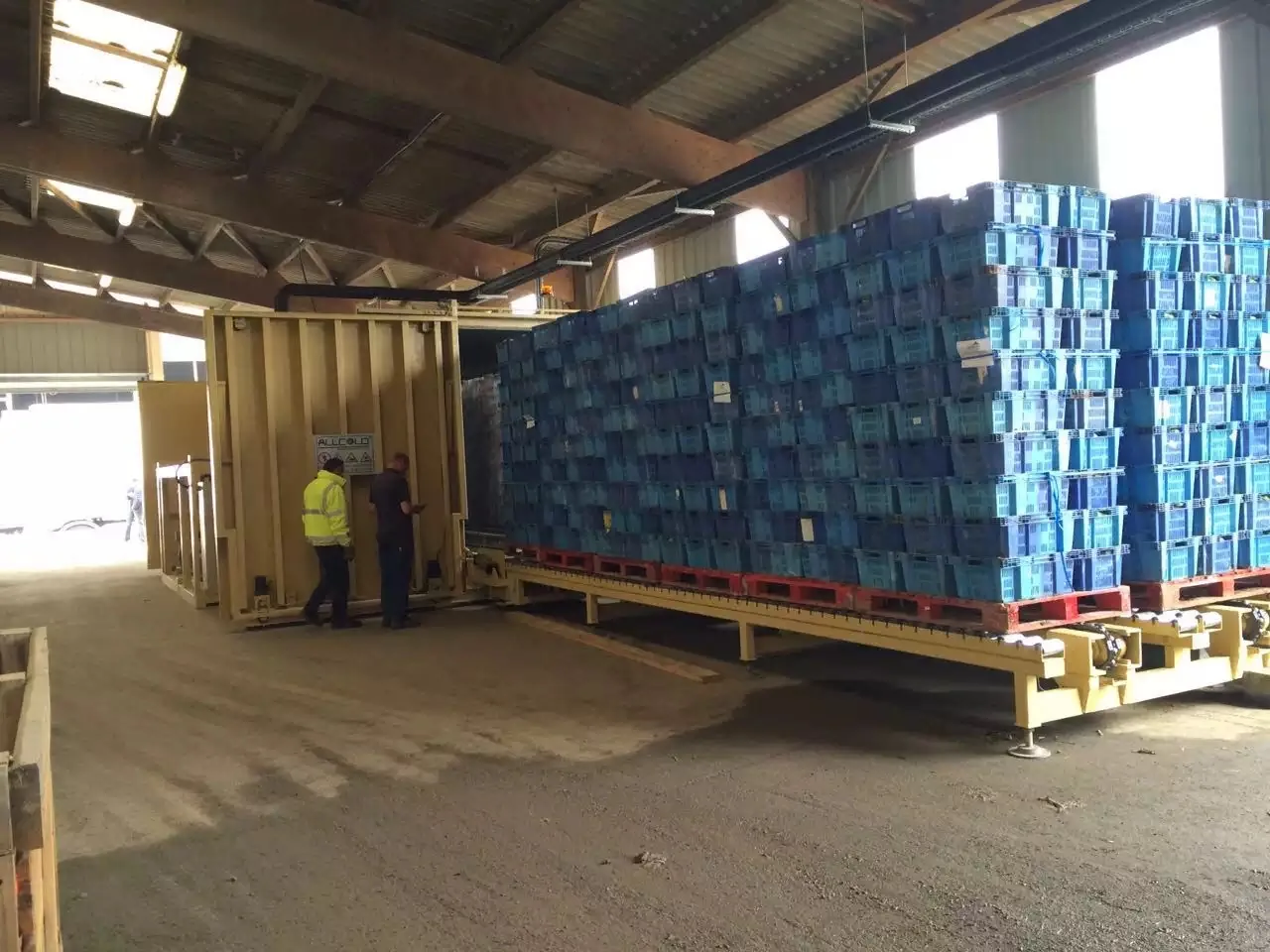
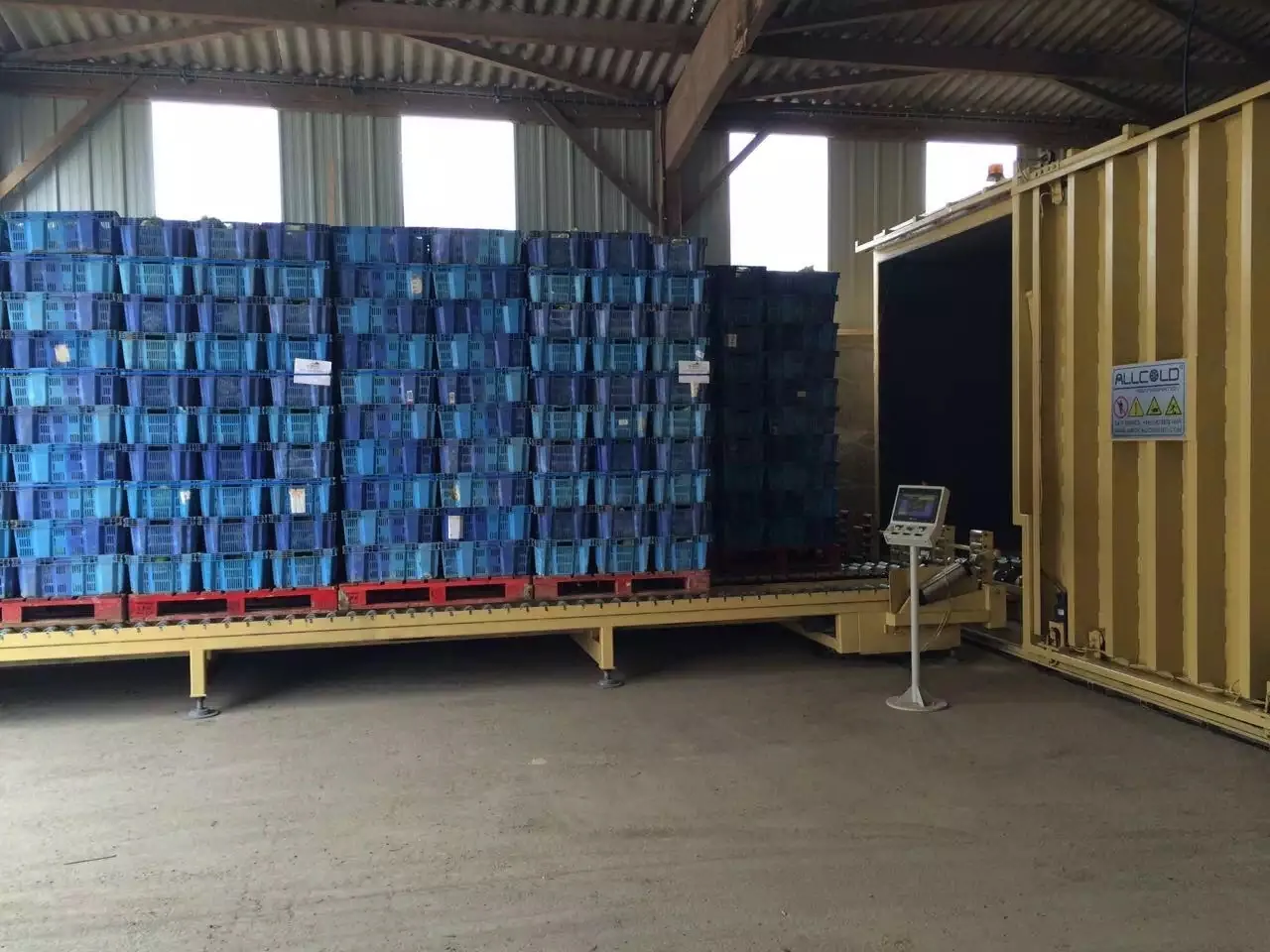
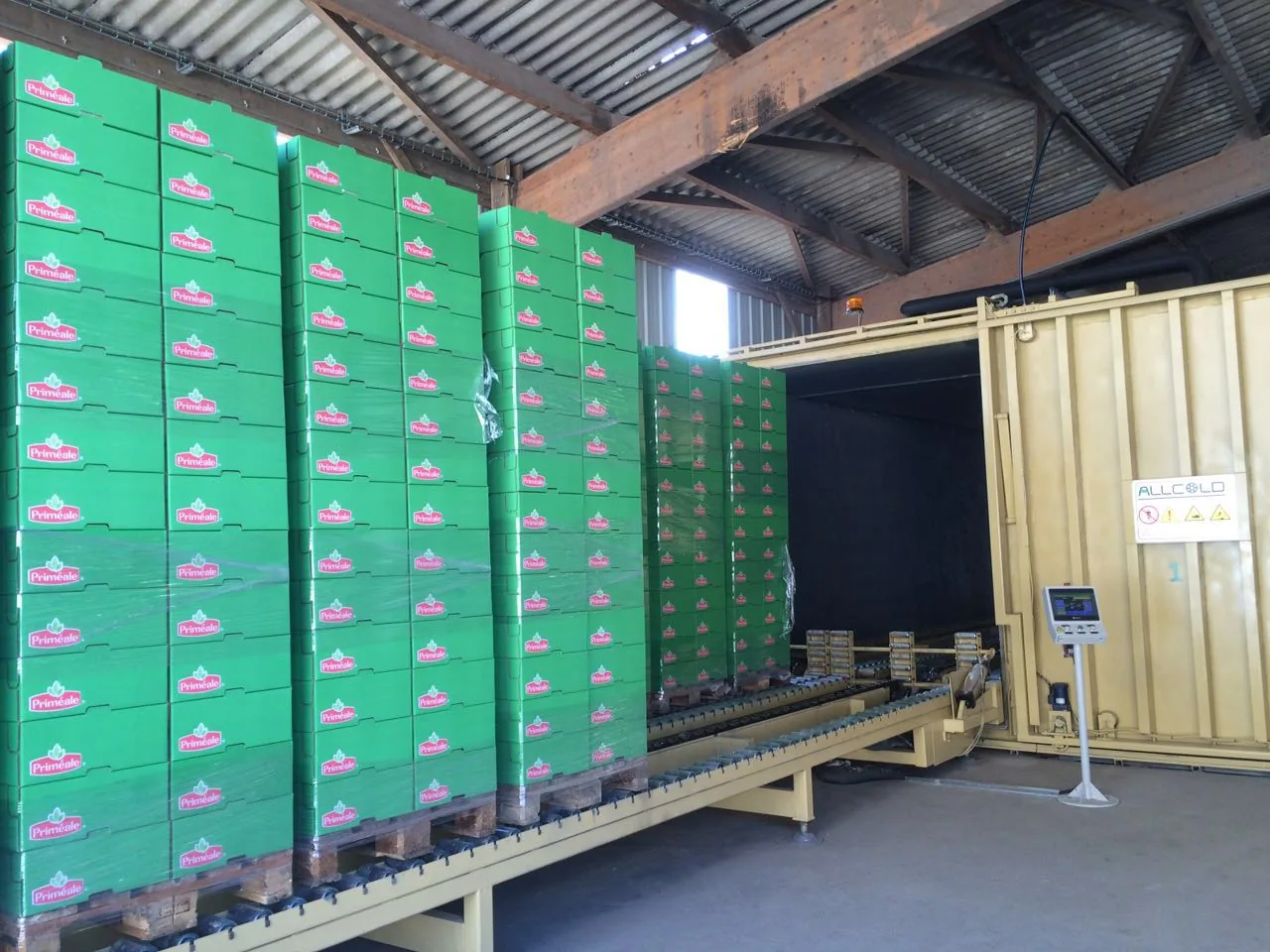
For a vacuum-cooling assessment, send photographs and specifications of the pack as loaded—not just an empty carton. Identify closed liners, individual wraps, stacking patterns and any difference between the trial pack and the commercial pack. Ask the equipment supplier to assess vapour release; do not assume that an outer carton opening solves restrictions inside it.
Also separate chamber fit from cooling suitability. A pallet can fit physically while still failing the agreed cooling test. Check loaded dimensions, protruding cartons and handling access using a usable chamber and pallet-fit review, then evaluate the packed product itself.
4. Check a representative batch—not just the fastest one
Use the load you expect to run commercially. An unusually light, cool or loosely packed demonstration is a weak basis for a purchase if normal production is warmer and more densely packed.
- Document the starting load. Record product format, harvest-to-cooling interval, incoming temperature, net product weight, pack details and photographs.
- Agree how temperature will be checked. Choose representative product locations with the supplier. Product measurements—not chamber air alone—should support the endpoint decision. See the temperature-probe placement guide.
- Compare weight consistently. Use the same scale, tare and sampling basis before and after cooling. Keep the weighing procedure consistent for surface-wet produce; otherwise, drainage can confuse the result. Assess cooling weight loss and saleable yield together.
- Inspect the product after normal handling. Check firmness, appearance and damage at unloading and at an agreed point after cold storage or distribution. Do not judge quality only from a photograph taken immediately after cooling.
- Time the whole batch. Include loading, the cooling process, pressure equalisation and unloading. Record delays that would also occur in production.
If both bunches and hearts are important commercial products, treat them as separate entries in the assessment. One successful format should not silently become a performance promise for the other.
5. Turn the results into a buying decision
Compare offers on saleable celery handled per operating hour, not chamber capacity or cooling minutes alone. A larger chamber is not automatically more useful if it waits for a full load while produce queues outside, or if the next process cannot accept the cooled output.
Build the operating comparison around your own labour, utilities, water management where applicable, handling time and measured product loss. Keep assumptions visible. There is no useful universal payback figure without your seasonal volume and local costs.
Finally, protect the result. Precooling is one step in a temperature-managed supply chain; later warming can undermine it.[4] Plan the route to cold storage and dispatch alongside the equipment purchase.
A useful celery enquiry includes
- Product format and photographs of the final packaging.
- Net weight per carton and pallet, plus loaded pallet dimensions.
- Typical and peak incoming temperatures, the required endpoint and dispatch deadline.
- Peak hourly volume, daily operating window and seasonal pattern.
- Available electrical supply, water arrangements and cold-storage access.
- The quality and weight-change criteria you want a representative batch to meet.
Frequently asked questions
Can I use a lettuce cooling recipe for celery?
Not as a purchasing guarantee. Use a supplier-agreed starting approach, then check your actual celery format and load. A cycle developed for a different crop and package does not establish the required result.
Does vacuum cooling replace a cold room?
No. Removing field heat and maintaining temperature during storage are different tasks. Specify both the cooling stage and the downstream storage arrangements.
Is there a standard cooling time for celery?
There is no single time that this guide can responsibly promise for every installation. Ask for results tied to incoming temperature, product format, packaging, load size and the agreed endpoint—not an unqualified number.
Discuss your actual celery load
Send Allcold your pack photographs, pallet dimensions, peak volume and temperature requirements. Start with the product and production flow so that the proposed vacuum cooler can be assessed against the job it needs to do.
Sources and technical notes
- FAO — Manual for the Preparation and Sale of Fruits and Vegetables: storage and precooling. Tables on hydrocooling and vacuum-cooling suitability include celery; the chapter explains cooling principles.
- UC Davis Postharvest Research and Extension Center — Celery. Commodity-specific storage temperature, humidity, freezing sensitivity and quality considerations.
- FAO — Small-Scale Postharvest Handling Practices: temperature and relative humidity control. Cooling-method operation, packaging considerations and hydrocooling compatibility.
- FAO — The Role of Post-harvest Management in Assuring the Quality and Safety of Horticultural Produce. Postharvest temperature management and the place of cooling within the handling chain.
Sources checked 4 October 2026. The buyer checklist is an editorial synthesis, not an Allcold performance specification. No fixed cooling time, shelf-life extension or savings are promised; equipment configuration and results must be agreed for the actual project.