ALLCOLD · VACUUM COOLER BUYING GUIDE
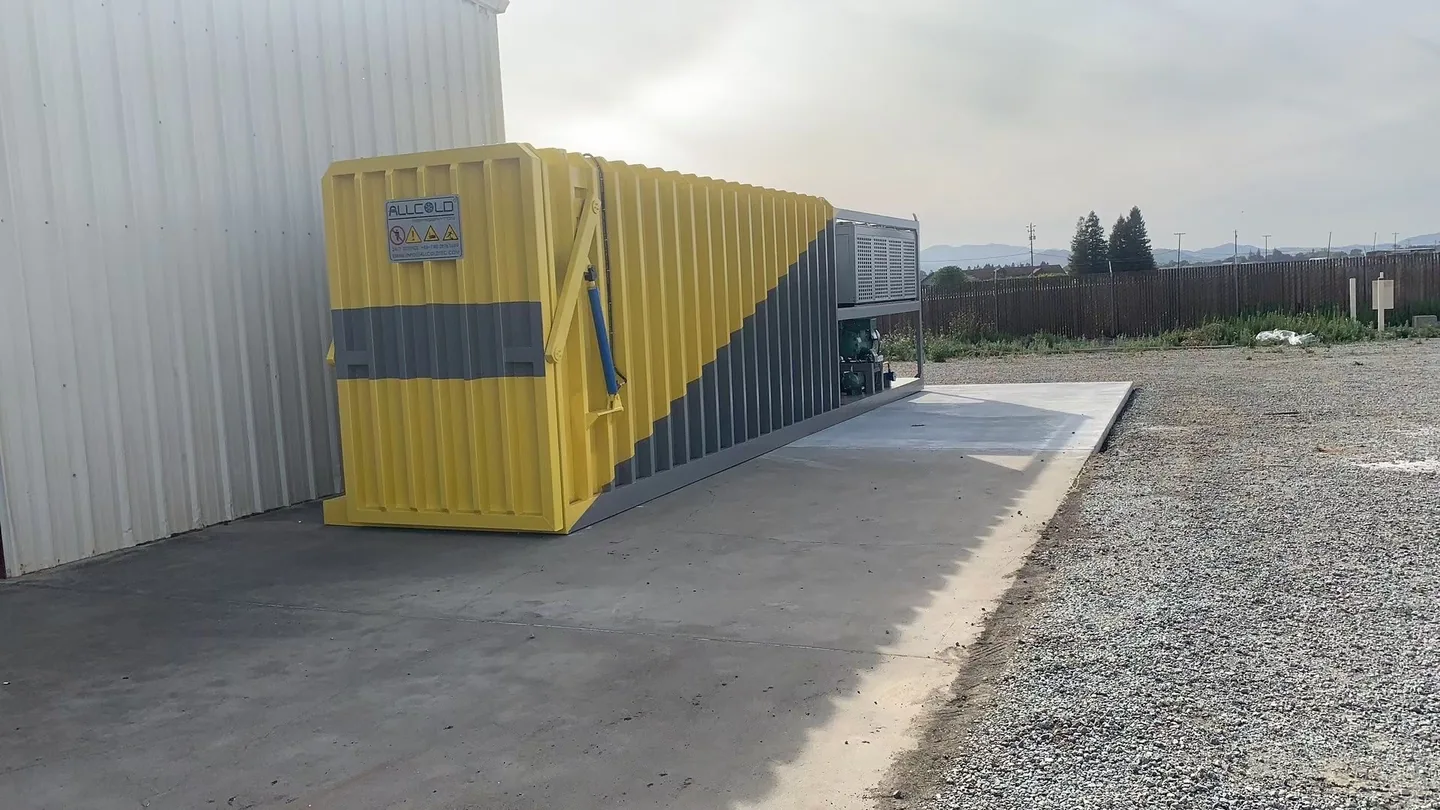
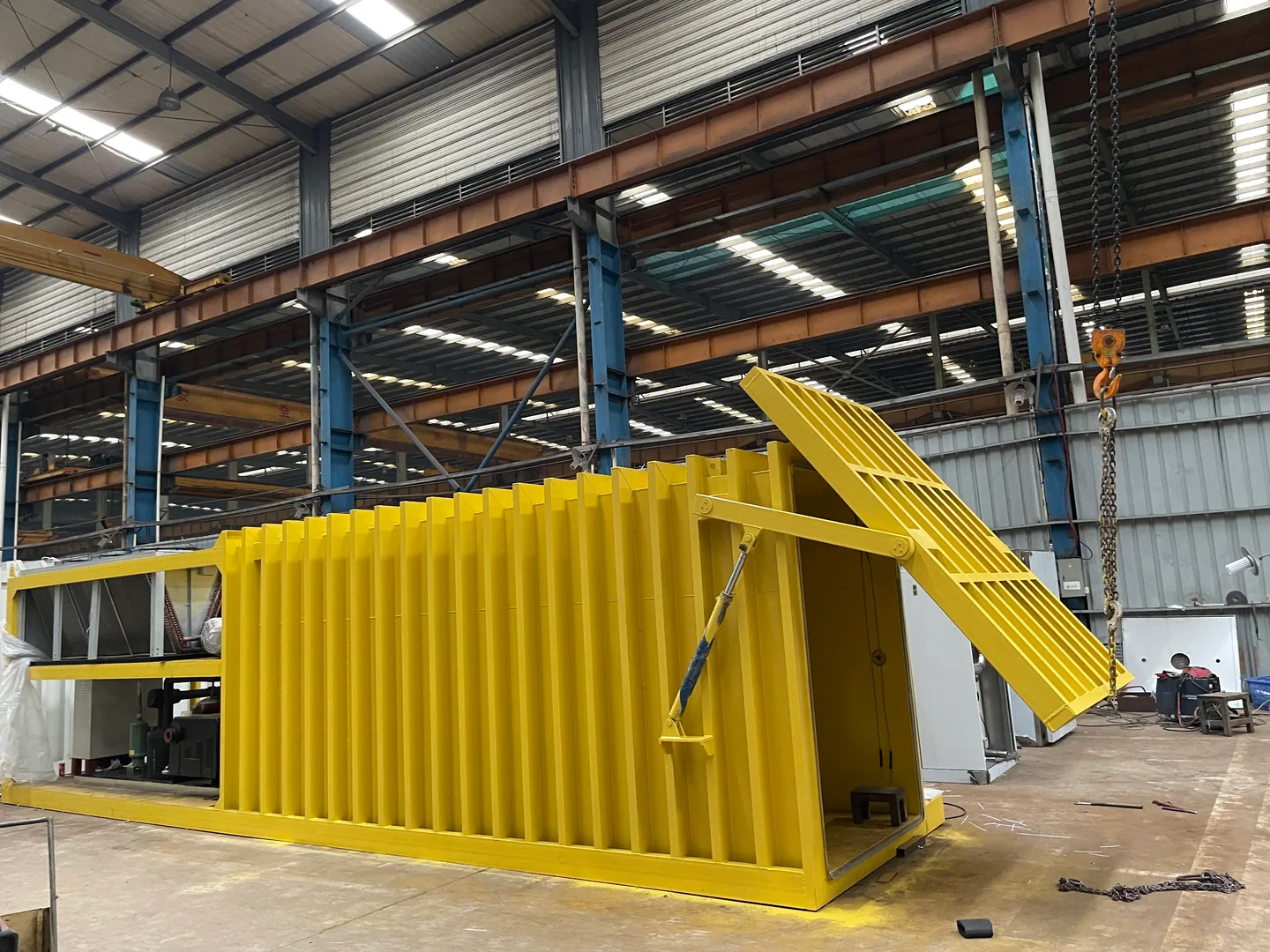
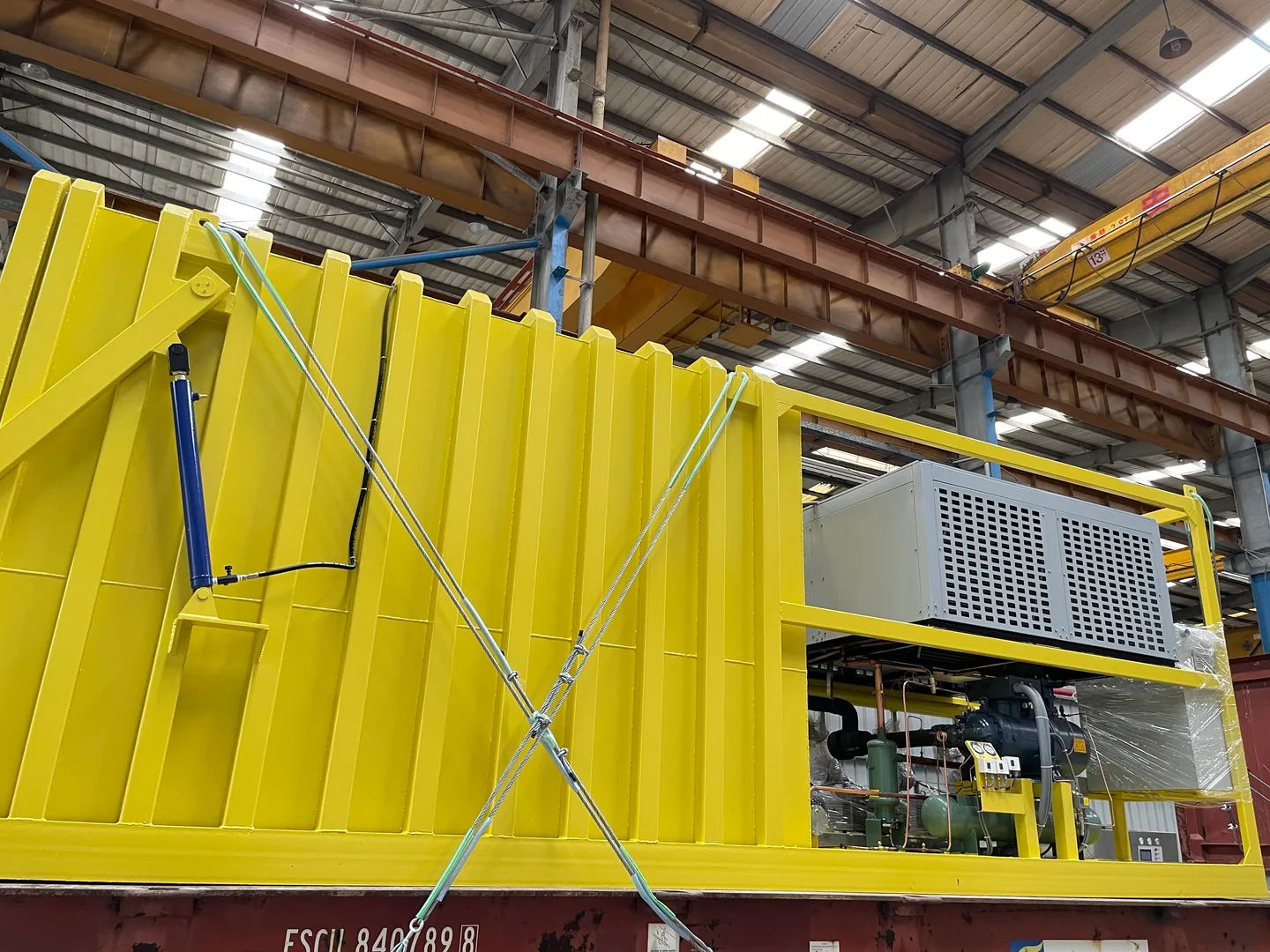
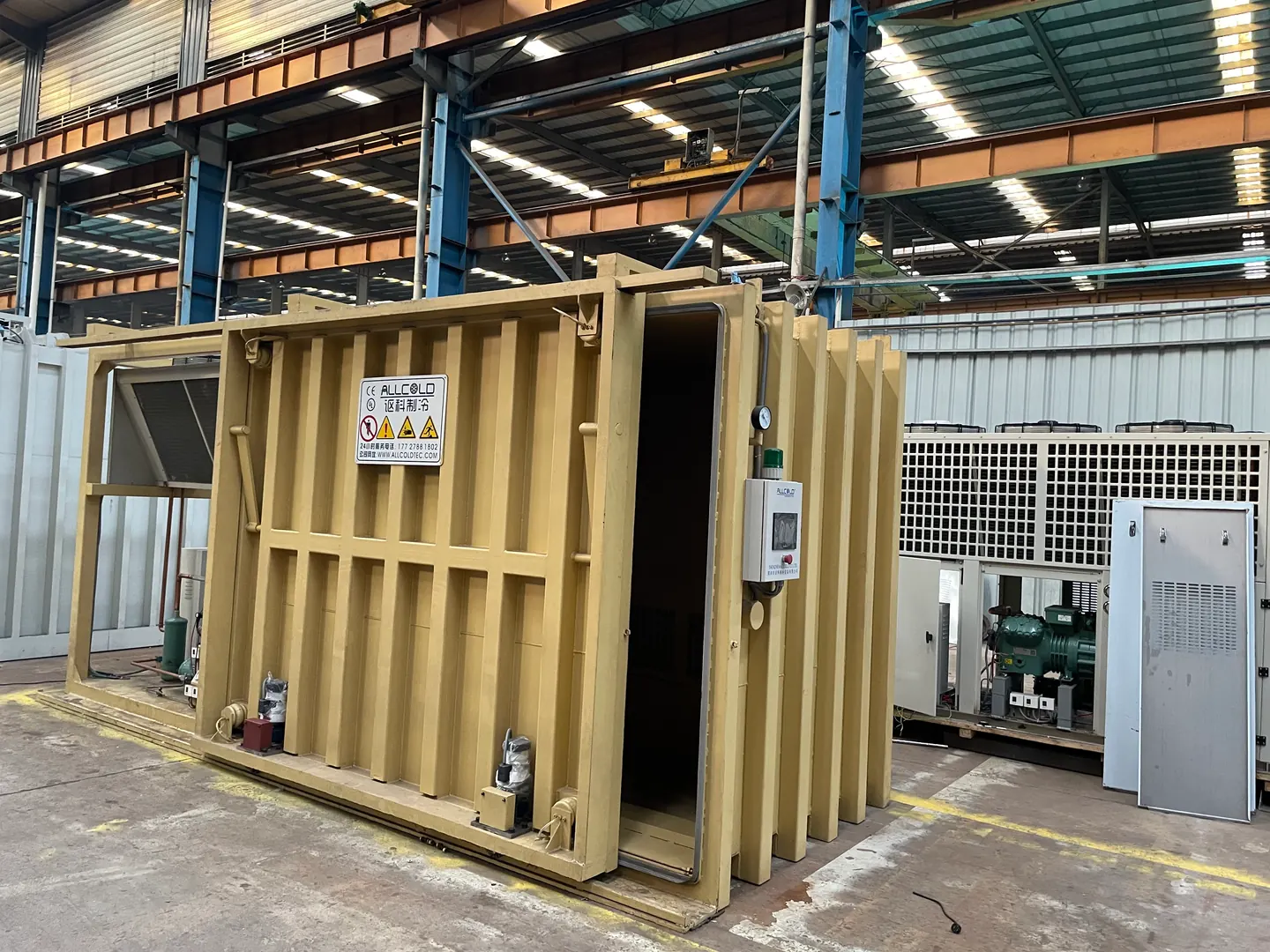
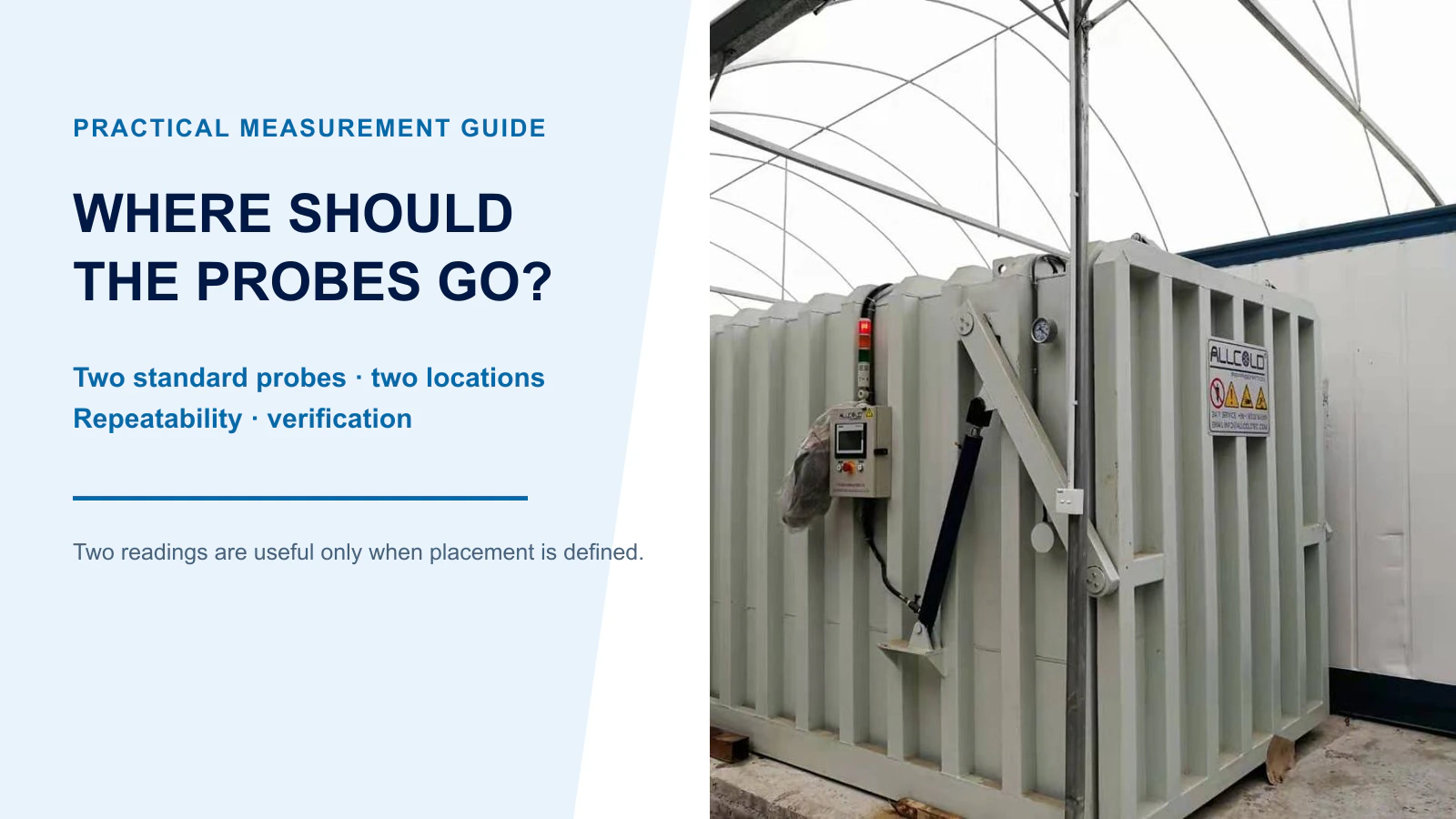
A freshly painted chamber tells you very little about how the condenser, electrical cabinet and exposed fittings will be protected from salt air. Put those details in the quotation before comparing prices.
Imagine receiving two vacuum cooler quotations for a coastal packhouse. Both describe the machine as suitable for outdoor installation. One mentions an anti-corrosion finish; the other offers a coated condenser. Are they offering the same protection? Not necessarily—and choosing by the better-looking machine will not resolve the difference.
The useful question is not simply “Can this vacuum cooler work near the sea?” It is: “Which parts are protected for our actual exposure, what evidence supports that protection, and what maintenance will we need to perform?”
Short answer: A coastal vacuum cooler needs a site-specific protection specification, not just a paint colour or an “outdoor” label. Review the chamber exterior and frame, heat-rejection equipment, and electrical enclosure separately. Ask the supplier to identify the proposed materials, protective treatments, supporting documentation and maintenance requirements for the quoted configuration.
1. Describe the site, not just the distance from the sea
Distance is useful context, but it is not a complete exposure assessment. Danfoss’s heat-exchanger guidance identifies salt transport, wind, humidity and wet/dry conditions as relevant influences on corrosion. A sheltered location and a wind-exposed location should not automatically receive the same specification merely because they share a postcode.[1]
Make the site easy to understand. Send photographs facing towards the sea and towards the proposed equipment position. Mark the condenser location separately from the loading door. Note whether the machine will remain there all year, operate only during harvest, or stand idle through a wet season.
Also disclose nearby chemical storage, fertilizer handling and routine washdown. These are reasons to ask for an application review, not to assign your own corrosion category. Photographs of deterioration on existing nearby equipment can help start the conversation; they are not a laboratory measurement.
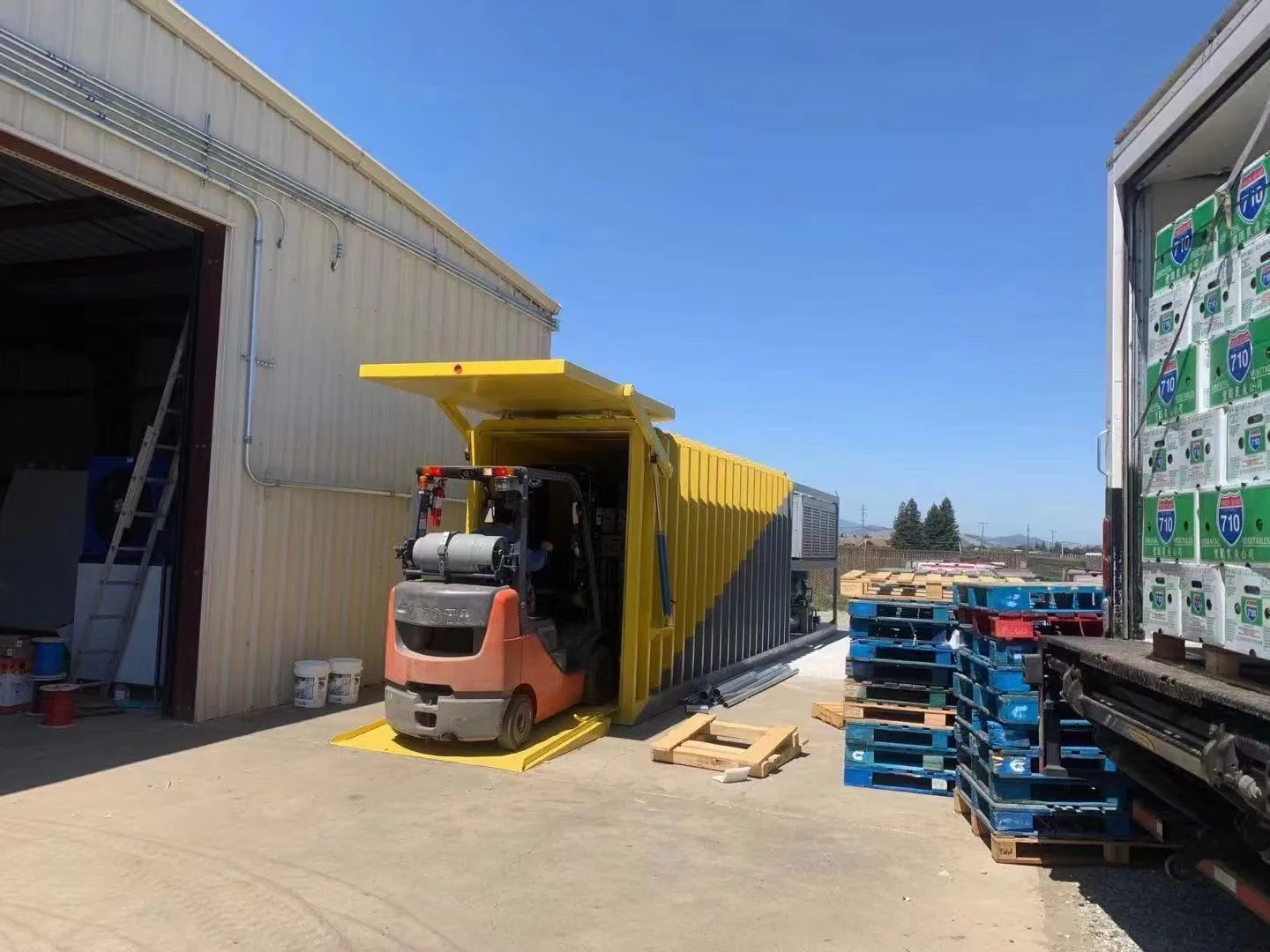
For drainage, foundations and general weather protection, use the broader outdoor vacuum cooler site-planning guide. The additional coastal task is to turn the exposure information into an itemized protection scope.
2. Compare protection by component—not by machine colour
Ask each supplier to complete the same schedule. This makes omissions easier to spot than comparing phrases such as “heavy-duty paint” or “marine protection.” The following is a purchasing checklist, not a statement of standard Allcold equipment.
| Part of the system | Request in writing | Do not assume |
|---|---|---|
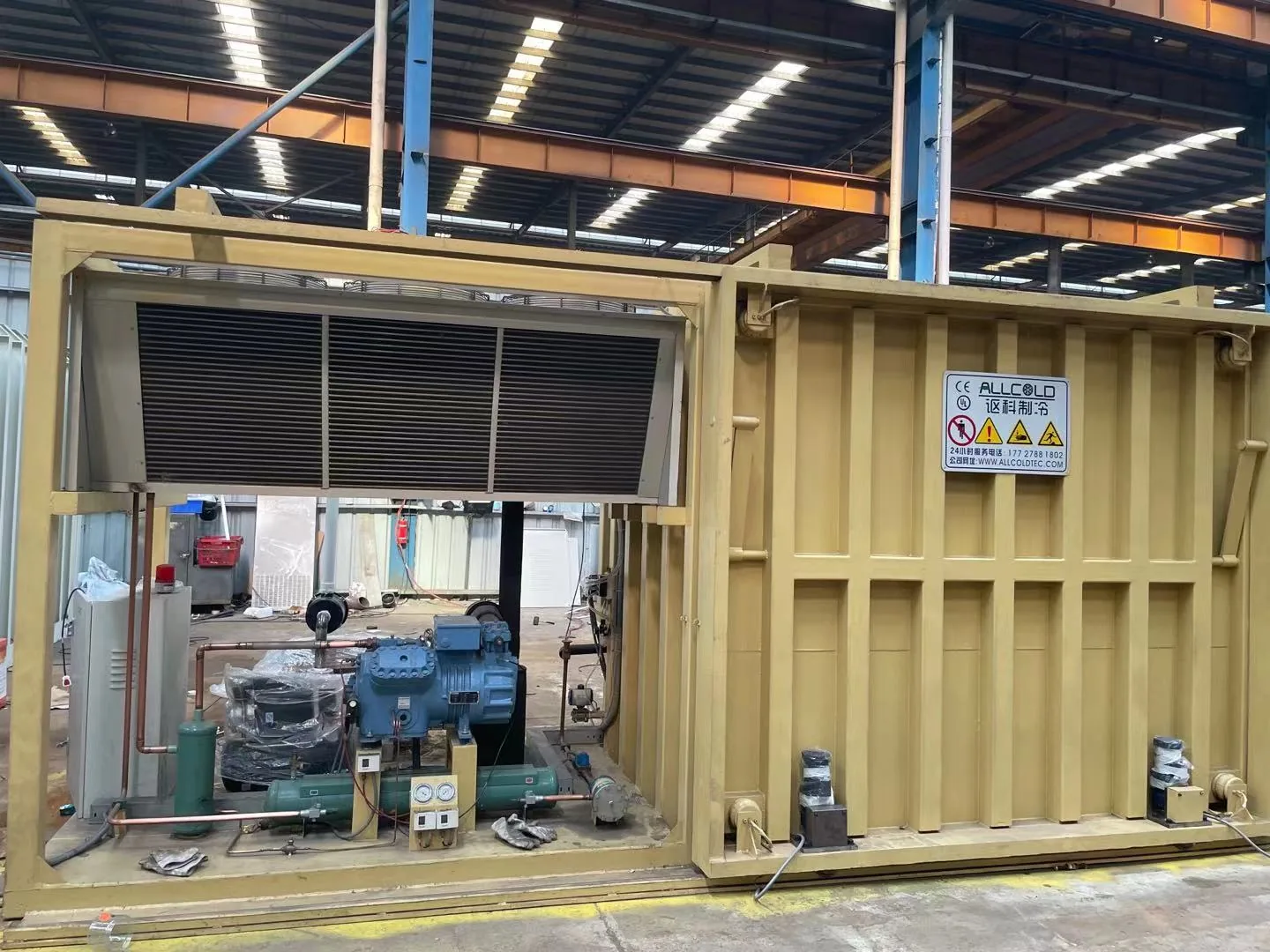
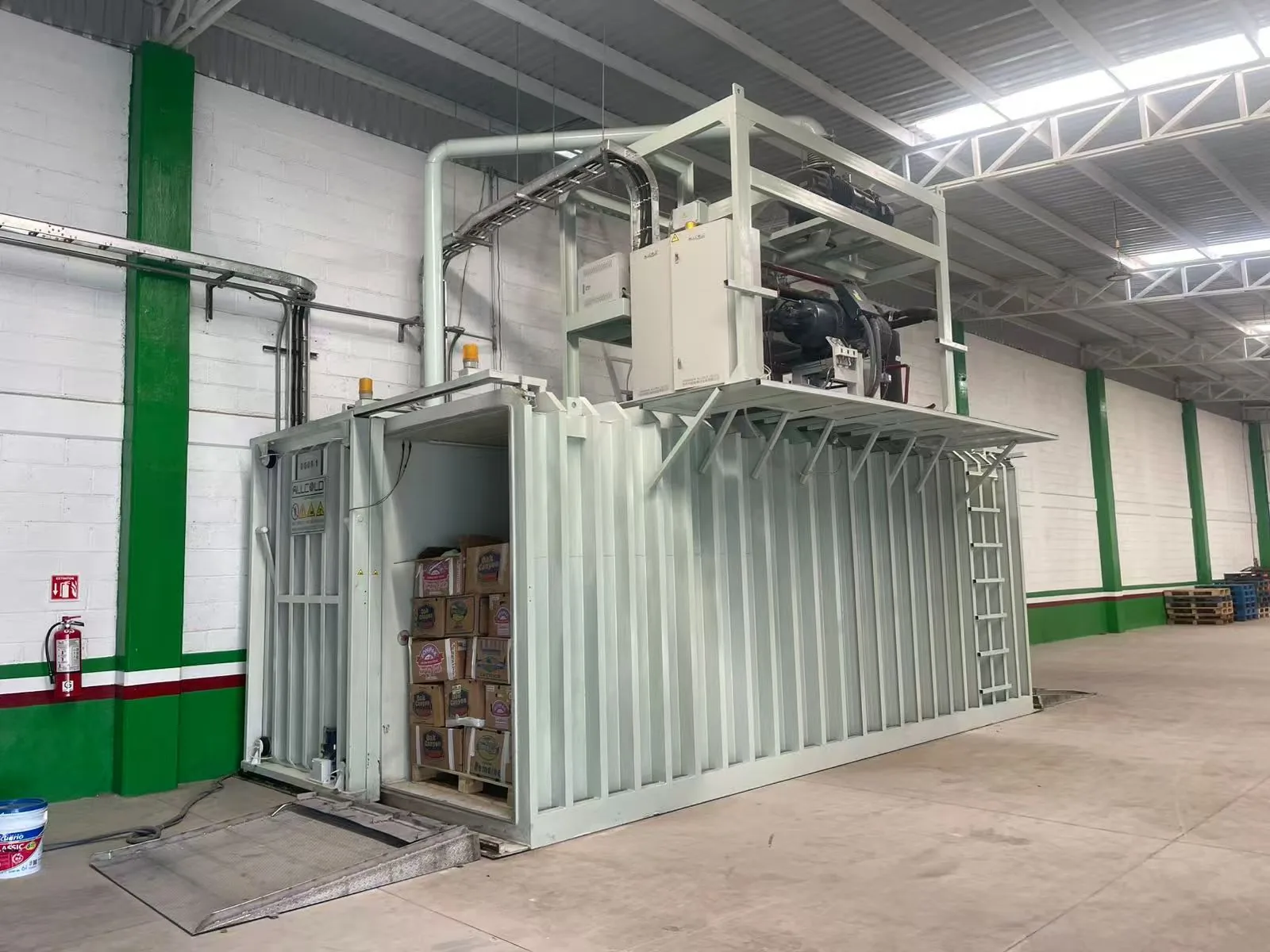
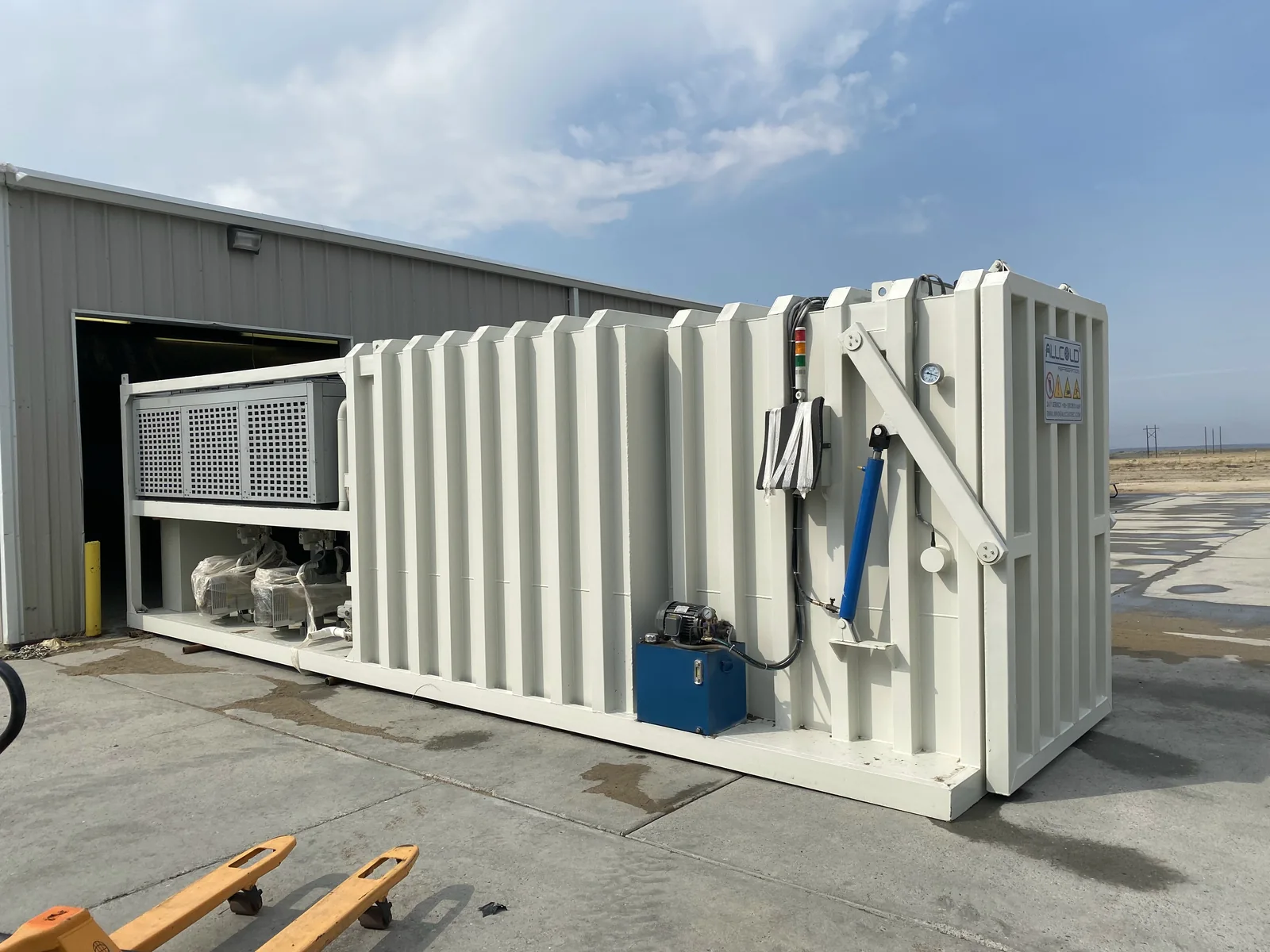
| Chamber exterior and support frame | Base material, surface preparation, protective finish, treatment of exposed edges and permitted touch-up procedure. | A visible topcoat describes the entire protection system. |
| Condenser coil and fan assembly | Coil construction, proposed treatment, manufacturer approval, coverage and cleaning instructions; review fan hardware separately. | Painting the outer casing protects the heat exchanger inside. |
| Electrical cabinet and external connections | Enclosure material and rating, corrosion suitability, cable-entry details, internal environmental control and service access. | A dust/water ingress rating answers every salt-air question. |
| Fasteners, supports and exposed accessories | What is included, what remains untreated and how replacement parts will preserve the agreed specification. | Small external items are covered by a chamber coating claim. |
| Separate heat-rejection equipment, where fitted | Who supplies it and who specifies its environmental protection, water requirements and maintenance. | A remote cooling tower or evaporative condenser is automatically within the machine supplier’s scope. |
Keep external corrosion protection distinct from the chamber’s internal cleaning requirements. One material or finish should not be prescribed for every surface simply to make the quotation look consistent.
3. Treat condenser protection as a separate purchase item
Start by identifying the heat-rejection arrangement. An air-cooled condenser, a water-cooled system with separate cooling equipment, and an evaporative condenser do not present the same list of exposed components. Moving heat rejection elsewhere changes the review; it does not remove the need for one. See the comparison of air-cooled, water-cooled and evaporative configurations.
For a proposed coated coil, request its model, treatment specification and approval from the relevant manufacturer. Danfoss’s microchannel guidance illustrates why preparation and coating coverage matter, and why protection must be compatible with the particular heat exchanger. This is a component-specific example, not evidence that an Allcold quotation includes Danfoss coils.[1]
Ask the quotation to confirm cooling duty with the selected configuration, rather than relying on performance data for an unspecified alternative. If protection is described as an option, obtain the price and lead-time effect before selecting the final machine.
Do not plan to solve an unclear factory specification by applying an unspecified spray after delivery. Request the approved treatment and repair route for the actual coil. Keep coating work on a chamber panel separate from work on a heat exchanger.
4. Check what the electrical enclosure rating actually covers
An IP designation describes protection against solid objects and water ingress; it is not, by itself, a coastal corrosion specification. Siemens’s enclosure bulletin distinguishes those ratings from enclosure types with additional corrosion-resistance provisions, including Type 4X. These labels should not be treated as interchangeable certifications.[2]
This does not mean every coastal vacuum cooler must have the same enclosure type. Ask the electrical designer to select a suitable arrangement for the actual location and applicable requirements. Then ask whether the proposal covers the complete cabinet assembly, including door fittings, cable entries and any ventilation or cooling equipment.
Request a practical explanation of how the cabinet will manage internal temperature and condensation. A phrase such as “fully sealed” should lead to a design discussion, not end it. Confirm where technicians will stand to open the cabinet and whether that service position remains exposed to rain or spray.
5. Salt-spray hours are not years of service
A salt-spray test can provide useful coating-quality evidence. However, ISO 9227 does not turn laboratory exposure hours into a prediction of long-term corrosion resistance. Its public abstract also makes clear that product-specific exposure periods and interpretation of results are outside the basic procedure’s scope.[3]
When a quotation advertises a test-hour figure, request the report and check:
- What was tested: a prepared sample, a coated component or an assembly?
- Does the tested material and coating system match the proposed item?
- Which method, exposure duration and acceptance criteria were used?
- Who issued the report, and what were the recorded results?
A report for one coated panel is not evidence for every component on a complete vacuum cooler. Nor should twice the advertised test duration be read as twice the service life. Use the evidence to clarify the purchase specification, not to calculate a replacement date.
6. Make the protection maintainable after installation
Protective treatment does not eliminate upkeep. Danfoss’s guidance notes that coated heat exchangers still need maintenance and that coating damage can compromise protection.[1] Before ordering, ask for the actual component manuals and identify who will perform the required work.
Walk through a normal service visit on the proposed layout. Can the technician reach the coil face and exposed lower frame? Is there room to inspect the rear of the unit? Where will permitted cleaning water drain? Does a proposed screen or canopy need review for condenser airflow and service clearance?
Do not adopt a universal rinse interval or cleaning chemical from a generic buying guide. Have the supplier specify the permitted water quality, products, method and inspection schedule for the supplied materials and local exposure. Electrical isolation and access should follow the equipment instructions and qualified service procedures.
Finally, agree on how damage discovered during unloading or later handling will be reported and repaired. Keep the approved repair instructions with the machine documents, so a future maintenance contractor does not have to guess.
Copy this coastal-site brief into your enquiry
“We are selecting a vacuum cooler for the following coastal installation. Please identify the proposed protection by component and clearly list any exclusions.”
- Duty: produce type, pallet arrangement, batch load, operating hours and harvest season.
- Location: site address, approximate coastal distance, photographs, exposed wind direction and indoor/outdoor arrangement.
- Environment: known salt spray, humidity, washing practices, nearby chemicals and available water information.
- Equipment scope: chamber/frame, heat-rejection equipment, cabinet, external accessories and separately supplied items.
- Supplier response: proposed materials/treatments, relevant evidence, maintenance instructions, repair route, exclusions and warranty conditions.
Frequently asked questions
Should I specify a fully stainless-steel vacuum cooler?
Do not start with a blanket material request. Ask for a component-level proposal first. A chamber material choice does not establish the condenser construction or electrical protection. Compare the documented scope for your application, rather than treating one material name as a complete solution.
Does installing the machine indoors remove the coastal issue?
It changes the exposure assessment, but the supplier still needs to know about open doors, ventilation and separately located outdoor equipment. Share the actual arrangement instead of using “indoors” as the only site description.
Is an anti-corrosion package standard on Allcold machines?
This guide does not establish a universal package or certification. Protection requirements and available provisions must be confirmed for the specific quoted machine. Do not infer a coating grade, enclosure rating or service-life promise from a product photograph.
Planning a coastal produce-cooling project?
Start with the Allcold fresh-produce vacuum cooler range, then send your duty and site brief. Ask for the proposed configuration and protection scope to be confirmed before placing the order.
Sources and technical references
These sources support the general distinctions above. They do not certify an Allcold machine or confirm the components in an individual quotation.
- Danfoss: MicroChannel Heat Exchangers—Corrosive Environments, Selection Guide for Alloys and Coatings, October 2025. Component-specific guidance on exposure, coating and maintenance. ↩ 1 ↩ 2 ↩ 3
- Siemens: Enclosure Ratings and Their Applications, technical bulletin 155-756, 2018. Used for the distinction between ingress ratings and corrosion-related enclosure provisions, not as a current product selection schedule. ↩
- ISO 9227:2022—Corrosion Tests in Artificial Atmospheres: Salt Spray Tests, public abstract. Used for the scope and limitations of salt-spray testing; no claim of access to the full paid standard. ↩