ALLCOLD · COLD-CLIMATE EQUIPMENT PLANNING
The first question is not simply how cold your country gets. It is what happens to each part of the cooling system when production—and possibly the heating—stops.
Picture a food factory that stays warm during the working day. The vacuum chamber is indoors, but its proposed chiller sits outside. At the end of Friday’s shift, production stops and the building heating is reduced. By Monday morning, the installation faces a different set of conditions from those used to discuss cooling capacity.
This is a planning example, not a reported Allcold incident. It exposes a useful purchasing question: does the quotation cover the machine’s winter downtime as clearly as its production duty?
A vacuum cooler can be considered for a cold-climate project when its configuration and site arrangements are suitable. However, low-temperature operation, protection while idle, loss of power and restart after a cold shutdown are separate requirements. An outdoor enclosure or an antifreeze-filled circuit does not, by itself, establish all four.
Allcold brings application-based equipment selection, custom loading arrangements and project-specific layout discussion to this process. See how these capabilities help you plan the installation alongside its winter requirements.
Resolve these three points before ordering
- Give temperatures by location and operating state. Describe the chamber room, machinery area, outdoor equipment and connecting routes—not just the nearest city’s winter average.
- Ask which protection depends on power. Separate measures that work during normal standby from those available during a site outage.
- Request a written winter operating plan. It should identify the applicable limits, site responsibilities and conditions required before restarting.
1. Specify four winter states, not one temperature
“Suitable for winter” is difficult to compare between quotations. One supplier may mean the equipment can operate at a stated ambient temperature; another may be describing storage after a prescribed shutdown procedure. Ask both to answer the same four questions.
| State | Information to provide | Confirmation to request |
|---|---|---|
| Running | Minimum ambient at each unit while cooling, product duty and available utilities. | Approved operating range and any limits on the agreed cooling duty. |
| Idle with power available | Overnight or weekend stop duration, building-heating schedule and equipment left energised. | Required standby conditions and which protective functions remain active. |
| Unpowered or heating unavailable | Exposure during an outage or planned electrical isolation, including unattended periods. | Which protection remains effective and what preparation or response is required. |
| Restart after cold exposure | Expected temperature at restart and how long equipment may have been idle. | Required checks, conditioning and authorisation before returning to production. |
Do not use a storage limit as permission to start the machine at that temperature. Likewise, a permitted running condition does not automatically describe what the system can tolerate when its pumps, heaters or controls are unavailable.
For a seasonal operation, include the longest shutdown, not only a normal weekend. A machine that runs during the harvest season still needs a plan for the months when no one is loading it.
2. Check every exposed circuit—not only the chamber
Mark heated, unheated and outdoor areas on the layout. Then follow the connections between them. A chamber in a warm room does not tell the supplier what conditions its remote machinery, supply lines or drains will face.
Start with the actual configuration. Depending on the selected system, the review may need to cover:
- A chiller’s water or glycol circuit and its external pipework.
- Cooling-water services or an evaporative heat-rejection arrangement, if fitted.
- Liquid-ring vacuum-pump service liquid, if that pump technology is used.
- Water supply, spray equipment, condensate collection and drains, where present.
- The vacuum unit, refrigeration equipment, controls and other components with specified ambient limits.
This is a screening list, not a description of every Allcold machine. Ask the supplier to remove non-applicable items and identify any additional exposed parts. Keep the medium and function of each connection clear: refrigerant piping and a circulating glycol loop are not interchangeable.
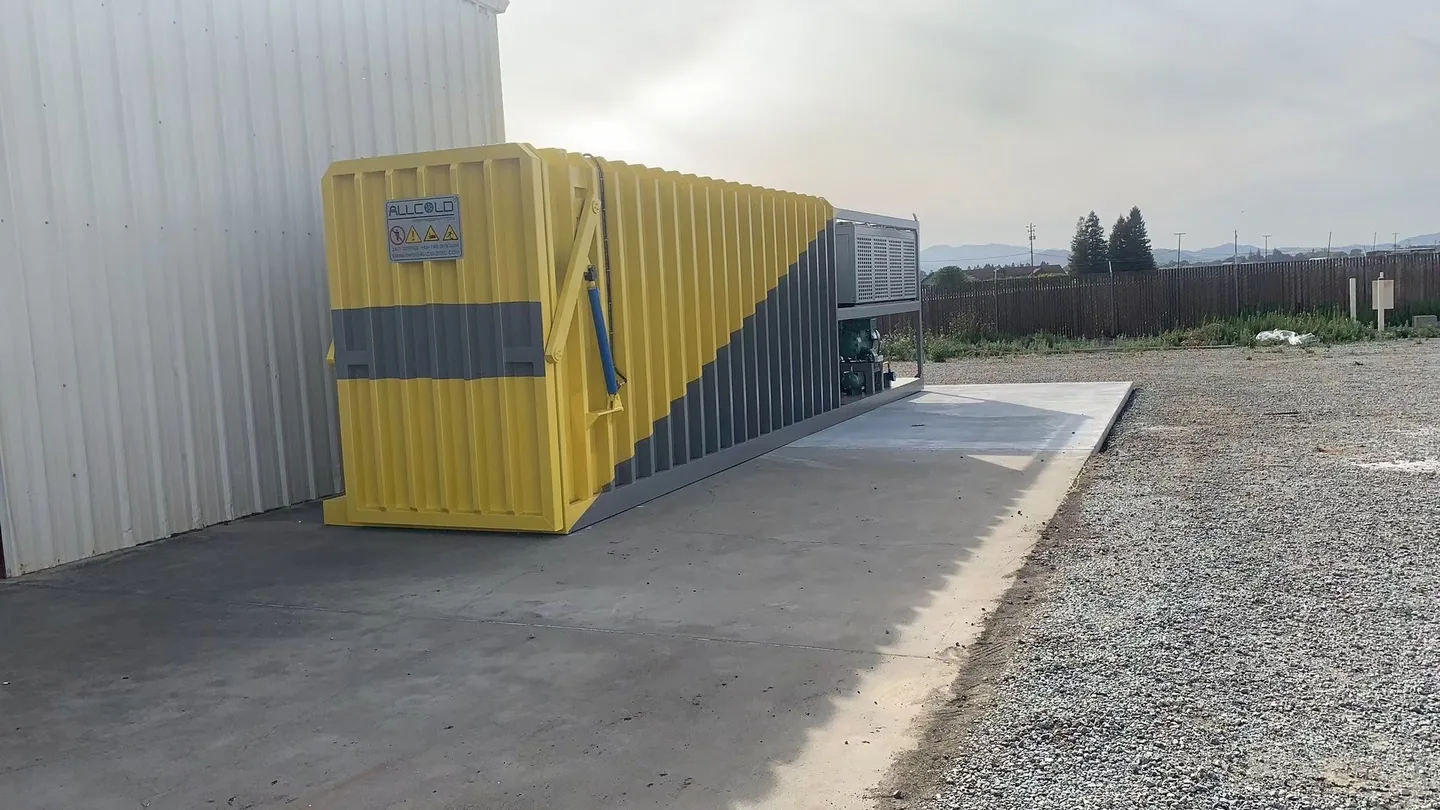
If components occupy different spaces, use the split vacuum-cooler layout guide to prepare the arrangement drawing. For rain, foundation, access and general site exposure, see the outdoor installation guide.
3. Cold-weather operation and freeze protection solve different problems
Cold outdoor air does not automatically make a refrigeration system easier to operate. Copeland’s system-design manual explains that excessively low refrigerant discharge pressure can reduce expansion-device flow and cause unstable operation or reduced capacity.[1] This concerns the refrigeration circuit—not the low pressure deliberately created inside the vacuum chamber.
For purchasing, the implication is straightforward: ask for the low-ambient operating capability of the complete selected configuration. Do not infer it from a compressor brand, an outdoor casing or the fact that the machine has antifreeze in one loop.
Ask the supplier to state whether additional controls or components are needed, what operating limits apply and whether they are included in the price. These are design questions for the selected equipment; the reference above is not an Allcold control-setting guide.
Keep summer duty in the same brief. A winter modification should be reviewed as part of the year-round system, rather than treating the coldest month as the only condition that matters.
4. “It contains glycol” is not a complete protection specification
If the proposed system uses a glycol loop, request the approved fluid identity, concentration basis and protection requirement. “Antifreeze included” leaves too much open: which loop, what mixture and what intended condition?
Dow distinguishes freeze protection, intended to avoid ice formation above the specified freezing point, from burst protection, which may allow an ice/slush mixture and requires equipment able to accommodate expansion.[2] A burst-protection claim is therefore not, by itself, permission to circulate the fluid or run the cooling system at the same temperature.
The distinction also appears in Dow’s DOWFROST HD technical data sheet, which lists separate concentration requirements for the two purposes.[3] Do not copy those concentrations into an Allcold order without checking the selected fluid and equipment requirements. A percentage needs a basis—such as volume or mass—and a defined product.
Ask the supplier to review cooling and circulation performance with the specified mixture at the relevant temperatures. Dow’s fluid-selection tool treats viscosity, heat capacity and pressure drop as design inputs, not just freeze point.[2] Adding more concentrate is not a substitute for that review.
Finally, keep circuits separate. Approval for glycol in a closed cooling loop is not approval to add it to a product-contact spray, another water service or a vacuum pump’s working liquid. Each circuit needs its own compatible, approved arrangement.
5. Agree what happens when the operator presses Stop
A stopped production cycle and a fully isolated installation are different states. The winter plan should say which state is intended for an ordinary overnight stop and which procedure applies to a longer shutdown.
Trane’s CGAX/CXAX manual illustrates why this matters: its pump-and-heater freeze-protection approach depends on electrical supply. The same manual cautions that draining is not automatically complete because water can remain in heat exchangers.[4] These are model-specific instructions, but they identify two important questions for any supplier: what stops working without power, and what liquid remains after the proposed shutdown procedure?
Request a written answer covering:
- Normal standby: required room conditions and any services that must remain available.
- Planned extended shutdown: preparation, inspection and responsibility for carrying out the approved procedure.
- Unexpected outage: who responds, what exposure the design accommodates and when technical support is needed.
- Restart: who checks the system and what conditions must be met before a product batch is loaded.
There is no universal drain-down sequence or safe outage duration for all configurations. Do not improvise one from a different manufacturer’s manual. Maintenance isolation must follow the applicable safe-work procedure; a normal-standby instruction to keep a protective circuit powered is not permission to service energised equipment.
For restart planning, ask whether fluid checks, evidence of leakage, circulation checks, any required warm-up and a supervised initial run belong in the machine-specific procedure. Do not bypass an alarm or protective interlock to recover a delayed production schedule.
6. Send a winter brief the supplier can actually use
A country name is a starting point, not an engineering specification. Include the following with your cooling requirements:
- Production duty: products, batch weight, initial and target temperatures, loading format and working schedule.
- Equipment locations: a sketch identifying heated rooms, unheated spaces, outdoor units and connecting services.
- Seasonal conditions: expected ambient extremes at those locations and how the figures were established.
- Heating and shutdown: overnight/weekend heating policy, longest idle period and whether winter operation is required.
- Power availability: planned isolation, outage expectations and any proposed backup supply.
- Local responsibilities: who supplies site pipework and protection, maintains the system and authorises restart.
Copy into your enquiry: “Please confirm the operating and idle limits for the proposed configuration, identify any cold-climate options and site work, state which protection depends on power, and provide the required shutdown and restart conditions. Please list unresolved items separately.”
7. How Allcold helps turn your winter brief into an equipment plan
Allcold manufactures vacuum cooling systems for fresh produce, bakery and selected cooked-food applications. For a cold-climate buyer, the practical value is being able to discuss the product, loading arrangement and equipment location together before confirming the configuration.
Choose equipment around the product and production flow
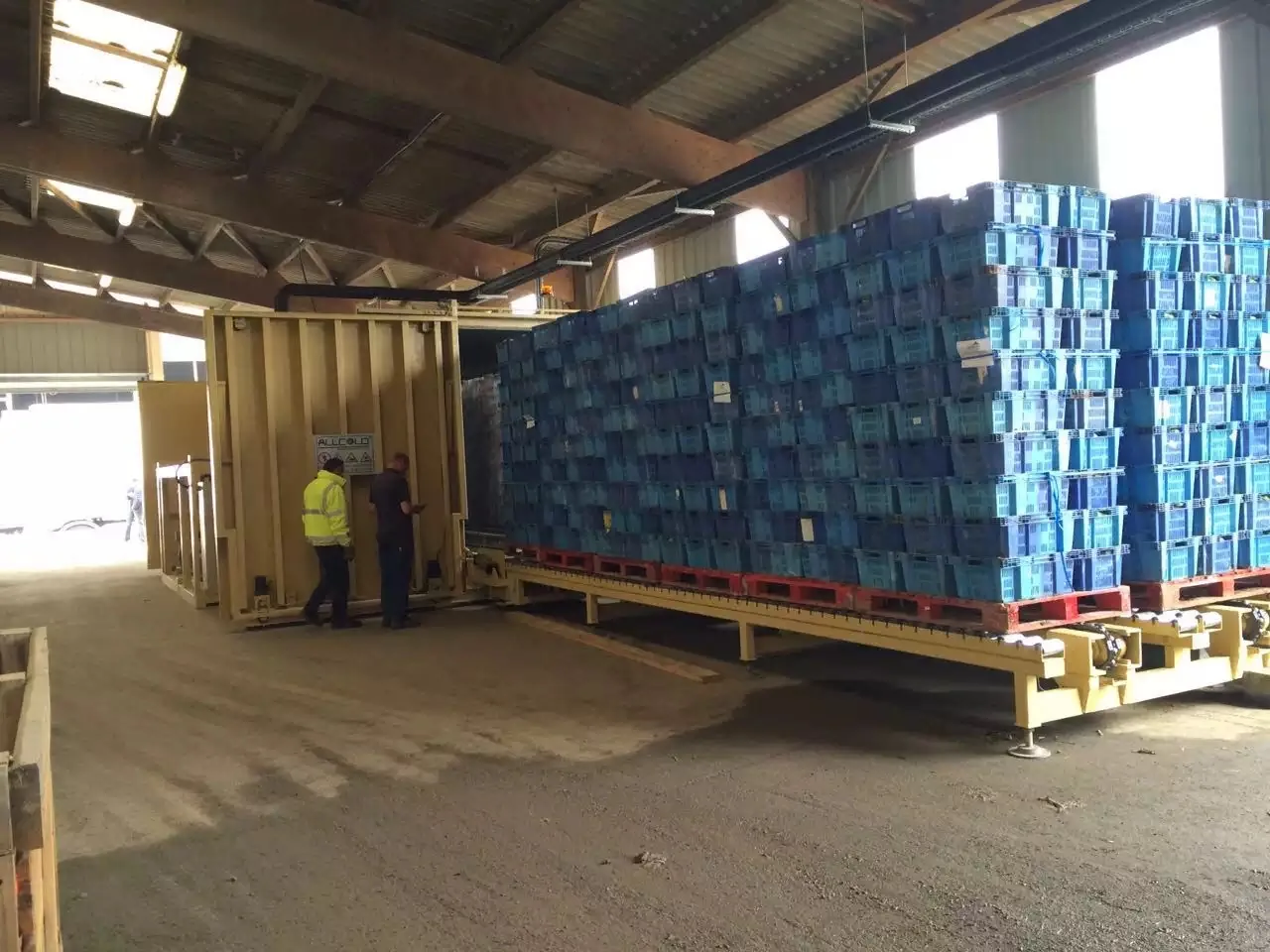
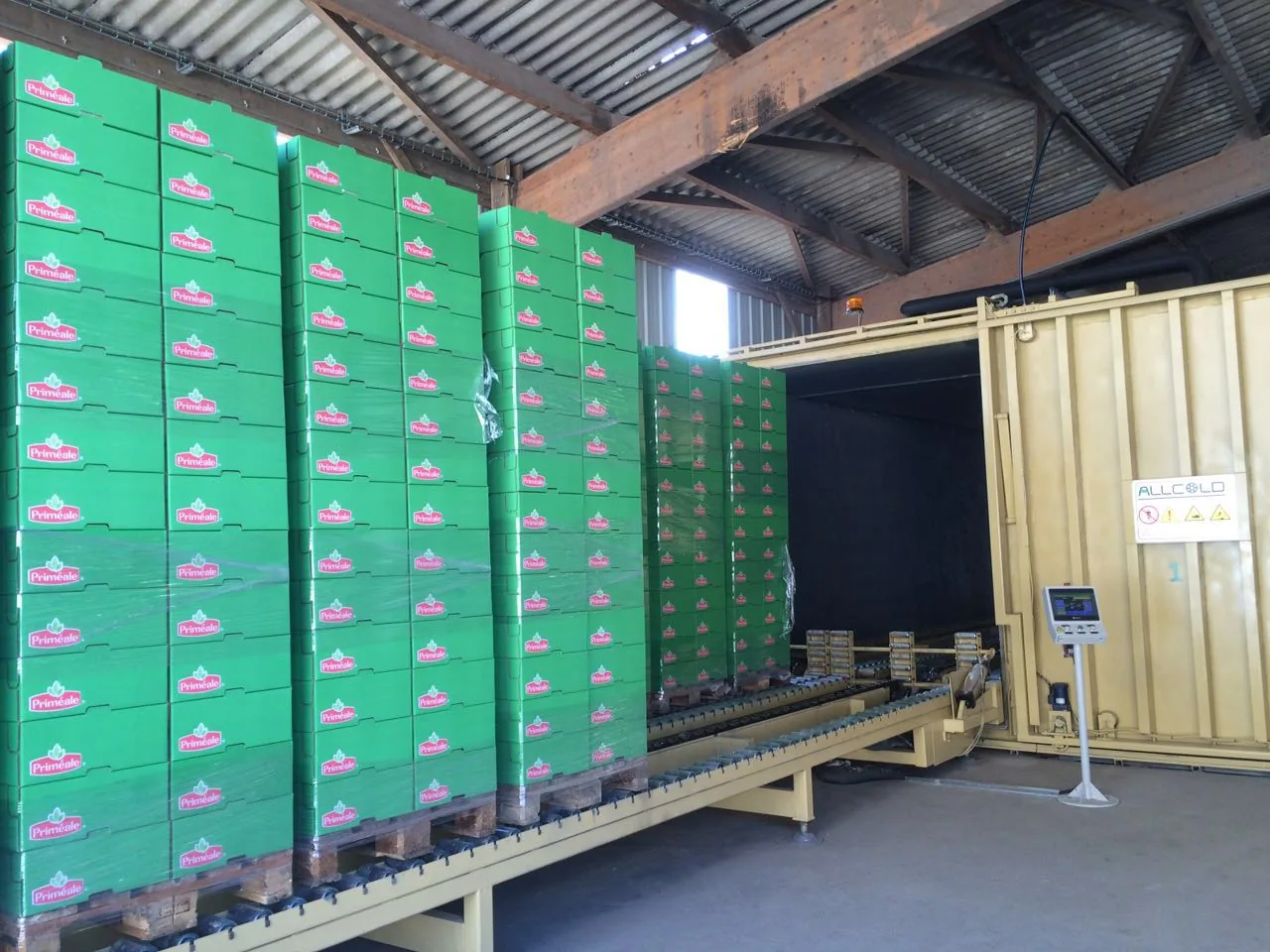
Our fresh-produce systems are selected around the produce, pallet format and batch load. Our bakery and cooked-food systems use application-specific tray, trolley and cooling requirements. This gives you a relevant starting point for the equipment discussion, with winter conditions considered alongside the production duty.
Fit the chamber and loading arrangement to your workflow
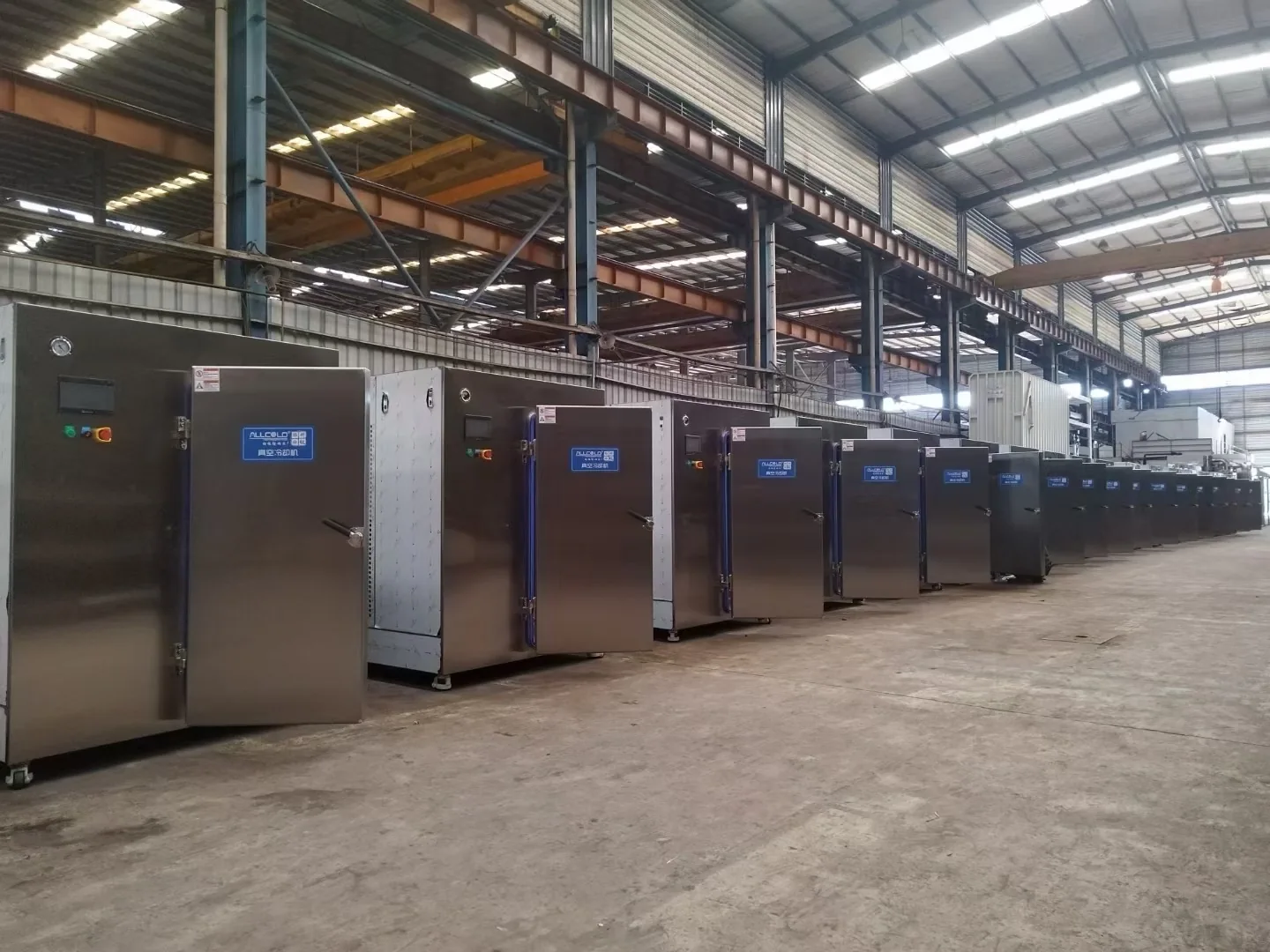
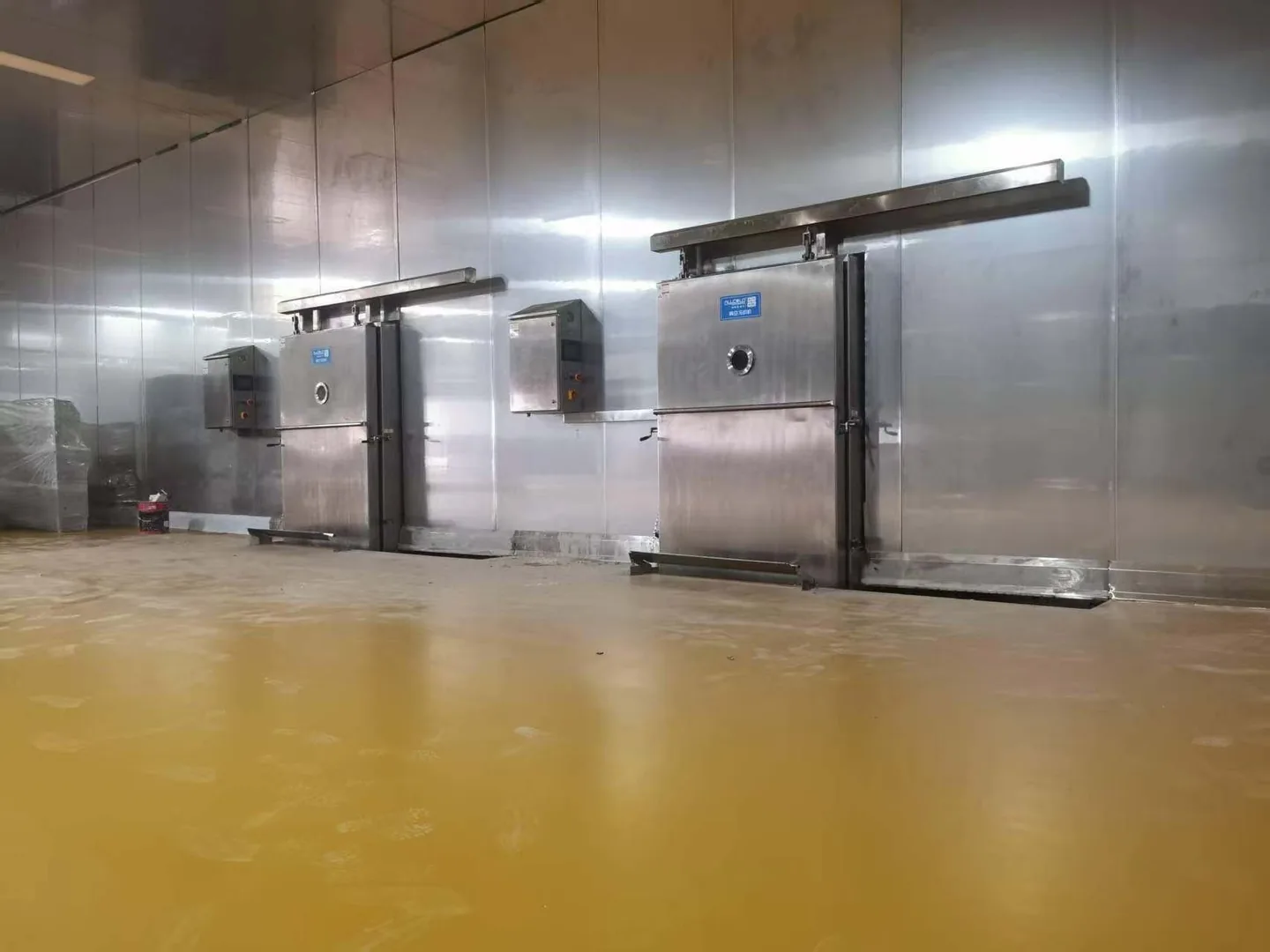
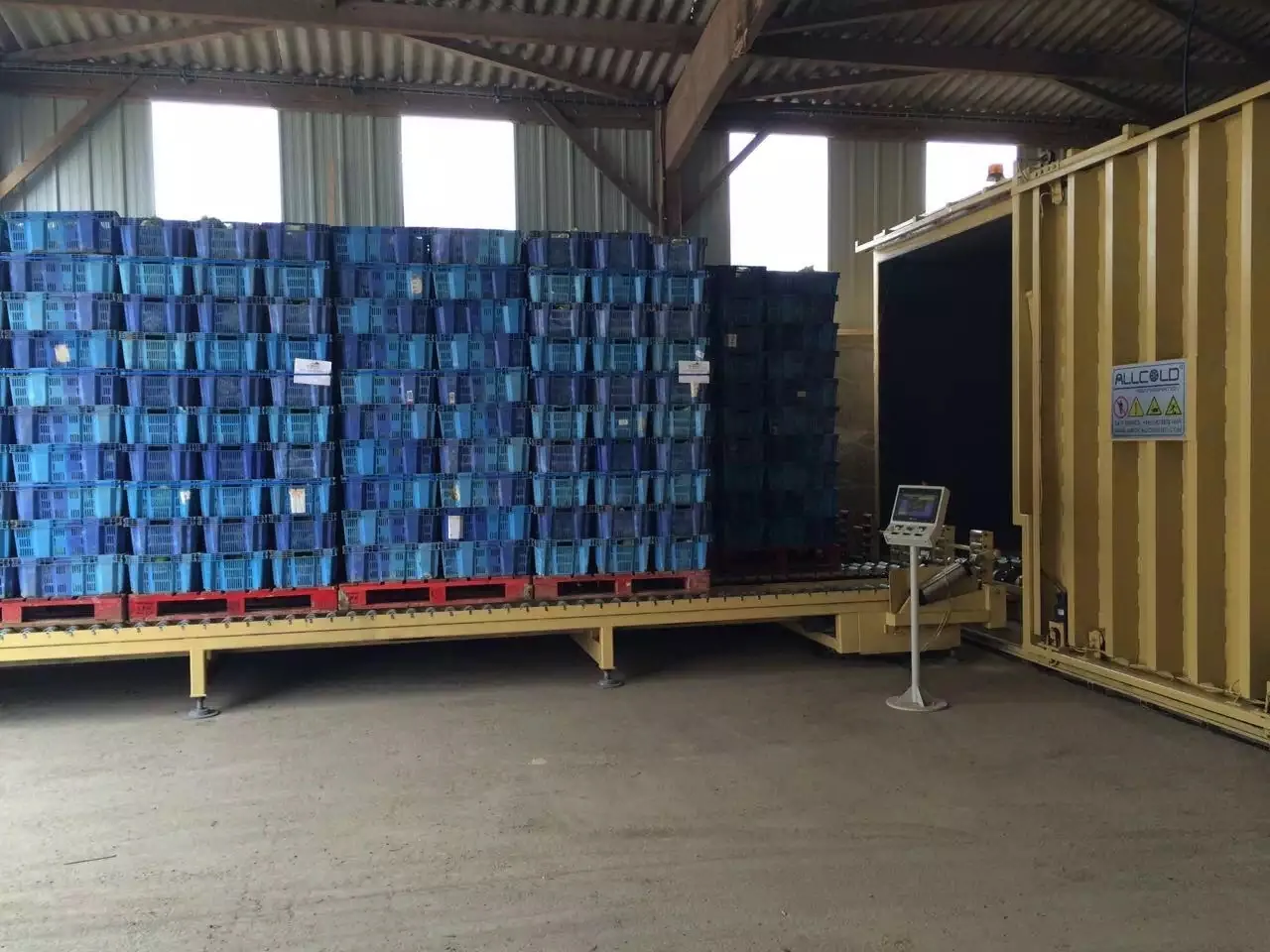
Allcold supports custom chamber dimensions and loading configurations based on loaded pallet or trolley size, product weight and cooling target. Share the full loaded dimensions and access space so the proposal can address how the load enters the chamber as well as how much product needs cooling.
Review where the equipment can go
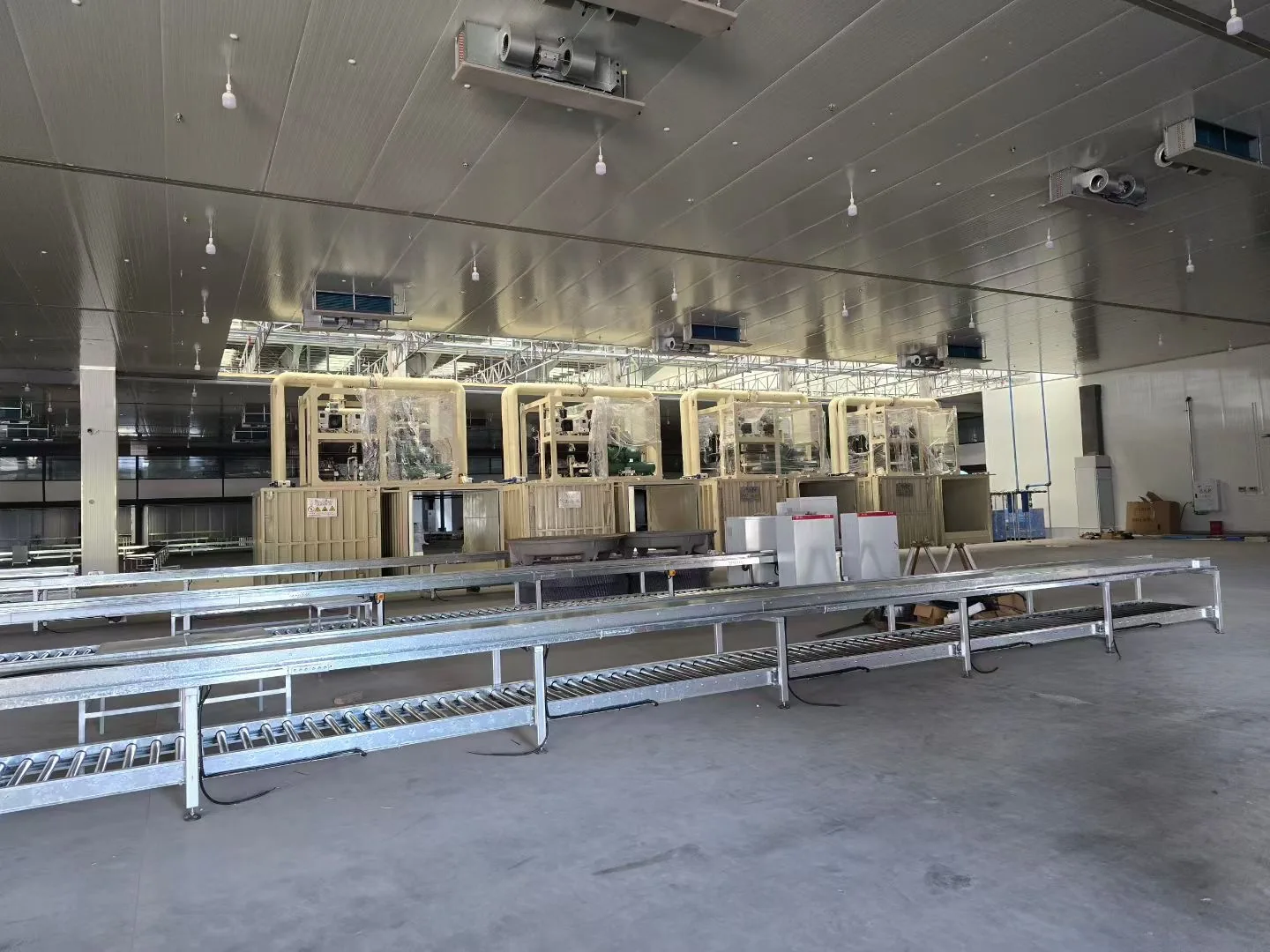
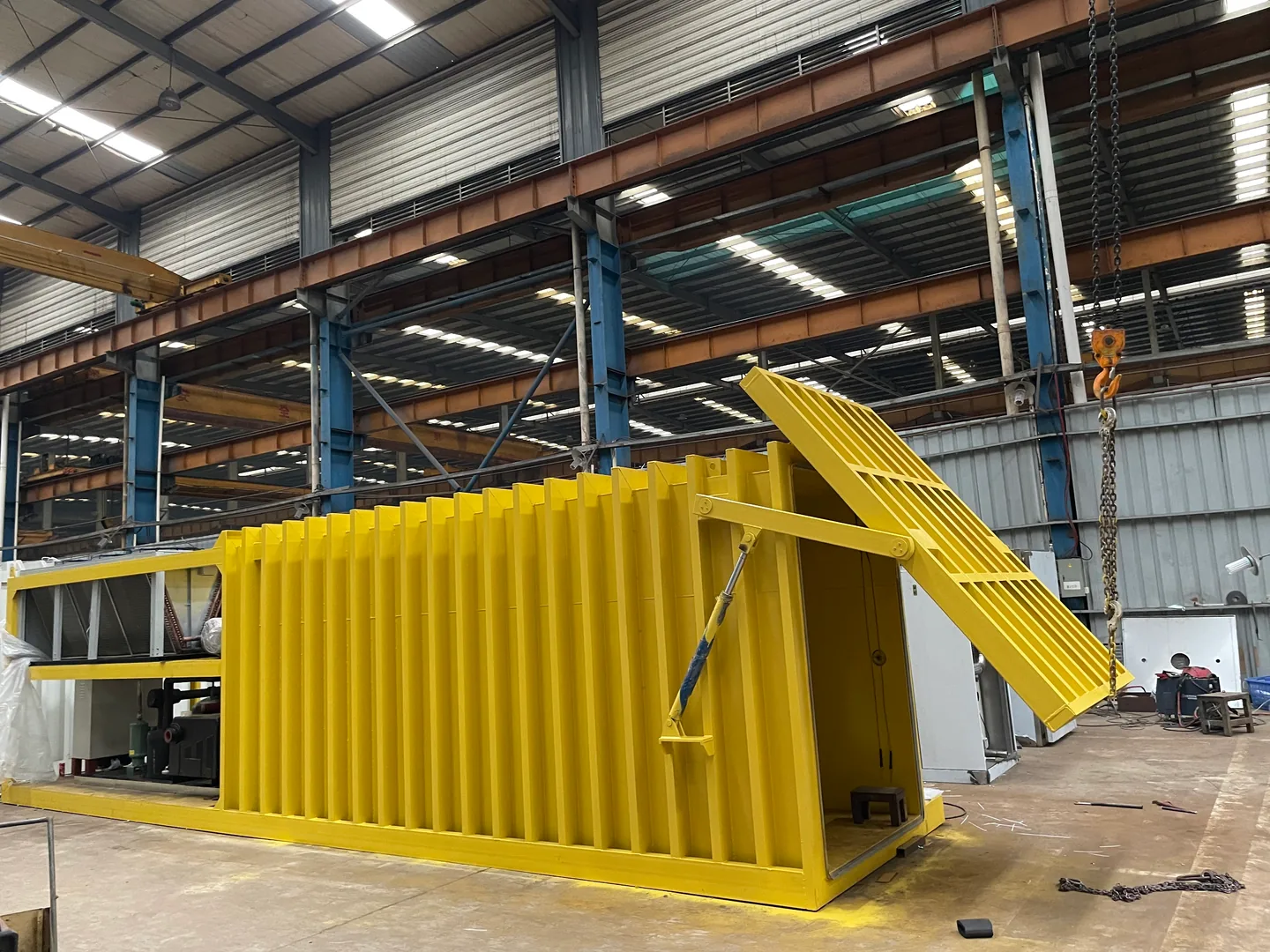
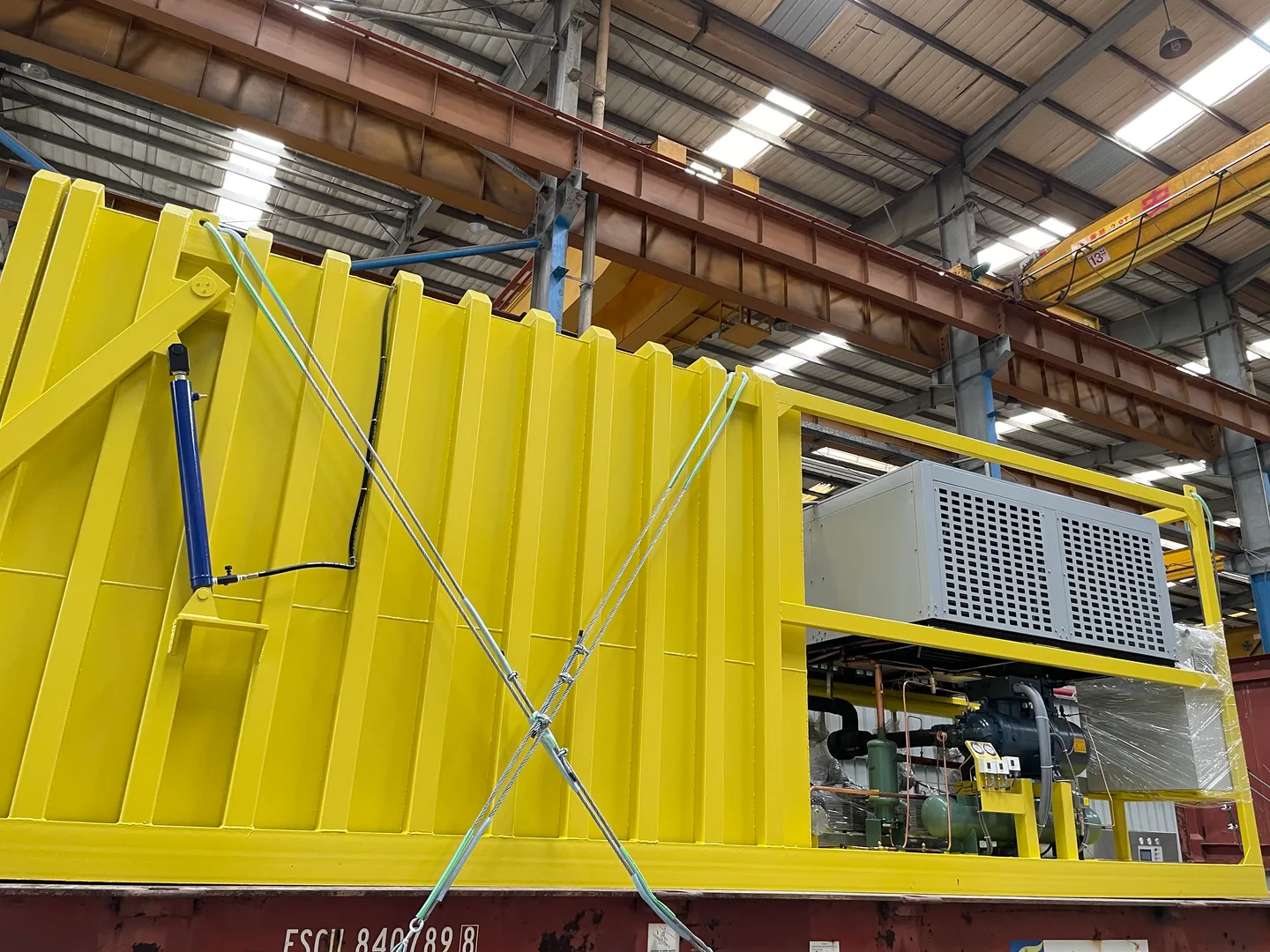
For suitable split configurations, Allcold can assess the positions of the vacuum chamber, vacuum unit and glycol chiller using your layout or site photographs. This helps you explore keeping loading convenient while evaluating the conditions around remote equipment. Pipe routes, distance, height differences and winter exposure still need project-specific engineering confirmation.
Discuss the configuration directly with the manufacturer
Allcold provides factory-based configuration and export-project communication. Bring the production brief and site layout into the same discussion so equipment requirements, proposed options and site responsibilities can be clarified before ordering.
For your winter project: ask us to combine these configuration capabilities with a review of the four operating states above. Minimum ambient limits, freeze-protection provisions and restart requirements must be confirmed for the selected system and site.
8. Common buyer questions
Does installing the chamber indoors remove the winter issue?
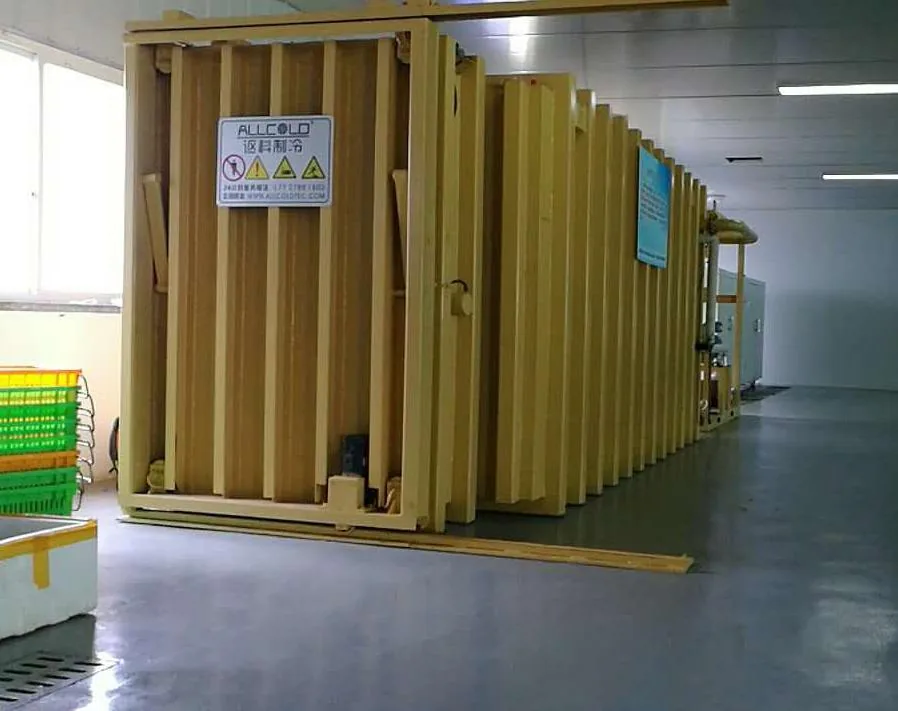
Not necessarily. Confirm whether that room remains heated while idle and whether connected equipment or services pass through colder areas. Review the entire installation.
Is an air-cooled system automatically free of freezing risks?
No. “Air-cooled” identifies a heat-rejection arrangement, not every fluid path in the machine. Check the actual configuration for other liquid circuits and confirm its low-ambient operating limits.
What is the minimum temperature an Allcold vacuum cooler can handle?
A single number would be misleading without the model, configuration, component locations and intended operating state. Request a project-specific limit, with the required options and site conditions written into the specification.
Can I simply turn all power off for the winter?
Only under the approved shutdown procedure for that installation. First establish whether any protective function depends on power and what preparation is required before isolation.
Specify the whole winter—not just the next cooling batch
Send us your product, batch load, loaded pallet or trolley dimensions, site layout and winter schedule. Allcold can discuss the appropriate product range, chamber and loading arrangement, and layout options with you. Ask for the winter-specific requirements and supply responsibilities to be stated in the proposal.
Technical references
These sources support the engineering distinctions above. Their component settings, temperature ratings and fluid recipes are not adopted as Allcold specifications or evidence that a named component is supplied.
- Copeland — Refrigeration Manual, Part 4: System Design, “Low Ambient Head Pressure Control.” ↩
- Dow — FLUIDFILE heat-transfer-fluid tools and definitions, freeze protection, burst protection and fluid properties. ↩ ↩
- Dow — DOWFROST HD Technical Data Sheet, page 2, separate freeze- and burst-protection concentration tables. ↩
- Trane — CGAX/CXAX Installation, Operation and Maintenance, CG-SVX027E-GB, “Freeze Protection” (PDF page 22). Model-specific power-dependence and retained-water cautions. ↩