

Where Should You Buy a Bakery Vacuum Cooler?
You are convinced that a vacuum cooler is the right investment for your bakery. Now you face the next big hurdle: where do you actually buy one? The market is a confusing maze of options, from local equipment dealers to overseas factories on Alibaba.
You worry about making the wrong choice. If you go with a local dealer, are you paying a huge markup for a machine they didn’t even make? If you go directly to a factory, are you risking poor communication, shipping nightmares, and non-existent after-sales support? It’s a major investment, and the fear of making a costly mistake is real.
The best place to buy a bakery vacuum cooler depends on your priorities. Buying directly from a specialized factory offers the best price and customization, while a local dealer provides turnkey service and hands-on support. The key is to understand the pros and cons of each channel.

I talk to bakers and production managers from all over the world every day. This question comes up a lot. There isn’t one single "best" place for everyone. My goal here is not to just sell you my machine, but to give you the framework to decide which purchasing channel is right for your business. Let’s break down the two main paths you can take.
Should You Buy Directly from a Factory?
Your primary goals are getting the most machine for your money and having it tailored to your specific needs. The idea of cutting out the middleman and speaking directly with the people who will build your equipment is very appealing. This is the factory-direct model.
But you have concerns. What if there’s a language barrier? Who will handle the complicated process of international shipping and customs? And what happens if you need technical support from halfway around the world? These are the fears that stop many people from exploring what is often the best value option.
Buying directly from a factory is ideal for buyers who prioritize cost-effectiveness, deep customization, and direct technical communication. A professional factory will have streamlined processes for export, communication, and remote support, mitigating the risks of international purchasing.
The Benefits and Realities of Factory-Direct
When you work with a factory like ours, you gain access that a dealer can’t provide. For a hands-on owner like Carlos, who wants to discuss specific engineering details, speaking directly to our technical team is a huge advantage. We can modify chamber dimensions, adjust door configurations, and integrate the machine into his existing layout.
For a professional buyer like Norman, the price is key. By eliminating the dealer’s commission—which can be 20-40%—the budget can either be saved or reinvested into a higher-specification machine with premium components like a Bitzer compressor1. This value is hard to ignore.
The fear of poor communication is valid, but it’s a problem that professional export-oriented factories have solved. Our sales and engineering teams are proficient in English and are trained to work with international clients. We handle the documentation and work with trusted freight forwarders2 to make shipping a smooth process. And for after-sales service, we use remote access modules3. This allows our engineers to securely log into your machine’s Siemens PLC to diagnose issues and provide real-time support, often solving a problem faster than a local technician could even arrive.
| Aspect | Pros of Buying Factory-Direct | Cons (and How a Good Factory Solves Them) |
|---|---|---|
| Price | Significantly lower cost (no middleman markup). | You handle import duties (We provide all necessary paperwork). |
| Customization | Full control over specifications and design. | Requires clearer initial communication from you. |
| Technical Access | Direct communication with engineers. | Time zone differences (We offer flexible meeting times). |
| After-Sales Service | Expert remote diagnostics and support from the source. | No immediate on-site presence (We ship replacement parts via express air). |
| Transparency | You know exactly what components are used. | You must vet the factory’s reputation yourself. |
When is a Local Dealer the Right Choice?
Perhaps you are not comfortable with international logistics. You value having a single point of contact who can handle everything from purchase to installation, and you want the peace of mind of knowing a local technician is just a phone call away. This is where a local equipment dealer comes in.
The trade-off is clear: you will pay a premium for this service. The dealer has their own costs—showroom, staff, inventory—and needs to make a profit on the sale. You also might have fewer choices, as they typically only represent one or two brands and may not offer deep customization.
A local dealer is the right choice for businesses that want a complete, hands-off, turnkey solution and prioritize immediate, in-person local support above all else. The higher price is exchanged for convenience and reduced logistical effort on your part.

The Value Proposition of a Local Partner
There are valid reasons to choose this path, especially for smaller businesses or those with no experience in importing equipment. The dealer’s primary value is service and convenience.
- Turnkey Solution4: This is their biggest selling point. The price you are quoted usually includes everything: the machine, ocean freight, customs clearance, local delivery, installation, and initial staff training. You sign one contract and write one check, and they handle the rest.
- Immediate On-Site Support5: If a physical component fails or you need hands-on training for new staff, the dealer can dispatch a local technician. For some managers, this physical presence provides a level of comfort that remote support cannot match, even if the problem could have been diagnosed faster remotely.
- Existing Relationship6: You may already purchase ovens, mixers, and other supplies from a trusted local dealer. Adding a vacuum cooler to your order with them can be simple and convenient, leveraging a relationship you have already built.
However, it’s important to be an informed customer. Ask the dealer which factory manufactures the machine. Inquire about the brand of the vacuum pump, compressor, and electrical components. A good dealer will be transparent about this. A procurement manager like Sophia, who is focused on hygiene and certification, should still ask for the original factory’s CE and HACCP documentation7 to ensure the machine itself meets her standards, not just the dealer who sells it.
| Aspect | Pros of Buying from a Local Dealer | Cons to Consider |
|---|---|---|
| Convenience | One-stop-shop for purchase, shipping, and installation. | Significantly higher price due to the added margin. |
| Local Support | On-site technicians for repairs and training. | Local technicians may not be specialists on that specific machine. |
| Simplicity | No need to handle import logistics or payments. | Limited customization options; you get what they stock. |
| Relationship | Leverage an existing relationship with a trusted supplier. | Less transparency into the machine’s origin and components. |
How Can You Verify ANY Supplier is Trustworthy?
Whether you decide to work with a factory like mine or a local dealer, you are making a major capital investment. Before you send a deposit, you must do your homework. Trust should be earned, not given freely.
You’ve found a supplier that looks promising. Their website is professional, and the price seems right. But how do you know they are legitimate and that the machine they deliver will meet your expectations? A slick website can hide a low-quality workshop.
You verify a supplier by demanding proof. Ask for customer references, check for valid certifications, request a live video tour of their facility, and confirm the brands of the key components used in the machine. A trustworthy supplier will welcome this scrutiny.
Your Supplier Vetting Checklist
I encourage all potential clients to put us to the test. These are the same questions you should ask any potential supplier, dealer or factory. A refusal to answer any of these is a major red flag.
- Ask for Customer References8: Request the contact information of 2-3 customers in a non-competing region (like the US or Europe if you’re in Mexico) who have bought a similar machine. Speaking to a real user is the best proof of quality and service.
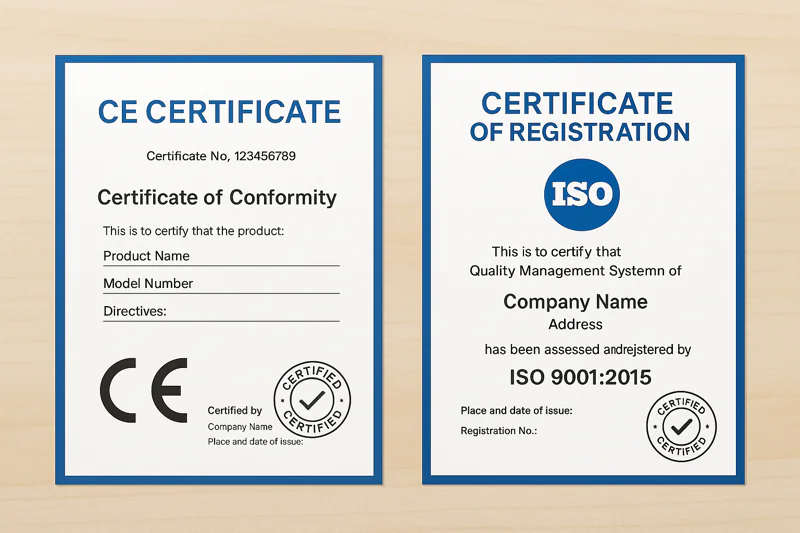
- Demand Certifications9: For sales in Europe, a CE certificate is mandatory. For food production, ask if the machine is built to HACCP principles. Ask for a copy of their ISO 9001 quality management certificate. A serious factory will have these readily available.
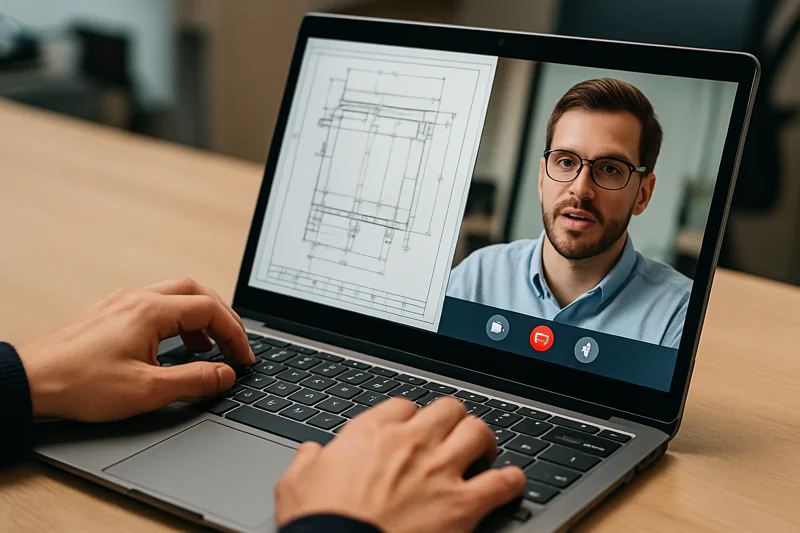
- Request a Live Video Tour10: Ask a sales representative to walk you through their workshop on a live video call. Don’t settle for a pre-recorded marketing video. This allows you to see their production process, their staff at work, and the quality of their facility.
- Confirm Key Component Brands: Get it in writing. What is the brand of the vacuum pump (e.g., Busch, Leybold)? The refrigeration compressor (e.g., Bitzer, Copeland)? The electrical components (e.g., Siemens, Schneider)? This is a direct indicator of the machine’s quality and reliability.
| Verification Step | What to Look For | Red Flag |
|---|---|---|
| 1. Customer References | Willingness to provide contacts of happy clients. | "Our client information is confidential." |
| 2. Certifications | Provides clear, valid copies of CE, ISO, etc. | Vague answers or expired/fake-looking documents. |
| 3. Live Factory Tour | Eager to show you their workshop via video call. | Excuses, or only offering a polished corporate video. |
| 4. Component Specification11 | A clear list of reputable, international brands. | "We use a good quality pump." (without naming the brand). |
Conclusion
The right purchasing partner is as important as the machine itself. Whether you choose the value and customization of a factory-direct purchase or the convenience of a local dealer, you must verify their trustworthiness. Do your homework, ask tough questions, and build a partnership that ensures a successful, profitable investment for your bakery.
Learn about Bitzer compressors and their significance in high-specification machines for enhanced performance. ↩
Find out how trusted freight forwarders ensure smooth shipping processes, making international purchases hassle-free. ↩
Discover how remote access modules can improve after-sales service and provide real-time support for your machinery. ↩
Explore this link to understand how turnkey solutions can simplify your business operations and enhance efficiency. ↩
Discover the significance of immediate on-site support and how it can impact your business’s operational success. ↩
Learn how leveraging existing supplier relationships can lead to better deals and smoother transactions. ↩
Understand the importance of CE and HACCP documentation to ensure compliance and safety in your equipment purchases. ↩
Understanding how to effectively request customer references can help ensure you choose a reliable supplier. ↩
Exploring essential certifications can guide you in verifying a supplier’s credibility and compliance. ↩
Learning about live video tours can enhance your supplier vetting process by providing real-time insights. ↩
Discovering the significance of component specifications can help you assess the quality and reliability of machinery. ↩
Need vacuum cooling for your production line?
Allcold engineers work with central kitchens and bakeries to spec the right cooling system for your production volume and food type.

Mila
You May Also Like

When Should You NOT Use Vacuum Cooling for Your Bakery?
Are you tired of waiting hours for your bread to cool down while your profits evaporate? You might think vacuum

Is Your Cooling Strategy Burning Your Profits? A Cost-Benefit Analysis of Vacuum vs. Conventional Cooling
As a bakery owner, you look at your balance sheet every month. You see the cost of ingredients, labor, and
Hybrid Cooling Solutions: Can Combining Vacuum and Traditional Methods Save Your Bakery?
Are you torn between the speed of new technology and the reliability of traditional freezing? Many bakery owners feel they
Blast Freezers vs Vacuum Coolers: Which Is the Right Choice for Your Bakery?
Are you tired of watching your freshly baked bread sit on racks for hours, taking up valuable space while you

Bakery Vacuum Cooling vs Spiral Cooling Systems: Which Is Better for Your Business?
Are you struggling with slow production lines because your bread takes forever to cool down? You are not alone. Cooling
Is a Vacuum Cooler the Missing Ingredient in Your Hotel or Restaurant Bakery?
Imagine your kitchen is in full swing, and the freshly baked bread is finally out of the oven, but it
Can One Cooling System Handle Your Entire Bakery Menu?
You juggle sourdough, delicate pastries, and frozen dough lines daily. Yet, one cooling mistake ruins the texture of your artisan

Is Your Frozen Dough Production Losing Quality Before It Hits the Freezer?
You watch your energy bills climb month after month while your blast freezers work overtime. You see production bottlenecks form
How Can Organic Bakeries Extend Shelf Life Without Preservatives?
You pour your heart into sourcing the finest organic flours and perfecting natural fermentation, only to watch your hard work

Can Vacuum Cooling Finally Fix the "Gummy" Texture in Gluten-Free Bread?
You watch your perfectly risen gluten-free loaves come out of the oven, only to see them sink or turn gummy