
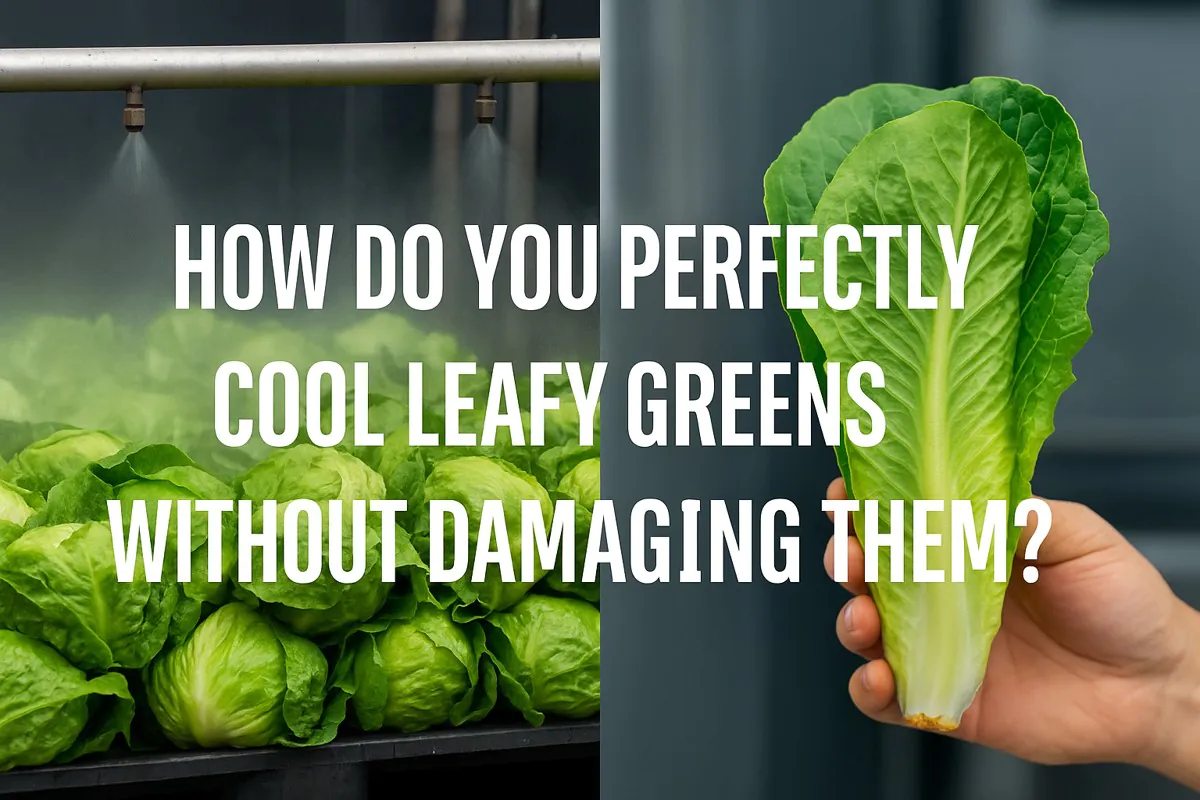
How to Vacuum-Cool Leafy Greens Without Damage
Leafy greens can show edge browning, bruising, uneven exit temperatures, or excessive weight loss when the product, package, loading pattern, and vacuum cycle are not matched.
Damage control depends on the final pressure and target temperature, the pressure-reduction profile, initial product moisture and temperature, package ventilation, and load uniformity. Validate the settings separately for lettuce, spinach, herbs, and other delicate products instead of assuming one universal cycle.
I have spent years helping growers fine-tune their vacuum cooling processes. The difference between good and great results is always in the details. It’s not about just running a cycle; it’s about running the right cycle for the specific product. Let’s dive into the three settings that will make you a master of cooling leafy greens.
What Is the Most Critical Parameter for Cooling Leafy Greens?
You run a cycle, and the final product is 4°C—too warm. You run another, and a few leaves show signs of freezing at 0°C. This lack of control is a major problem when your customers expect a consistent, high-quality product every single time.
This temperature variance happens when operators are guessing or using a generic "one-size-fits-all" setting. Inconsistent core temperatures lead directly to inconsistent shelf life. This variability is a huge red flag for professional buyers and can lead to rejected shipments and lost contracts.
The most critical parameter is the final vacuum pressure. This single setting has a direct, scientific relationship with the boiling point of water, allowing you to control the final product temperature with surgical precision, typically within a 0.5°C range.
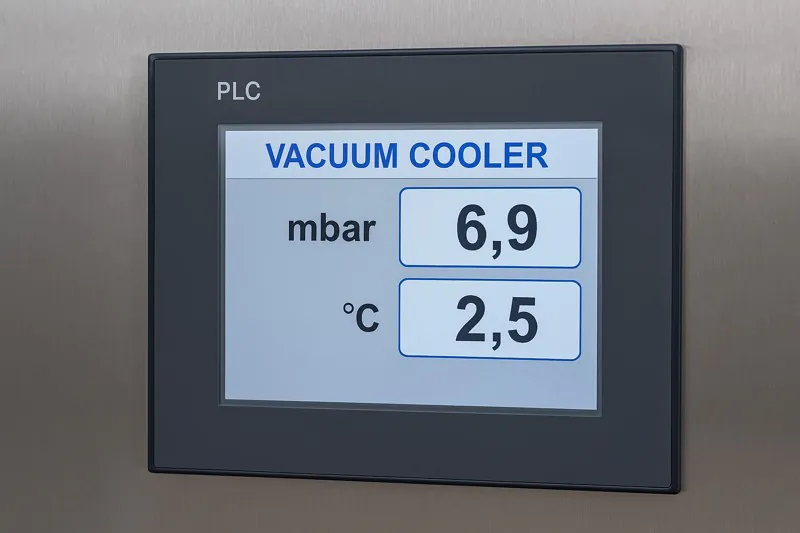
Mastering the Pressure-Temperature Relationship1
This is the number one concept I teach every new machine owner. For a hands-on operator like Carlos, understanding this relationship turns him from a machine user into a process controller. For a procurement manager like Sophia, the data from these precise cycles is proof of a controlled, HACCP-compliant process2.
The Unbreakable Link
The science is simple: as you lower the atmospheric pressure in the chamber, the temperature at which water boils also lowers. At sea level, water boils at 100°C (212°F). Inside the vacuum cooler, we can create a pressure so low that the water on the surface of your lettuce leaves boils at just 1°C (34°F). This "cold boiling" is what evaporates moisture and pulls the heat from the product. The final pressure you set in the machine’s control system is the absolute floor for the temperature. The product cannot get colder than the boiling point of water at that final pressure. This makes it a foolproof way to prevent freezing.
Setting the Target for Different Greens
Different leafy greens have slightly different water contents and densities, so the ideal target temperature can vary. Our goal is always to get the product temperature down as low as possible without causing any ice crystals to form (freezing).
| Leafy Green Type | Ideal Final Temp Range3 (°C) | Target Vacuum Pressure4 (mbar) | Key Goal |
|---|---|---|---|
| Iceberg Lettuce | 1 – 2°C | 6.5 to 7.0 mbar | Lock in maximum crispness and density |
| Romaine Lettuce | 1 – 2.5°C | 6.5 to 7.2 mbar | Prevent wilting of outer leaves |
| Baby Leaf Spinach | 2 – 3°C | 7.0 to 7.5 mbar | Cool rapidly without causing bruising |
| Cabbage | 2 – 3°C | 7.0 to 7.5 mbar | Penetrate the dense core effectively |
On our allcold control panels, we make this simple. You can select a "recipe" for "Iceberg Lettuce," and the system automatically targets the correct final pressure. This removes guesswork and ensures every single pallet comes out at the perfect, consistent temperature that a buyer like Norman demands.
How Does Cooling Speed Affect Delicate Leafy Greens?
Your packing house is busy, and the goal is to cool pallets as fast as possible to maximize throughput. The temptation is to set the vacuum pumps to their most powerful setting and pull the pressure down in the shortest time possible. This seems efficient, but it can be destructive.
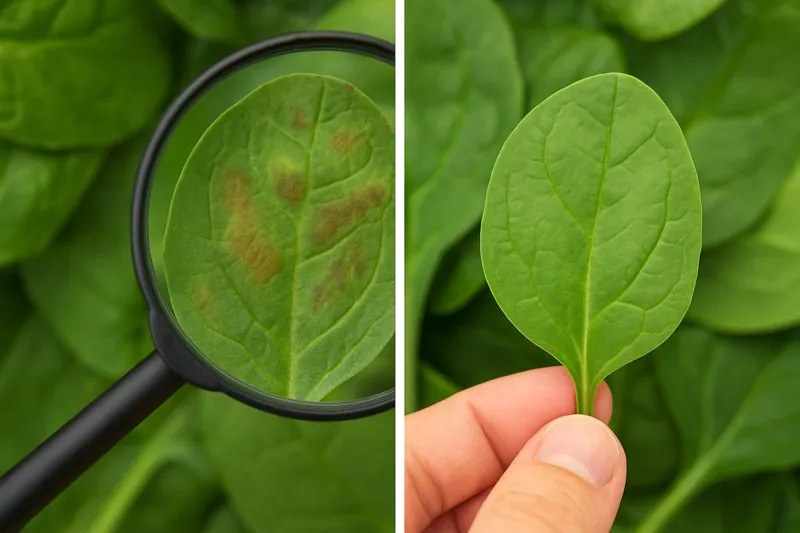
An overly aggressive cooling speed can physically damage your most valuable and delicate greens. When the pressure drops too quickly, the water vapor inside the leaf’s structure expands explosively. This can rupture the cell walls, leading to microscopic bruising, limpness, and a drastically reduced shelf life.
The speed of cooling, or the "pump-down rate," must be adjusted based on the fragility of the green. Robust greens like iceberg can handle a fast rate, while delicate items like baby spinach require a slower, more controlled pressure drop to prevent cell damage.
Balancing Throughput with Product Quality
This is where the real artistry of vacuum cooling5 comes in, and it’s a feature that separates high-end machines from basic ones. Carlos needs to maximize the number of pallets he can cool per hour, but not at the expense of the quality Sophia expects for her restaurant chain.
The Physics of Damage
Imagine a balloon in a vacuum chamber. As you remove the air, the balloon expands. The same thing happens on a microscopic level inside every leaf. The water and air inside the plant cells expand as the external pressure drops. If this happens too fast, the cell walls stretch beyond their limit and burst. This releases enzymes that cause browning and decay. The product might look okay coming out of the cooler, but it will have a much shorter shelf life in the grocery store.
Programming "Recipes" for Different Products
The solution is to program different cooling profiles6, or "recipes," for different products. Our PLC control systems7 allow for this level of detailed customization.
- Aggressive Profile (For Robust Greens): For a hardy product like iceberg lettuce or celery, we can program the system to use all vacuum pumps from the start for the fastest possible cycle time, typically 15-20 minutes.
- Gentle Profile (For Delicate Greens): For baby spinach, microgreens, or even some tender herbs, we program a "soft cool" or two-stage cycle. The system may start with only one pump, pulling the pressure down slowly to a certain point, before engaging the second pump to finish the cycle. This gentle start allows the water vapor to escape the leaf structure in a controlled manner, preventing damage.
| Product Type | Structural Robustness | Recommended Cooling Profile | Why It’s Optimal |
|---|---|---|---|
| Iceberg Lettuce | High | Aggressive / Single-Stage | Thick cell walls can withstand rapid pressure drop |
| Romaine Lettuce | Medium | Standard / Single-Stage | Balances speed with quality |
| Baby Spinach | Low / Delicate | Gentle / Two-Stage | Prevents cell rupture8 and bruising |
| Microgreens | Extremely Low | Gentle / Two-Stage | Preserves the extremely delicate structure |
This level of control ensures you are always achieving the fastest possible cycle without ever compromising the physical quality of your most valuable products.
Should You Add Water Before Cooling Leafy Greens?
You have a pallet of romaine that was harvested on a hot, windy afternoon. It looks a little tired and dry. You know that vacuum cooling relies on moisture evaporation, so you wonder if you should spray it with water first to help the process along.
This is a common dilemma. Adding too much water can make the product soggy, increase the risk of bacterial growth, and add weight that you are just paying to remove. However, trying to cool a product that is too dry is inefficient, leading to longer cycle times and potentially not reaching the target temperature at all.
Yes, you should add a fine mist of water—a technique called "pre-wetting"—but only when the leafy greens are visibly dehydrated from field conditions. This replaces the surface moisture needed for efficient evaporative cooling without saturating the product.
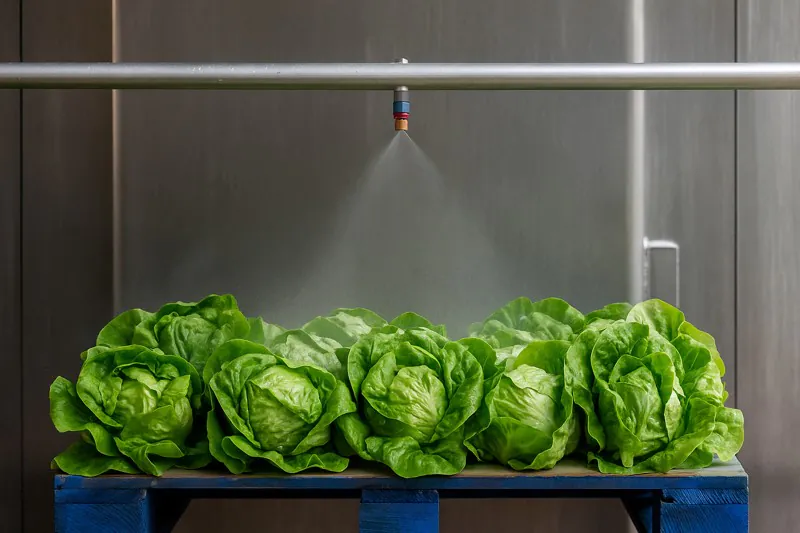
A Strategic Approach to Moisture Management
This is a critical decision that directly impacts cycle efficiency9 and final product quality. It’s a key process control step that a detail-oriented manager like Sophia would want documented in her operational procedures.
The Goal of Pre-Wetting10
Remember, vacuum cooling11 removes heat by evaporating about 1.5% to 2.5% of the product’s weight in water. If the product is already dehydrated, it doesn’t have that "sacrificial" water to give up easily. The cooling process will be slow and ineffective. Pre-wetting is not about adding water; it’s about replacing the surface moisture that was lost in the field, giving the vacuum process the fuel it needs to work quickly.
The Decision-Making Process
This should be a simple Yes/No decision made by the forklift operator or supervisor before a pallet is cooled.
- When to Pre-Wet (Apply a Fine Mist):
- The harvest occurred during the hottest part of a dry, windy day.
- The product has been sitting on the loading dock for more than an hour before cooling.
- The outer leaves show any visible signs of being limp or wilted.
- When NOT to Pre-Wet:
- The product was harvested in the cool morning and is still covered in dew.
- The product was recently harvested and feels cool and moist to the touch.
- The product is destined for sealed-bag packaging where excess moisture is a major problem.
A simple table can guide this operational decision:
| Field Condition / Product State | Action Required | Rationale |
|---|---|---|
| Harvested hot & dry; looks limp | Apply a light, fine mist | Replaces lost surface moisture for an efficient cycle |
| Harvested cool & moist; looks crisp | No misting needed | Product has sufficient moisture; adding more is detrimental |
| Rainy day harvest | No misting needed | Excess water is already present |
The best method is an automated misting system12 or a spray wand with a fine nozzle that creates a fog, not a jet. The goal is to dampen the leaf surfaces, not to drench the pallet. This simple, strategic step can reduce cycle times by several minutes and ensure even the most stressed produce gets a perfect cool.
Conclusion
Optimizing vacuum cooling for leafy greens is a science of precision. By mastering the final pressure, controlling the cooling speed, and managing moisture strategically, you turn your cooler into a tool that guarantees perfect, consistent, and damage-free results every time.
Understanding this relationship is crucial for optimizing vacuum cooling processes and ensuring product quality. ↩
Exploring HACCP compliance can enhance food safety and quality assurance in your operations. ↩
Knowing the ideal temperature ranges helps in maintaining freshness and quality of leafy greens. ↩
Learning about target vacuum pressures can improve cooling efficiency and product preservation. ↩
Explore this link to understand the innovative process of vacuum cooling and its benefits for food preservation. ↩
Learn about cooling profiles to optimize your food cooling processes and maintain product quality. ↩
Discover how PLC control systems enhance efficiency and precision in food processing operations. ↩
Find out the science behind cell rupture and how to prevent it for better food quality. ↩
Discover key factors influencing cycle efficiency to optimize your processes and improve overall productivity. ↩
Understanding Pre-Wetting can enhance your vacuum cooling process, ensuring optimal product quality and efficiency. ↩
Explore the mechanics of vacuum cooling to improve your operational procedures and product outcomes. ↩
Learn how an automated misting system can streamline your moisture management and enhance product quality. ↩

Mila
You May Also Like
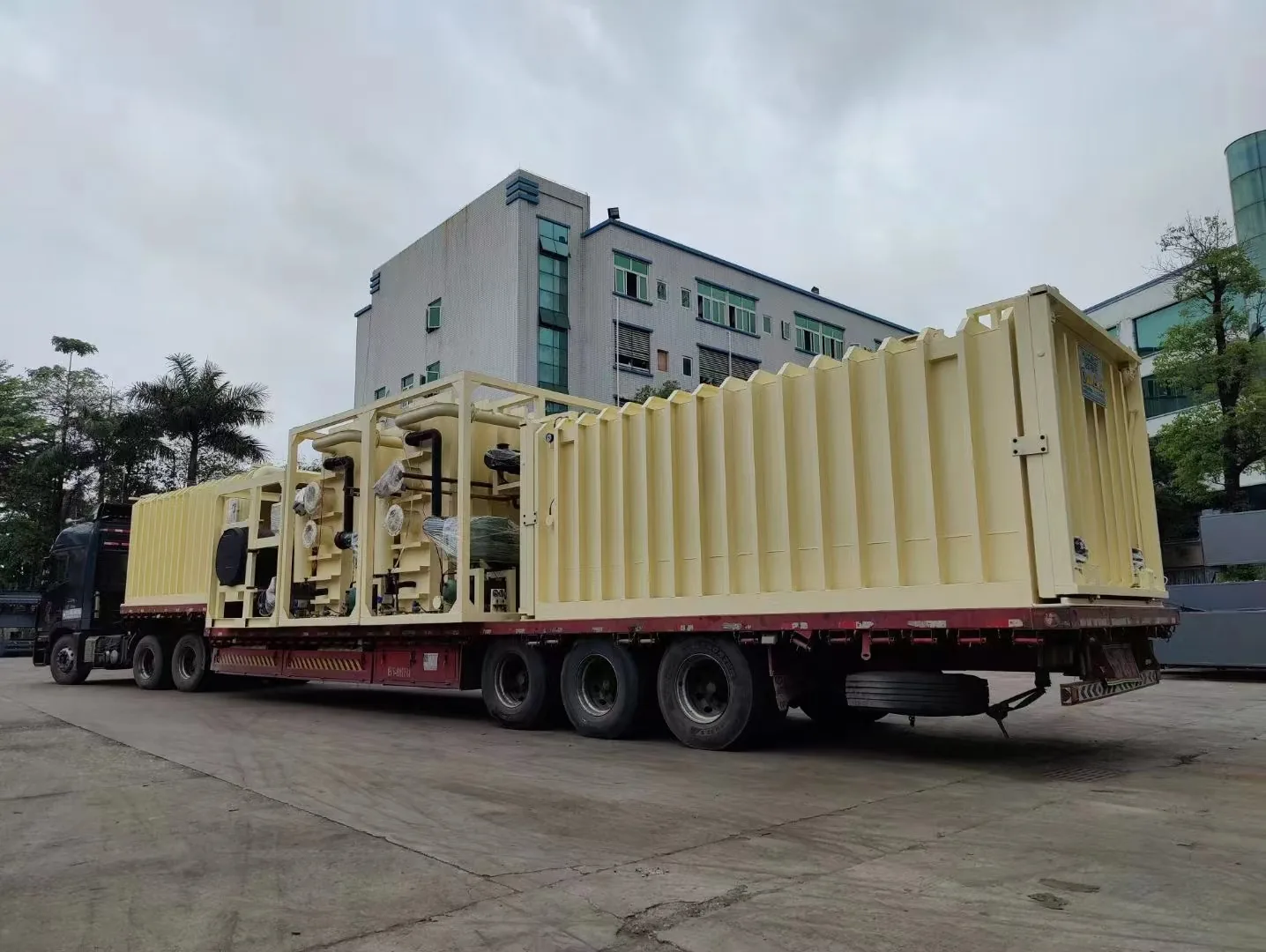
Used vs. New Vacuum Coolers: Is the Lower Price Worth It?
Buying a used vacuum cooler? Compare load fit, condition, relocation, installed cost and support with a new system before deciding if the saving is real.
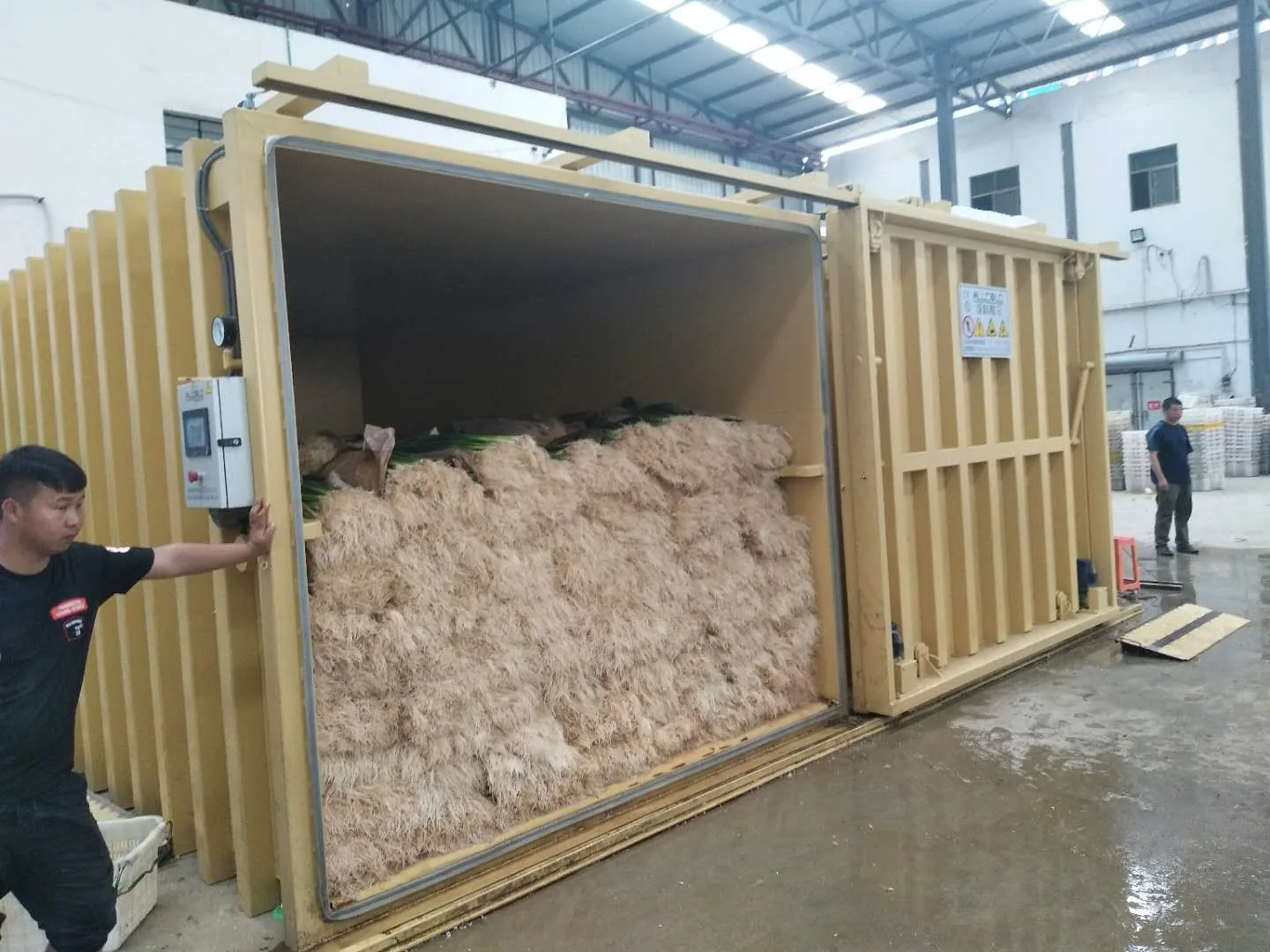
Why Does Produce Sweat After Vacuum Cooling?
FRESH PRODUCE · POST-COOLING HANDLING The cooling cycle can finish correctly—and the load can still become wet on its way
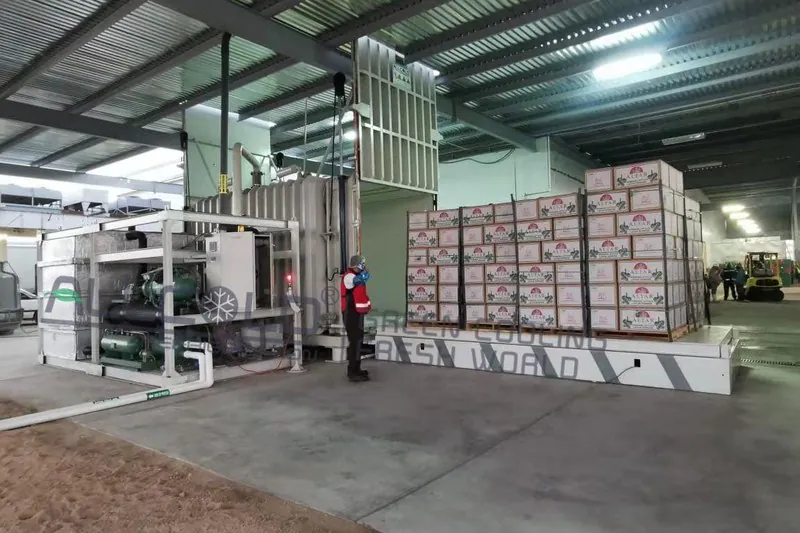
Vacuum Cooler Not Performing? Check Your Pallet Loading First
When a vacuum cooler produces inconsistent results—warm spots, longer cycle times, variable exit temperatures across the load—the machine is usually
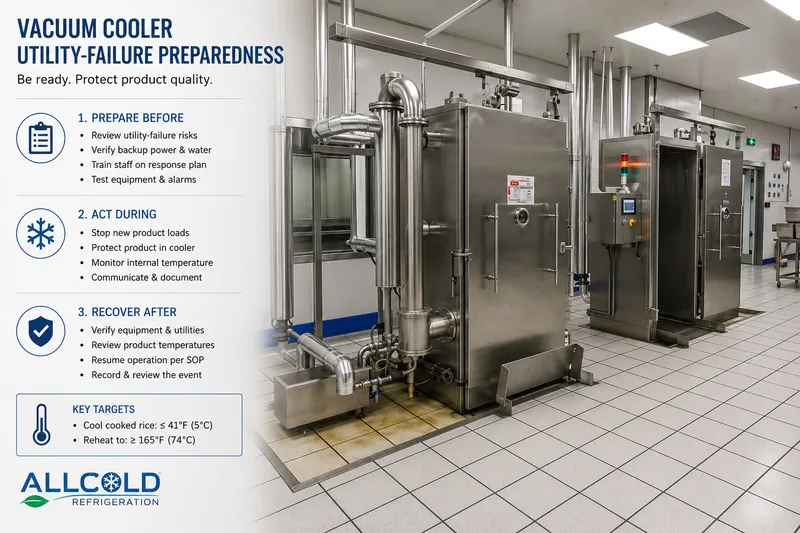
Why One Successful Cooked Rice Cooling Test Is Not Enough to Standardize a Central Kitchen Process
A cooked rice batch can pass a vacuum cooling test and still fail as a production process. That is the
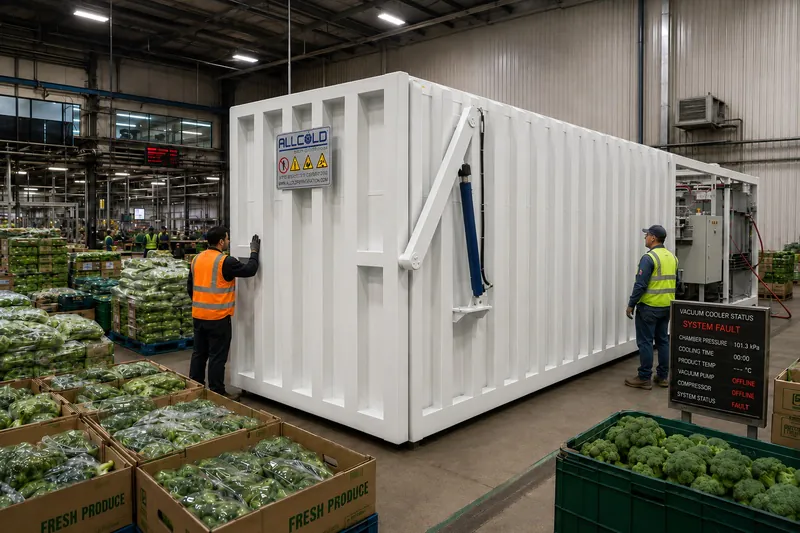
Why a Vacuum Cooler Utility Failure Becomes an Export Quality Problem Before It Becomes a Repair Problem
A vacuum cooler stoppage does not start as a maintenance problem. In a produce export operation, it becomes a quality
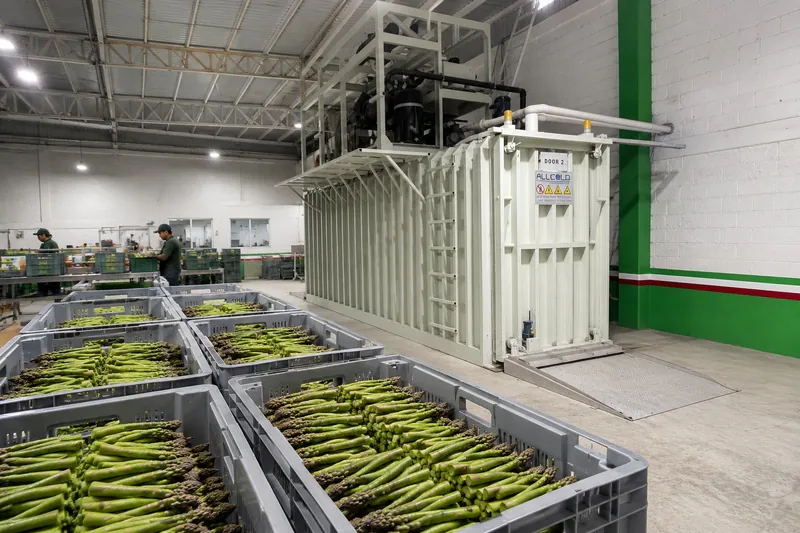
Why Asparagus Loses More Export Value in the First Two Hours After Cutting Than in the Entire Cold Chain That Follows
For fresh asparagus exporters, the most expensive quality loss often happens before the product even reaches the main cold chain.
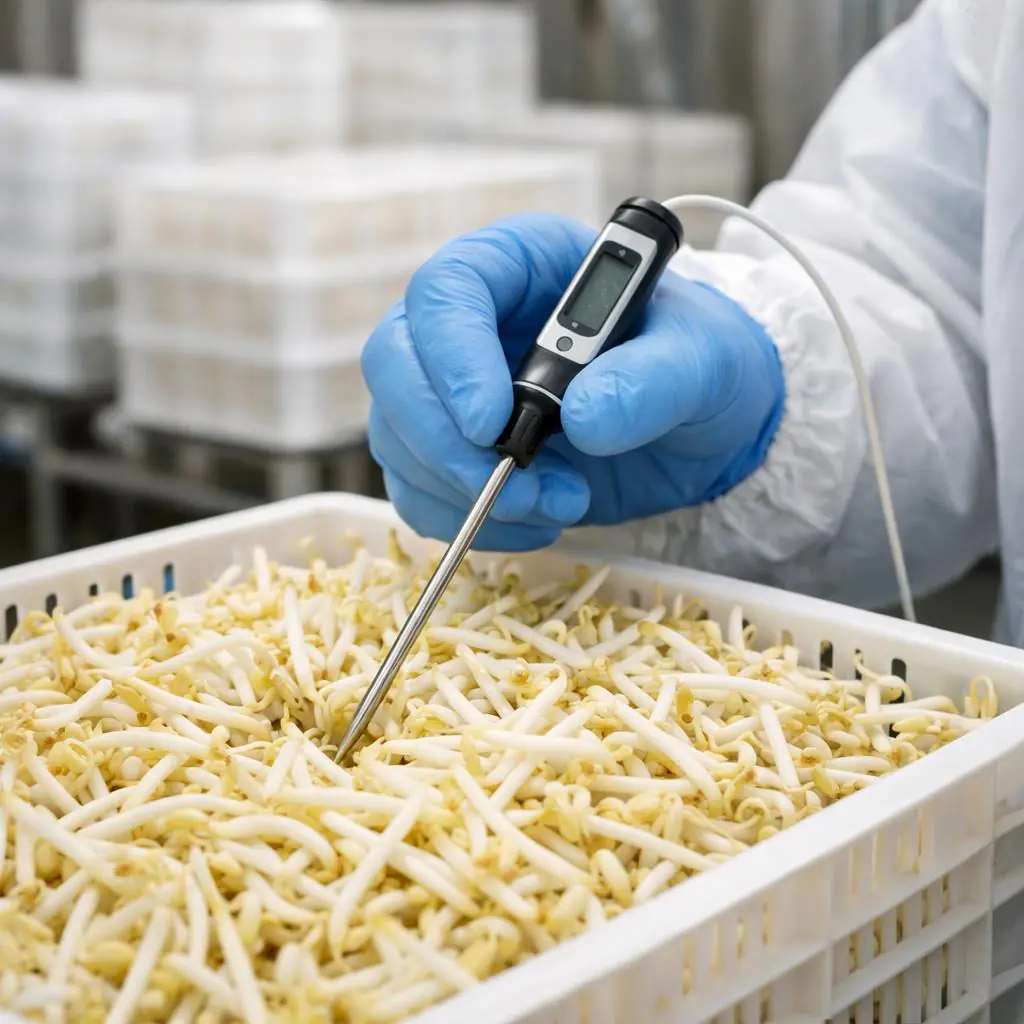
Why Bean Sprouts Are One of the Hardest Vegetables to Pre-Cool Correctly and What Exporters Get Wrong
Bean sprouts look simple. They are light, moist, and usually packed in bulk or retail bags. But from a pre-cooling
Why Broccoli Loses Export Quality Faster Than Any Temperature Log Will Show
The complaint comes in from the buyer: yellowing, premature flowering, weak texture on arrival. The exporter reviews the cold room
Why Spinach Shipments That Leave Looking Perfect Arrive Looking Wrong
The complaint lands differently with spinach than with most other export vegetables. The exporter packed dark green, crisp product. The
How Exporters Can Reduce Produce Rejection Claims with Better Pre-Cooling Workflow
Learn how exporters can reduce produce rejection claims by improving pre-cooling workflow, timing control, packing handoff, and first-mile cold chain stability.