
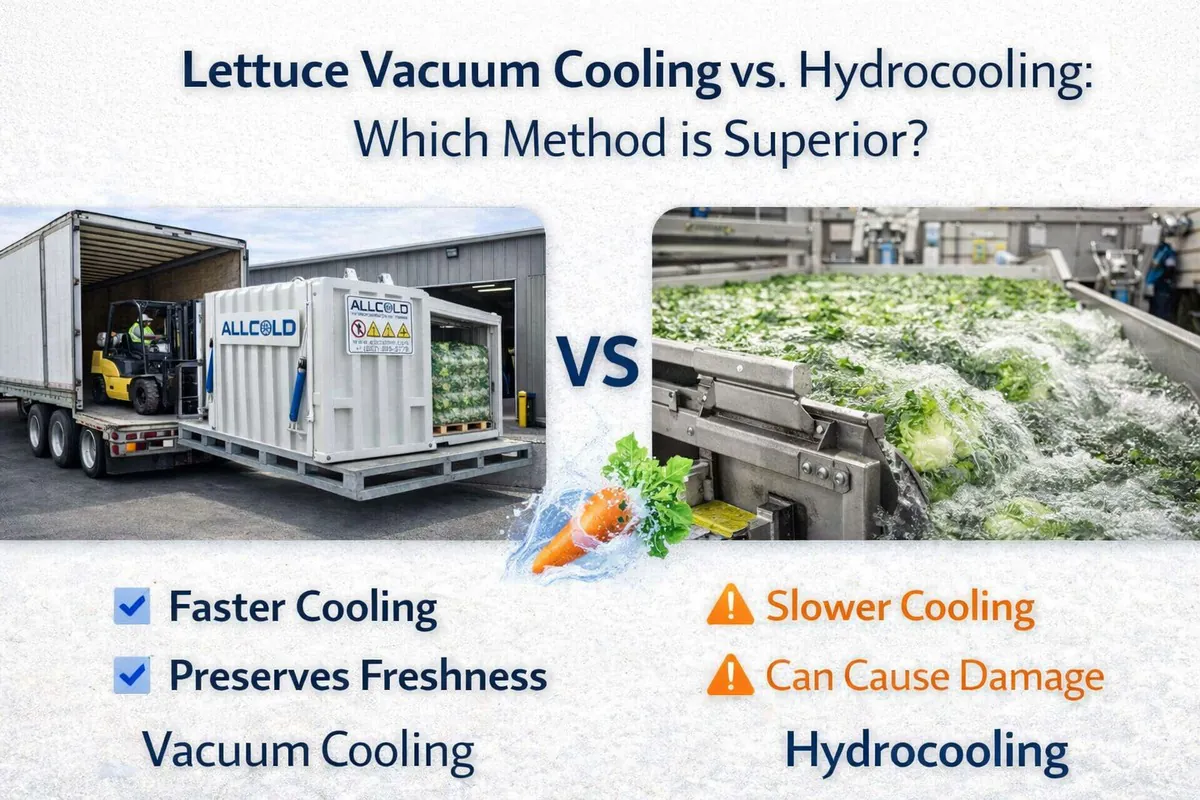
Lettuce Vacuum Cooling vs. Hydrocooling: Which Method is Superior?
Every harvest season, farmers face the same expensive dilemma: how to remove field heat before the produce rots. Choosing the wrong cooling method can destroy your profit margin and ruin your reputation with buyers.
For lettuce and leafy greens, Vacuum Cooling is superior to Hydrocooling. Vacuum cooling reduces temperature to 2°C in just 20 minutes without wetting the product, eliminating the risk of cross-contamination and bacterial rot. While Hydrocooling works well for dense fruits like melons, it is too slow and risky for porous vegetables.
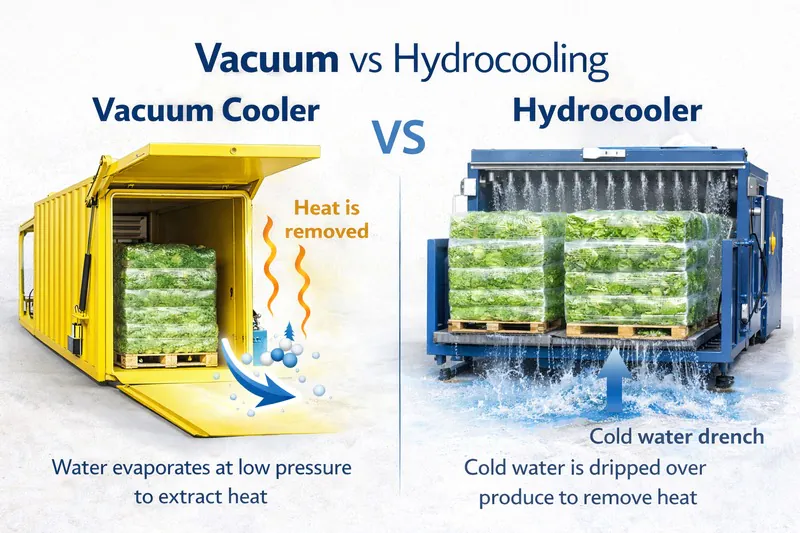
At Allcold, I have consulted with hundreds of clients, from large-scale growers like Carlos in Mexico to demanding buyers like Norman in the USA. They all ask me the same question: "Mila, why should I invest in a vacuum cooler when a hydrocooler seems cheaper?" The answer isn’t just about price; it is about physics, biology, and the harsh reality of the supply chain. While water is a great conductor of heat, it is also a great carrier of disease. In this detailed comparison, I will break down why, for lettuce specifically, the vacuum chamber is the only logical choice for the modern exporter.
Speed and Throughput: Which Method Wins the Race?
Time is the enemy of freshness. When you have 50 tons of lettuce sitting in the sun, you need a method that can process pallets faster than your harvesters can cut them.
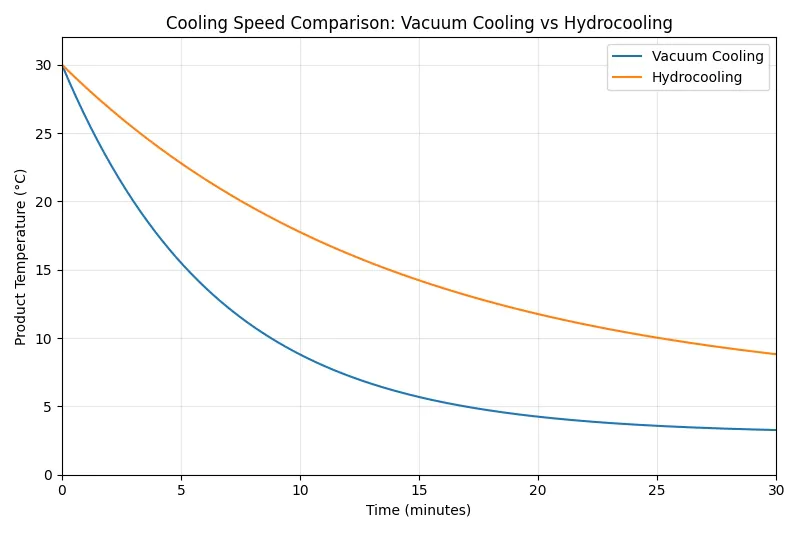
Vacuum cooling is significantly faster. A standard Allcold vacuum cooler can bring a full load of lettuce from 30°C down to 2°C in 20 to 30 minutes. Hydrocooling relies on cold water contact, which can take 45 to 60 minutes, plus additional time for drying the product.
The Physics of Speed
To understand why vacuum cooling wins the race for lettuce, we must look at the mechanism. Hydrocooling uses conduction. You pour cold water over the vegetable, and the heat travels from the leaf into the water. This works from the outside in. For a dense pallet of lettuce, the water struggles to penetrate the center of the boxes. You often end up with cold outer leaves and a warm, rotting core.
Vacuum cooling uses Latent Heat of Vaporization1. We place the lettuce in a sealed chamber and drop the pressure. This forces the moisture inside the lettuce to boil at low temperatures. As the water turns to vapor, it absorbs heat energy instantly.
According to our operational data, a standard cycle takes roughly 20 to 30 minutes, not including loading and unloading time. This process happens simultaneously throughout the entire pallet. The center of the lettuce head cools at the exact same second as the outside leaf.
The "Bottleneck" Effect
For high-volume operations, throughput2 is key.
If you use a hydrocooler, you are limited by the residence time in the water tunnel. If you speed up the belt, the lettuce comes out warm.
With our vacuum systems, we offer "Plug & Play" skid-mounted units that are designed for speed. Our systems feature an automatic "start sequence" that delays motor starts to save power, but once running, they are relentless. A dual-chamber system can process a load every 15 minutes (alternating chambers), allowing a single operator to cool 10+ tons per hour. For a client like Carlos who supplies supermarkets, this speed means he can harvest later in the day and still make the evening truck.
Table: Throughput Comparison
| Feature | Vacuum Cooling | Hydrocooling |
|---|---|---|
| Cooling Mechanism | Evaporation (Internal) | Conduction (External) |
| Cycle Time | 20 – 30 Minutes | 40 – 60 Minutes |
| Uniformity | 100% Uniform (Core & Skin) | Uneven (Core often warm) |
| Post-Cooling Step | None (Ready to ship) | Drying Required (Critical) |
| Throughput Limit | Pump Capacity | Belt Speed / Tunnel Length |
Food Safety and Hygiene: The Risk of "The Community Bath"
In the post-COVID world, hygiene is the number one priority for buyers like Sophia in Singapore. How do you ensure your cooling process isn’t spreading pathogens?
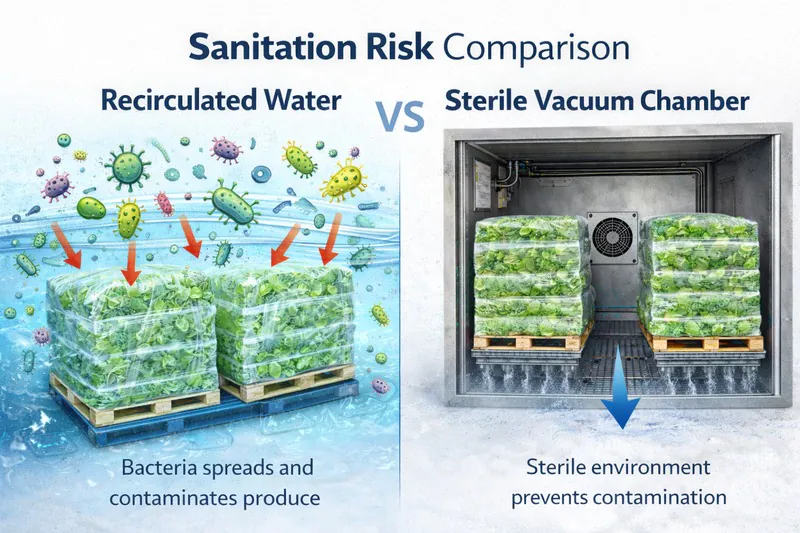
Vacuum cooling is a clean, dry process. It takes place in a sealed stainless steel or painted steel chamber, isolating the product. Hydrocooling recycles water, effectively creating a "community bath" where one contaminated head of lettuce can spread bacteria like E. coli or Salmonella to the entire batch.
The Cross-Contamination Nightmare
Imagine you are washing 10,000 heads of lettuce in a hydrocooler. The water is chilled and recirculated. If just one head of lettuce has bird droppings or pesticide residue, that contaminant washes off into the water. Now, every single head of lettuce that follows is bathed in that contaminated water.
To combat this, hydrocooler operators must use massive amounts of chlorine or ozone. This is expensive, requires strict monitoring, and leaves chemical residues that health-conscious consumers dislike.
The Vacuum Advantage
Vacuum cooling3 eliminates this risk entirely.
- Isolation: The lettuce stays on the pallet. It never touches a machine part, and it never touches "foreign" water.
- Filtration: The air entering the chamber to release the vacuum is filtered.
- HACCP Compliance4: For clients supplying fast-food chains or ready-to-eat salad processors, vacuum cooling is often mandatory. Our AVCF models, specifically designed for prepared foods, even use full stainless steel interiors to meet the strictest hygiene standards.
Furthermore, our machines are designed with maintenance in mind. We recommend an overall hygiene maintenance every two seasons. The interior of the chamber is empty and easy to hose down or sanitize, unlike the complex belts and pipes of a hydrocooler that can harbor biofilm.
Product Quality: Wet vs. Dry Storage?
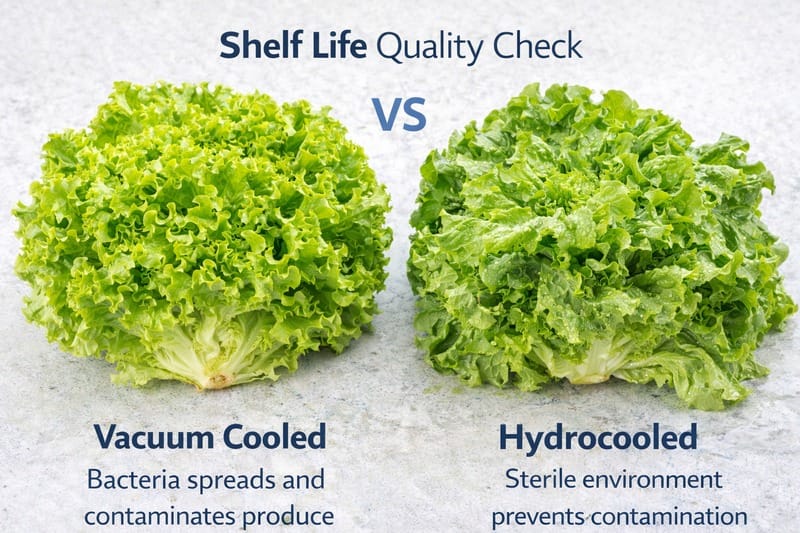
Once the lettuce is cold, how long will it last? The presence of surface moisture is the deciding factor in shelf life.
Lettuce cooled by vacuum is dry, which inhibits mold growth and bacterial slime during transport. Hydrocooled lettuce is wet; if not dried perfectly (which is difficult), the trapped moisture accelerates rot, turning the leaves pink and slimy within days.
The Moisture Dilemma
Water is life for a growing plant, but it is death for a harvested one.
In a hydrocooler, the lettuce is drenched. Even with expensive "centrifuge" drying steps or air blowers, moisture remains trapped between the leaves. When this wet lettuce is packed into a cardboard box and loaded into a refrigerated container, that moisture sits there for weeks. This environment is perfect for Botrytis5 (gray mold) and bacterial soft rot.
The "Skin-Tight" Freshness
Vacuum cooling actually removes a small amount of moisture (about 2-3%) to achieve cooling. This slight "wilting" is actually beneficial for iceberg lettuce. It tightens the head structure, making it more resistant to vibration damage during trucking.
More importantly, the surface of the leaf is dry. Without surface water, bacteria cannot multiply efficiently. This is why vacuum-cooled lettuce can survive 21 to 30 days in a shipping container, allowing our clients to export from China to the Middle East or North America.
The "Vacuum Delay" Technology
Some critics argue that vacuum cooling dries out the produce too much. At Allcold, we solved this with our "Vacuum Delay Facility6" (standard on our AVC series).
For products with higher "water yield resistance" (like heavier cabbage or romaine), the machine automatically detects the pressure curve. It pauses or slows the vacuum pull-down to ensure moisture evaporates gently rather than explosively. This ensures uniform cooling without dehydrating the leaves, preserving that vital crunch that buyers like Norman demand.
Suitability: Why Not Use Vacuum for Everything?
If vacuum cooling is so perfect, why do people still buy hydrocoolers? The answer lies in the biology of the specific crop you are growing.
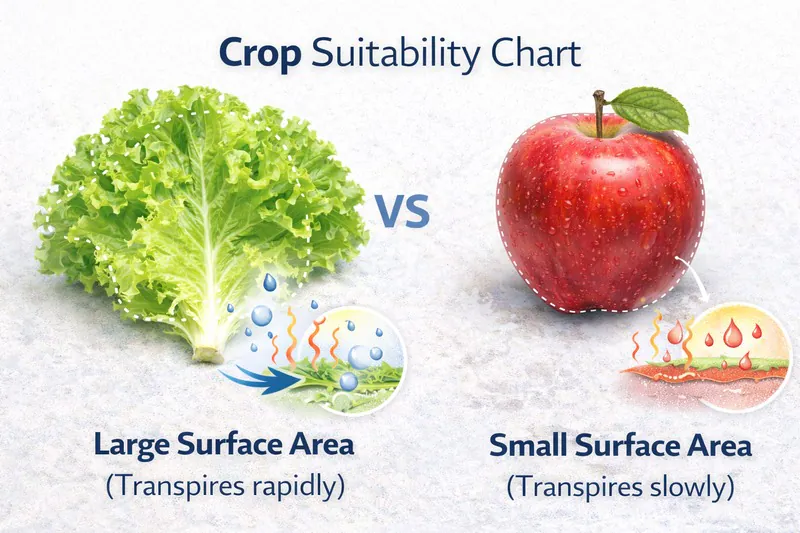
Vacuum cooling relies on a high surface-area-to-weight ratio. It is perfect for leafy greens, mushrooms, and flowers. Hydrocooling is superior for dense items with thick skins, like apples, melons, or carrots, where the vacuum cannot easily extract moisture.
The Surface Area Rule7
Vacuum cooling works by boiling water from the surface of the plant tissue.
- Lettuce: Think of a head of lettuce as hundreds of sheets of paper. The surface area is massive. Water can easily escape from anywhere. This is why it cools in 20 minutes.
- Carrots/Melons: These have a low surface area and a thick, waxy skin. The water is trapped deep inside. If you put a melon in a vacuum cooler, the pressure drops, but the water cannot evaporate fast enough. The machine will run for hours, wasting electricity, and the fruit might even burst.
The Strategic Choice
For a farm that grows 100% leafy greens, spinach, or broccoli, the vacuum cooler is the only choice.
However, if you are a mixed farm growing mostly root vegetables or stone fruits, a hydrocooler is better.
But for lettuce specifically, there is no contest. Hydrocooling lettuce is like trying to dry your hair by dipping it in water. It is counter-intuitive.
Our machines allow for customized settings via a Touch Screen Operator Control8. You can adjust the target temperature (usually +2°C to +3°C for lettuce) and the vacuum speed. This flexibility allows you to handle different varieties of leafy greens, but it cannot change the laws of physics that make root vegetables unsuitable for this method.
Operational Complexity: Plug & Play vs. Civil Works
Installing an industrial cooler can be a construction nightmare. Which system is easier to set up and manage on your farm?
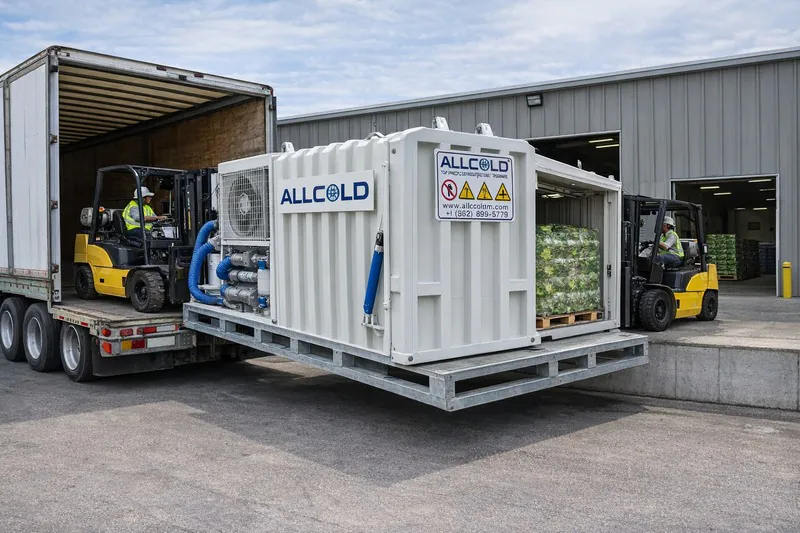
Allcold vacuum coolers are designed as "Plug & Play" skid-mounted units. You simply connect power and start cooling. Hydrocoolers require complex civil works, including drainage floors, water tanks, filtration systems, and water supply lines, making them expensive and difficult to move.
The Installation Advantage
In the agricultural world, flexibility is money. Farms often lease land or move packing sheds closer to the harvest.
Our vacuum coolers (like the AVC-150 or AVC-3000) are self-contained. The vacuum pumps, refrigeration compressor (Bitzer/Emerson), and condenser are mounted on a single steel frame.
- No Water Infrastructure: You do not need a massive supply of clean water constantly running.
- No Drainage Issues: You do not need to treat and dispose of thousands of liters of chemically treated wastewater.
- Portability: If you move your packing house next season, you pick up the vacuum cooler with a forklift and put it on a truck. You cannot do that with a concrete hydrocooling pit.
Maintenance Simplicity
Maintaining a vacuum cooler is mechanical. You check the oil in the vacuum pump (daily warm-up is critical!), clean the condenser coils, and check the door seals.
Maintaining a hydrocooler is chemical and biological. You must constantly test pH levels, chlorine levels, and bacterial counts. You have to clean filters clogged with mud and leaves. For a farm manager, the vacuum cooler is a "set it and forget it" machine, whereas the hydrocooler requires a dedicated technician to manage the water chemistry.
Table: Operational Requirements
| Requirement | Vacuum Cooler | Hydrocooler |
|---|---|---|
| Water Supply | Minimal (for condenser only) | Massive (Process water) |
| Drainage | None | Extensive (Chemical waste) |
| Portability | High (Skid Mounted) | Low (Fixed installation) |
| Operator Skill | Low (Touch Screen) | High (Chemical management) |
| Chemical Use | None | Chlorine/Ozone Required |
Conclusion
When we look at the specific needs of Lettuce, the debate is settled. Vacuum cooling offers superior speed (20 minutes vs. 1 hour), superior hygiene (zero cross-contamination), and superior shelf life (dry vs. wet). While hydrocooling has its place for apples and carrots, using it for lettuce is an outdated practice that risks food safety and product quality. At Allcold, we build our AVC series to exploit these advantages, using smart features like Vacuum Delay and Touch Screen Controls to ensure that your harvest is not just cold, but commercially perfect. For the modern lettuce exporter, the vacuum cooler is not an expense; it is the ultimate insurance policy.
Understanding this concept is crucial for grasping how vacuum cooling efficiently removes heat from produce. ↩
Learning about throughput can help you optimize operations in food processing and improve overall efficiency. ↩
Exploring vacuum cooling can reveal its benefits in enhancing food safety and extending shelf life, making it a valuable process for food businesses. ↩
Understanding HACCP Compliance is crucial for ensuring food safety and meeting industry standards, especially for food suppliers. ↩
Learn about Botrytis, its impact on crops, and how to prevent it to ensure better produce quality. ↩
Explore this link to understand how the Vacuum Delay Facility enhances produce freshness and prevents dehydration. ↩
Understanding the Surface Area Rule is crucial for optimizing vacuum cooling processes, especially for leafy greens. ↩
Exploring the benefits of Touch Screen Operator Control can help you maximize efficiency in cooling operations. ↩
Looking for the right vacuum cooler for your operation?
Allcold engineers work with packhouses and exporters to spec the right system for your product, volume, and site conditions.

Mila
You May Also Like
Used vs. New Vacuum Coolers: Is the Lower Price Worth It?
Buying a used vacuum cooler? Compare load fit, condition, relocation, installed cost and support with a new system before deciding if the saving is real.
Why Does Produce Sweat After Vacuum Cooling?
FRESH PRODUCE · POST-COOLING HANDLING The cooling cycle can finish correctly—and the load can still become wet on its way
Vacuum Cooler Not Performing? Check Your Pallet Loading First
When a vacuum cooler produces inconsistent results—warm spots, longer cycle times, variable exit temperatures across the load—the machine is usually
Why One Successful Cooked Rice Cooling Test Is Not Enough to Standardize a Central Kitchen Process
A cooked rice batch can pass a vacuum cooling test and still fail as a production process. That is the
Why a Vacuum Cooler Utility Failure Becomes an Export Quality Problem Before It Becomes a Repair Problem
A vacuum cooler stoppage does not start as a maintenance problem. In a produce export operation, it becomes a quality
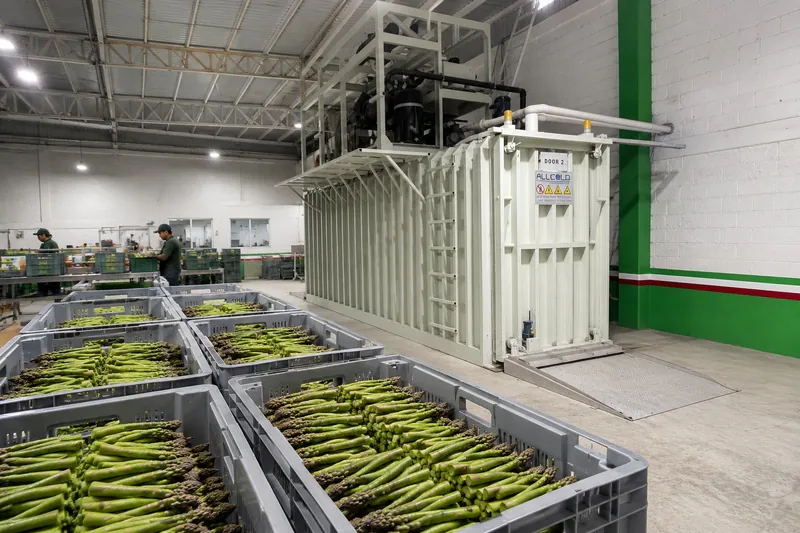
Why Asparagus Loses More Export Value in the First Two Hours After Cutting Than in the Entire Cold Chain That Follows
For fresh asparagus exporters, the most expensive quality loss often happens before the product even reaches the main cold chain.
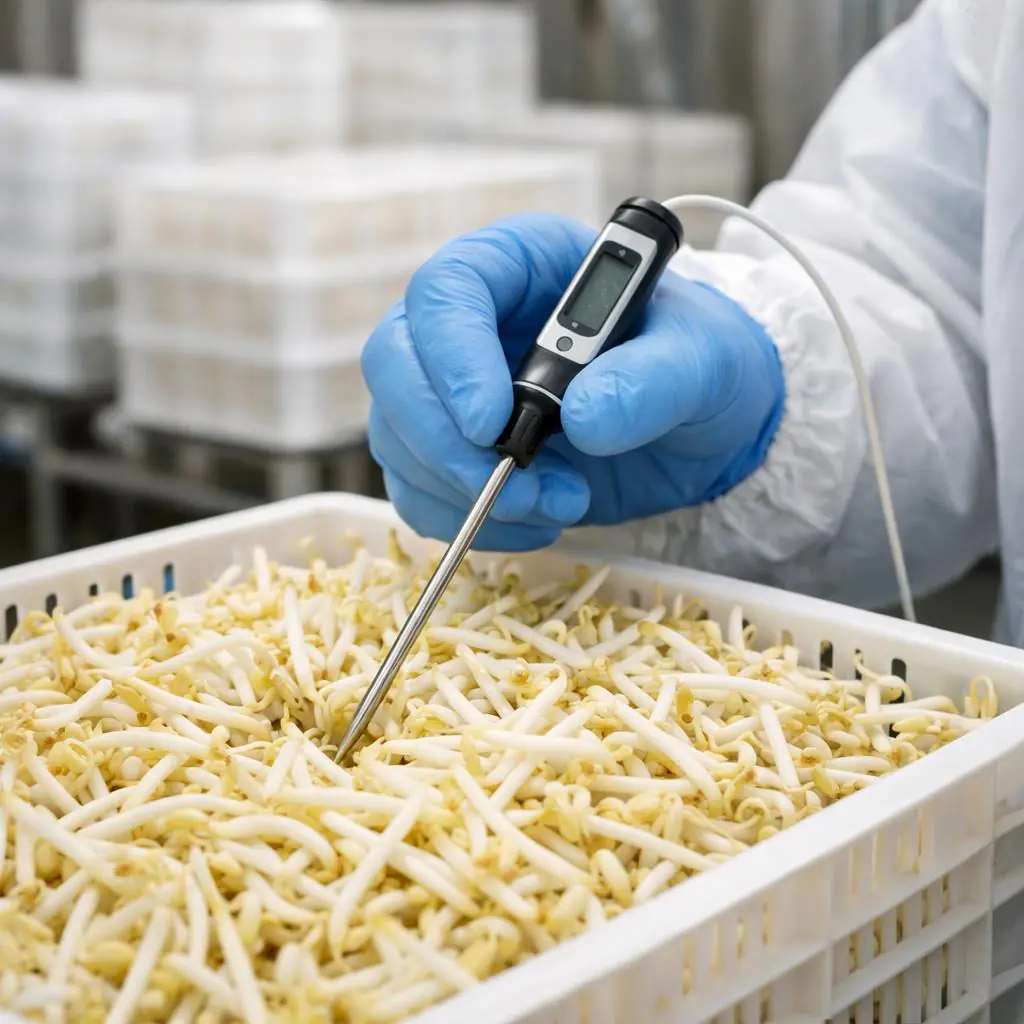
Why Bean Sprouts Are One of the Hardest Vegetables to Pre-Cool Correctly and What Exporters Get Wrong
Bean sprouts look simple. They are light, moist, and usually packed in bulk or retail bags. But from a pre-cooling
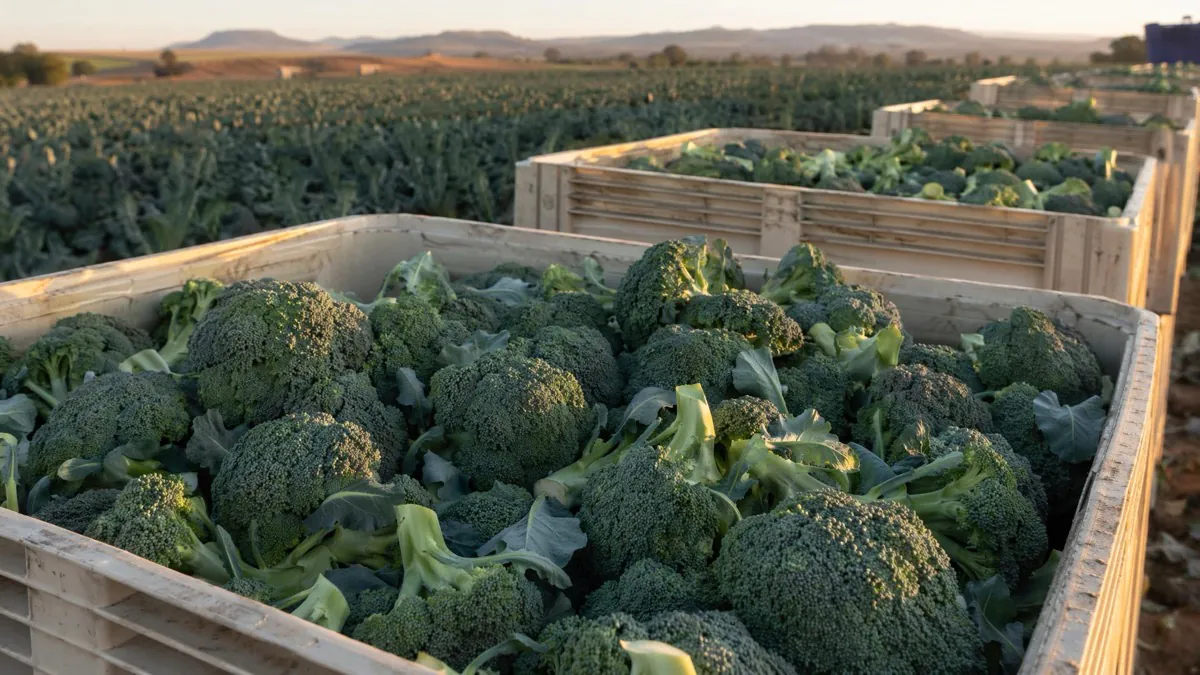
Why Broccoli Loses Export Quality Faster Than Any Temperature Log Will Show
The complaint comes in from the buyer: yellowing, premature flowering, weak texture on arrival. The exporter reviews the cold room
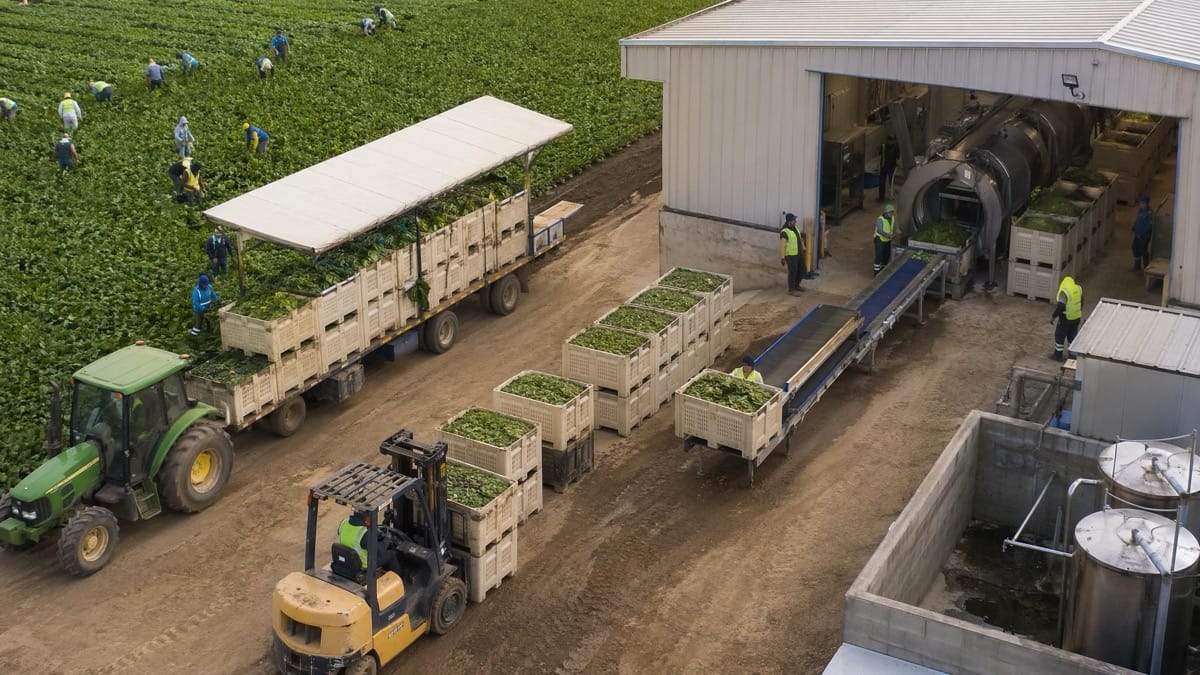
Why Spinach Shipments That Leave Looking Perfect Arrive Looking Wrong
The complaint lands differently with spinach than with most other export vegetables. The exporter packed dark green, crisp product. The
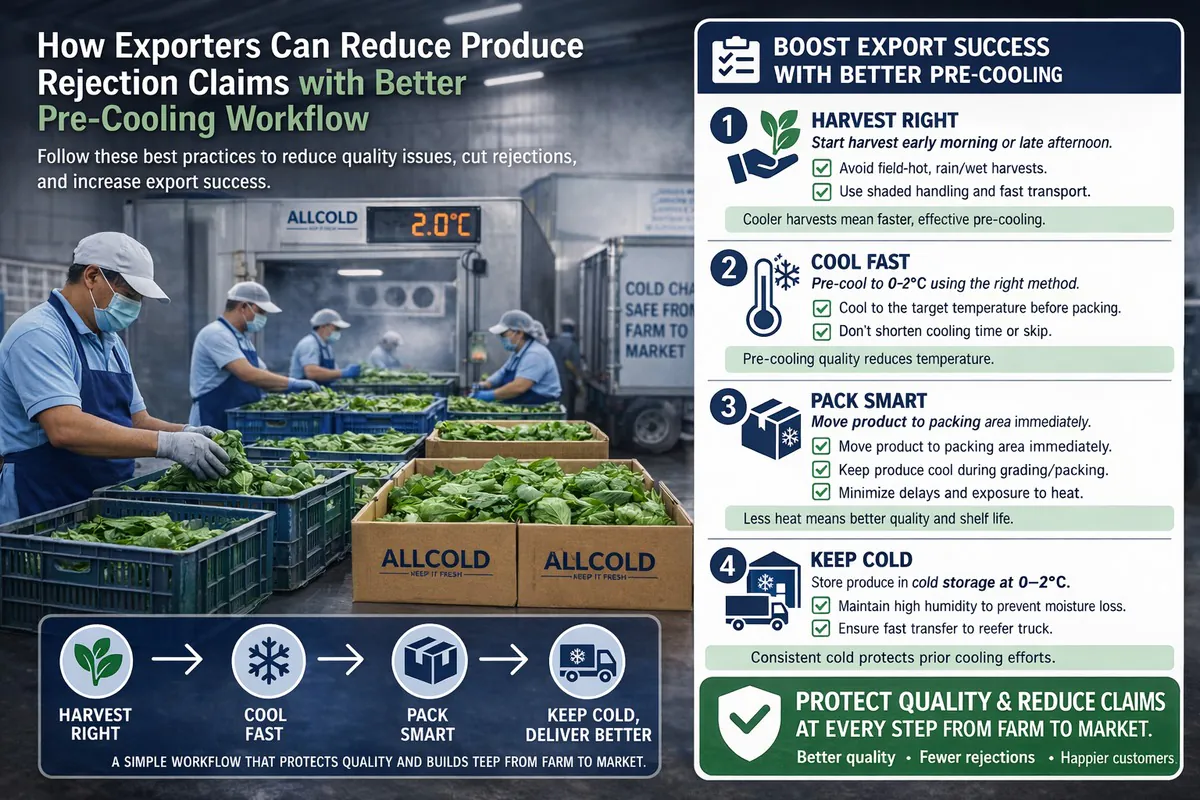
How Exporters Can Reduce Produce Rejection Claims with Better Pre-Cooling Workflow
Learn how exporters can reduce produce rejection claims by improving pre-cooling workflow, timing control, packing handoff, and first-mile cold chain stability.