

What Were the Real Breakthroughs That Made Modern Vacuum Cooling Possible?
You look at today’s advanced vacuum coolers and see a fast, reliable, and almost automatic process. It’s easy to take for granted. But this level of performance didn’t happen by accident. It’s the result of several major technological leaps that transformed the industry.
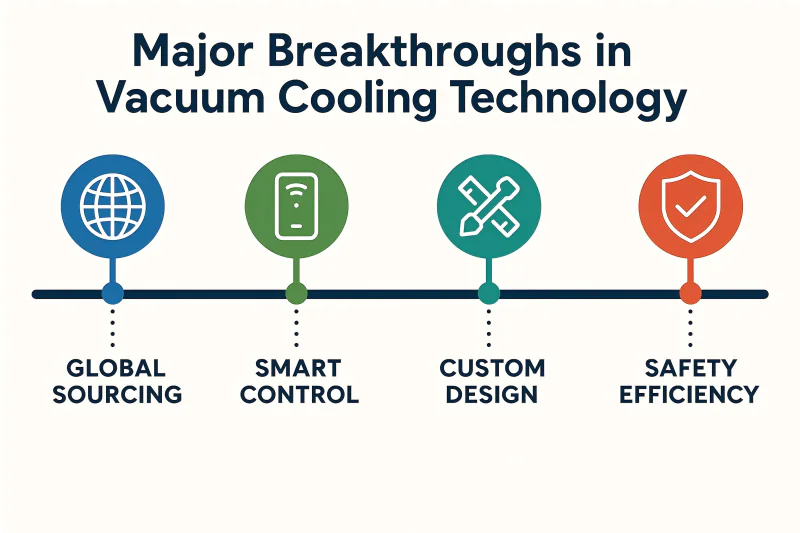
The history of modern vacuum cooling is a timeline of key breakthroughs: integrating global top-brand components, developing smart PLC-based controls, customizing designs for specific industries, and building-in advanced safety and efficiency systems.
These advancements didn’t occur in isolation. They built upon each other, turning a basic scientific principle into the high-tech, indispensable tool we offer today. For a professional buyer like Norman or a hands-on owner like Carlos, understanding these breakthroughs is key to knowing why a modern Allcold machine is a sound investment. Let’s trace this path of innovation.
When did machines stop being a local affair?
Early industrial machines were typically built using components from a single region or even a single company. While this was simple, it created a huge bottleneck. The machine was only as good as its weakest part. If a manufacturer made a great chamber but a poor vacuum pump, the entire system’s performance suffered.
A major breakthrough was the shift to a global sourcing model. Modern machines are now assembled using the best possible components from specialized world-leading brands, ensuring every single part is of the highest quality and reliability.

Component selection should follow the required duty and site conditions. Confirm the actual pump, compressor, valves and controls in the proposal. Chamber material also depends on application: fresh-produce and cooked-food requirements should not be treated as one universal stainless-steel specification.
The International Team Inside Your Cooler
| Breakthrough Area | Component | Brand | Country of Origin |
|---|---|---|---|
| Refrigeration Power1 | Compressor | Bitzer | Germany |
| Vacuum Creation | Vacuum Pump | Leybold | Germany |
| Precision Control2 | Expansion Valve | Danfoss | Denmark |
| System Protection | Phase Protection | Carlo Gavazzi | Switzerland |
| Electrical Reliability | AC Contactor | Schneider | Germany |
How did machine intelligence replace manual guesswork?
Imagine trying to cool a product by manually flipping switches and watching analog needles, hoping you get the pressure and temperature right. That was the reality for early equipment operators. It was inefficient, inconsistent, and required a highly skilled operator to get decent results. The process was more art than science.
PLC/HMI control automates the supplied sequence and presents operating information. Repeatability still depends on suitable product settings, correct loading and reliable measurements.
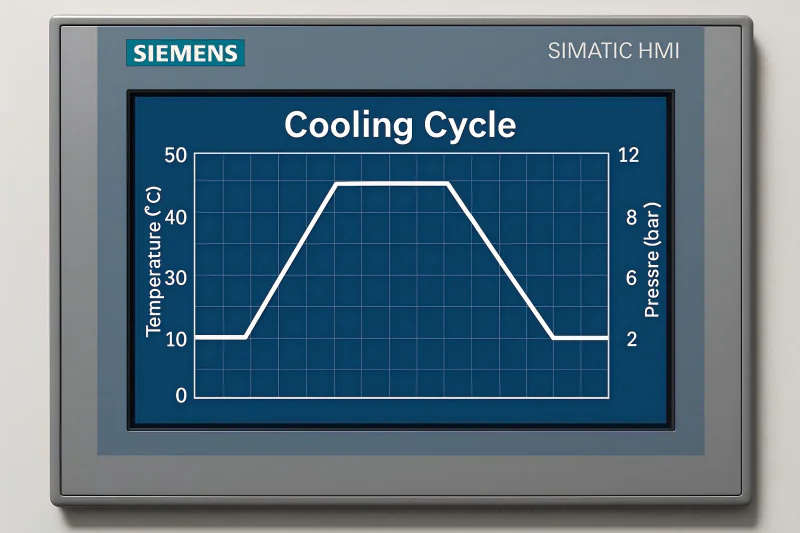
Allcold supplies PLC/HMI operation with live values, alarms, automatic/manual operation and password protection. Confirm additional diagnostic, logging, remote-access or adaptive-cycle functions for the selected configuration. An interface or brand name does not guarantee product uniformity.
When did one size stop fitting all?
In the past, industrial equipment was often generic. A farmer or a baker would buy a cooling machine and then have to figure out how to make their product work with it. This often led to compromises in quality and efficiency because the machine wasn’t designed for their specific product or workflow.
For buyers, a useful expression of modern customization is Allcold’s ability to review chamber dimensions, batch loading and site layout. Its fresh-produce vacuum cooling and bakery and cooked-food vacuum cooling ranges address different production needs. Send the actual product and load geometry so the proposal combines suitable handling, utilities and cooling duty rather than a list of impressive components alone.
A pivotal breakthrough was the development of tailor-made designs. The technology evolved from a generic concept into highly specialized machines built to meet the exact requirements of different products, like baked bread or steamed rice.
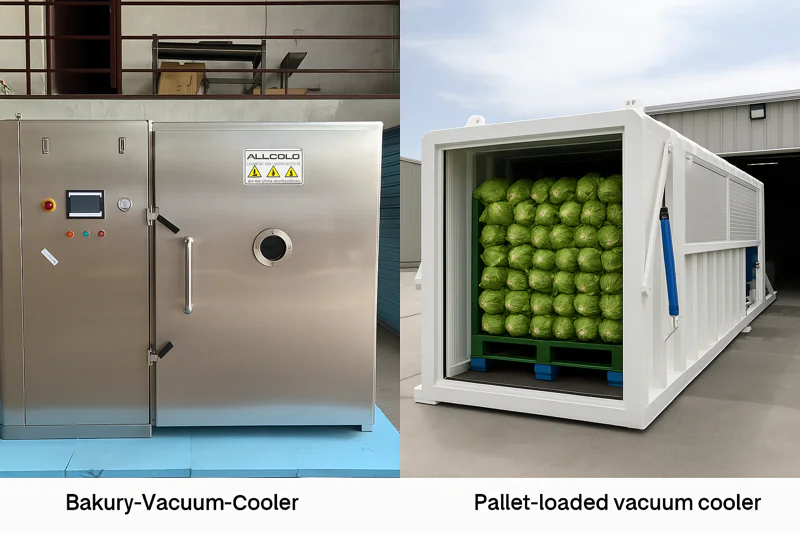
A produce pallet and a trolley of hot baked food create different chamber, vapor and refrigeration duties. Allcold can review product type, starting and target temperatures, batch weight and loading dimensions to develop a suitable proposal. Project examples are design inputs, not proof of universal delivered performance.
How did safety and efficiency become standard features?
Early industrial machines were often designed with a single purpose: get the job done. Operator safety and energy consumption were frequently secondary concerns. These machines could have exposed moving parts, basic electrical systems, and motors that ran inefficiently, costing the owner a fortune in electricity bills.
The modern breakthrough was to engineer safety and efficiency directly into the machine’s core design. This includes comprehensive electrical protection systems and high-efficiency components that minimize power usage and protect operators.
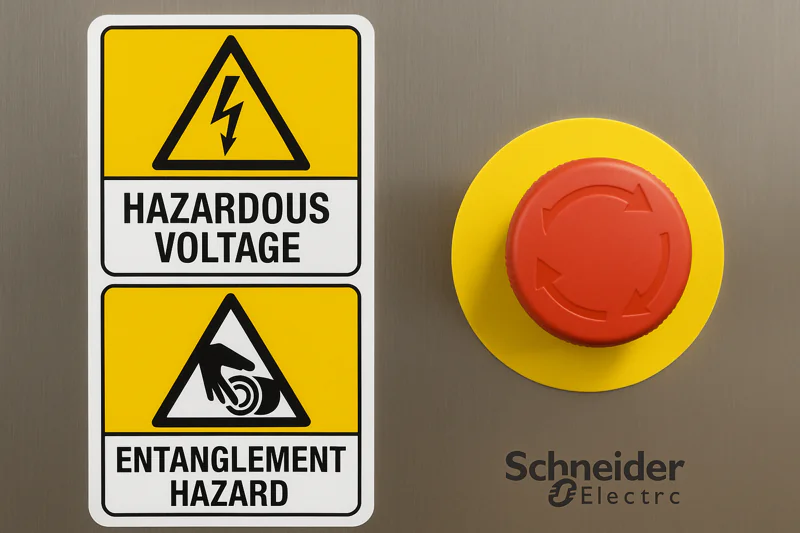
Review the protective functions, energy requirements and maintenance provisions of the actual configuration. Safety documentation and site responsibilities should be explicit. Starting, idle and restart behavior must be confirmed rather than assumed from a general description of modern controls.
Conclusion
The timeline of vacuum cooling is marked by these crucial breakthroughs. By integrating global components, intelligent automation, custom designs, and a deep focus on safety and efficiency, the technology has transformed into the powerful and reliable production tool that modern businesses demand.
Explore this link to discover cutting-edge technologies that enhance refrigeration efficiency and performance. ↩
Learn how Precision Control can optimize your refrigeration systems for better performance and energy savings. ↩
Explore this link to understand how Siemens PLCs revolutionize automation, enhancing efficiency and control in various industries. ↩
Discover how troubleshooting assist systems can streamline operations and reduce downtime, making machinery management easier. ↩
Exploring this resource will reveal how tailored solutions can enhance efficiency and meet specific client needs. ↩
Understanding this concept is vital for optimizing cooling systems and improving production efficiency. ↩
Understanding safety relays is crucial for ensuring machine safety and compliance in industrial settings. ↩
Exploring high-efficiency evaporators can enhance your knowledge of energy-saving technologies in refrigeration. ↩
Interested in vacuum cooling for your operation?

Mila
You May Also Like
Vacuum Cooler Water Quality: What to Check Before Connecting the Supply
Identify the water circuits, review a representative water analysis and clarify the utility scope before connecting a vacuum cooler. A practical guide for Allcold equipment buyers.
Buying a Vacuum Cooler for a Cold Climate? Plan for the Hours It Is Off
A winter specification should cover more than the temperature during production. Compare running, idle, power-loss and restart conditions before choosing the equipment.
Can a Vacuum Cooler’s Chamber, Pump and Chiller Go in Different Rooms?
Keep the chamber convenient for production without assuming the machinery must sit beside it. A practical guide to reviewing a split vacuum cooling installation.
Vacuum Cooling Sweet Corn: Look Beyond Cooling Speed
Can sweet corn be vacuum cooled? Compare moisture control, husk and pack formats, hydrocooling alternatives, and the product checks to agree before buying.
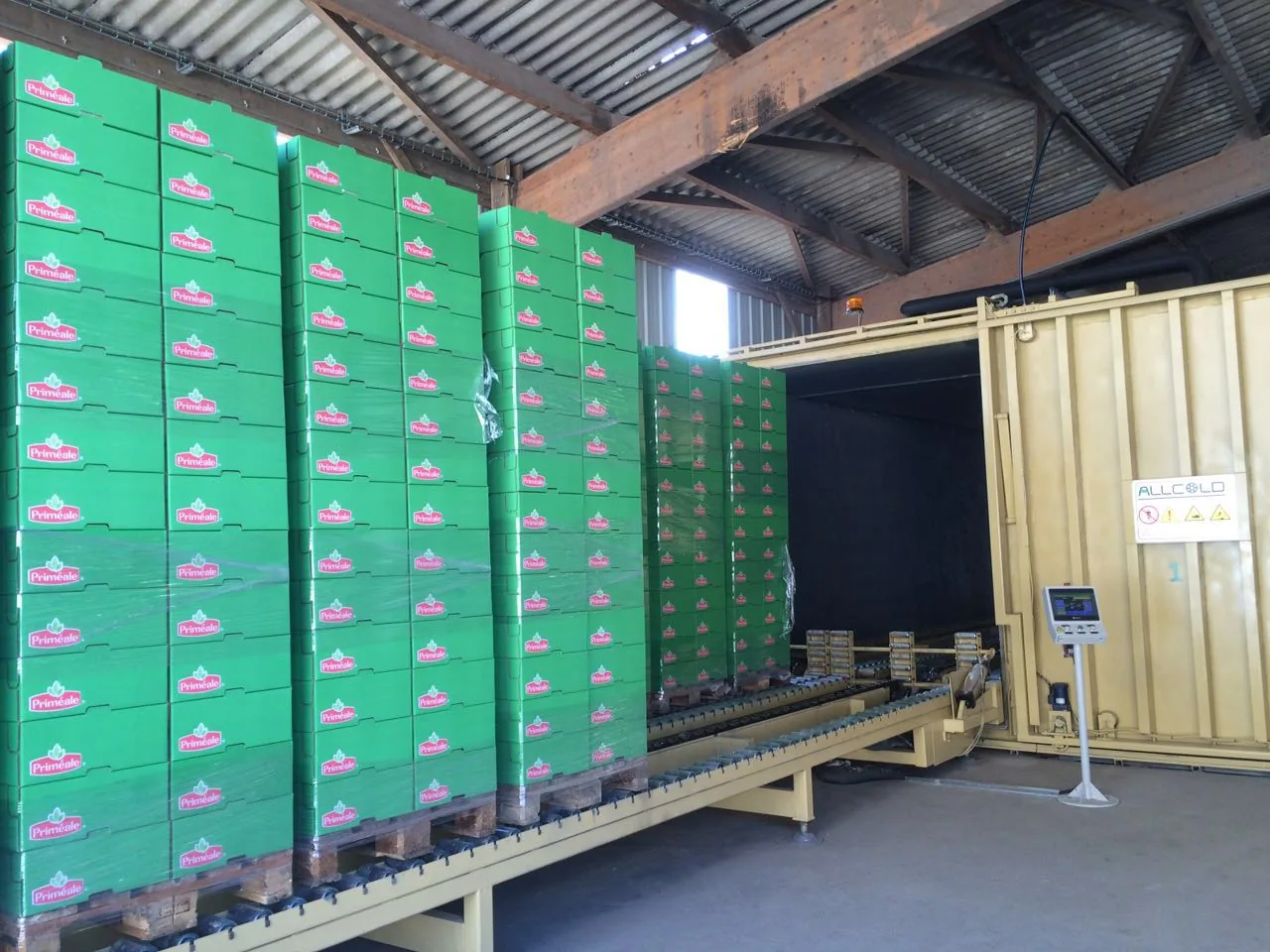
Vacuum Cooling Celery: Is It the Right Choice for Your Packing Line?
Can celery be vacuum cooled? Compare vacuum, hydro and forced-air cooling, then assess packaging, temperature, weight loss and real packing-line throughput.
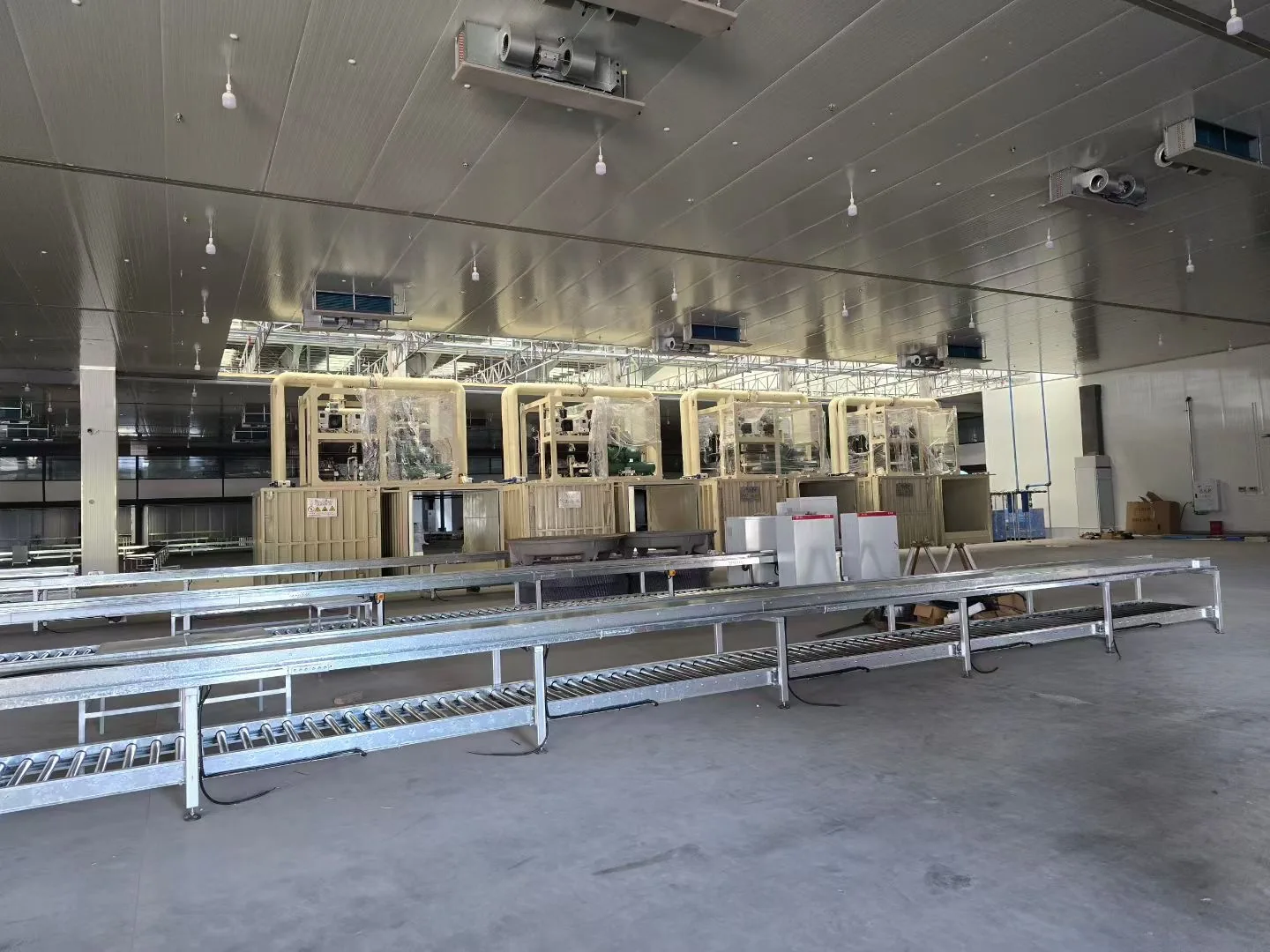
Does a Bigger Vacuum Pump Mean Faster Vacuum Cooling?
Does a larger vacuum pump cool produce faster? Compare m³/h ratings, loaded cooling time and complete batch throughput before buying a vacuum cooler.
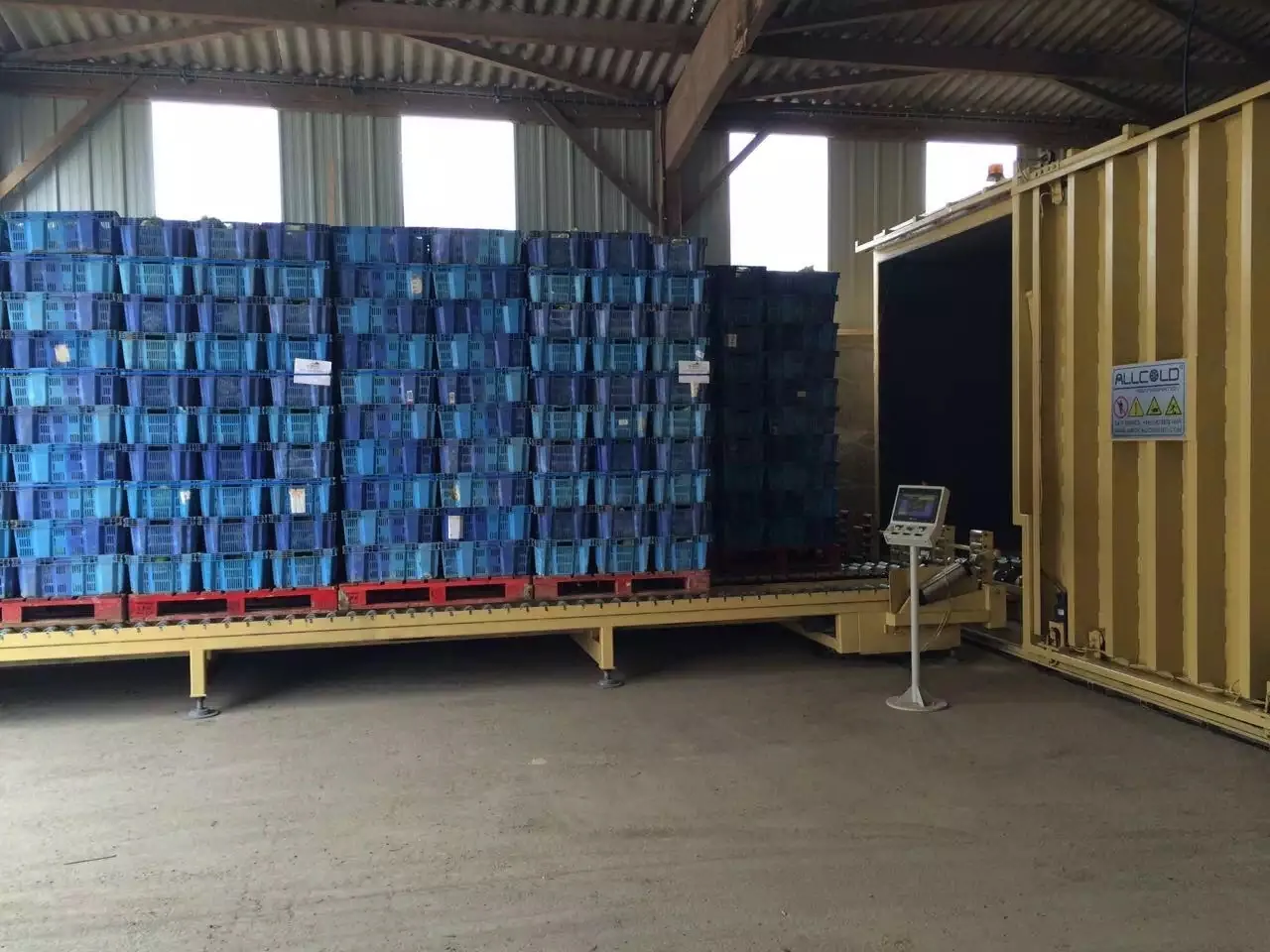
Which Refrigerant Should Your Vacuum Cooler Use?
Choosing a vacuum cooler refrigerant? Check local service support, destination rules, system performance and quotation details before ordering.
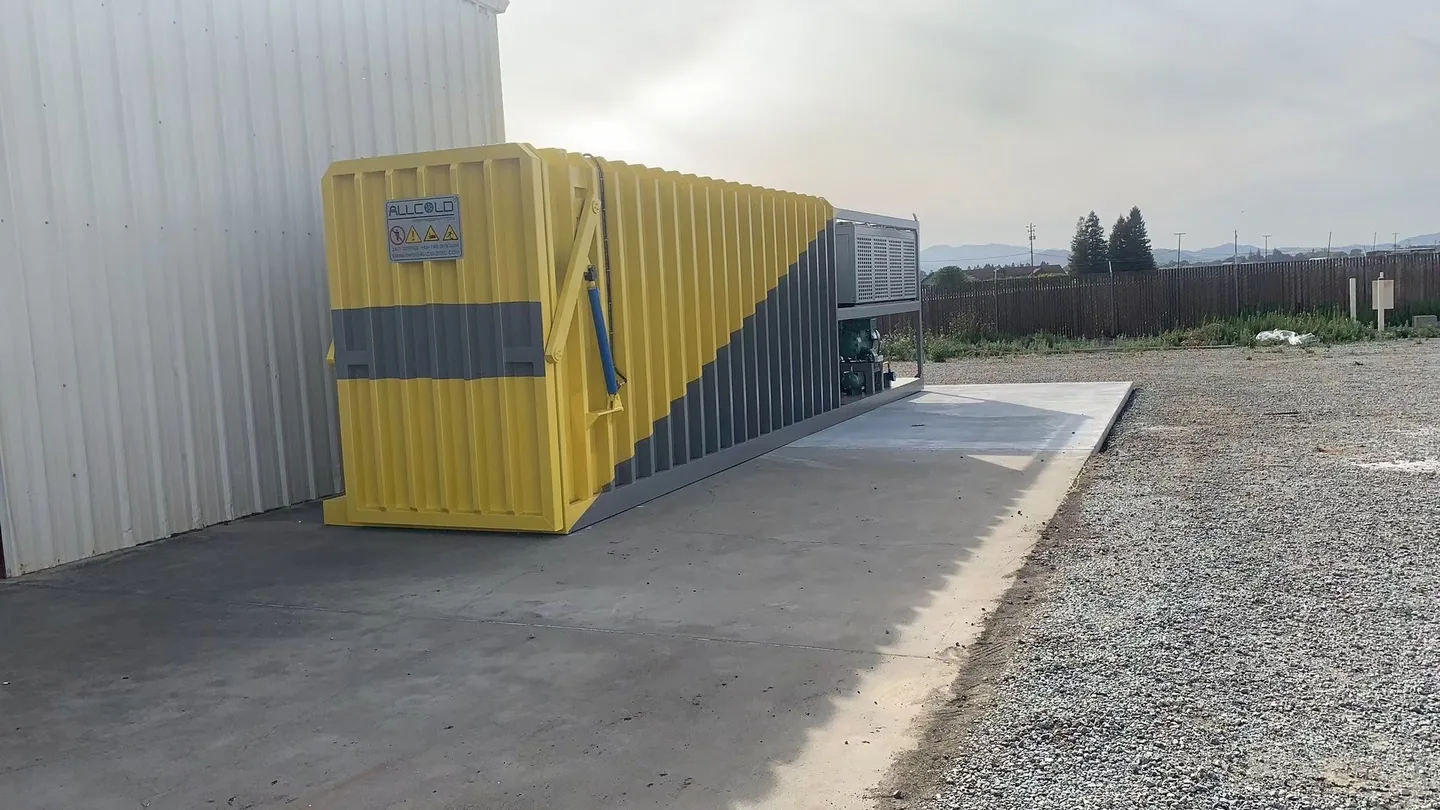
Can Your Floor Support a Vacuum Cooler? Look Beyond Tonnes per Square Metre
Check vacuum cooler floor loading before you buy: operating weight, support reactions, forklift wheel loads, ramps and the site data your engineer needs.
Buying a Vacuum Cooler Near the Coast? Specify More Than Paint
Coastal protection is more than chamber paint. Use this component-by-component checklist to compare vacuum cooler quotations, test evidence and maintenance scope.
50 Hz or 60 Hz? How to Confirm a Vacuum Cooler Will Work at Your Site
Buying a vacuum cooler for 50 Hz or 60 Hz power? Check whole-machine compatibility, auxiliaries, conversion scope and quoted performance before ordering.