
Why Asparagus Loses More Export Value in the First Two Hours After Cutting Than in the Entire Cold Chain That Follows
For fresh asparagus exporters, the most expensive quality loss often happens before the product even reaches the main cold chain. A container may have a clean temperature record. The cold room may be stable. The truck may be monitored. But if asparagus waits too long between cutting and effective pre-cooling, the export value has already started to disappear.
Asparagus is not a slow-moving vegetable after harvest. It continues to respire aggressively, lose moisture, and consume stored reserves. The spear tips are especially sensitive. Once tips loosen, bend, dry, or show early deterioration, the shipment may still be “cold” but no longer export grade.
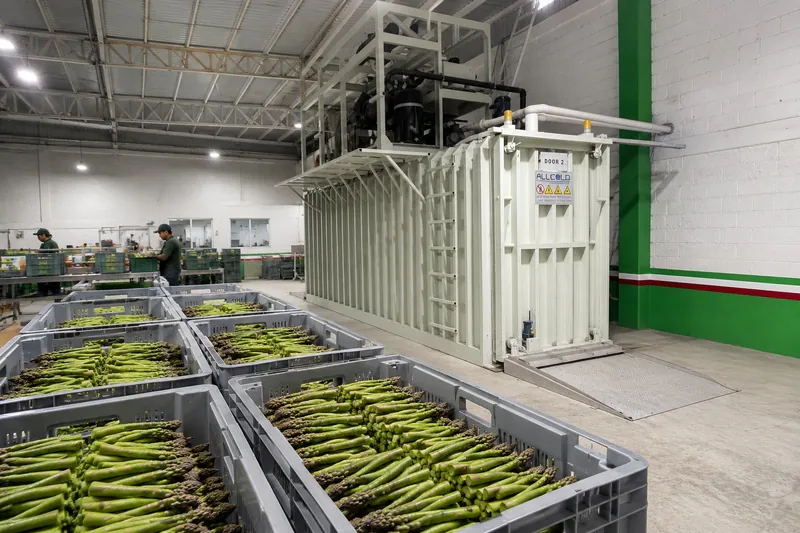
From our factory-side view, many buyers focus too much on the refrigerated journey and not enough on the harvest-to-cooler window. For asparagus, that first window is where the project is won or lost. Vacuum cooling is not just another cooling option here. It can be a practical way to remove heat quickly without soaking the tips, provided the project is designed around real bundle density, packaging, loading pattern, and target temperatures.
Why asparagus respiration rate makes harvest window critical
Asparagus has one of the higher respiration rates among common export vegetables. It keeps using oxygen and releasing heat after harvest at a pace that can surprise buyers who are used to sturdier crops. Every delay between cutting and cooling increases metabolic activity and reduces marketable freshness.
Temperature is the driver, but the commercial result is texture, appearance, tip condition, and buyer confidence. A spear that stayed warm for too long may later sit in a perfect cold room, but the first-hour quality loss cannot be reversed.
This is why a serious asparagus export operation should treat the harvest-to-cooler window as a controlled process, not as a loose handling period. The field crew, transport to the packing house, receiving area, grading line, bundling station, and pre-cooler all form one cooling chain. If any step creates waiting time, the vacuum cooler has to work harder and the product enters the chamber already under stress.
For exporters, the question should not be only, “What temperature can the cooler reach?” A better question is, “How fast can we move cut asparagus from field heat to a stable export temperature without damaging the product?” That question connects harvest planning, staffing, crate movement, batch size, and equipment capacity.
What happens to tips when pre-cooling is delayed
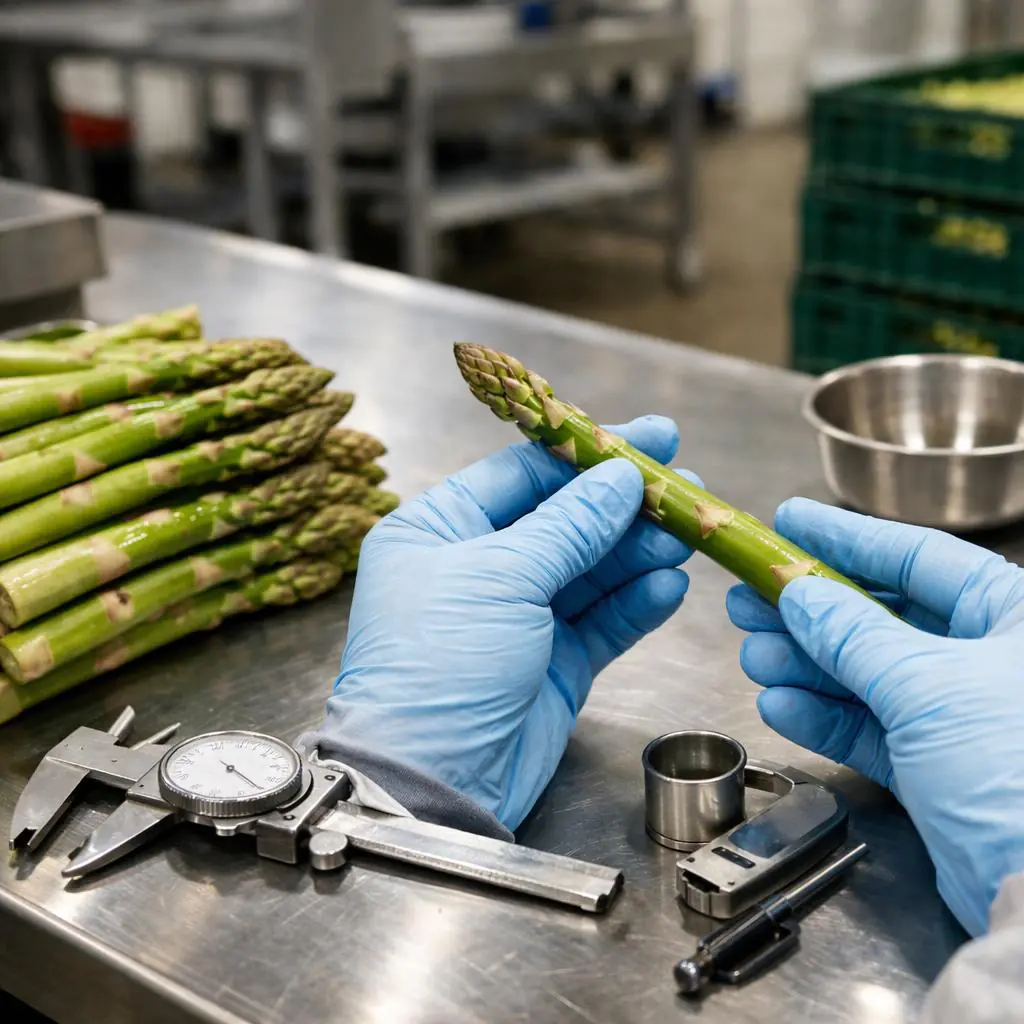
Asparagus tips are the visible quality signal buyers notice first. Even when the stem still looks acceptable, tip condition can tell a different story. Delayed cooling can lead to loose tips, dull surface appearance, moisture imbalance, and higher risk of browning or decay during distribution.
The commercial issue is simple: destination buyers rarely pay for the explanation. They judge the carton. If the tip appearance has deteriorated, the exporter carries the claim risk, even if later logistics temperature records look clean.
A common mistake is assuming that asparagus quality loss is mainly a transit problem. In reality, a shipment can be harmed before loading if warm product sits in dense crates or bundles for too long. Heat remains in the mass, moisture movement becomes uneven, and tips suffer because they are delicate and exposed.
This matters for premium export programs where shelf life is measured against buyer expectations, not only technical survival. Supermarket buyers and importers want consistent arrival quality. If some cartons show loose tips while others look good, the buyer sees process instability. The exporter sees lower trust.
Vacuum cooling can reduce this risk because it removes heat quickly from the product mass. But it must be connected to a disciplined receiving and loading workflow. A vacuum cooler cannot fully rescue asparagus that has already been mishandled for hours in warm conditions.
Why vacuum cooling suits asparagus better than hydrocooling or forced-air
Hydrocooling, forced-air cooling, and vacuum cooling can all remove heat, but they do not carry the same risk profile for asparagus. Hydrocooling can be fast, but it introduces water contact. For asparagus, especially where tip condition and microbial risk control matter, wetting the tips can create handling concerns if water quality, sanitation, and drying are not tightly controlled.
Forced-air cooling is familiar and useful for many products, but it depends heavily on airflow pathways. With bundled asparagus, dense crate loading, sleeve packaging, and carton patterns can slow uniform cooling. The outside product may cool faster while the center of the pack remains warm. For high-respiration asparagus, that delay matters.
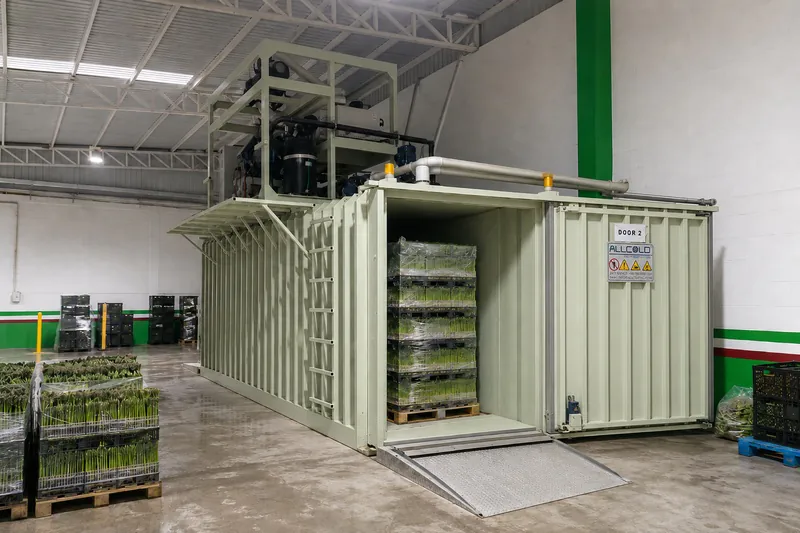
Vacuum cooling works differently. By reducing pressure, moisture evaporates from the product surface and carries heat away. For a product with suitable surface characteristics and high urgency for rapid heat removal, this can be a strong fit. The key advantage for asparagus is fast cooling without immersing or spraying the product. In many export operations, that is commercially important because buyers want tight tips, clean appearance, and controlled handling.
That does not mean vacuum cooling is automatic. Asparagus still needs careful cycle control. Over-aggressive settings can create unnecessary moisture loss. Poor loading patterns can reduce uniformity. Weak post-cooling handling can allow temperature rebound. The technology fits the crop, but the process must fit the operation.
When buyers compare methods, we recommend looking beyond headline cooling speed. Compare sanitation burden, water management, packaging compatibility, batch handling, uniformity, labor, maintenance, and claim risk. For a broader comparison, Allcold has discussed the decision logic in vacuum cooling vs. traditional cooling for fresh produce.
For asparagus exporters, the strongest argument for vacuum cooling is not that it sounds advanced. It is that the crop loses value quickly, the tips are sensitive, and wet cooling may create avoidable complications. A well-designed vacuum process can protect export grade at the point where the product is most vulnerable.
What pre-cooling temperature targets exporters should specify
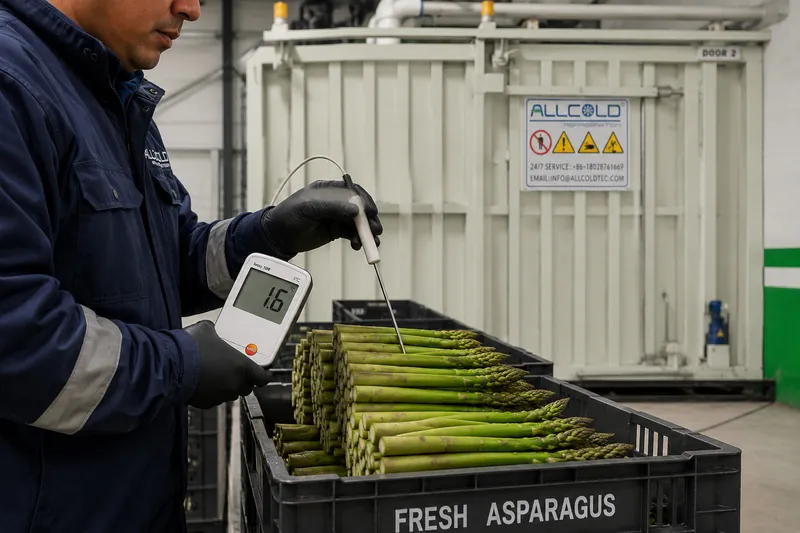
A serious asparagus project brief should specify target pulp temperature, not only cold room temperature. Cold room air temperature tells us the environment. Pulp temperature tells us what happened to the product. For export asparagus, the pre-cooling target must be realistic, measurable, and linked to the next stage: holding, packing, loading, and transport.
Many postharvest guides recommend very low storage temperatures for asparagus, close to the freezing-safe range for the crop. The exact operating target should be confirmed against the product type, packaging format, buyer specification, and logistics route. What matters commercially is that the exporter defines the target before buying equipment, instead of asking the machine supplier to guess after installation.
Separate three targets: arrival temperature from field, discharge pulp temperature after pre-cooling, and holding temperature in cold storage and loading. If these are mixed together, the project becomes unclear. A buyer may say “we need 2°C,” but does that mean chamber discharge, carton center, cold room set point, or truck loading temperature?
For asparagus, we usually advise exporters to build a temperature map around batch reality. Measure several positions: outside bundles, center bundles, top and lower layers, and different pallet positions. This is the only way to know whether the process is cooling the whole batch or only the easiest locations.
Exporters should also define acceptable temperature spread. A batch average can hide warm centers. If the target is met only on easy-to-cool product, the shipment still carries risk. The project specification should tell the supplier what uniformity is required and how it will be checked.
This is where pre-cooling becomes a management system, not a machine purchase. The right target protects shelf life. The right measurement proves it. The right records help defend the exporter when destination quality questions appear.
How packaging and bundle density affect cycle time
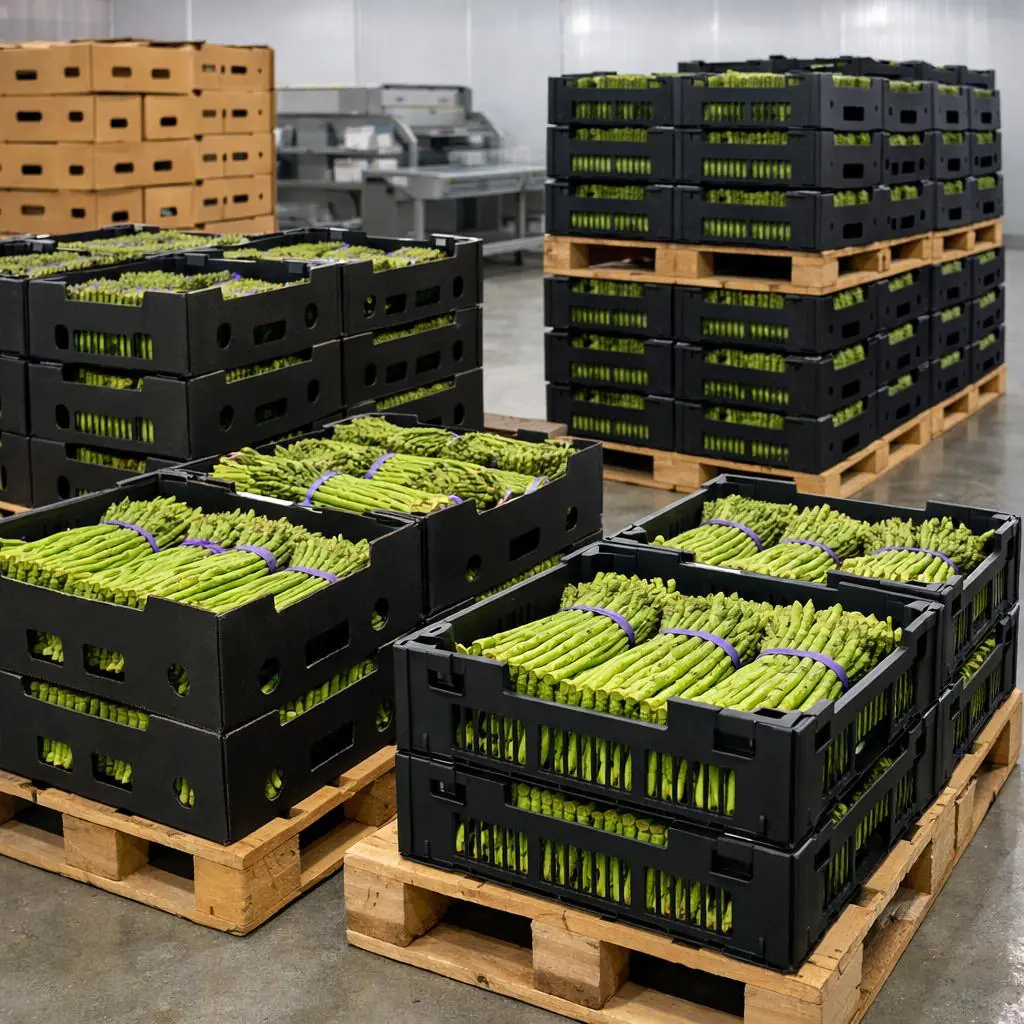
Asparagus is rarely cooled as loose individual spears. It is handled in bundles, sleeves, crates, cartons, or pallet loads. Each format affects cooling speed. Dense bundles restrict moisture and heat movement. Tight sleeves can slow cooling. Poorly ventilated cartons create uneven temperature reduction. Overstacked pallets may create differences between outer and inner positions.
This is why cycle time cannot be copied from another project without testing. A supplier may provide a general cycle estimate, but the real number depends on spear diameter, bundle size, packaging material, carton ventilation, load height, initial temperature, target temperature, and allowable moisture loss.
For exporters, the practical question is: what is the normal commercial pack? If the product is exported in a specific carton or sleeve, test that format. Do not test loose product and assume the export pack will behave the same.
Bundle density also affects moisture control. Vacuum cooling removes heat through evaporation. If the load is too dense, some areas may cool slower while exposed areas lose more moisture. The goal is not the shortest possible cycle. The goal is a repeatable cycle that reaches target temperature with acceptable product condition.
A good asparagus project should include trial runs for the main packaging formats. Record starting temperature, ending pulp temperature, cycle time, weight change, visual tip condition, and temperature spread across the load. These records become the operating standard for the packing house.
What a serious asparagus export project brief should include
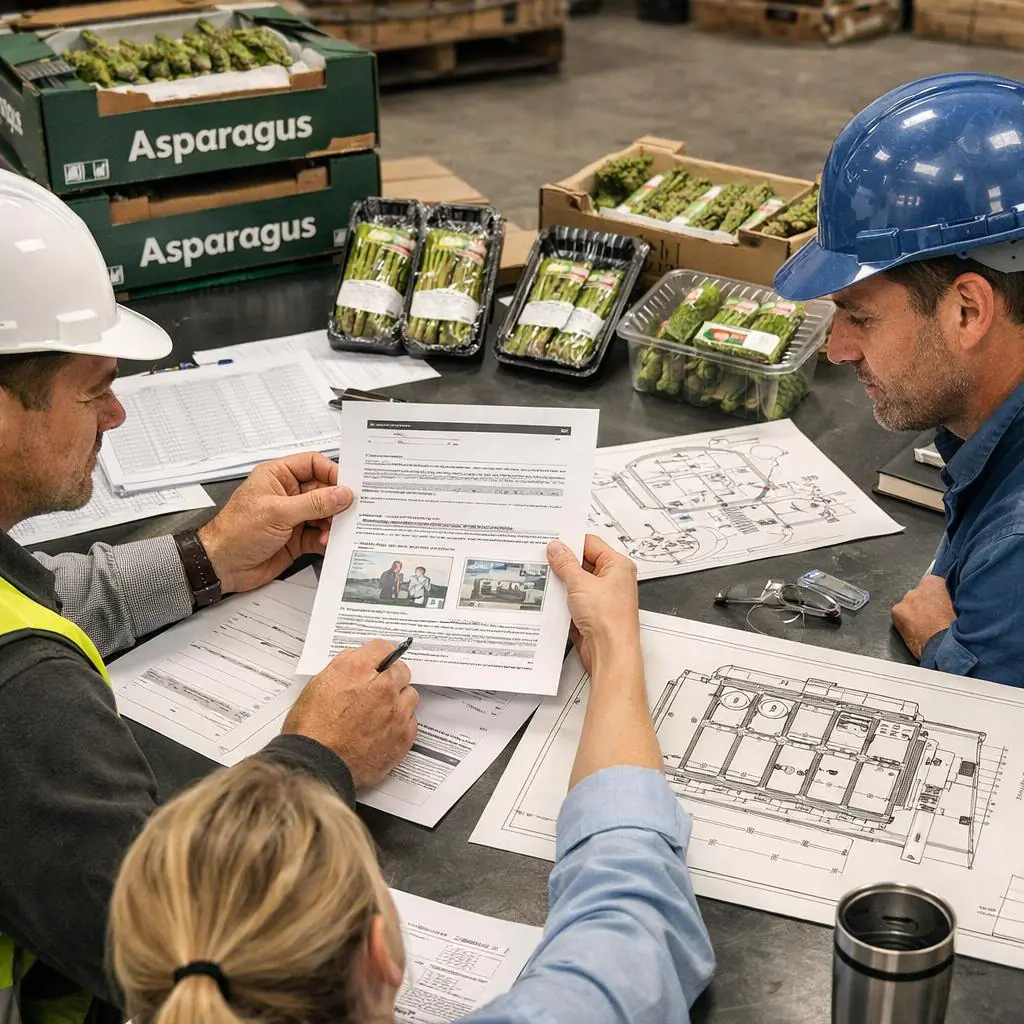
Before comparing vacuum cooler suppliers, asparagus exporters should prepare a specific project brief. A vague request for “one asparagus vacuum cooler” usually produces vague quotations that are hard to compare.
The brief should start with product information: asparagus variety if relevant, spear diameter range, harvest temperature range, daily volume, peak-hour volume, bundle size, carton size, and target markets. Then define the workflow: harvest timing, transport to packing house, receiving buffer, grading, bundling, pre-cooling, cold storage, and loading.
Next, specify the cooling requirement. Include target pulp temperature, acceptable temperature spread, expected cycle time range, number of batches per hour, and whether different packaging formats require different recipes. If the buyer has a destination specification, include it.
The brief should also cover site conditions. Vacuum cooling equipment needs power, water, drainage, floor space, door access, maintenance clearance, and connection to the packing workflow. If pallet movement is slow or the cooler is placed far from the grading line, equipment capacity will not translate into real throughput.
Finally, include quality and record requirements: tip checks before and after cooling, temperature measurement points, batch IDs, cycle logs, and cold room transfer records. These details connect the cooling system to export claim prevention. For more on first-mile handling, see Allcold’s article on whether the cold chain is broken before it even starts.
A serious supplier should respond to this brief with process questions, not only a price. If no one asks about packaging, batch size, target temperature, or harvest window, the project is being treated as a machine sale instead of an export-quality system.
Conclusion
Asparagus loses export value quickly because the product is biologically active, commercially sensitive, and visually judged. The first two hours after cutting can matter more than the long refrigerated journey that follows. Once tip quality declines, a clean temperature log later in the chain cannot fully restore buyer confidence.
Vacuum cooling can be a strong fit for asparagus because it removes heat quickly without wetting the tips. But the real success comes from matching the cooler to the harvest window, packaging format, bundle density, target pulp temperature, and packing house workflow.
For exporters, the lesson is clear: do not buy cooling capacity in isolation. Build a pre-cooling process around the product’s most vulnerable period. If you share your asparagus pack format, peak harvest volume, target market, and required discharge temperature, we can help review the main project risks before you compare equipment quotations.
External References
- UC Davis Postharvest Technology Center, commodity fact sheet resources
- FAO, *The role of post-harvest management in assuring the quality and safety of horticultural produce*
- FAO, *Manual for the preparation and sale of fruits and vegetables: From field to market*
- ASHRAE Handbook resources, including refrigeration references
- USDA Agricultural Marketing Service, fresh fruit and vegetable inspection resources
- Postharvest Biology and Technology journal
Looking for the right vacuum cooler for your operation?
Allcold engineers work with packhouses and exporters to spec the right system for your product, volume, and site conditions.

Mila
You May Also Like
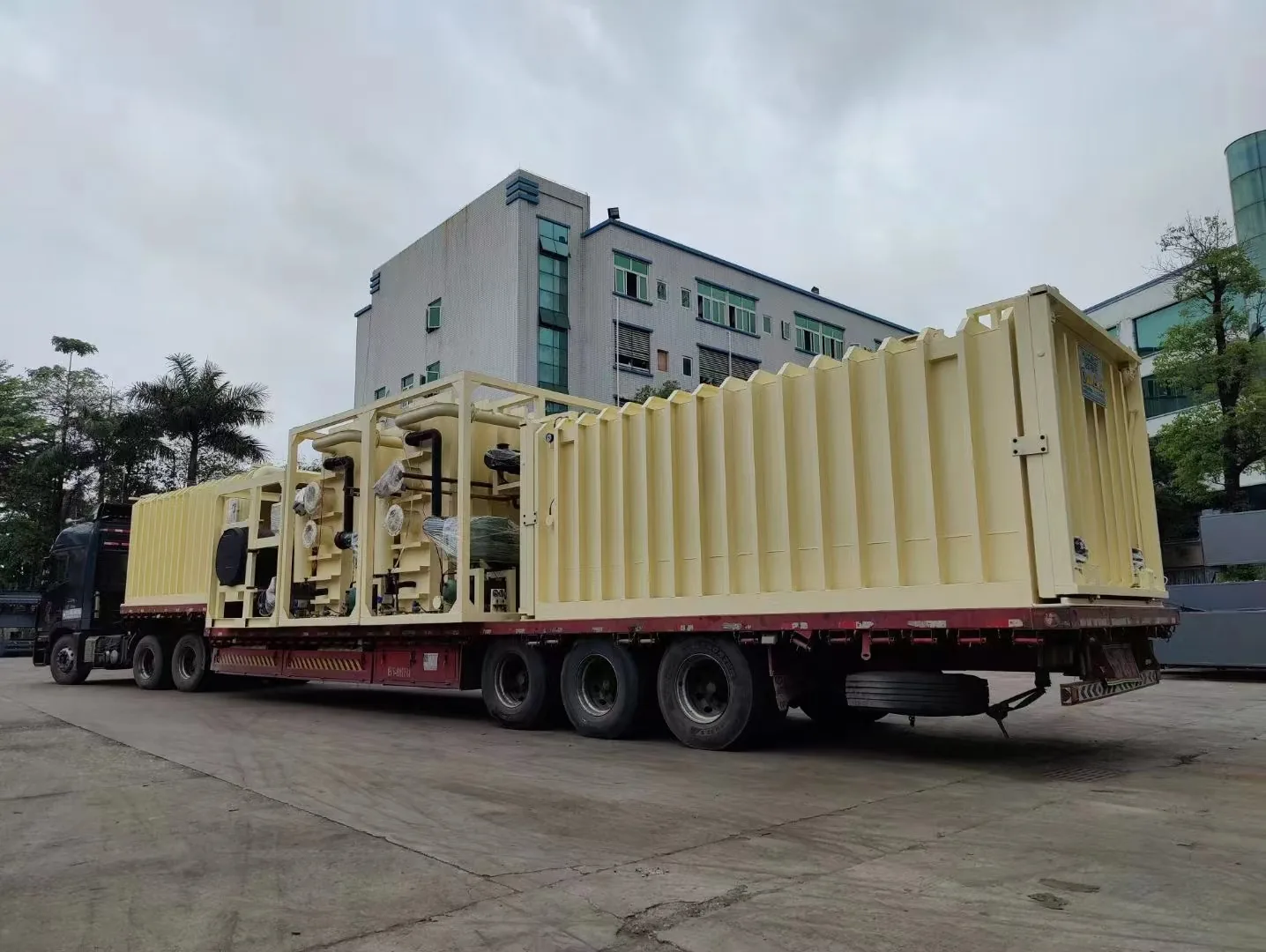
Used vs. New Vacuum Coolers: Is the Lower Price Worth It?
Buying a used vacuum cooler? Compare load fit, condition, relocation, installed cost and support with a new system before deciding if the saving is real.
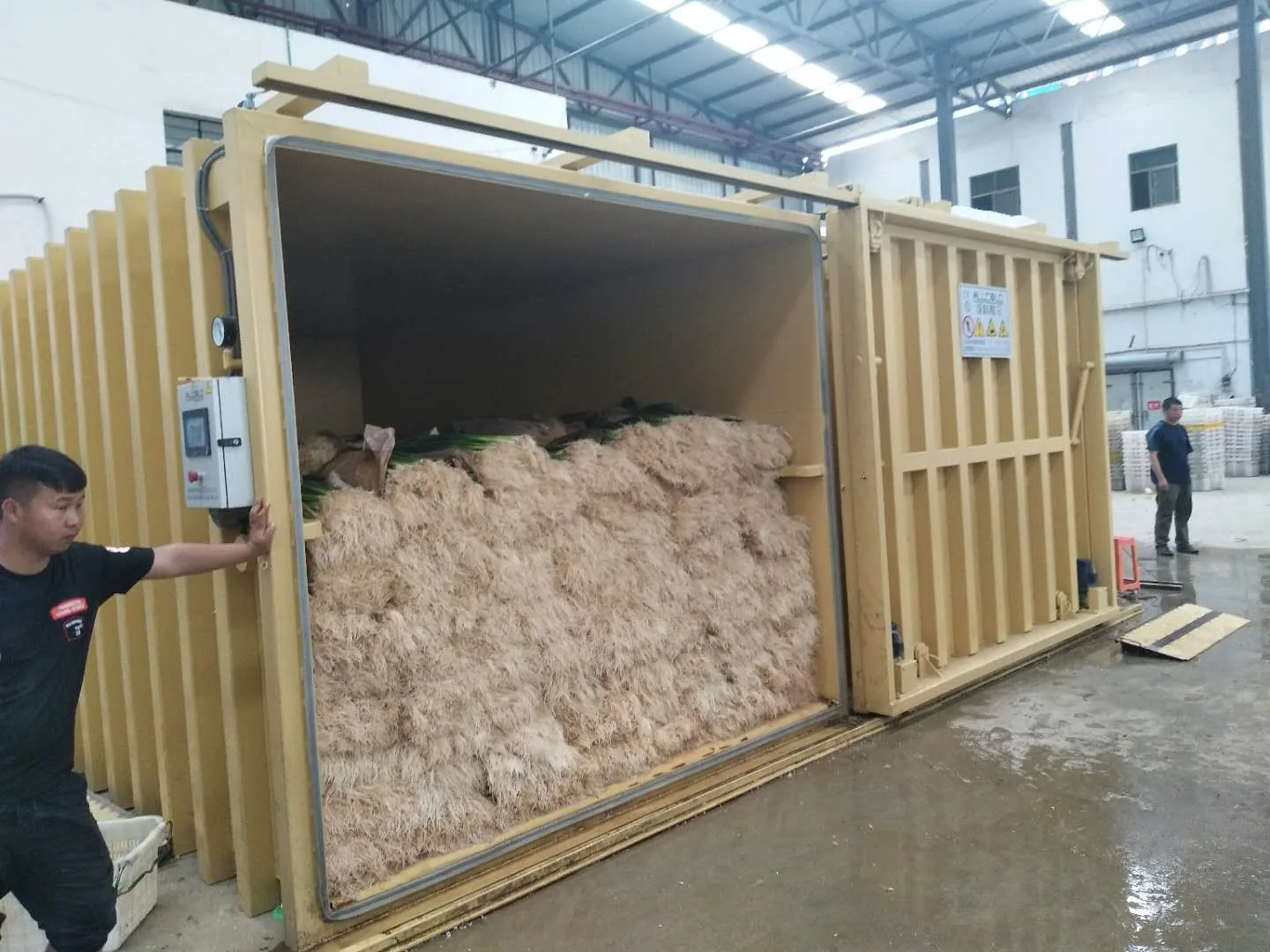
Why Does Produce Sweat After Vacuum Cooling?
FRESH PRODUCE · POST-COOLING HANDLING The cooling cycle can finish correctly—and the load can still become wet on its way
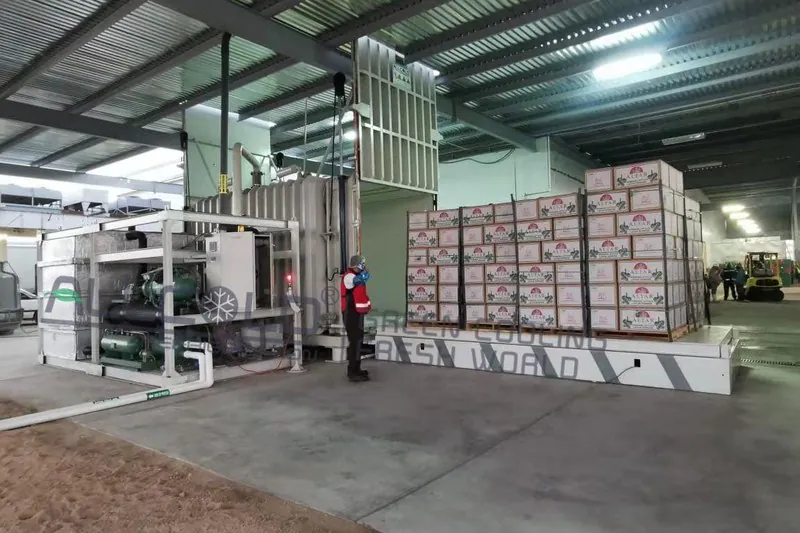
Vacuum Cooler Not Performing? Check Your Pallet Loading First
When a vacuum cooler produces inconsistent results—warm spots, longer cycle times, variable exit temperatures across the load—the machine is usually
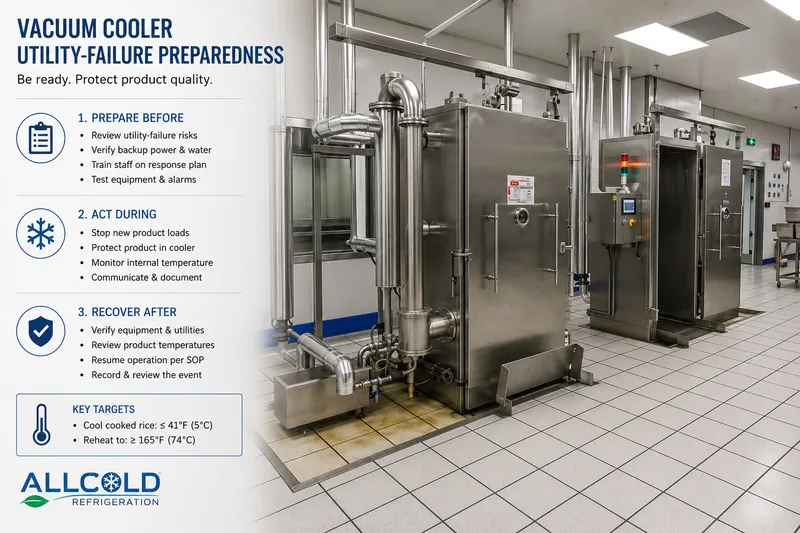
Why One Successful Cooked Rice Cooling Test Is Not Enough to Standardize a Central Kitchen Process
A cooked rice batch can pass a vacuum cooling test and still fail as a production process. That is the
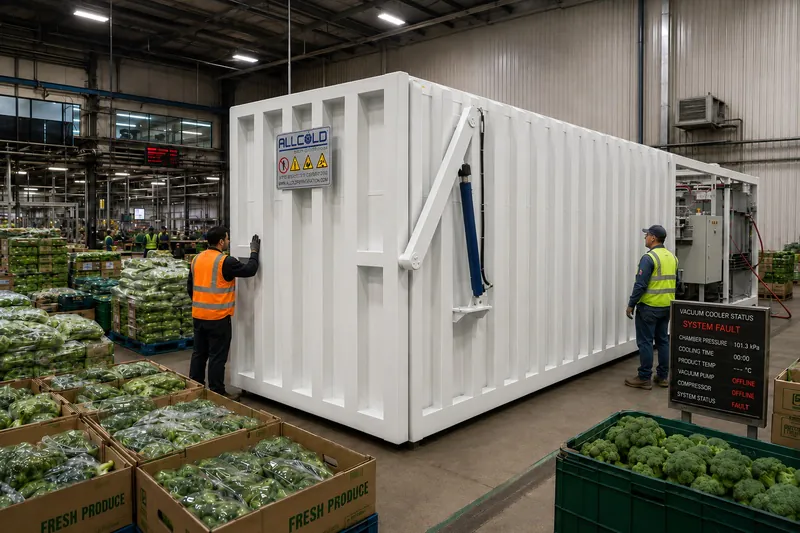
Why a Vacuum Cooler Utility Failure Becomes an Export Quality Problem Before It Becomes a Repair Problem
A vacuum cooler stoppage does not start as a maintenance problem. In a produce export operation, it becomes a quality
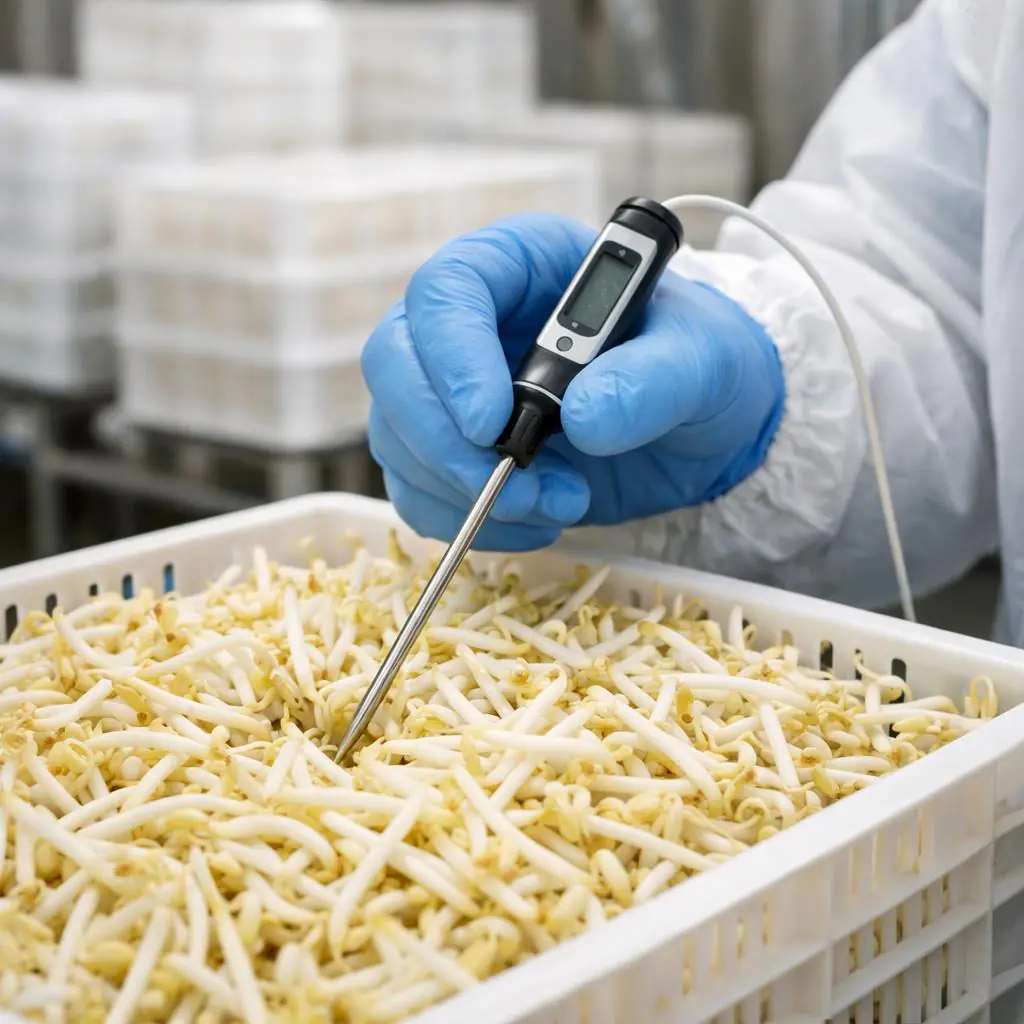
Why Bean Sprouts Are One of the Hardest Vegetables to Pre-Cool Correctly and What Exporters Get Wrong
Bean sprouts look simple. They are light, moist, and usually packed in bulk or retail bags. But from a pre-cooling
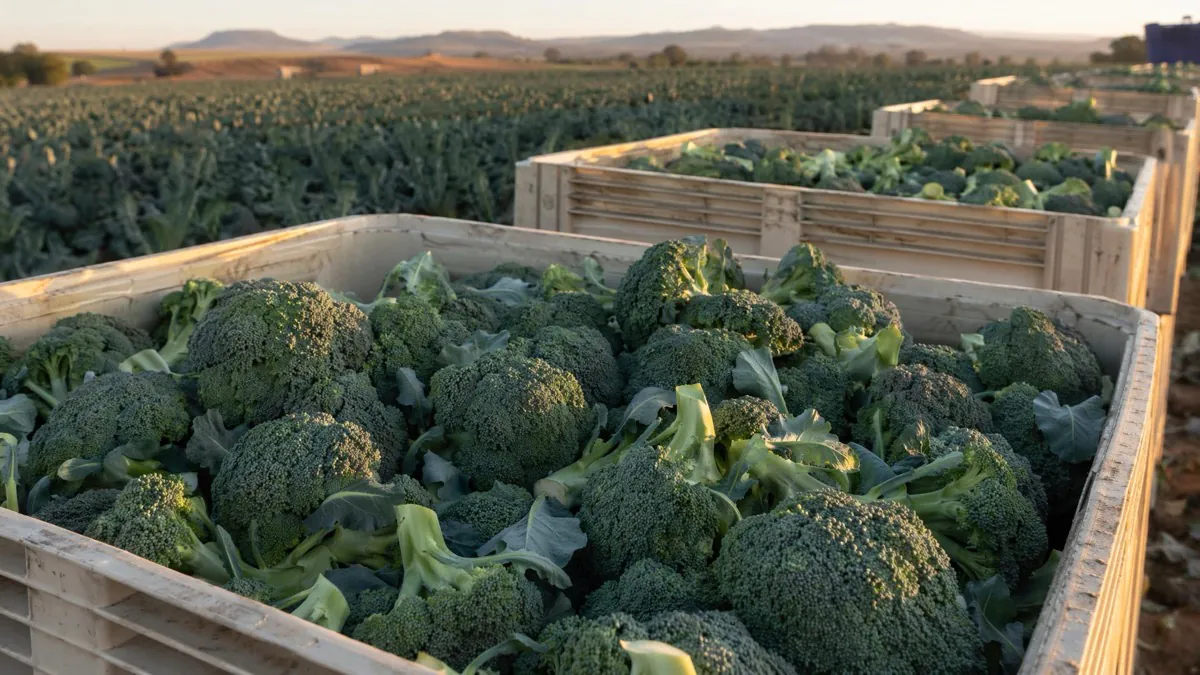
Why Broccoli Loses Export Quality Faster Than Any Temperature Log Will Show
The complaint comes in from the buyer: yellowing, premature flowering, weak texture on arrival. The exporter reviews the cold room
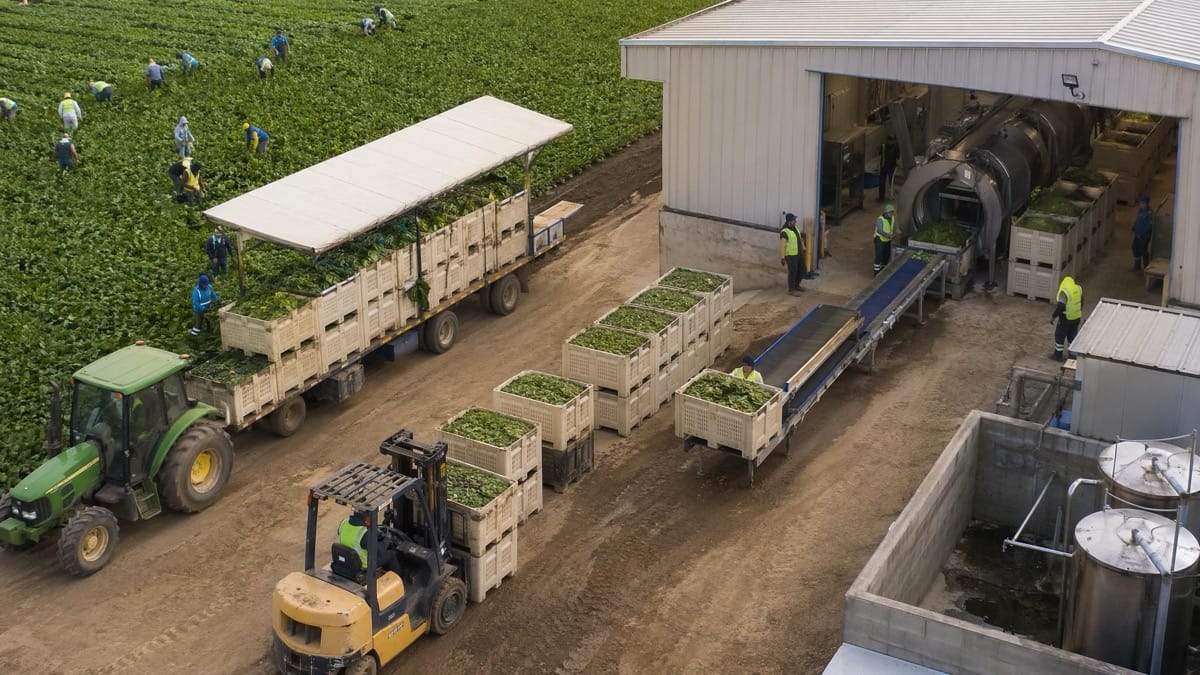
Why Spinach Shipments That Leave Looking Perfect Arrive Looking Wrong
The complaint lands differently with spinach than with most other export vegetables. The exporter packed dark green, crisp product. The
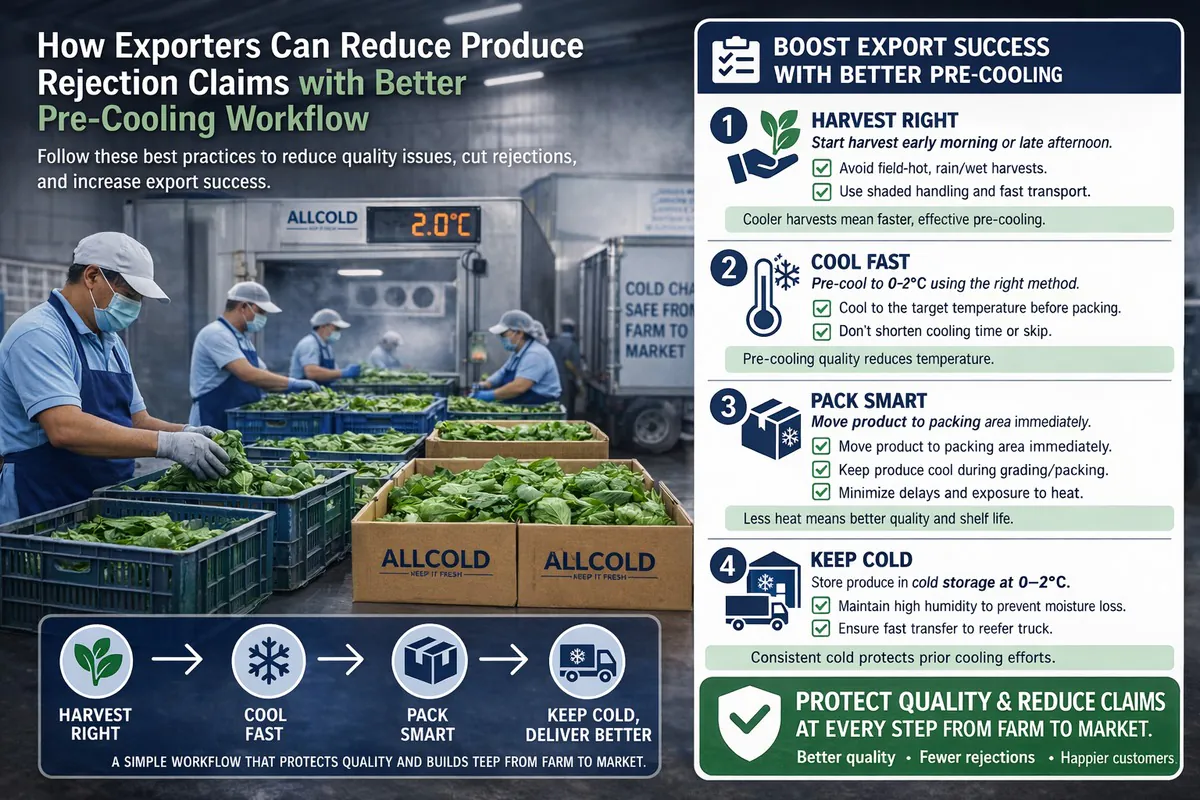
How Exporters Can Reduce Produce Rejection Claims with Better Pre-Cooling Workflow
Learn how exporters can reduce produce rejection claims by improving pre-cooling workflow, timing control, packing handoff, and first-mile cold chain stability.
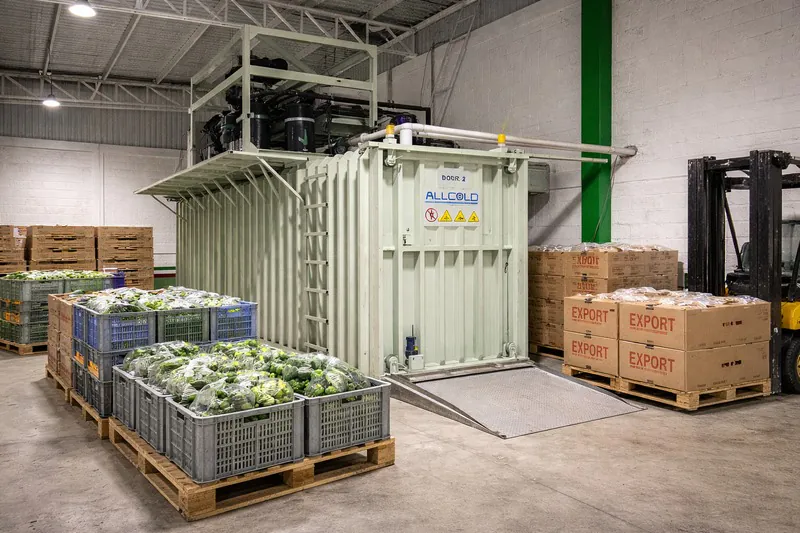
Buying a Vacuum Cooler for Fresh Produce Export? Avoid These Costly Procurement Mistakes
Buying a vacuum cooler for fresh produce export is not simply a machine purchase. It is a project decision that