ALLCOLD · MULTI-CROP FARM & PACKHOUSE GUIDE
A chamber with spare pallet space makes mixed loading tempting. The better decision starts with compatible cooling requirements—and what each crop needs next.
Three pallets are ready. The fourth will arrive in forty minutes. Beside the loading area sits a different vegetable that could fill the space now. Should you put it into the same vacuum-cooling batch?
For a farm handling several crops, this is a practical equipment question. Mixing compatible loads may help use the available chamber space. Mixing incompatible loads can leave you choosing between one crop that is still too warm and another that has already reached its acceptable endpoint.
Different vegetables can share a vacuum-cooling batch only when their requirements are compatible and the proposed combination has been checked under representative conditions. Review product suitability, acceptable exit temperatures, packaging, moisture loss and cooling response. A machine that can process several crops in separate batches is not automatically approved to cool them together.
The decision before you fill the spare space
- Separate the loads if their acceptable temperature ranges do not overlap or one product is unsuitable for the proposed process.
- Keep them separate while checking if the combination, packaging or incoming condition is new.
- Use a previously checked combination only within its agreed limits for crop, pack, starting temperature, load and operating procedure.
Plan capacity around the batches you can reliably run, including those that need to remain separate.
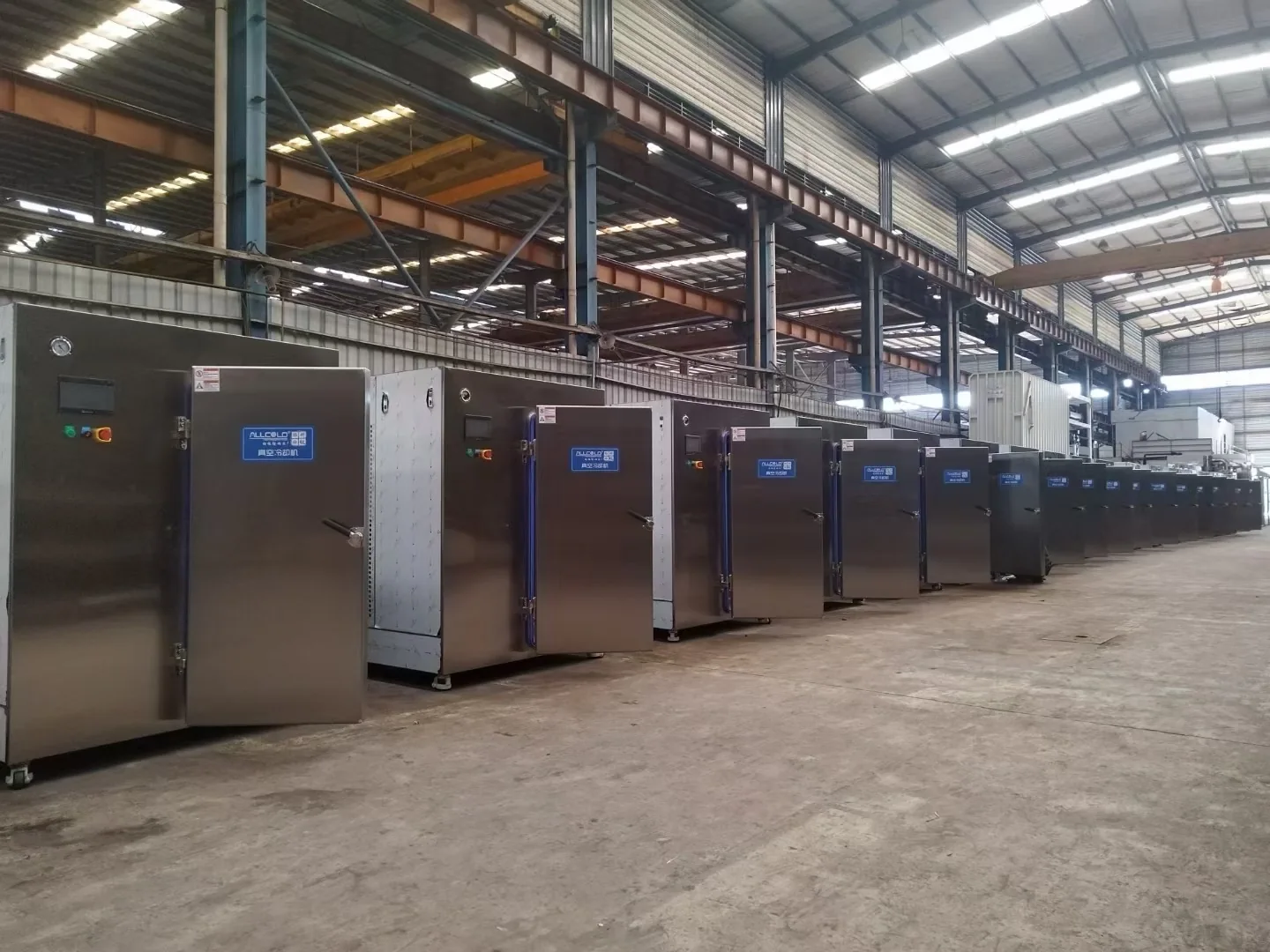
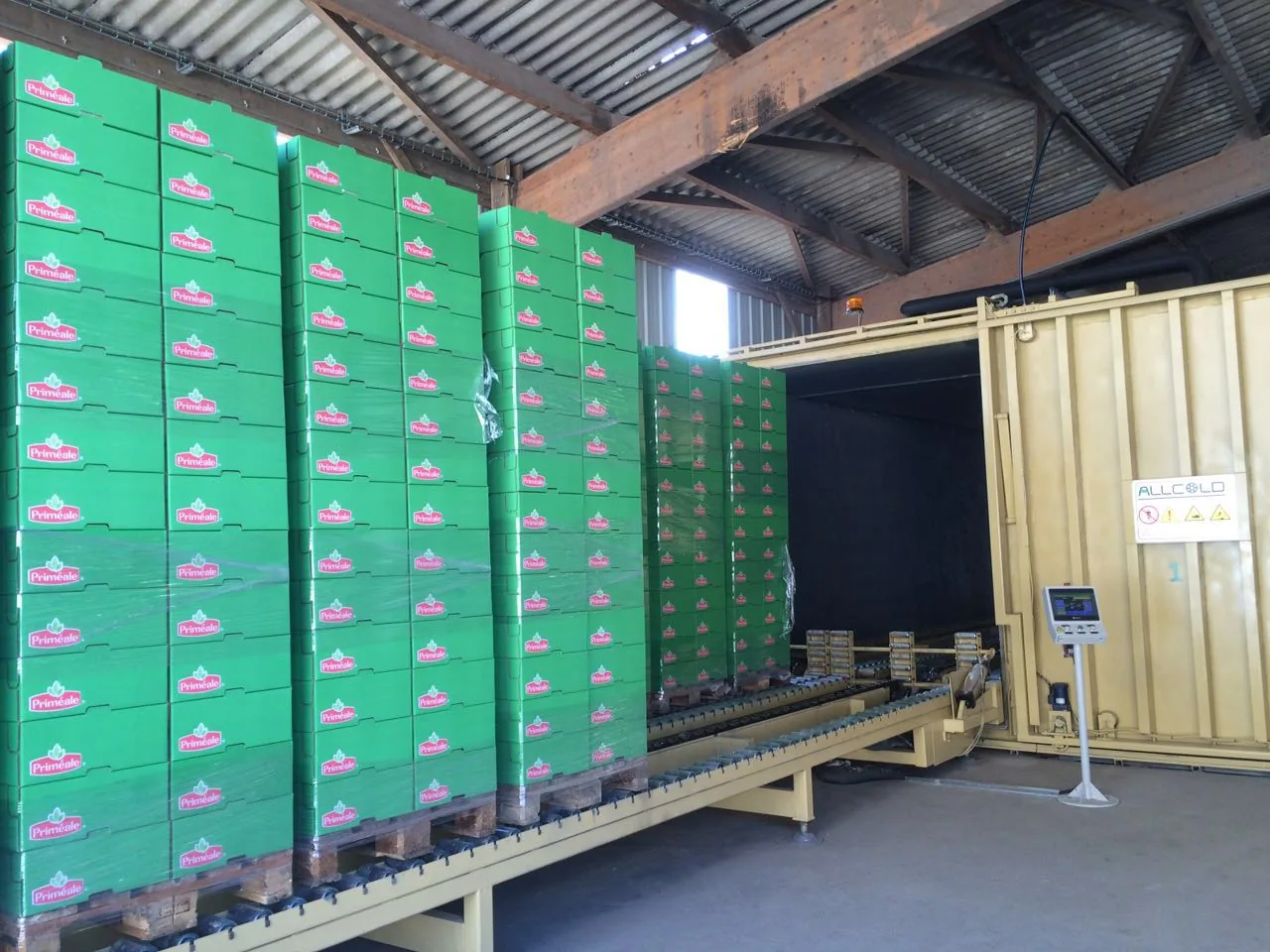
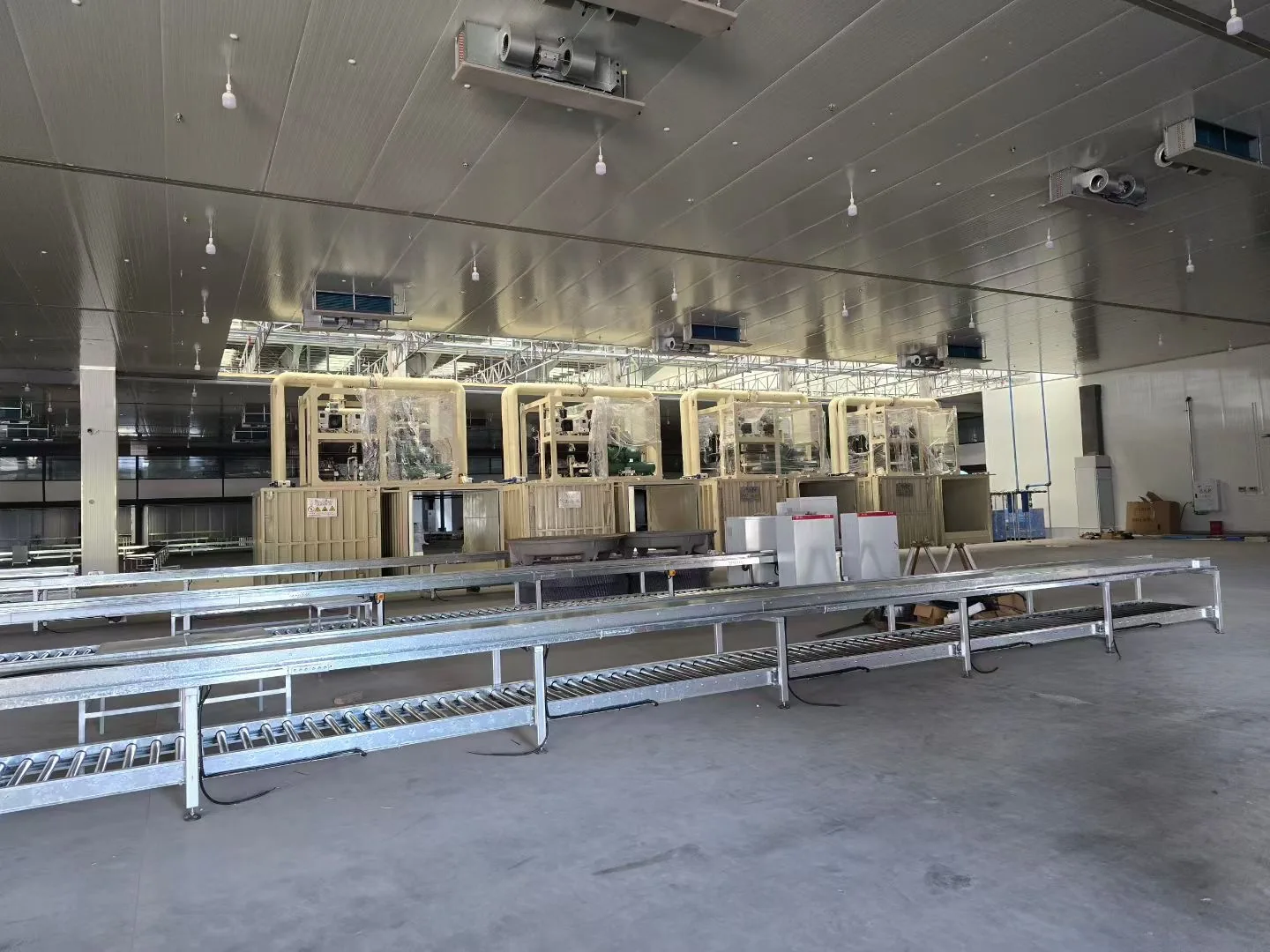
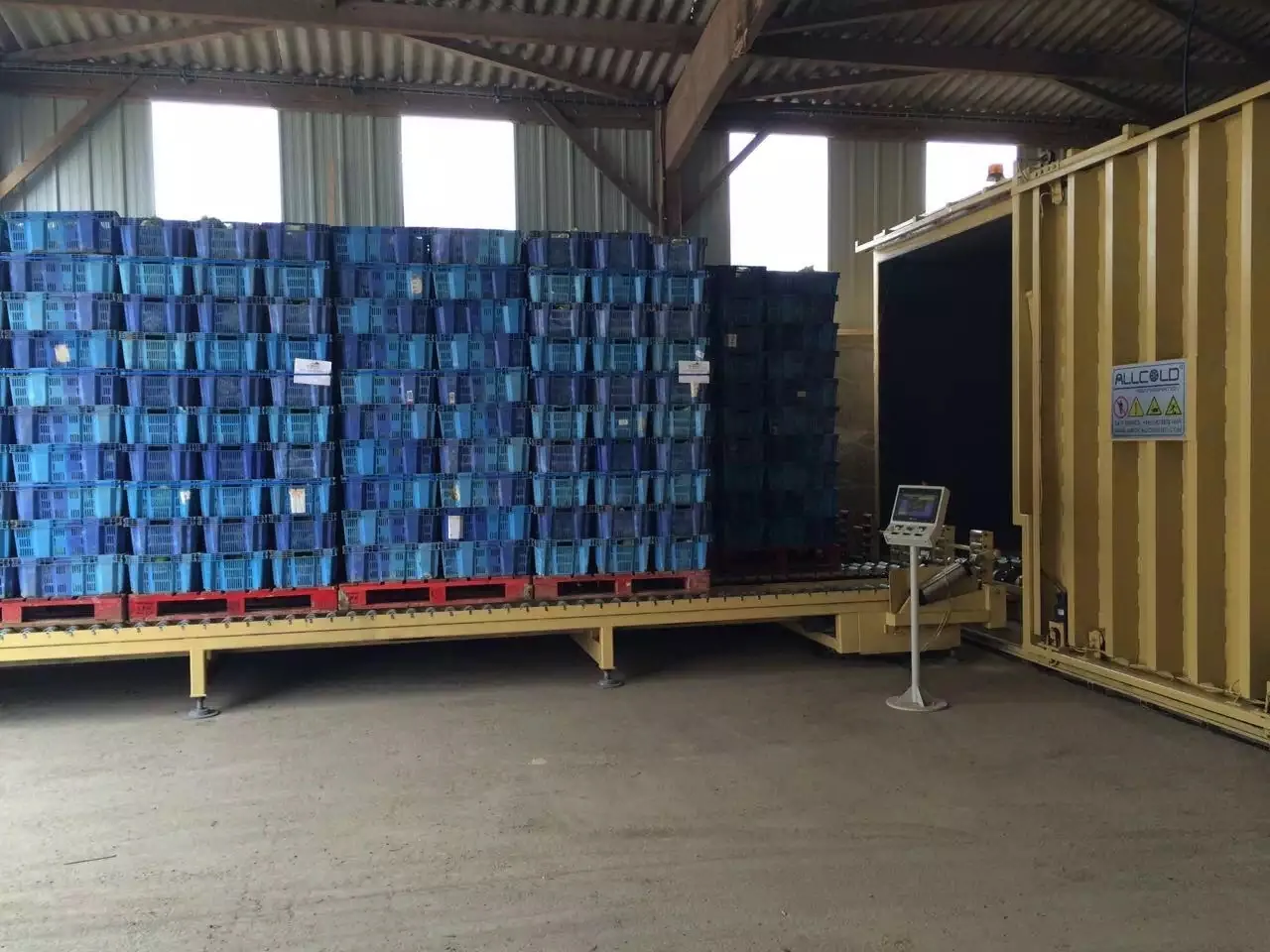
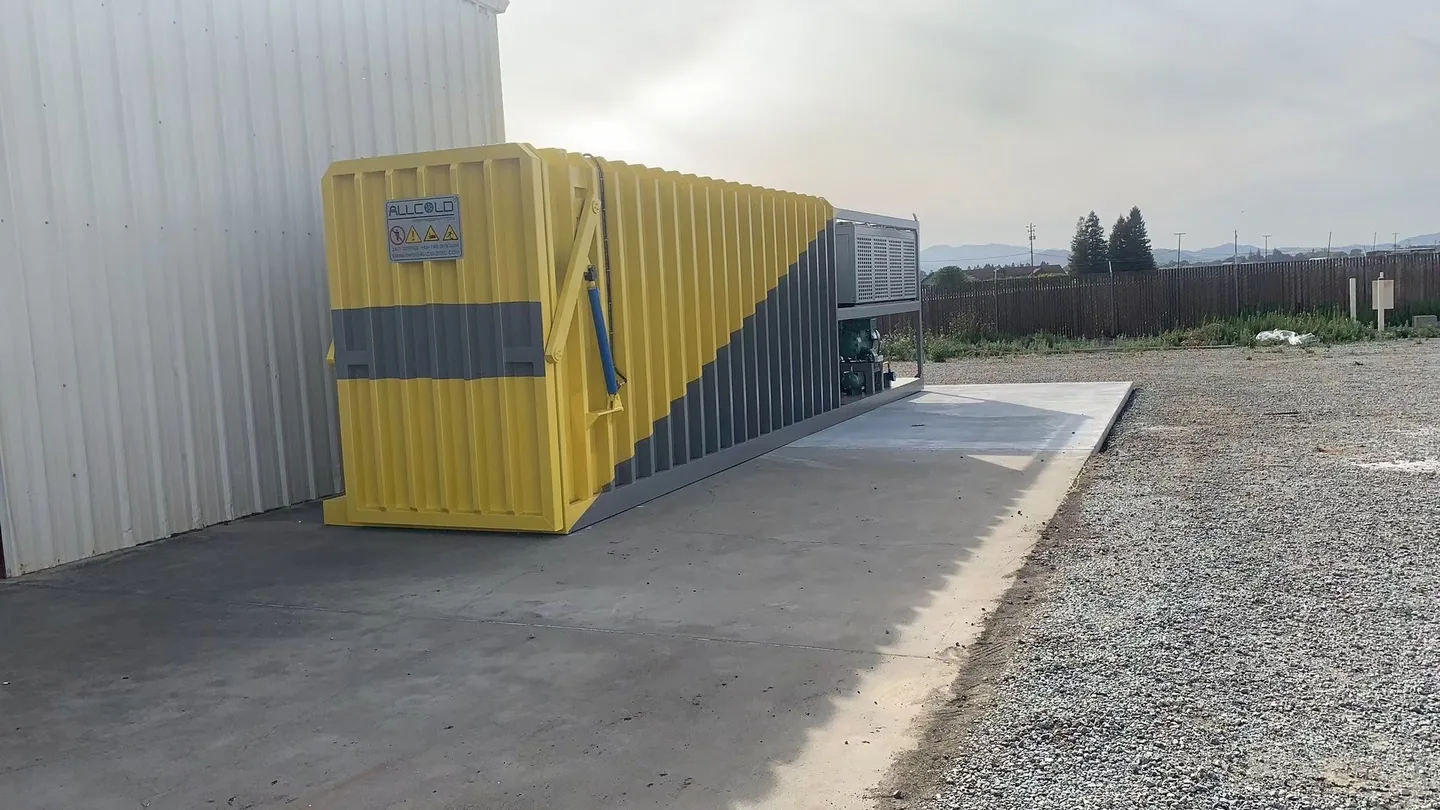
Allcold’s fresh-produce vacuum cooling equipment can be configured around product type, batch volume, pallet or crate format and plant layout. For a multi-crop operation, the useful starting point is your crop-by-crop workload, rather than a single daily tonnage figure.
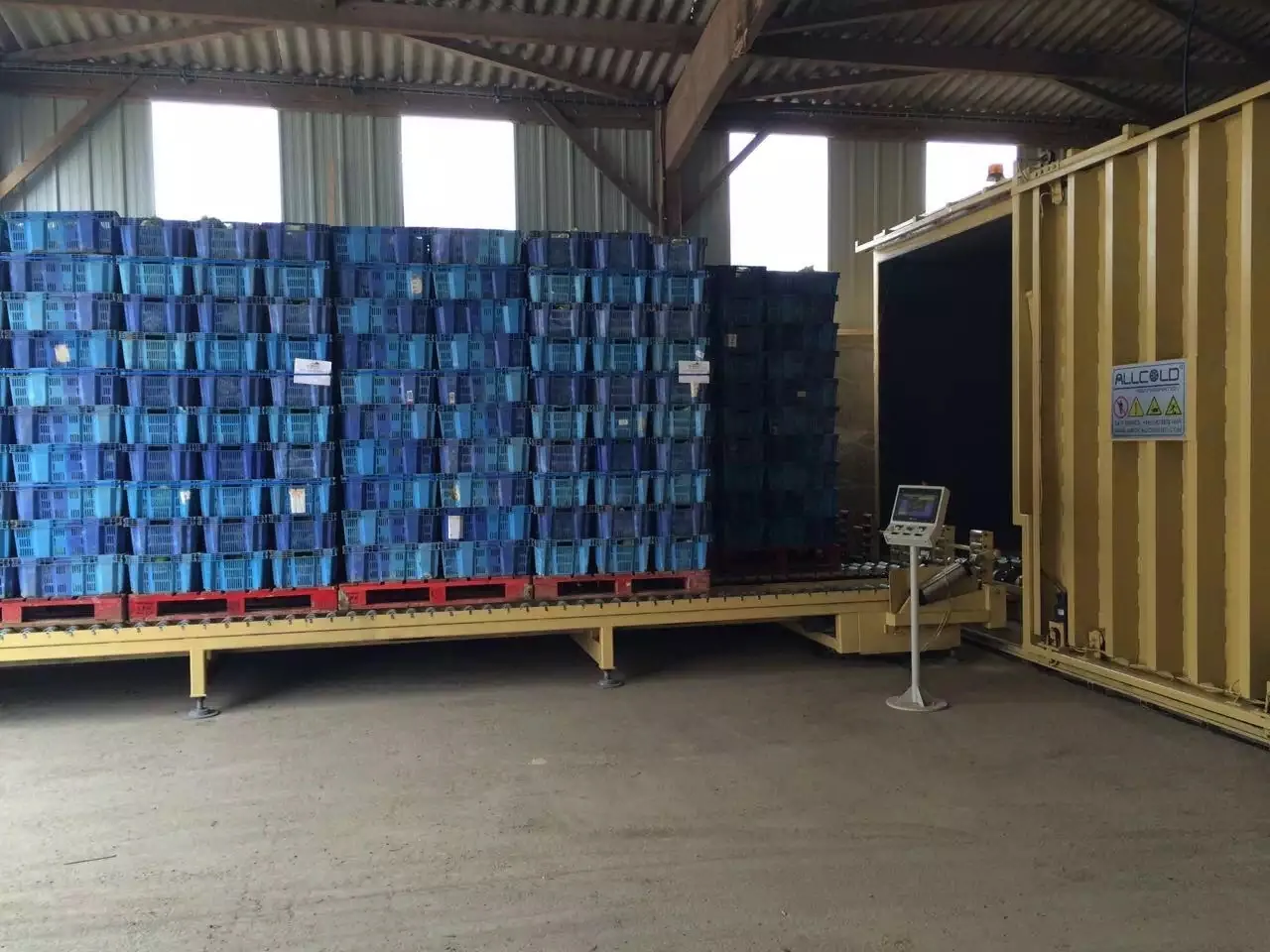
One machine can serve several crops without mixing every load
There are two ways to use equipment across a crop range. You can run lettuce in one batch and another suitable crop in the next, with operating conditions appropriate to each. Or you can place both crops inside one chamber for a shared cycle. The second arrangement adds a compatibility requirement.
A conventional single chamber exposes the load to a common pressure sequence. It does not give each pallet its own independently controlled environment. NC State Extension explains that vacuum cooling removes energy through evaporation of moisture from the produce.[1] How each product responds still depends on the product and its packed condition.
This makes a multi-crop machine a useful investment even when some crops stay in separate batches. Its value comes from serving the planned workload throughout the season, with suitable chamber dimensions and handling arrangements. It does not depend on putting every available vegetable into one cycle.
Five checks before approving a mixed batch
| Check | Evidence to compare | Reason to separate or review |
|---|---|---|
| 1. Process suitability | Whether each crop and pack format can achieve acceptable results with vacuum cooling. | One product has not been evaluated, or an alternative cooling method better fits it. |
| 2. Temperature endpoint | Acceptable exit range and sensitivity to low temperature for each crop. | The ranges conflict, or the shared endpoint would require additional cooling that has not been planned. |
| 3. Packaging | Actual cartons, liners, wraps, crate fill and finished pallet arrangement. | A new liner or pack changes vapor escape, pressure equalization or the observed cooling response. |
| 4. Incoming condition | Product temperature, mass, maturity and condition when the batch is loaded. | The incoming load falls outside the conditions previously checked. |
| 5. Quality and measurement | Product temperatures, weight change and appearance assessed separately for each crop. | One crop fails its acceptance criteria, even though a batch average looks satisfactory. |
Temperature compatibility: lettuce and basil are a useful warning
Two leafy products need not have the same temperature requirements. UC Davis lists an optimum storage temperature of 0°C for crisphead lettuce, while its fresh-herb guidance identifies basil and shiso as chilling sensitive and recommends storage above 10°C.[2][3]
Those are storage recommendations, not vacuum-cooler setpoints. They show why a near-zero lettuce program should not be assigned to basil simply because both products look leafy. Assess the crop’s cooling method and endpoint first; do not infer immediate damage from a brief exposure or treat a shared intermediate temperature as a complete cold-chain solution.
Packaging compatibility: check the finished pack
A crop name is an incomplete specification. Loose produce in a ventilated crate and the same crop inside a liner may behave differently. The question for vacuum cooling is whether the actual package permits the required pressure equalization and vapor movement—not whether it looks similar to another carton.
Bring the intended liner, retail wrap and pallet wrapping arrangement into the evaluation. A successful cycle with an unpacked sample does not establish performance after the packaging changes. If a sealed package is proposed, discuss its suitability explicitly before committing to a vacuum-cooling process.
Quality compatibility: keep the results separate
Record weight change and marketable condition for each crop rather than pooling both into one result. The acceptable outcome for a crisp lettuce head may differ from that for a delicate herb sold by weight. Agree what will be checked at discharge and after the planned holding period, so a good immediate appearance does not become the only measure of success.
Two product probes provide useful readings, not a map of every carton
Allcold’s standard vegetable-machine arrangement uses two product-temperature probes. Their positions matter: they should represent the cooling conditions identified for the actual load, as explained in our guide to positioning two product probes.
For a proposed two-crop batch, putting one probe in each crop can provide useful comparative information during an evaluation, but that allocation is not automatically sufficient. A crop can vary within its own pallet. The measurement plan must also consider where the slower-cooling product and the product most vulnerable to excessive cooling or moisture loss are likely to be.
Agree any additional independent temperature checks needed for the evaluation. Routine operation should then follow the established loading pattern, probe placement and acceptance criteria. Two temperature readings do not create two independently controlled cooling zones.
Also confirm how the selected control system uses the readings. Do not assume it stops on the warmer probe, the cooler probe or an average. That logic must match the supplied configuration and operating procedure.
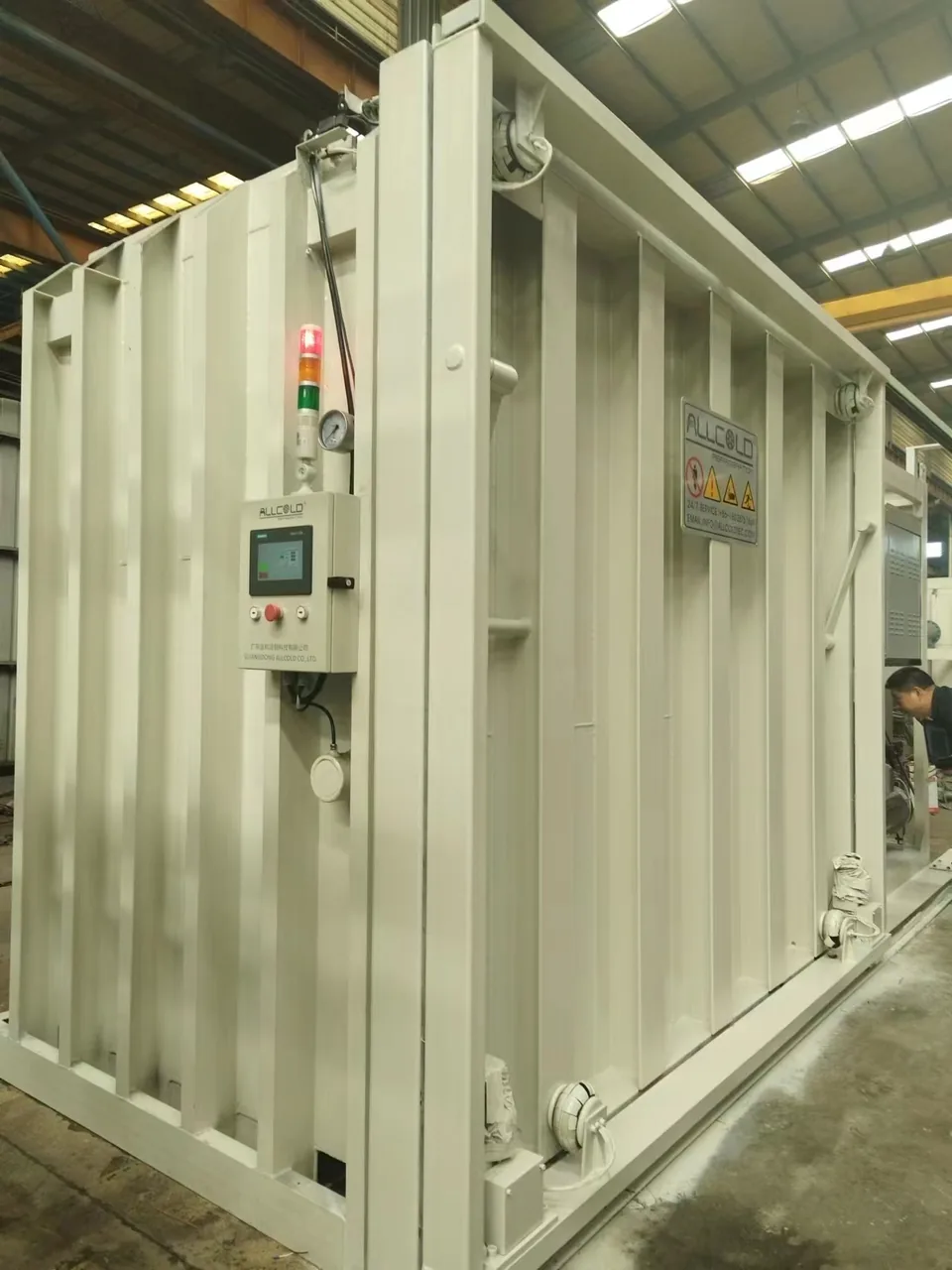
Separate batches can still produce a better daily schedule
A fuller chamber is not the only measure of a productive shift. Count waiting time, complete batch turnaround, handling and the time each crop reaches its next temperature-controlled step.
Consider this illustrative planning example, using a hypothetical four-pallet chamber. Both crops are assumed suitable for the machine separately; no mixed-crop program has been established. A 30-minute turnaround is assumed solely to show the arithmetic, not as an Allcold performance rating.
| Plan | Batch schedule | Result |
|---|---|---|
| Run separate batches | Three pallets of crop A are ready at 09:00 and finish at 09:30. One pallet of crop B arrives at 09:40 and finishes at 10:10. | Crop A can move onward 40 minutes earlier. Two turnarounds are required. |
| Wait to combine | Hold crop A until 09:40, then run all four pallets together. If the combination is later shown suitable and can use the assumed turnaround, it finishes at 10:10. | One turnaround, but crop A waits an extra 40 minutes before cooling. Mixed-load suitability still has to be established. |
Neither schedule automatically wins on cost. Separate operation uses another batch; waiting may affect product condition, dispatch timing and staff utilization. Compare actual measured cycle energy and handling costs where available, rather than assuming a partial load uses a fixed fraction of full-load energy.
For the quotation, supply the busiest hour’s arrivals by crop as well as the total daily volume. That helps determine whether one chamber with separate programs meets the workload, whether compatible groups can be formed, or whether another capacity arrangement deserves review.
Specify the crop mix before choosing chamber capacity
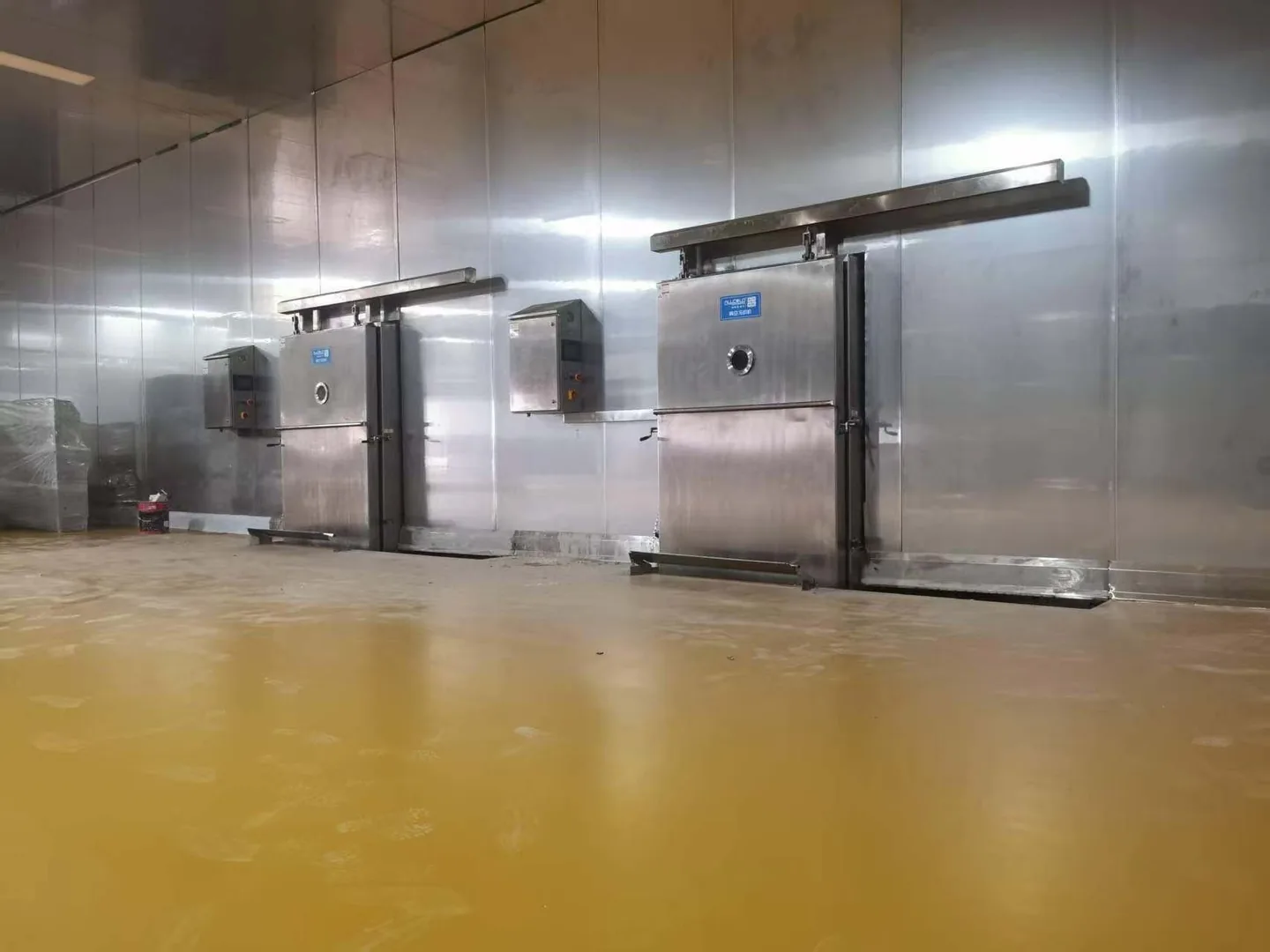
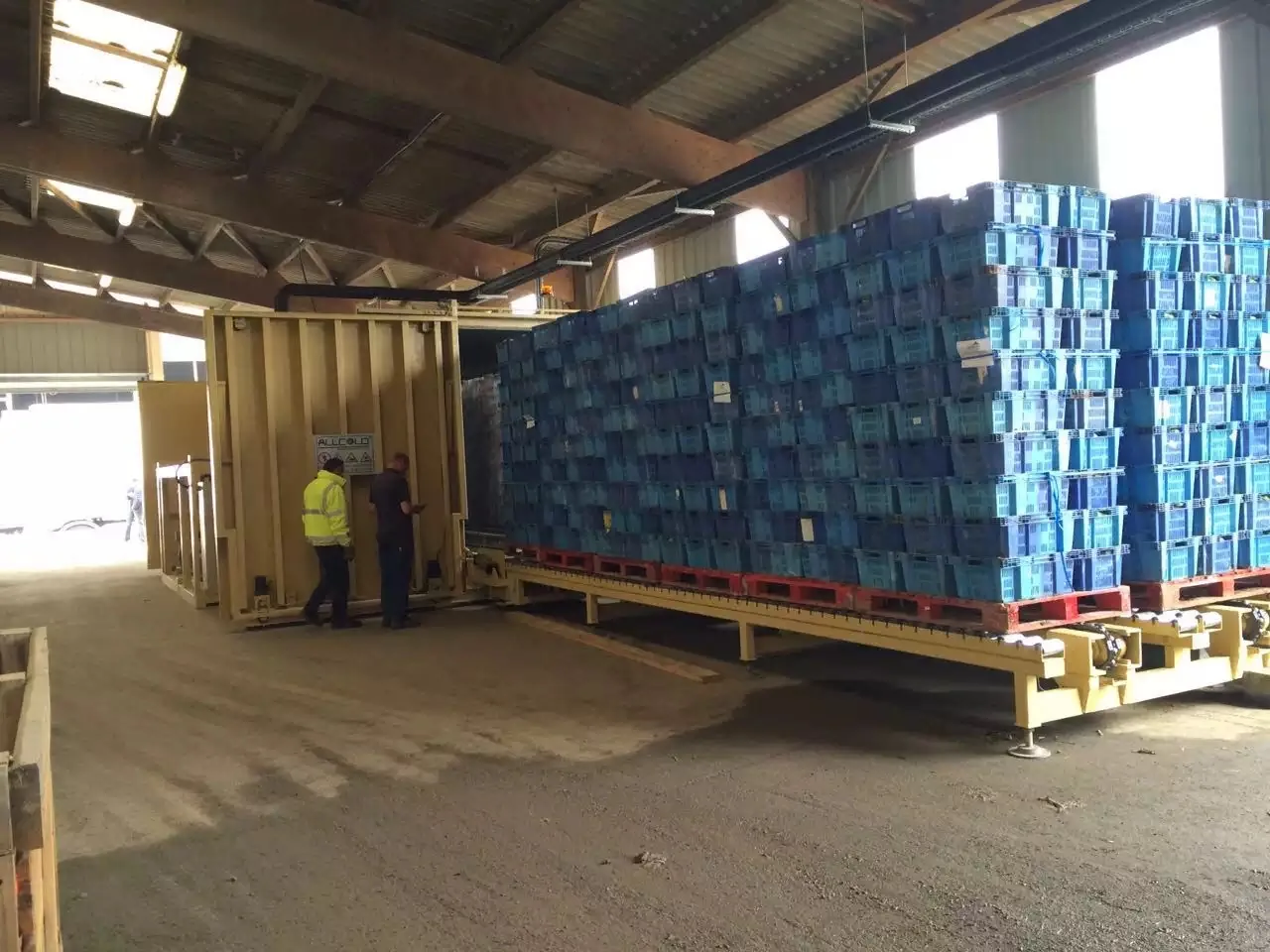
Allcold can discuss chamber size, door arrangements and loading formats around your batch volume, pallets, crates, cartons and facility layout. These configuration choices help a multi-crop operation accommodate its real handling requirements. Compare them using a defined crop schedule instead of expecting one nominal pallet rating to describe every load.
Check the usable chamber and pallet dimensions against the largest intended load, then review cooling duty for each main crop. A smaller batch that needs its own cycle still occupies production time. Conversely, a larger chamber may create avoidable waiting if the harvest rarely supplies compatible full loads.
Send Allcold this crop-by-crop brief
- Crop and variety, product condition, starting temperature and required exit range.
- Maximum batch weight, pallet dimensions, crate or carton format, liners and wrapping.
- Arrival pattern during the busiest hour and expected daily volume for each crop.
- Which combinations you would like to run together, and which already have acceptable operating evidence.
- Dispatch deadlines, next storage conditions, layout and available utilities.
Ask for the proposal to distinguish individual-crop suitability from any mixed-batch combinations that have actually been established. That gives purchasing and production the same understanding of what the equipment is being selected to do.
Check what happens after the chamber opens
Cooling compatibility and storage compatibility are separate decisions. FAO’s storage guidance identifies temperature, humidity, chilling sensitivity, ethylene and odor transfer as considerations when different commodities share storage.[4] A successful shared cooling cycle does not by itself justify holding those crops together for the rest of their journey.
Common buyer questions
Possibly. Compare incoming temperatures, packaging and product condition with the established operating range. The same crop name does not make two loads identical.
Can we mix crops if they have the same target temperature?
That is a useful first screen, but it is insufficient on its own. Both crops must also be suitable for the process and reach acceptable temperature and quality outcomes in the actual packed load.
Should we always stop the cycle when the slowest crop is cold enough?
Only if the other crop remains within its acceptable conditions. Extending a shared cycle to satisfy one product can be unacceptable for another. A conflicting endpoint is a reason to separate the loads.
Do multiple crops require multiple vacuum coolers?
Not necessarily. One appropriately configured machine may serve several suitable crops in separate batches. The decision depends on arrival peaks, batch turnaround, loading requirements and dispatch deadlines.
Plan a vacuum cooler around your real harvest mix
Send Allcold your crop list, batch quantities, pallet dimensions and peak arrival schedule. We can discuss a fresh-produce vacuum cooling configuration around your product range, loading method and site—and identify which proposed combinations need further evaluation.
Sources and technical references
The references support cooling principles and commodity-handling requirements. The mixed-batch screening framework and schedule above are planning guidance, not a published compatibility test or customer case study.
- NC State Extension — Chapter 3d: Vacuum Cooling. ↩
- UC Davis — Lettuce (Crisphead, Iceberg), storage temperature and cooling methods. ↩
- UC Davis — Herbs (Fresh Culinary), chilling sensitivity and storage requirements. ↩
- FAO — Manual for the Preparation and Sale of Fruits and Vegetables, Chapter 3: Storage, shared-storage considerations. ↩