ALLCOLD · EQUIPMENT SELECTION
Two machines can both use a vacuum chamber and still solve completely different production problems. Before comparing quotations, decide what must change: the product’s temperature or its package.
A grower needs to remove field heat from pallets of lettuce. A processor needs to evacuate and seal individual pouches. Both might search for a “food vacuum machine,” but a quotation for one job does not answer the other.
The purchasing risk is not simply choosing the wrong chamber size. It is specifying equipment around a shared word—vacuum—instead of the result your production line needs.
Start with the output, not the machine name
Write one sentence describing the condition of the product when it leaves the machine. “Lettuce at our specified dispatch temperature” points toward a cooling process. “A pouch with the required seal and package condition” points toward packaging. Neither statement should be replaced with “a powerful vacuum pump.”
| Your requirement | Equipment to evaluate | Evidence to request |
|---|---|---|
| Remove field heat from suitable leafy produce | A produce vacuum cooler, compared with other suitable precooling methods | Product-temperature results for the proposed load, packaging and operating conditions |
| Remove air and close individual pouches | A vacuum packaging machine matched to the product and film | Pack trials, seal quality, usable pouch dimensions and packs per hour |
| Keep already cooled produce cold while waiting for dispatch | Appropriately designed refrigerated storage | Holding capacity, product conditions and the expected incoming heat load |
| Deliver a cooled product in its final sealed pack | A coordinated cooling and packaging process | Agreed handover temperature, packaging specification and line throughput |
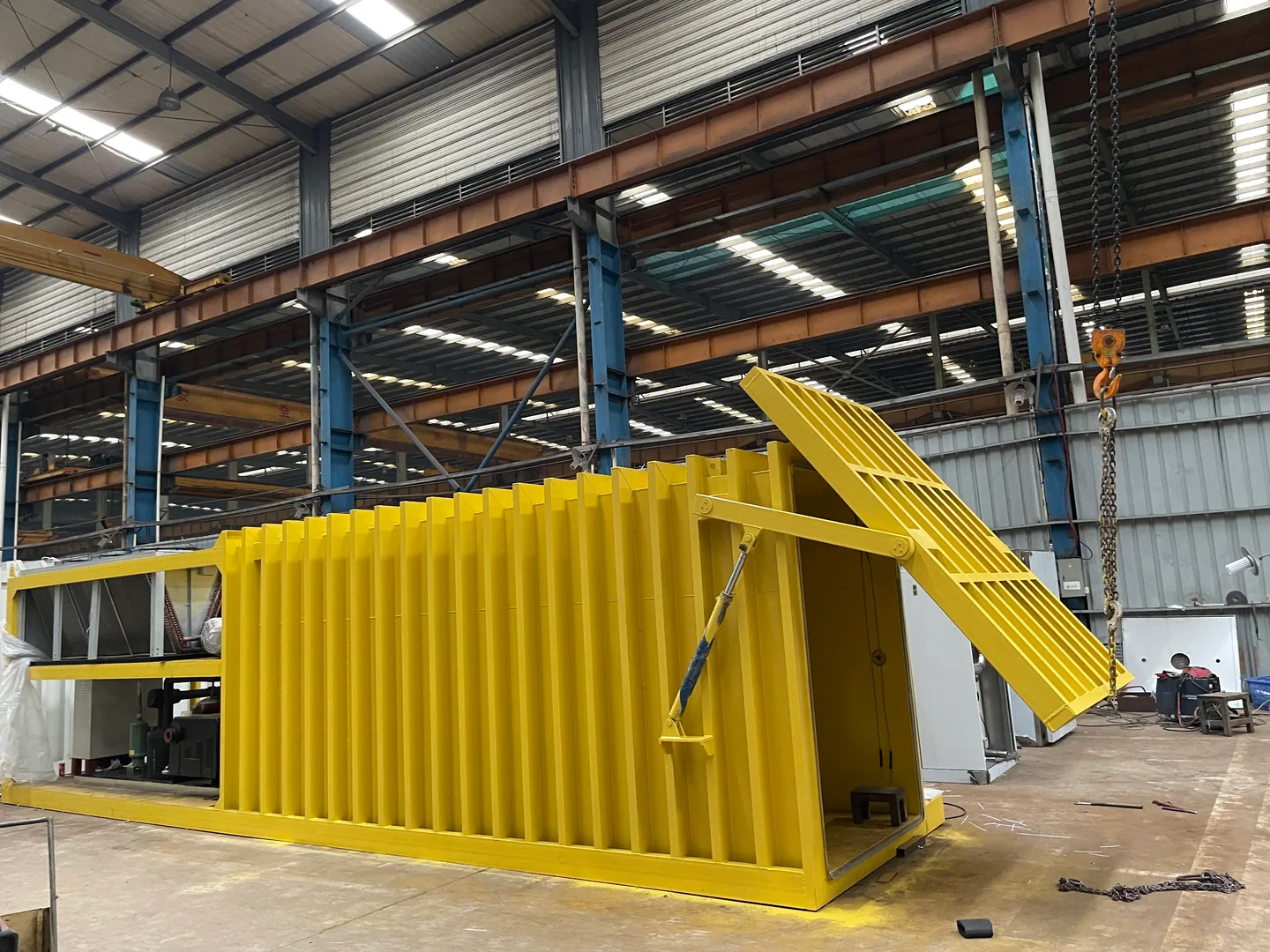
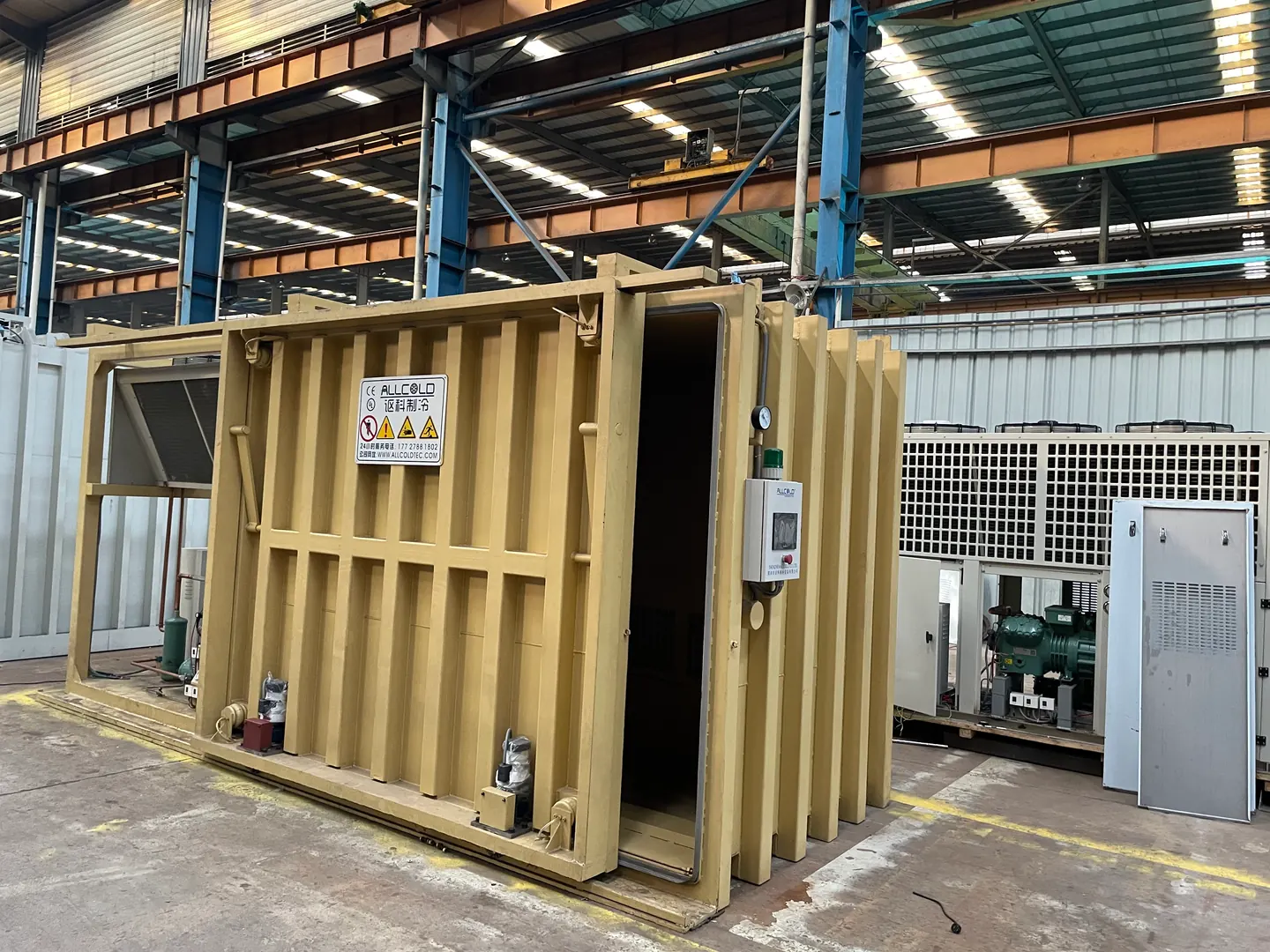
For a grower whose main constraint is warm produce waiting after harvest, begin with what to specify for a vegetable vacuum cooler. If the product is already at the correct temperature and the missing step is pouch sealing, the immediate requirement is different.
What happens inside each chamber?
Vacuum cooling: remove heat, then unload
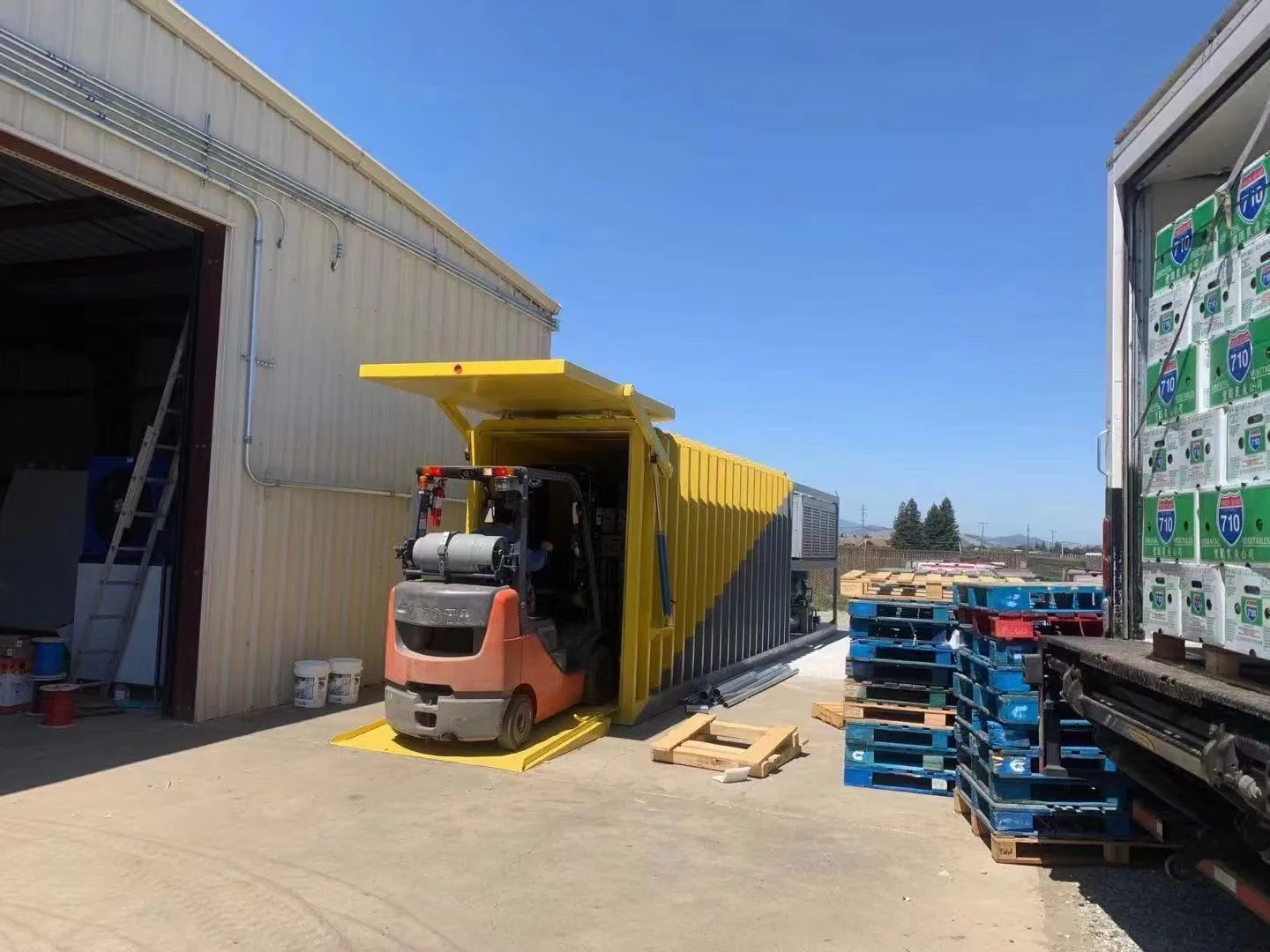
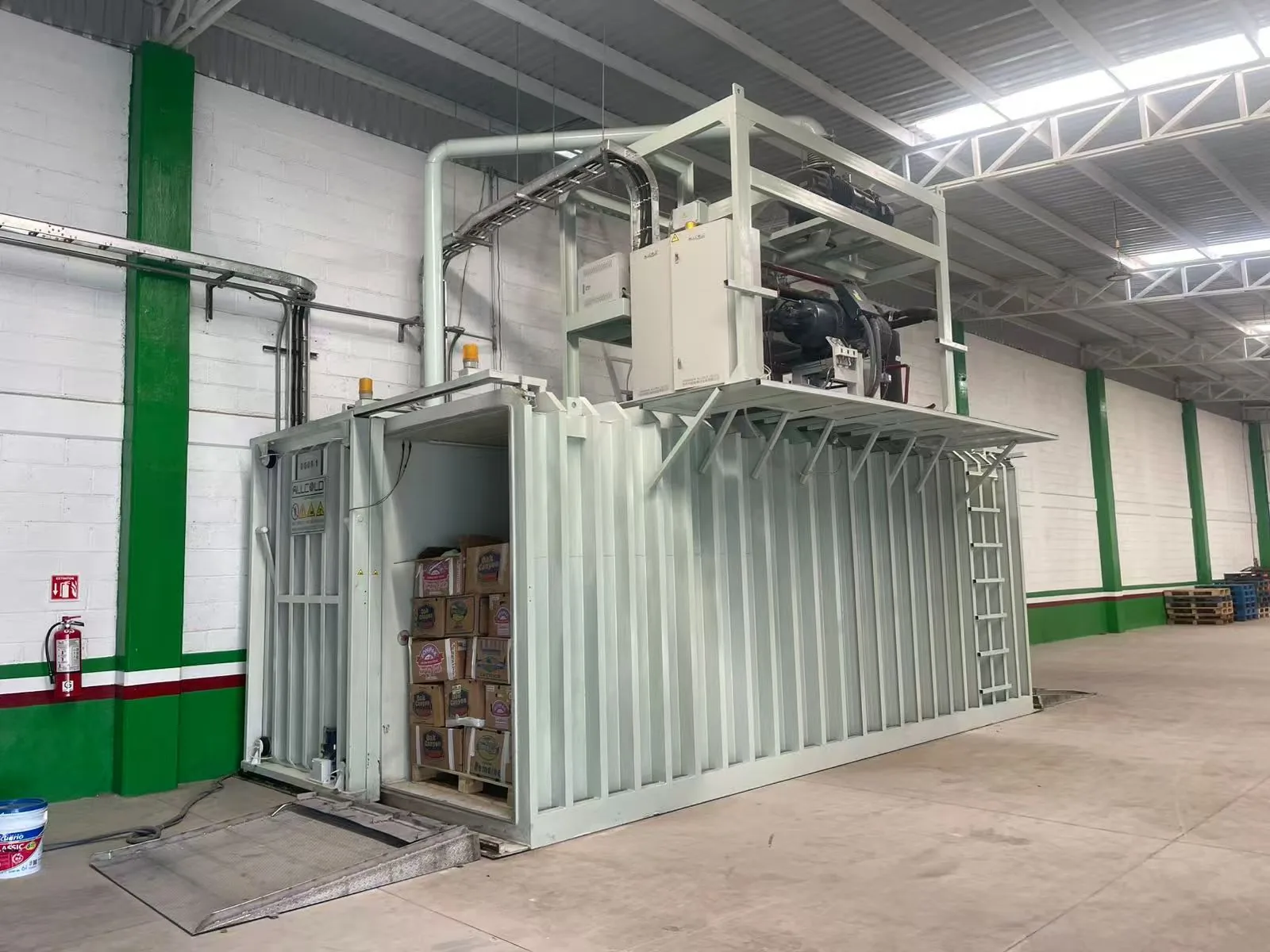
Reducing chamber pressure allows water in and on suitable produce to evaporate at a lower temperature. Evaporation takes heat from the product. When cooling is complete, the chamber returns to atmospheric pressure and the load is removed for the next cold-chain step. Busch’s description of a commercial lettuce installation illustrates this sequence, including refrigerated storage after unloading.[1]
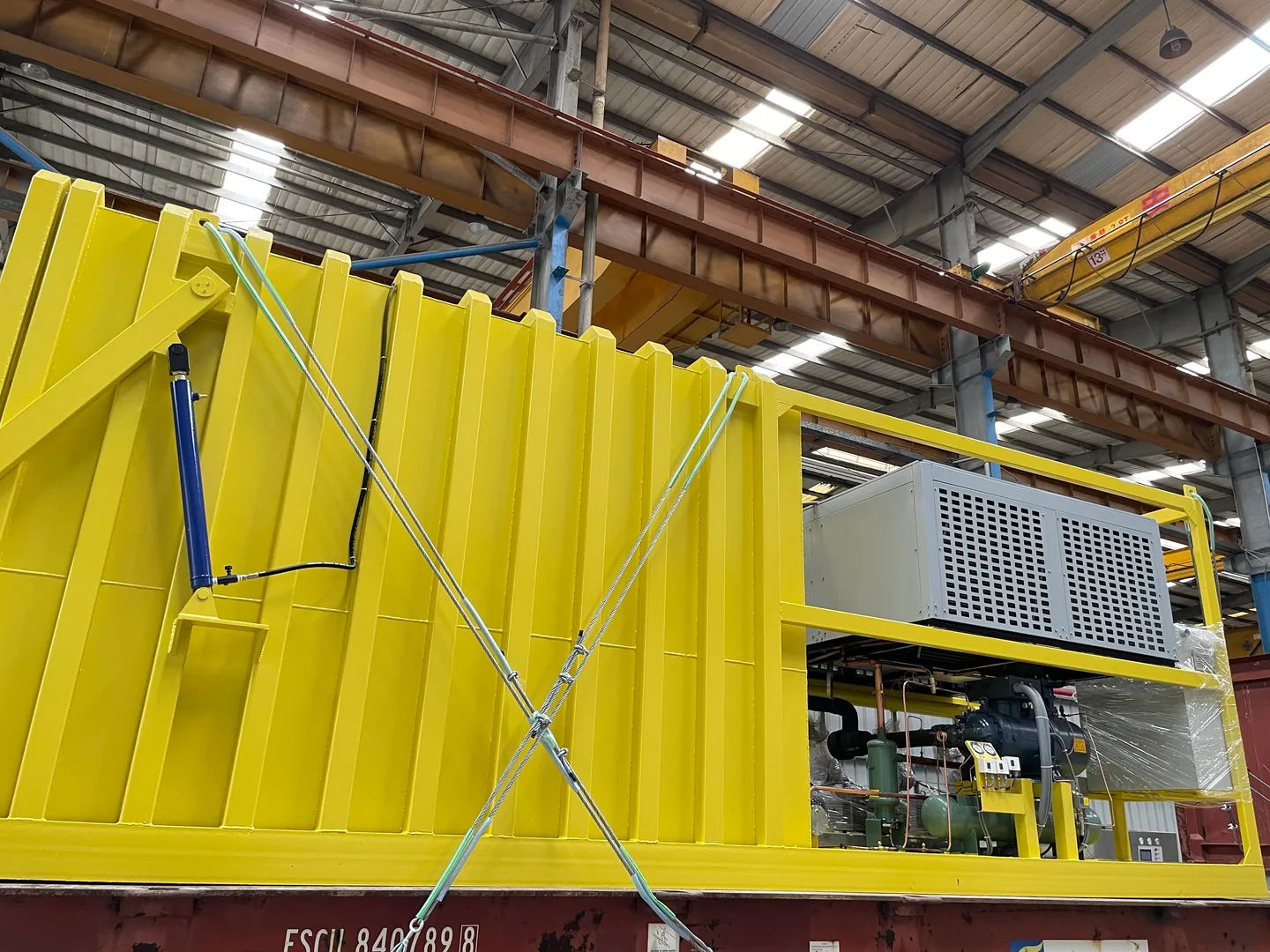
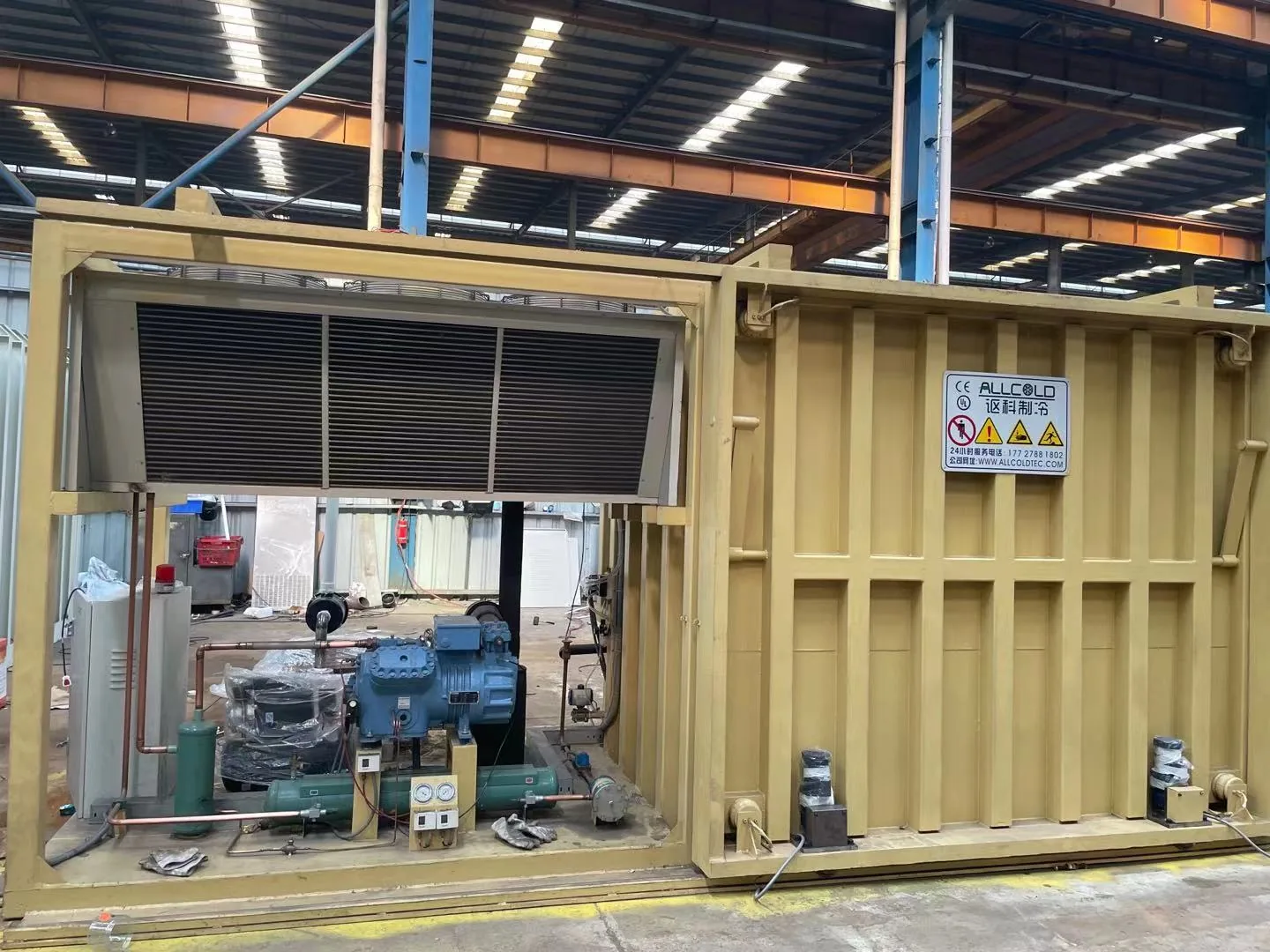
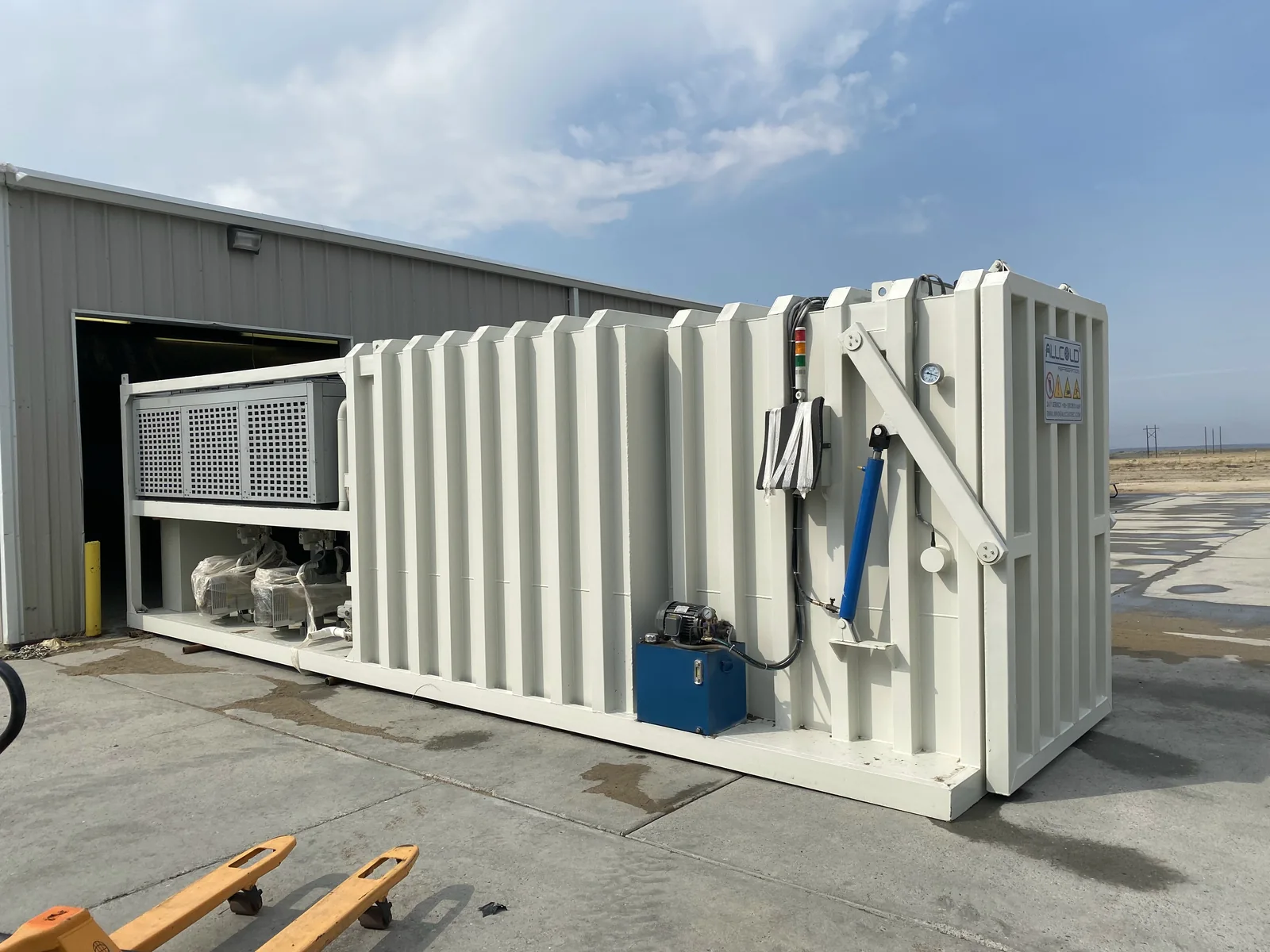
This is why a cooler must be assessed as a whole system. The chamber, vacuum equipment and vapor-handling arrangement work together. Leybold explains the role of a condenser in reducing the vapor load reaching the pump.[2] A pump’s headline capacity alone is not evidence that a proposed machine will meet your product-temperature and throughput requirements.
Vacuum packaging: evacuate, seal, then vent
In a chamber pouch-packaging machine, an open bag is positioned at a sealing bar. The chamber and bag are evacuated, the bag is sealed, and air is admitted back into the chamber. The sealed pack remains closed when removed. Henkelman describes these three stages in its explanation of chamber vacuum sealers.[3]
Chamber pouch machines are one packaging format, not the entire category. MULTIVAC also identifies thermoforming machines and traysealers as equipment that can produce vacuum packs.[4] Packaging selection therefore starts with the required finished pack, not just whether a machine has a chamber.
Cooling cycle
- Load suitable produce
- Reduce pressure and remove heat through evaporation
- Restore pressure and unload cooled produce
Output to verify: product temperature
Chamber pouch-packaging cycle
- Load product in an open pouch
- Evacuate and seal the pouch
- Vent the chamber and remove the sealed pack
Output to verify: finished package
These are simplified process comparisons, not operating instructions or a claim that every machine uses the same controls.
Can vegetables already in packaging be vacuum cooled?
“Packaged” needs a more precise description. Produce in an open crate, a vented carton, a lined box and a hermetically sealed pouch presents different conditions. A photograph of the outside of the pallet may not show the liner or inner wrap that matters most.
Because vacuum cooling depends on evaporation and vapor removal, a tightly sealed barrier pack cannot be assumed to behave like an open container. The procurement implication is to evaluate the complete packaging system—including inner bags, liners, closures and pallet wrapping—rather than approve a box based on its outer appearance.
Ask for a trial using your actual packaging and load arrangement. Check product temperature and package condition after the cycle. A successful demonstration with loose produce does not establish performance with the same produce enclosed in a different pack.
Also distinguish shipping containers from final retail packaging. A grower may cool produce already loaded into suitable transport containers without producing a vacuum-sealed consumer pack. That is still cooling. It does not add a sealing function to the cooler.
Nor does choosing vacuum cooling mean that tight vacuum packaging is right for that crop. UC Davis identifies vacuum cooling among cooling methods used for romaine and leaf lettuce, while discussing modified atmospheres separately.[5] Specify the cooling treatment and the final packaging atmosphere as separate decisions.
Plan the handover between cooling and packaging
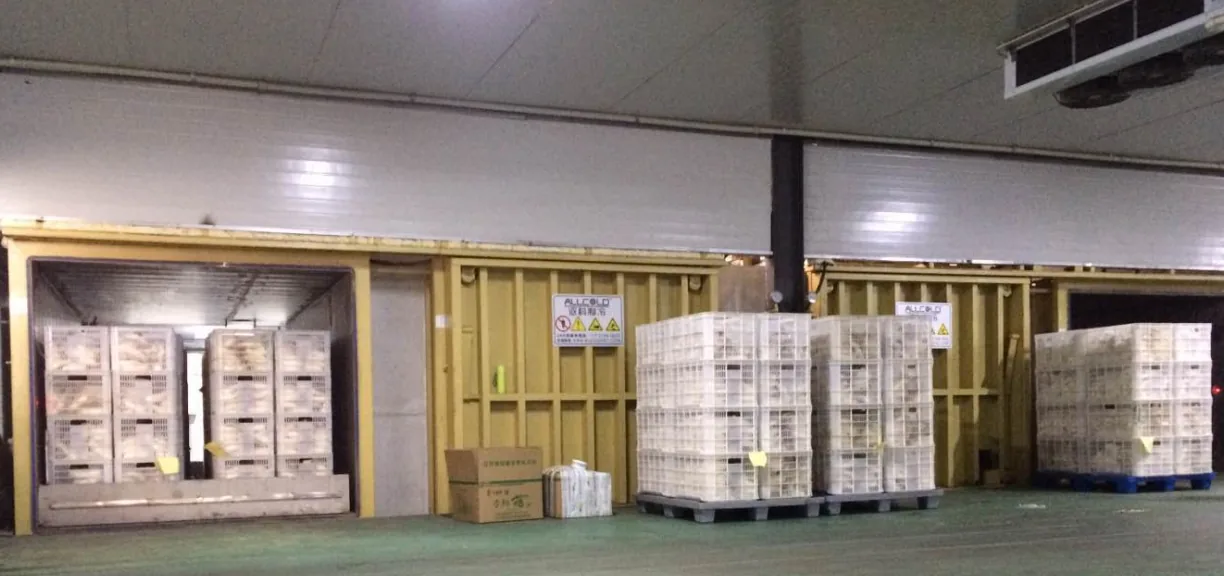
There is no single “pack first” or “cool first” sequence for every product. Map your existing handling steps and identify where the final pack becomes closed. Then confirm which packaging configuration will be present during cooling.
For example, an illustrative whole-lettuce workflow may be: harvest and trim, load suitable transport containers, precool, then move into refrigerated holding or dispatch. A processor producing a final sealed pack needs a separate decision about where that packaging step belongs. Do not copy a whole-produce workflow directly into a fresh-cut, bakery or cooked-food line.
The practical handover questions are simple: who checks temperature, how long can the product wait, what packaging is on it, and where does it go next? A well-sized cooler can still leave a line short of capacity if unloading or downstream handling causes long queues.
Compare throughput on a common basis. A cooler quotation may describe kilograms or pallets per batch, while a packaging quotation describes packs per minute. Convert both to your required daily output, including loading, unloading and normal interruptions. Keep batch cooling time separate from the complete production cycle.
What to send before asking for a price
A clear brief helps suppliers quote the right equipment and makes competing offers easier to compare. Attach photographs of the product and its packaging, including anything inside the outer carton.
For a vacuum-cooling enquiry
- Product: crop or food type, condition and expected seasonal variation.
- Temperature duty: incoming product-temperature range and required endpoint.
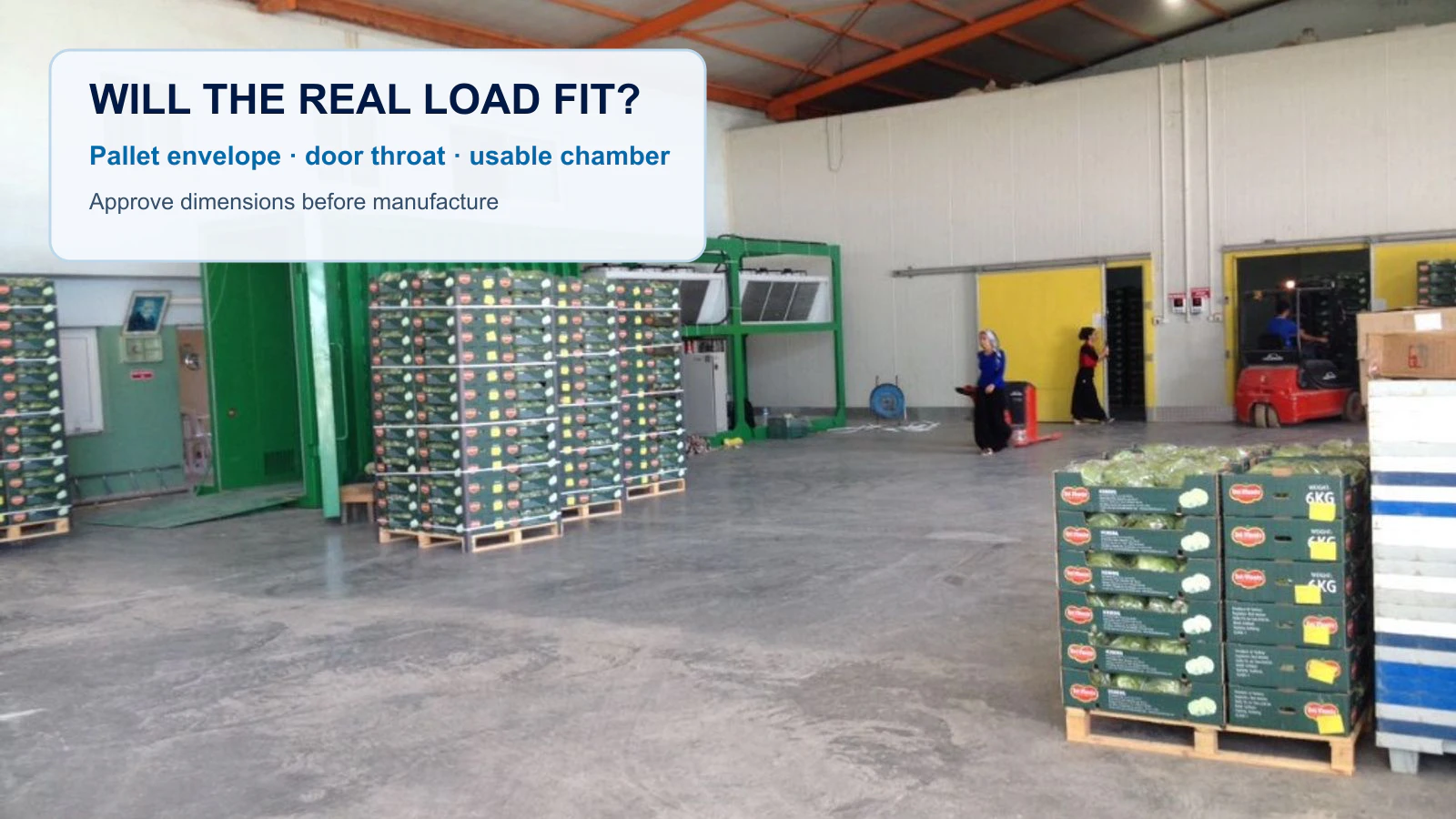
- Load: mass per batch, pallet or trolley dimensions, loading height and packaging details.
- Production: daily volume, peak arrival pattern and available handling time.
- Site: location, ambient conditions, electrical supply and loading arrangements.
Check the usable chamber and pallet-clearance requirements rather than relying on a nominal pallet count. When agreeing how cooling results will be measured, specify representative product-temperature checks; our guide to placing two product probes explains that measurement issue in more detail.
For a vacuum-packaging enquiry
- Finished pack: pouch, tray or other format, dimensions and presentation.
- Product condition: size, weight, temperature and handling sensitivity.
- Packaging material: film specification and required seal arrangement.
- Output: required packs per hour, product changeovers and loading method.
- Pack requirements: agreed vacuum or atmosphere specification and how the finished pack will be checked.
If both processes are in scope, ask each supplier to state what is included, what is excluded and what condition the incoming product must meet. That written boundary is more useful than assuming one “vacuum system” quotation covers the entire line.
Common buying questions
Will a vacuum cooler seal bags automatically?
No. Bag sealing is not an inherent function of a standard vacuum cooler. Any integrated packaging step would need to be separately specified and confirmed; it should not be inferred from the word “vacuum.”
Can a vacuum sealer replace a small vacuum cooler?
Not on that description alone. A packaging machine may expose moist products to reduced pressure, but this does not establish a controlled cooling duty. For a cooling purchase, require evidence of temperature results, product condition and throughput under the proposed load.
Does vacuum-cooled produce stay under vacuum in storage?
No. The cooling chamber is vented before unloading. Subsequent storage and packaging must meet the product’s own requirements. Vacuum cooling is a processing step, not continuous vacuum storage.
Need to remove field heat from your produce?
Allcold’s fresh-produce vacuum cooling equipment is the relevant starting point. Send your product, packaging photos, temperature target and peak daily volume so the discussion starts with the cooling job your business actually needs.
Sources and notes
Technical sources explain the process principles; they do not certify Allcold equipment performance. The purchasing checklists and workflow questions above are editorial guidance.
- Busch Vacuum Solutions. Pre-cooling lettuces reliably, thanks to cutting-edge vacuum technology. Commercial cooling sequence and post-cooling storage. ↩
- Leybold. Vacuum Cooling: From field to table. Evaporative cooling and condenser function. ↩
- Henkelman. How does a chamber vacuum sealer work? Evacuation, pouch sealing and chamber ventilation. ↩
- MULTIVAC. Vacuum packaging. Vacuum-pack formats and applicable packaging machine types. ↩
- UC Davis Postharvest Research and Extension Center. Lettuce: Romaine and Loose-Leaf. Commodity-specific cooling and atmosphere guidance. ↩