
What Innovations Truly Changed the Vacuum Cooling Game?
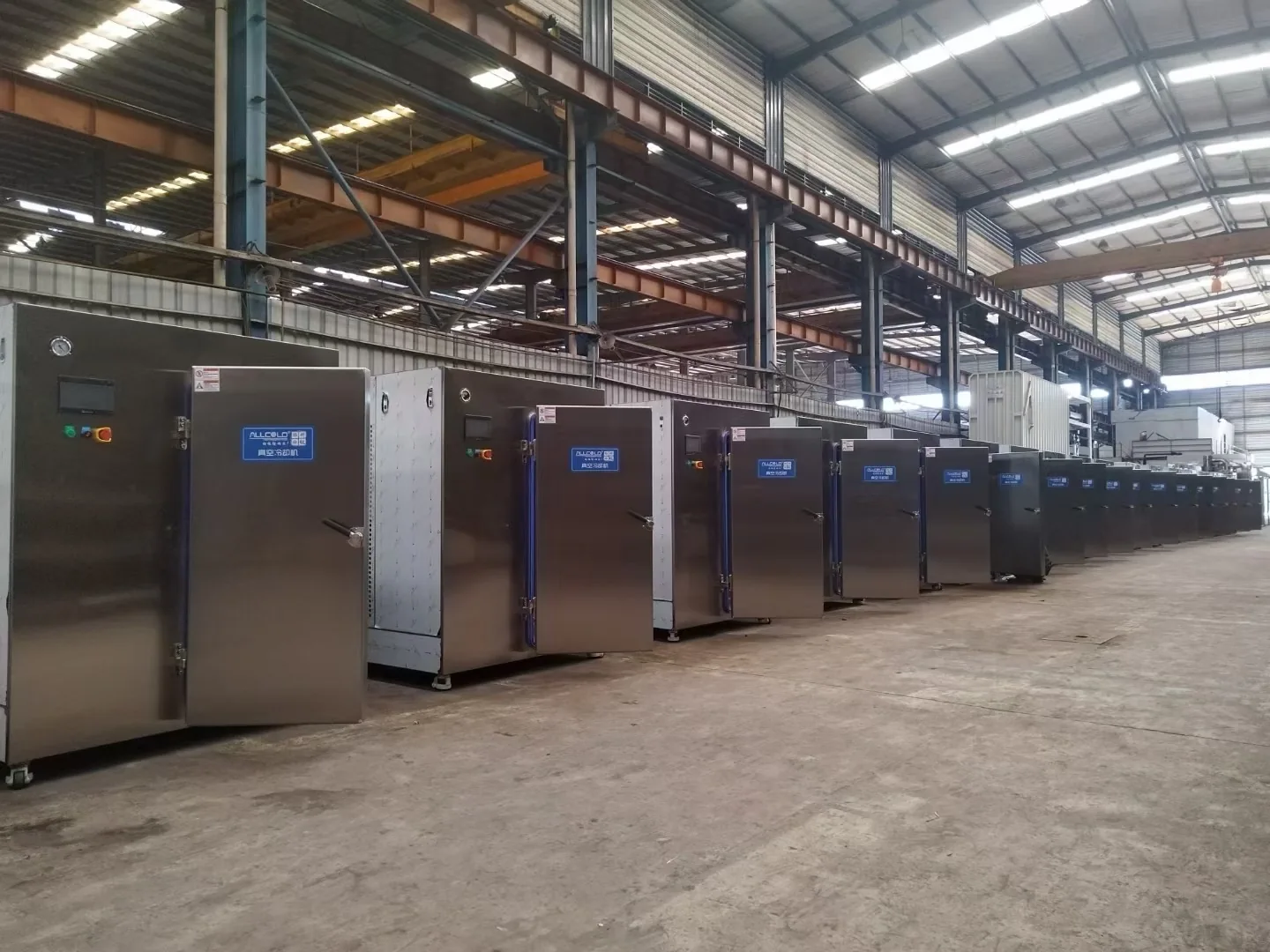
You see a modern, stainless steel vacuum cooler operating flawlessly and it looks simple. But behind that easy operation are decades of engineering and a few game-changing inventions that completely transformed the technology from a niche science into an industrial powerhouse.
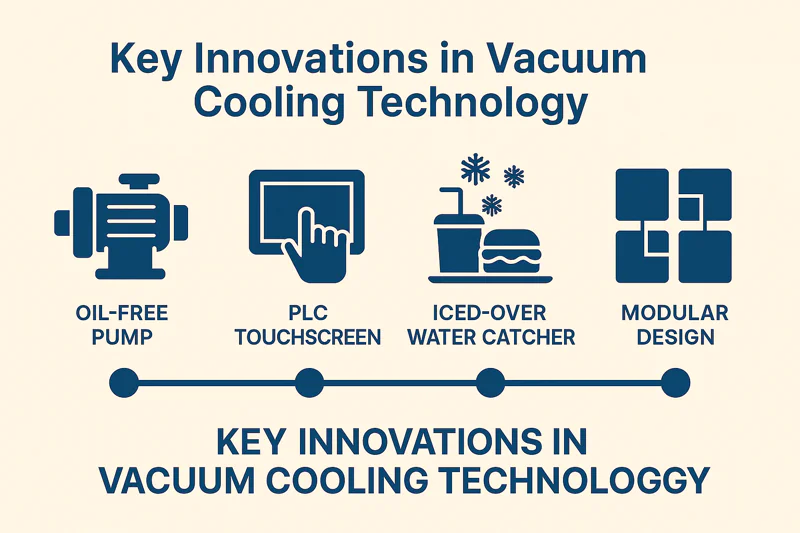
The most important innovations in vacuum cooling history are the development of oil-free pumps, the integration of smart PLC automation, the creation of high-efficiency water catchers for hot foods, and the shift to flexible, modular machine designs.
These weren’t just small improvements; they were fundamental breakthroughs. Each one solved a major problem that was holding the technology back. For my clients, whether it’s a hygiene-focused manager like Sophia or a maintenance-conscious owner like Carlos, these innovations are the reason they can trust our machines today. Let’s look at what really moved the needle.
How did we get rid of the dirtiest part of the machine?
For years, the heart of any vacuum system was the oil-sealed rotary vane pump. It was a workhorse, but a messy one. It required constant oil changes, produced a fine oil mist, and always carried the risk of oil contamination in the vacuum chamber. This was a huge headache for operators.
Dry-running pumps remove oil from the pumping chamber, which changes oil-management requirements. They do not eliminate every contamination pathway or all maintenance. Pump type must be selected for the vapor load, pressure range and process.
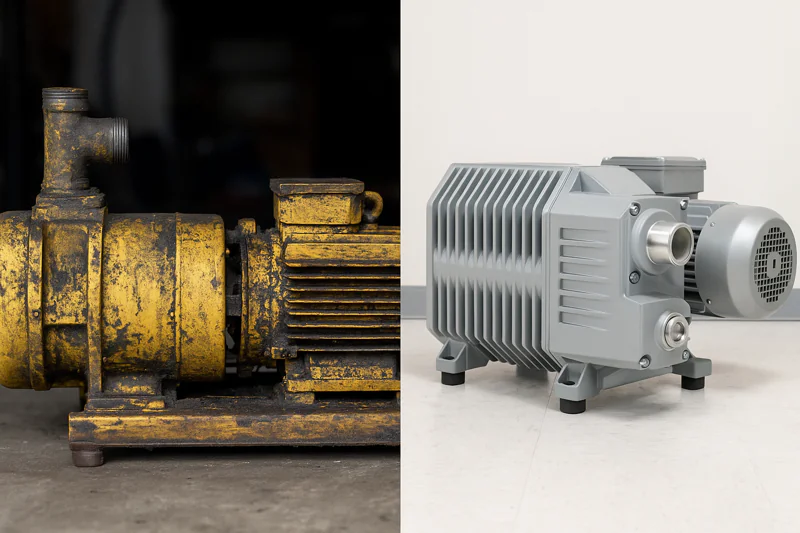
Oil-Sealed vs. Oil-Free: A Clear Winner
Compare oil-sealed and dry-running equipment using the actual duty and manufacturer instructions. Assess vapor tolerance, exhaust handling, maintenance, utilities and total cost. A dry pumping chamber is not a guarantee of sterile product or zero contamination risk.
| Question | Oil-sealed equipment | Dry-running equipment |
|---|---|---|
| Lubricant in pumping chamber | Part of the operating design | Absent from the dry pumping chamber |
| Maintenance | Follow model-specific oil and filter requirements | Follow model-specific service and utility requirements |
| Contamination control | Assess process isolation and exhaust handling | Other contamination pathways still require control |
| Selection | Check vapor tolerance and duty | Check vapor tolerance and duty |
What made the machines smart enough to run themselves?
Imagine driving a car with no dashboard, just a few levers and your best guess. That’s what operating early vacuum coolers was like. It relied entirely on the skill of the operator to watch analog gauges and manually control valves. This led to inconsistent cooling and was highly prone to human error.
PLC/HMI control can make a defined sequence easier to operate and repeat. Correct settings, loading and maintenance remain necessary; automation alone does not guarantee a perfect result.

From Manual Guesswork to Digital Precision
Allcold’s confirmed controls include PLC/HMI operation, live values, automatic/manual operation, alarms and password protection. Historical logging, export, remote access and additional adaptive functions are configuration-specific and should be agreed separately.
How did we master cooling steamy, hot foods without wrecking the pump?
Vacuum cooling works by boiling water at a low temperature. Now, imagine doing that with freshly cooked rice or bread straight from a 95°C oven. This process releases a truly massive amount of hot steam. Early vacuum systems simply couldn’t handle it; the water vapor would overwhelm the vacuum pump, causing damage and stopping the cooling process.
Vapor-handling equipment must be matched to the product’s moisture release and the vacuum system. Refrigerated capture is one approach, but the arrangement and operating limits depend on the application.

The Power of the Ice Trap
A refrigerated vapor catcher condenses or freezes part of the moisture released during cooling, reducing the load reaching downstream vacuum equipment. Its duty, operating temperature and drainage or defrost sequence are configuration-specific. It does not guarantee that no vapor reaches the pump or that every hot food can reach a particular endpoint.
| Vapor-handling question | What to establish |
|---|---|
| Required capacity | Product mass, starting temperature, target and moisture release |
| Pump protection | Compatibility with the selected vacuum equipment |
| Operating sequence | Specified drainage, defrost or other vapor-handling functions |
| Final product temperature | Demonstrated under the intended load and conditions |
How did machines go from "one size fits all" to a "perfect fit"?
In the early days, a vacuum cooler was a single, massive, welded unit. You bought the standard model, and it was your problem to find space for it in your facility. If the doors weren’t big enough, you had to knock down a wall. This rigid, monolithic design was hugely inefficient and frustrating for customers.
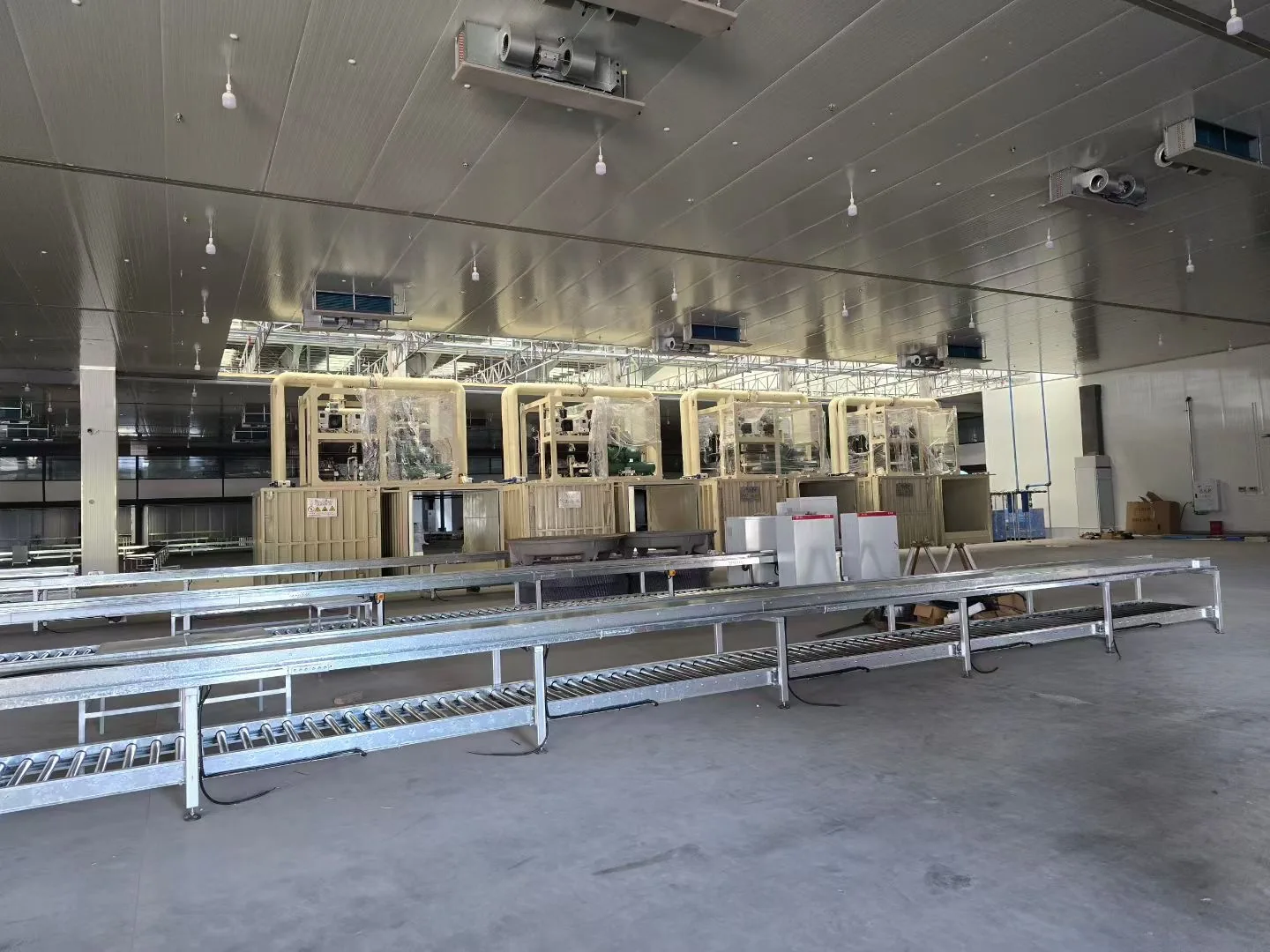
Allcold can assess chamber dimensions and equipment arrangement for a specific site rather than relying on one fixed layout. Compare its fresh-produce vacuum cooling and bakery and cooked-food vacuum cooling applications using the actual load and installation plan. Separate-module arrangements and additional control functions must be defined for the project; they are not automatic capacity upgrades or standard features on every machine.
Separate equipment arrangements can help fit a particular site. Feasibility depends on connection routes, service access and system design, rather than a promise to fit any space.
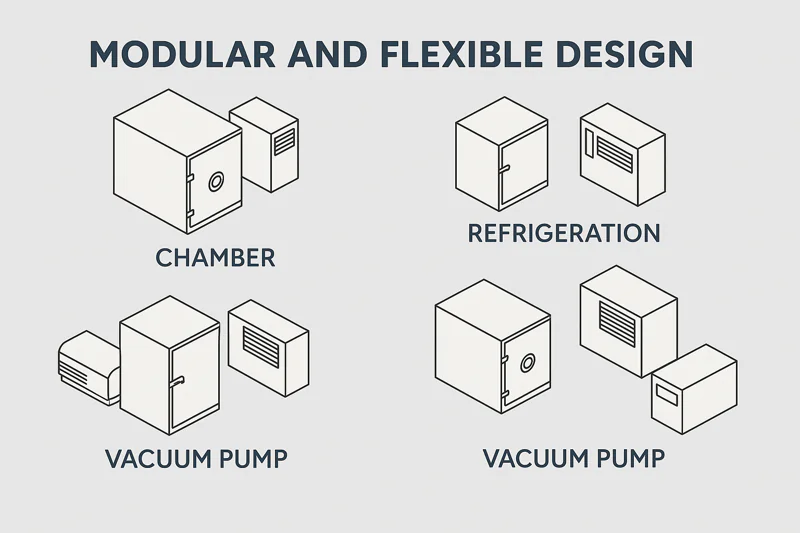
Adaptable by Design: Solving Space and Logistics Puzzles
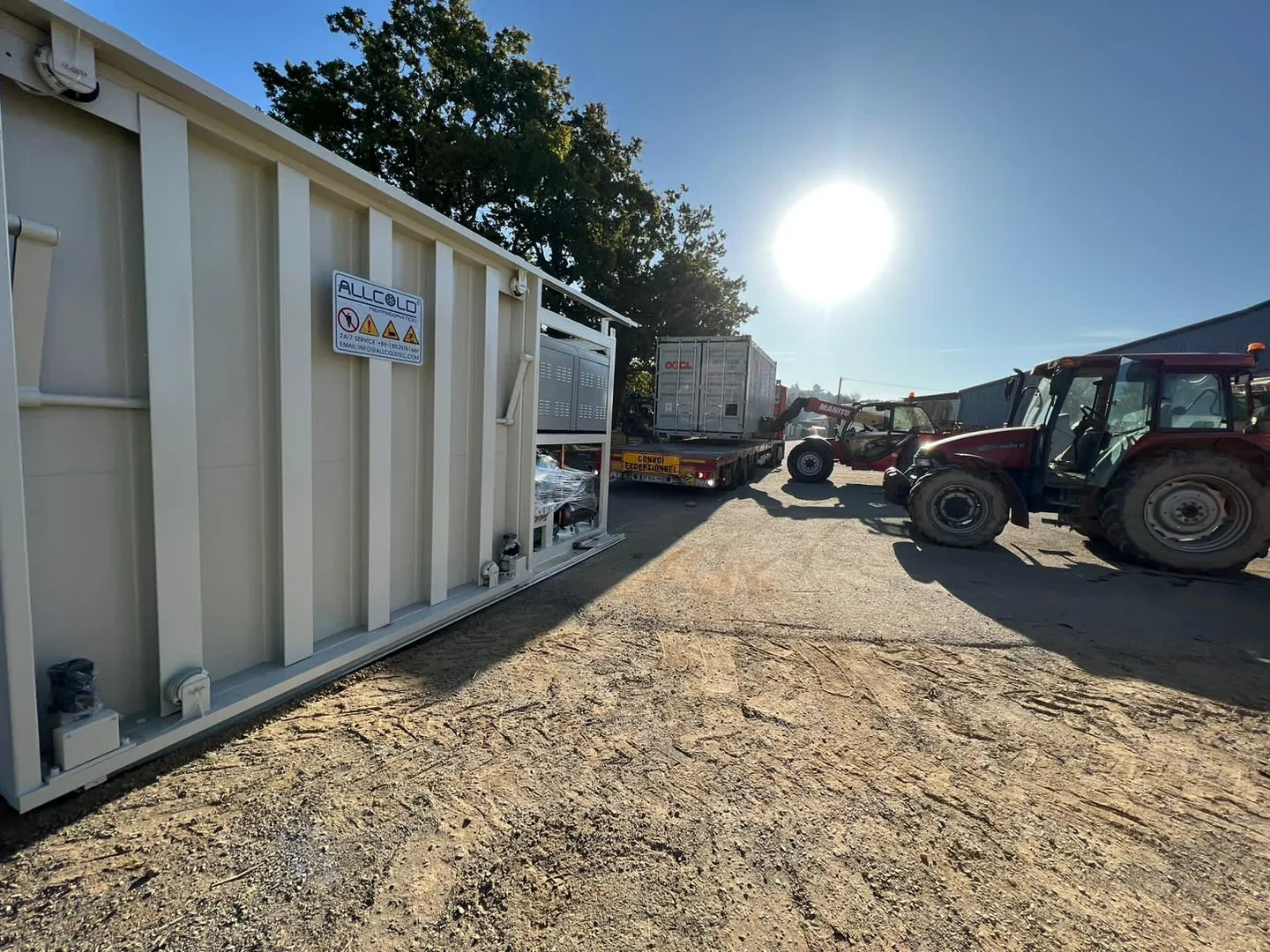
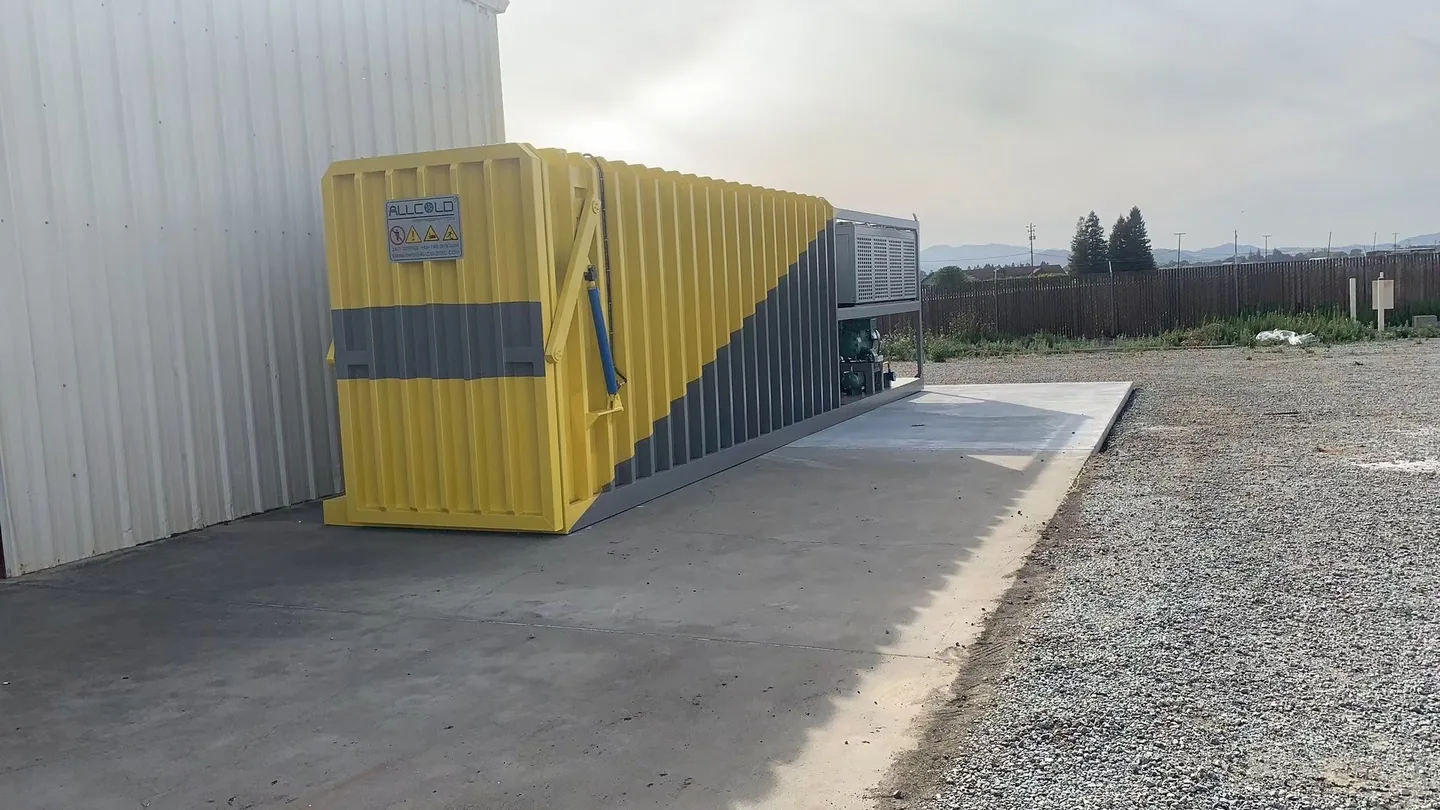
Allcold can assess equipment arrangement from a site plan. Confirm module dimensions, delivery access and interconnecting services for the proposed configuration. Placing equipment outside or increasing future capacity requires engineering review; neither is an automatic benefit of a modular layout.
Conclusion
These four innovations—oil-free pumps, smart controls, high-efficiency water catchers, and modular design—are the pillars of modern vacuum cooling. They transformed a cumbersome technology into the clean, intelligent, and flexible solution that businesses rely on today.
Understanding oil contamination risks is vital for food safety, ensuring compliance with health regulations. ↩
Exploring oil-free technology can reveal innovative solutions that enhance efficiency and hygiene in food processing. ↩
Explore this link to understand the capabilities of Siemens PLCs and how they revolutionize industrial automation. ↩
Learn about cooling recipes and their importance in achieving consistent quality in baked goods. ↩
Explore this link to understand how a water catcher enhances vacuum systems and improves food safety. ↩
Discover effective methods for cooling cooked foods to ensure safety and quality in food preparation. ↩
This link will offer strategies and tips for minimizing international freight costs, crucial for businesses looking to optimize logistics. ↩
Exploring this resource will provide insights into how modularity enhances flexibility and efficiency in manufacturing processes. ↩
Interested in vacuum cooling for your operation?

Mila
You May Also Like
Vacuum Cooler Water Quality: What to Check Before Connecting the Supply
Identify the water circuits, review a representative water analysis and clarify the utility scope before connecting a vacuum cooler. A practical guide for Allcold equipment buyers.
Buying a Vacuum Cooler for a Cold Climate? Plan for the Hours It Is Off
A winter specification should cover more than the temperature during production. Compare running, idle, power-loss and restart conditions before choosing the equipment.
Can a Vacuum Cooler’s Chamber, Pump and Chiller Go in Different Rooms?
Keep the chamber convenient for production without assuming the machinery must sit beside it. A practical guide to reviewing a split vacuum cooling installation.
Vacuum Cooling Sweet Corn: Look Beyond Cooling Speed
Can sweet corn be vacuum cooled? Compare moisture control, husk and pack formats, hydrocooling alternatives, and the product checks to agree before buying.
Vacuum Cooling Celery: Is It the Right Choice for Your Packing Line?
Can celery be vacuum cooled? Compare vacuum, hydro and forced-air cooling, then assess packaging, temperature, weight loss and real packing-line throughput.
Does a Bigger Vacuum Pump Mean Faster Vacuum Cooling?
Does a larger vacuum pump cool produce faster? Compare m³/h ratings, loaded cooling time and complete batch throughput before buying a vacuum cooler.
Which Refrigerant Should Your Vacuum Cooler Use?
Choosing a vacuum cooler refrigerant? Check local service support, destination rules, system performance and quotation details before ordering.
Can Your Floor Support a Vacuum Cooler? Look Beyond Tonnes per Square Metre
Check vacuum cooler floor loading before you buy: operating weight, support reactions, forklift wheel loads, ramps and the site data your engineer needs.
Buying a Vacuum Cooler Near the Coast? Specify More Than Paint
Coastal protection is more than chamber paint. Use this component-by-component checklist to compare vacuum cooler quotations, test evidence and maintenance scope.
50 Hz or 60 Hz? How to Confirm a Vacuum Cooler Will Work at Your Site
Buying a vacuum cooler for 50 Hz or 60 Hz power? Check whole-machine compatibility, auxiliaries, conversion scope and quoted performance before ordering.