
Where Can You Find Reliable Vegetable Vacuum Cooler Suppliers?
You’ve made the decision to invest in a vacuum cooler, but now you face an even bigger challenge: finding a supplier you can trust. The internet is flooded with options, from local dealers to overseas factories, and making the wrong choice can lead to a costly, low-quality machine and endless frustration.
This uncertainty is stressful. You need a partner who understands your needs, delivers a reliable machine, and stands behind their product. How do you cut through the noise and find a supplier that will help your business succeed?
You can find vacuum cooler suppliers by searching directly for manufacturers in industrial hubs like China, engaging with local dealers in your country, or browsing B2B platforms like Alibaba. The best channel depends on your priorities for price, customization, and local support. Each has distinct advantages and disadvantages.

This process can feel overwhelming. I speak with buyers every day who are confused about the best path forward. I’ve heard stories of great successes and terrible failures from every channel. In this guide, I’ll walk you through each option, giving you the unfiltered pros and cons so you can make an informed decision that’s right for your operation.
Should You Buy Directly from a Manufacturer in China?
The idea of wiring a large sum of money to a factory on the other side of the world can be nerve-wracking. We all’ve heard stories of scams or quality problems. This fear often pushes buyers towards what feels like safer, more familiar options.
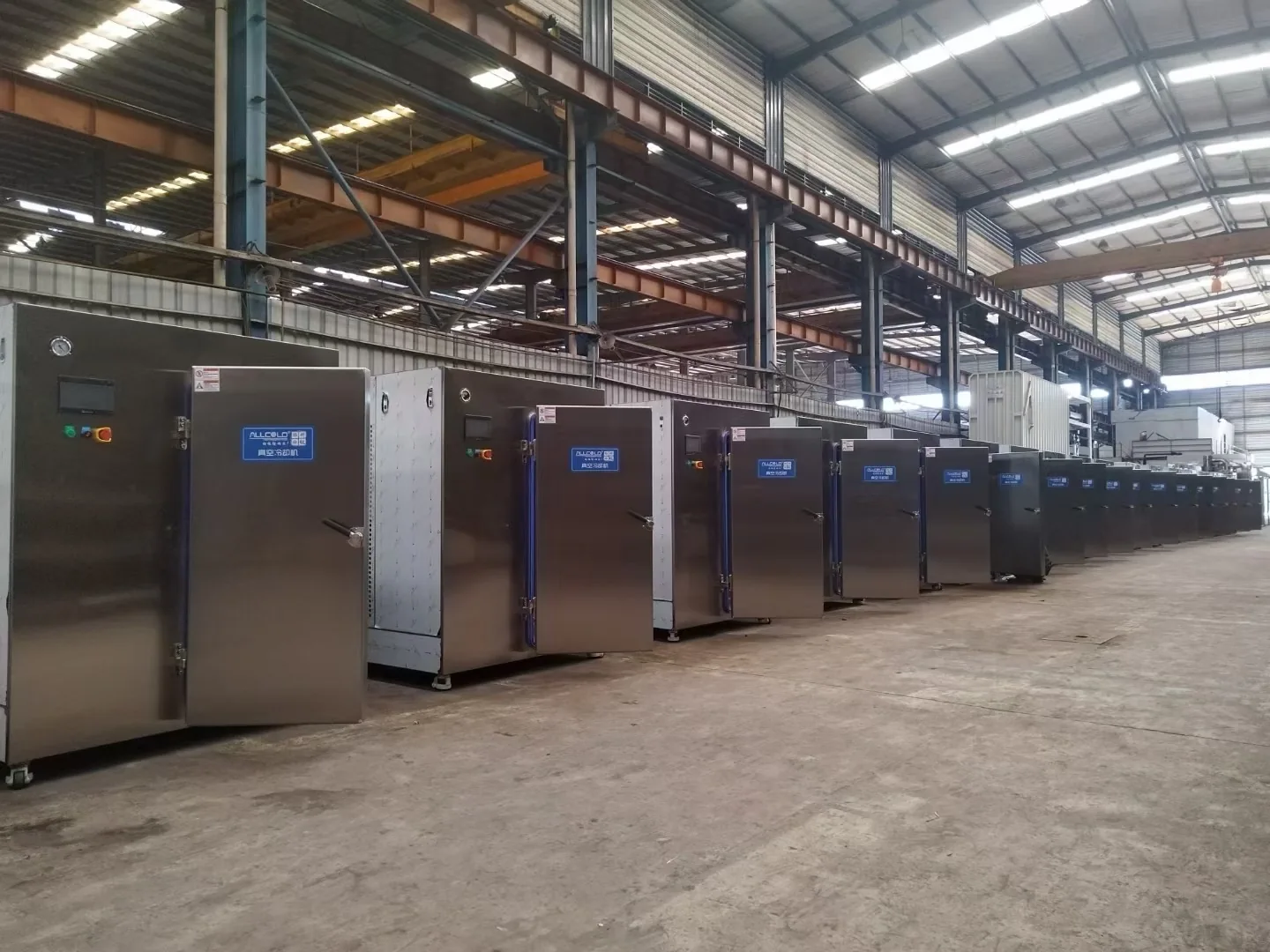
Allcold combines factory-based manufacturing and export-project communication with application-based produce equipment selection. Buyers can discuss chamber fit, pallet loading and site requirements directly in the configuration process. This is a practical reason to include Allcold in a supplier comparison: the conversation can address how the machine will work in your operation. Compare the written equipment and service scopes, rather than assuming a factory or dealer is always the better route.
However, bypassing the factory-direct route often means leaving significant money and control on the table. You risk paying a huge markup and dealing with a middleman who doesn’t truly understand the technology or your specific operational needs. Is avoiding perceived risk worth the real-world costs?
Buying directly from a vetted Chinese manufacturer is the most cost-effective way to purchase a vacuum cooler. It provides direct access to engineers for customization and eliminates middleman markups, making it ideal for knowledgeable buyers like Carlos who want the best value and control.

The Power of Going Direct
As a manufacturer based in China, I can tell you that this is the preferred route for most serious, large-scale buyers. Why? Because it offers unparalleled advantages.
The Financial Case
The most obvious benefit is cost. When you buy from a local dealer, you are paying their markup, which can be anywhere from 30% to 100% of the factory price. By going direct, you cut out that entire layer of cost. For a machine that cost1s $80,000 from the factory, that’s a saving of at least $24,000. For a professional buyer like Norman, that level of savings is impossible to ignore.
The Technical Advantage
Allcold can discuss the production brief, chamber dimensions and loading requirements directly with the buyer. If an automated transfer interface is proposed, confirm its engineering and supply scope separately. A local dealer’s technical contribution should also be assessed from its actual resources.
Transparency and Trust
Ask for an agreed inspection scope, equipment documentation and evidence for the quoted configuration before dispatch. A fixed 72-hour continuous test should not be assumed as a universal Allcold procedure. Confirm what will be demonstrated and which components are included in the order.
| Aspect | Buying Direct from ALLCOLD | Buying from a Middleman/Dealer |
|---|---|---|
| Price | Factory Price (Best Value) | Factory Price + 30-100% Markup |
| Technical Support | Direct to Engineer | Via a Salesperson (Slow, Inaccurate) |
| Customization | High (Fully Flexible) | Limited to Standard Models |
| Transparency | Full (Video Tours, Testing) | None (You don’t see the factory) |
| Trust | Built on direct communication | Based on dealer’s reputation only |
What About Buying Through a Local Dealer or Agent?
When you have a problem with a complex piece of equipment, your first instinct is to want someone to drive to your facility and fix it. This desire for local, hands-on support is the single biggest reason buyers choose to work with a local dealer or agent.
The comfort of having a local contact is powerful. But this comfort comes at a premium. You are paying a high price for this service, and you might be sacrificing technical expertise and customization options in the process. You have to ask: is the convenience of a local dealer worth the significant markup and potential communication gaps?
Local dealers provide the convenience of handling importation, offering on-site support, and speaking your language. This is a good option for buyers who prioritize convenience over cost and are purchasing a standard machine with no special modifications.

The True Cost of Convenience
Working with a local dealer can be the right choice for some, especially for smaller businesses or first-time importers who are intimidated by the logistics of international trade. But it’s essential to understand the trade-offs.
The Service Myth
Compare local service and factory support as distinct parts of the proposal. Confirm contact routes, response arrangements, diagnostic access and site responsibilities for the destination. Do not assume a remote call resolves every fault or replaces qualified local work.
The Price You Pay
A dealer has their own business to run. They have to pay for marketing, sales staff, and their own profit margin. This is all added to the price of the machine. The result is that you are paying tens of thousands of dollars more for the exact same machine you could have bought directly from the factory. While they handle shipping and customs, these are straightforward logistical tasks that a good freight forwarder can manage for a fraction of the cost a dealer builds into their price.
Lack of Flexibility
Dealers prefer to sell standard, off-the-shelf models because they are easier to order and support. If you need a custom solution6—like a special door configuration, a unique power supply requirement, or specific hygiene features for a HACCP-certified kitchen7 like Sophia’s—the dealer is often the wrong choice. They are not equipped to manage this level of customization. Buying direct allows for a machine built precisely for your needs.
| Factor | Local Dealer | Factory Direct (ALLCOLD) |
|---|---|---|
| Initial Cost | High (Significant Markup) | Low (No Middleman) |
| Logistics | Handled for You | You manage (with our support) |
| Complex Service | Relies on Factory Support Anyway | Direct Access to Factory Experts |
| Customization | Very Limited | Fully Supported |
Can You Find Good Suppliers on B2B Platforms like Alibaba?
Platforms like Alibaba, Made-in-China, and Global Sources are a popular starting point for sourcing, especially for professional buyers like Norman. They offer a huge directory of potential suppliers in one place, making it easy to compare options at a glance.
But this huge selection is also a huge problem. The platform is filled with thousands of suppliers, and it’s incredibly difficult to tell who is a genuine, high-quality manufacturer and who is a small trading company with a fancy webpage and no real factory. Choosing wrong here can lead to scams, poor quality, and endless delays.
B2B platforms are a useful tool for initial market research, but you must aggressively vet the suppliers you find. Focus on suppliers with long-standing, Verified profiles, and always insist on a live video factory tour to prove they are a real manufacturer, not just a trader.

How to Separate the Gold from the Dirt
Using Alibaba is like prospecting for gold; you have to sift through a lot of dirt to find a valuable nugget. As an established manufacturer who uses the platform, I can tell you what to look for—and what to run from.
The Key Vetting Steps
A professional sourcing process on these platforms goes far beyond just looking at the price. Here’s what an experienced buyer like Norman does:
- Filter by Verified Supplier: This is a basic first step. It means the platform has had a third party confirm the company’s legal existence and basic details. It doesn’t guarantee quality, but it filters out the most basic scams.
- Check their History: How many years have they been on the platform? A supplier with 10+ years of history is a much safer bet than a new profile. Longevity shows stability.
- Analyze their Storefront8: Do they only sell vacuum coolers, or do they sell 50 different types of unrelated machinery? A true specialist manufacturer will have a focused product range. A trader will sell anything and everything. Look for detailed technical specifications, real factory photos, and case studies.
- Demand a Live Video Tour9: This is the ultimate test. Tell them you want a video call right now and have them walk you through their workshop. A real factory will be proud to show you. A trading company will make excuses. They will say the factory is "in another city" or "it’s not convenient." This is a huge red flag.
Red Flags to Watch For
- Unbelievably Low Prices10: The price of steel, compressors, and vacuum pumps is global. If one supplier’s price is 50% lower than everyone else’s, they are using substandard materials or it’s a scam.
- Vague Technical Answers: If you ask about the brand of compressor or the thickness of the steel and they can’t give you a clear, immediate answer, they are not the manufacturer. They have to go ask the real factory.
- No Company Branding: If their factory photos show workers in plain clothes and machines with no logos, it’s likely they are using generic photos they found online. A real factory is proud of its brand.
| Vetting Signal | Good Supplier (Likely a Real Manufacturer) | Bad Supplier (Likely a Trader) |
|---|---|---|
| Profile | Verified, 10+ Years | New, Unverified |
| Product Range | Specialized in a few machine types | Sells everything from coolers to shoes |
| Photos | Consistent, branded factory photos | Generic, inconsistent, or no photos |
| Video Tour | Eager and able to give one instantly | Makes excuses, says it’s not possible |
| Technical Questions | Answers immediately and with detail | Is vague, has to "check and get back" |
Conclusion
Include Allcold’s manufacturing and configuration support in the supplier comparison, alongside the actual installed scope, service arrangement and price. A direct factory route is useful when configuration discussion matters, but the best purchase depends on the complete project.
Understanding cost benefits can help you save significantly when purchasing machinery. ↩
Explore how direct communication with engineers enhances product integration and customization. ↩
Learn how transparency builds trust and ensures quality in your purchases. ↩
Explore how local service can impact your business decisions and the potential drawbacks. ↩
Learn about the advantages of direct access to factory service teams for efficient problem resolution. ↩
Discover options for tailored refrigeration solutions that meet specific business needs. ↩
Understand the standards and features necessary for compliance in HACCP-certified kitchens. ↩
Learning how to effectively analyze a supplier’s storefront can lead to better sourcing decisions and higher quality products. ↩
A live video tour can provide real-time insights into a supplier’s operations, helping you verify their legitimacy. ↩
Exploring the risks associated with low prices can protect you from potential scams and ensure product quality. ↩
Interested in vacuum cooling for your operation?

Mila
You May Also Like
Vacuum Cooler Water Quality: What to Check Before Connecting the Supply
Identify the water circuits, review a representative water analysis and clarify the utility scope before connecting a vacuum cooler. A practical guide for Allcold equipment buyers.
Buying a Vacuum Cooler for a Cold Climate? Plan for the Hours It Is Off
A winter specification should cover more than the temperature during production. Compare running, idle, power-loss and restart conditions before choosing the equipment.
Can a Vacuum Cooler’s Chamber, Pump and Chiller Go in Different Rooms?
Keep the chamber convenient for production without assuming the machinery must sit beside it. A practical guide to reviewing a split vacuum cooling installation.
Vacuum Cooling Sweet Corn: Look Beyond Cooling Speed
Can sweet corn be vacuum cooled? Compare moisture control, husk and pack formats, hydrocooling alternatives, and the product checks to agree before buying.
Vacuum Cooling Celery: Is It the Right Choice for Your Packing Line?
Can celery be vacuum cooled? Compare vacuum, hydro and forced-air cooling, then assess packaging, temperature, weight loss and real packing-line throughput.
Does a Bigger Vacuum Pump Mean Faster Vacuum Cooling?
Does a larger vacuum pump cool produce faster? Compare m³/h ratings, loaded cooling time and complete batch throughput before buying a vacuum cooler.
Which Refrigerant Should Your Vacuum Cooler Use?
Choosing a vacuum cooler refrigerant? Check local service support, destination rules, system performance and quotation details before ordering.
Can Your Floor Support a Vacuum Cooler? Look Beyond Tonnes per Square Metre
Check vacuum cooler floor loading before you buy: operating weight, support reactions, forklift wheel loads, ramps and the site data your engineer needs.
Buying a Vacuum Cooler Near the Coast? Specify More Than Paint
Coastal protection is more than chamber paint. Use this component-by-component checklist to compare vacuum cooler quotations, test evidence and maintenance scope.
50 Hz or 60 Hz? How to Confirm a Vacuum Cooler Will Work at Your Site
Buying a vacuum cooler for 50 Hz or 60 Hz power? Check whole-machine compatibility, auxiliaries, conversion scope and quoted performance before ordering.