FARM INVESTMENT · OWNERSHIP VS. OUTSOURCING
The cooling fee is easy to see. The cost of getting your harvest cooled on time—and keeping your own equipment productively occupied—is harder to compare.
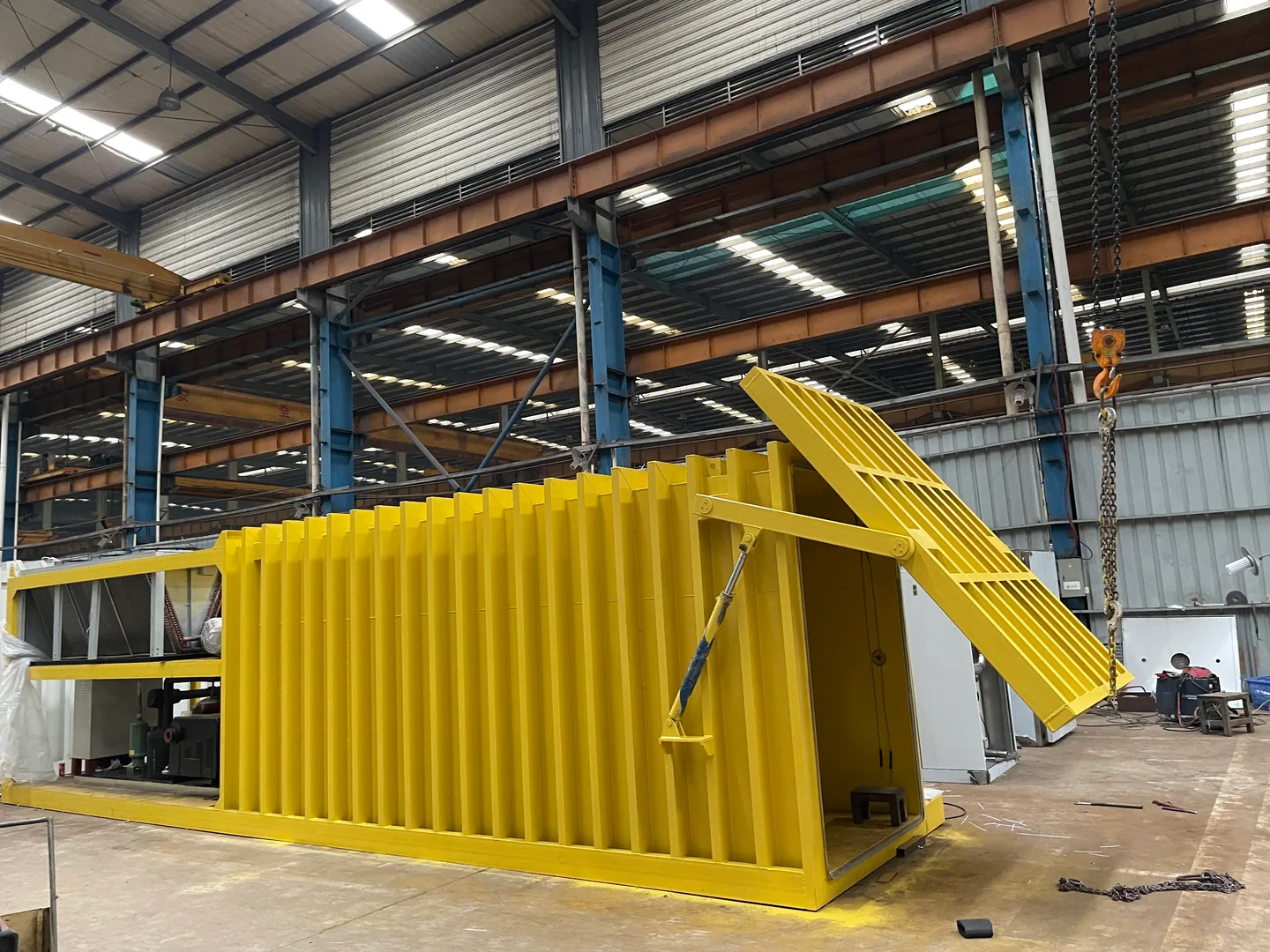
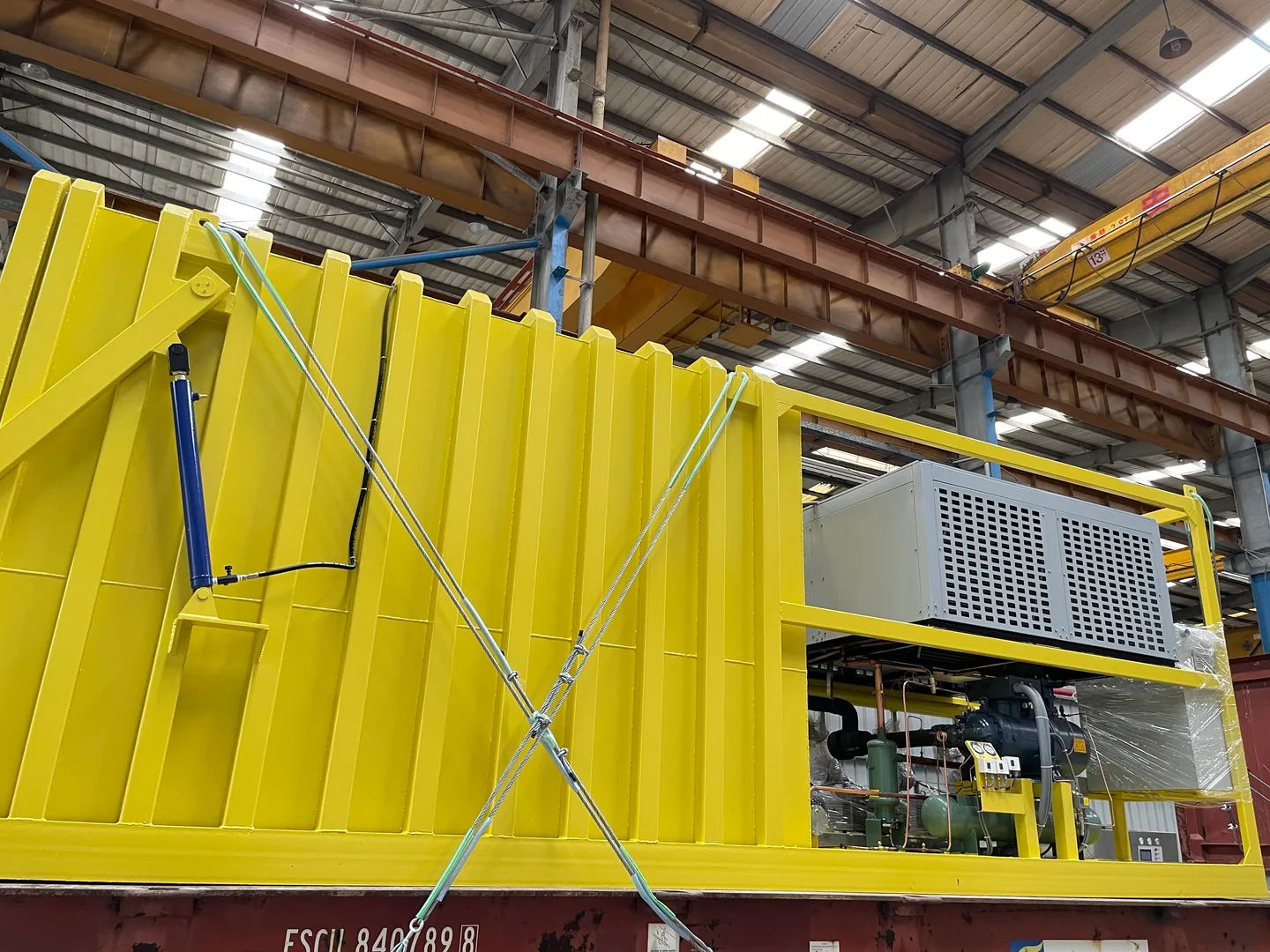
Your farm already pays a nearby packhouse to precool its vegetables. Buying a vacuum cooler could remove that service bill and give you control of the schedule. But it would also bring a capital commitment, operating work and a machine that may sit idle outside harvest season.
The decision is not simply “Is vacuum cooling valuable?” It is “Would owning the equipment improve our operation enough to justify the costs we would take on?” Compare ownership with the service you can actually obtain, not with leaving produce uncooled.
Buy or outsource? Ownership becomes more attractive when recurring volume, transport savings and scheduling needs support the investment—and your site can operate the system reliably. Outsourcing can be the better choice for limited or uncertain volume when a suitable provider offers dependable capacity nearby. First confirm equivalent cooling outcomes; then compare annual costs and the busiest harvest window.
Four questions to answer before asking for a machine price
- How much compatible produce will you realistically cool each season?
- What does outsourcing cost after extra transport, handling and minimum charges?
- Can each option meet your required harvest-to-cooling and dispatch schedule?
- Who will run the owned machine, and what happens if it is unavailable?
1. Compare the same cooling result—not just two prices
Start with the crop, packaging, incoming temperature, required exit temperature and transfer into suitable cold storage. A quote for temporary cold-room space is not automatically a quote for rapid precooling. Nor is every vegetable equally suited to vacuum cooling: UC Davis lists vacuum cooling among the methods used for romaine and leafy lettuce, but that is not a blanket recommendation for every crop.[1]
Ask the service provider which cooling method it uses and how completion is checked. Ask the machine supplier to assess the same product and packed load. Include minimum loads, handling limitations and any storage service in the comparison.
If both options already deliver comparable product condition, do not credit ownership with all the benefits of precooling. Only an evidenced difference—such as a shorter delay or less handling—belongs in the additional-benefit calculation. Without supporting records, leave quality gains out of the base case and assess them separately.
2. Separate annual ownership costs from cost per tonne
Farm-machinery guidance from the University of Nebraska distinguishes ownership costs from the costs of operating the equipment.[2] Apply that distinction to the complete cooling installation, rather than treating electricity as the whole cost of owning it.
| Cost category | Owned vacuum cooler | Third-party service |
|---|---|---|
| Annual commitment | Annualized equipment and site investment, capital cost, insurance and other relevant fixed overheads. | Any booking retainer, annual minimum or committed service payment. |
| Cooling operation | Whole-system electricity, water where applicable, operator time, cleaning and variable service costs. | Cooling fee and any separately charged loading, storage or out-of-hours work. |
| Logistics | Farm-side handling and transfer to the agreed next stage. | Additional vehicle movements, driver time, handling and waiting charges. |
| Interrupted operation | Repair response, backup arrangements and potentially outsourced overflow. | Provider outage or unavailable bookings, and the cost of an alternative route. |
Use a consistent economic-cost method: for example, depreciation over the expected holding period plus a capital charge. Separately check the deposit, loan repayments and working-capital needs in a cash-flow plan. Do not add the full purchase price to annual depreciation, or count the same capital cost twice.
Count only the logistics difference. If a delivery already passes the cooling provider on its way to the customer, charging an entire extra round trip would exaggerate the case for ownership. Likewise, an existing cold room that costs the same under both options should not appear only on the ownership side.
Use tonnes of the same incoming product as the cost denominator. If the provider charges by pallet, convert using your actual net load—not an assumed universal pallet weight. Our usable chamber and pallet-fit guide helps separate a pallet count from the load the machine must accommodate.
3. A worked example: the cheaper option changes with utilization
Illustrative figures only. All amounts below are hypothetical US dollars, not Allcold prices, market service rates or predicted savings. Both routes are assumed to meet the same cooling requirement. Common costs are excluded, and no quality premium is assumed.
Assumptions for a first comparison
- Owned system: $12,000 annual fixed economic cost, covering the assumed annualized machine/site investment and relevant fixed overheads.
- Owned operating cost: $6 per tonne for the included utilities, labor and variable upkeep.
- Outsourced route: $18 per tonne all-in: $12 cooling, $4 additional transport and $2 additional handling.
- No outsourced retainer, minimum-load charge or volume discount; costs stay constant within the illustrated range, and capacity is sufficient.
| Annual volume | Owned: $12,000 + $6/t | Outsourced: $18/t | Cost difference |
|---|---|---|---|
| 500 tonnes | $15,000 ($30/t) | $9,000 ($18/t) | Outsourcing costs $6,000 less. |
| 1,000 tonnes | $18,000 ($18/t) | $18,000 ($18/t) | Equal annual cost. |
| 1,500 tonnes | $21,000 ($14/t) | $27,000 ($18/t) | Ownership costs $6,000 less. |
A simplified break-even approach is also used in Oklahoma State University’s ownership-versus-custom-hire guidance.[3] For the assumptions above:
This is an annual cost crossover, not a payback period or a recommended minimum farm size. If outsourcing drops to $14/t, the crossover rises to 1,500 tonnes; at $22/t, it falls to 750 tonnes. If the outsourced rate is no higher than the owned variable cost, volume alone cannot recover the additional fixed cost in this model.
Real tariffs and operating costs may not be linear. Minimum charges, partially filled batches, extra shifts and major capacity upgrades can change the result. Replace the assumptions with dated quotes and realistic utilization. Check a low-volume season as well as the expected season before committing.
4. Annual tonnes do not tell you whether harvest day will work
A thousand tonnes arriving across a long season is a different workload from the same volume concentrated into a few weeks. Map arrivals by day and, during the busiest period, by hour. Then compare when each pallet can actually start cooling.
For the outsourced route, include dispatch from the farm, travel, receiving, queuing and loading. For ownership, include your own harvest collection, staging, operator availability and any queue behind earlier batches. University of Minnesota Extension emphasizes prompt removal of field heat to reach the appropriate storage temperature.[4] Neither distance alone nor machine ownership proves a shorter delay.
Ask for evidence of peak-season booking availability rather than assuming the nearest provider is always accessible. For an owned unit, confirm complete cycles—including handling—and the route into cold storage. The packing-house throughput guide explains the site-side constraints.
5. Choose the operating model your farm can support
Iowa State’s machinery-service guidance describes the basic trade-off: hiring a service reduces the capital and operating responsibilities of ownership, while access and scheduling depend on local availability.[5] For produce cooling, use that principle without assuming every area has a suitable provider.
Outsourcing deserves serious consideration when…
- Seasonal volume is low or uncertain, and reliable service is available.
- The extra journey is modest and fits the required cooling schedule.
- You lack an appropriate site, operators or maintenance support.
- Preserving capital is more useful than taking on equipment now.
Ownership deserves serious consideration when…
- Repeatable demand supports the cost under conservative volume assumptions.
- Transport or uncertain bookings create a documented constraint.
- Your site, utilities and staffing can deliver the planned output.
- You have a workable response to breakdowns and peak overflow.
An owned system with an agreed external overflow arrangement is another option. Confirm that service would actually be available when needed; nearby farms may need it at the same time. For equipment-side backup decisions, see the one-large-versus-two-small-unit comparison.
6. Ask both sides for enough information to decide
Ask the cooling service provider
Which crops and pack formats are accepted? How are charges calculated? What do minimum loads, storage and extra handling cost? What cooling completion checks are included? How are peak-season slots allocated, and what happens when the provider cannot accept a load?
Ask the machine supplier
What configuration suits the crop, starting temperature, target temperature and packed load? What site work, utilities, staffing and service support are needed? What performance assumptions underlie the proposal? What is included in the delivered and installed scope?
For both, supply the same crop list, annual tonnage, harvest calendar and peak-hour arrivals. Add actual transport costs and service invoices where available. A clearly scoped quotation makes the comparison more useful than a headline equipment price.
Frequently asked questions
Is owning a vacuum cooler always cheaper?
No. Annual utilization, the complete installed cost and the local service alternative determine the cost comparison. More control can be valuable, but it is not a substitute for those figures.
How many tonnes justify buying?
There is no universal threshold. The 1,000-tonne example above follows only from its stated assumptions; use your own costs and confirm capacity separately.
Will buying automatically improve produce quality?
No. The difference depends on actual delay, cooling performance, handling and the onward cold chain. A dependable external provider may already achieve the required result.
Compare a real service quote with a real machine proposal
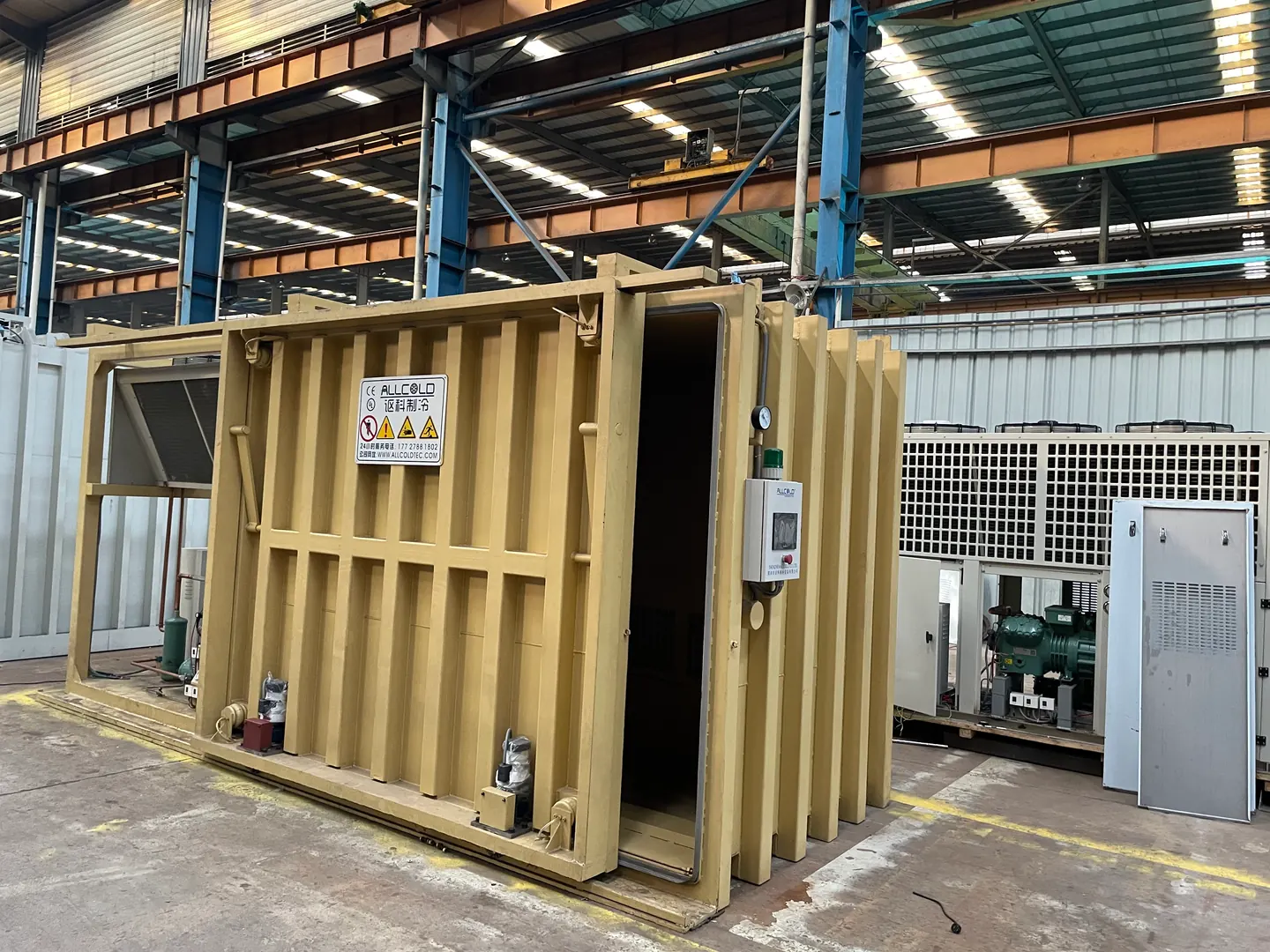
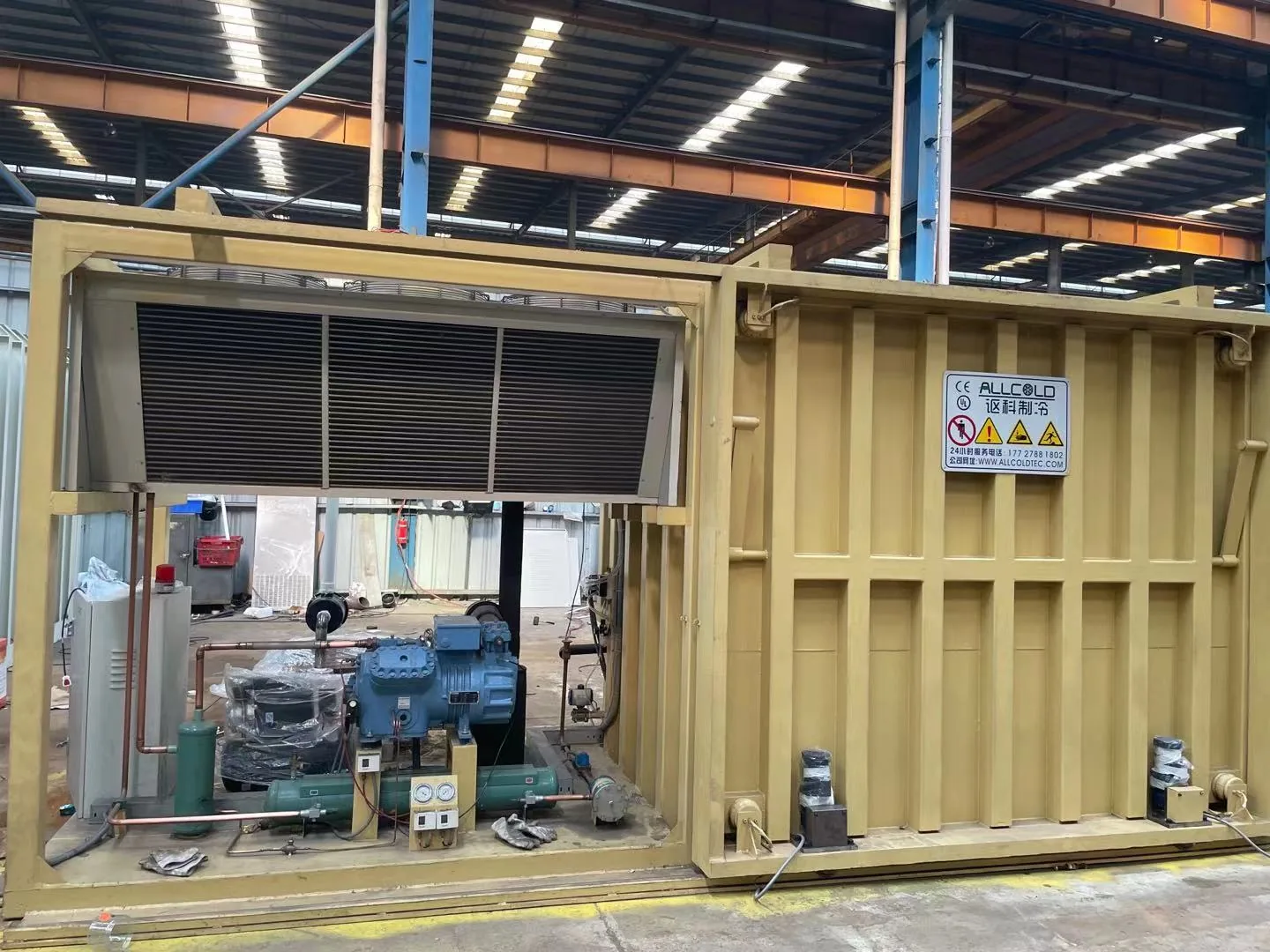
If you are considering an Allcold fresh-produce vacuum cooling system, share your product, packed load, harvest schedule and site conditions. Include your current cooling route so the equipment discussion reflects the operation you want to improve.
References and methodology
Sources checked 8 September 2026. Farm-machinery references support the comparison method, not vacuum-cooler prices or service rates. The numerical example is an original hypothetical illustration.
- UC Davis Postharvest Research and Extension Center. Lettuce: Romaine and Loose-Leaf. Crop-specific cooling and storage guidance. ↩
- University of Nebraska–Lincoln, Glennis McClure. Harvest operations: own it or hire it? Ownership and operating cost categories; no published harvesting rates are reused here. ↩
- Oklahoma State University Extension, Roger Sahs and Courtney Bir. Machinery Ownership versus Custom Harvest. Partial budgeting and cost-crossover method. ↩
- University of Minnesota Extension. Postharvest handling of fruit and vegetable crops in Minnesota. Field-heat removal and appropriate storage conditions. ↩
- Iowa State University Extension and Outreach. Acquiring Farm Machinery Services. Capital, staffing and scheduling trade-offs. ↩