ALLCOLD · INTERNATIONAL BUYER’S GUIDE
“Suitable for your country” is not a complete electrical specification. Before ordering, connect the actual site supply to the complete machine configuration—and to the cooling performance you are buying.
A vacuum cooler can have the right chamber size, an attractive price and a motor marked “50/60 Hz” without being ready for your installation. The missing detail may be another motor, an auxiliary unit or the conditions behind the quoted capacity. Discovering that gap after delivery turns a purchasing question into an installation problem.
The useful question is therefore not simply, “Do you sell a 60 Hz machine?” It is: “Which exact configuration are you quoting for our supply, and what performance does that configuration deliver?”
1. Specify the actual supply—not just the destination
“Three-phase power available” leaves two important fields unanswered: voltage and frequency. A country’s typical grid supply is also not a substitute for confirmation at the proposed connection point. The equipment may be served by a site transformer, a generator or a different distribution arrangement from the one assumed in a quotation.
For example, 400 V / three-phase / 50 Hz and 400 V / three-phase / 60 Hz describe different supplies even though the voltage matches. These are illustrative labels, not recommended ratings for an Allcold model.
Ask the electrician to provide the supply details, including whether the stated voltage is line-to-line, and identify any neutral and earthing requirements to resolve with the supplier. Ask for the machine’s permitted supply range; do not invent a universal tolerance from a motor data sheet.
When a motor carries both 50 Hz and 60 Hz ratings, read the corresponding voltage, current, output and speed information together. ABB’s nameplate guidance explains that multiple frequency ratings require the associated differing parameters to be identified.[2] Do not combine a voltage from one rating with a frequency from another because both appear somewhere on the plate.
2. Check beyond the main motor
The buyer does not need to redesign the electrical system. The buyer does need an answer that covers the system being purchased. Ask the supplier to account for the following groups, marking items “not fitted” where appropriate.
| Equipment group | What the supplier should confirm | What is not enough |
|---|---|---|
| Vacuum pump assembly | Compatibility of the selected pump, its motor and its operating arrangement at the proposed supply or drive output. | A photograph of the motor alone. |
| Refrigeration package | Selected compressor model, relevant electrical ratings and the approved operating conditions. | Compressor brand or nominal kW only. |
| Fans and water pumps | Ratings of each installed or separately supplied auxiliary, including any cooling-tower or evaporative-condenser equipment. | Confirmation limited to the chamber package. |
| Controls and door equipment | Applicable ratings for control power supplies, transformers, AC coils and any fitted hydraulic power unit. | A touchscreen or power supply marked “50/60 Hz.” |
| External supply equipment | Responsibility for any transformer, converter or generator, and the agreed interface with the machine. | “To be arranged locally” with no defined requirements. |
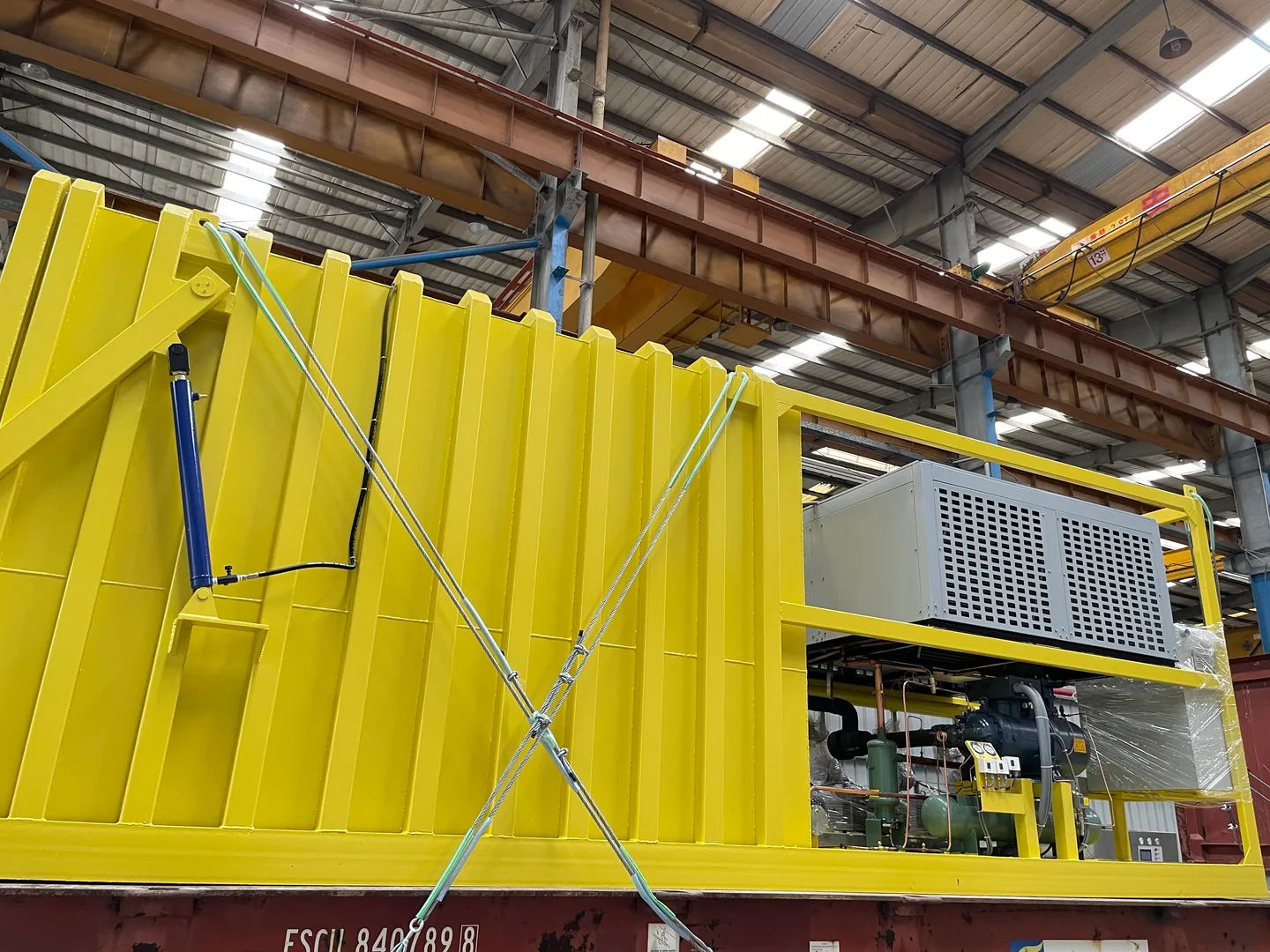
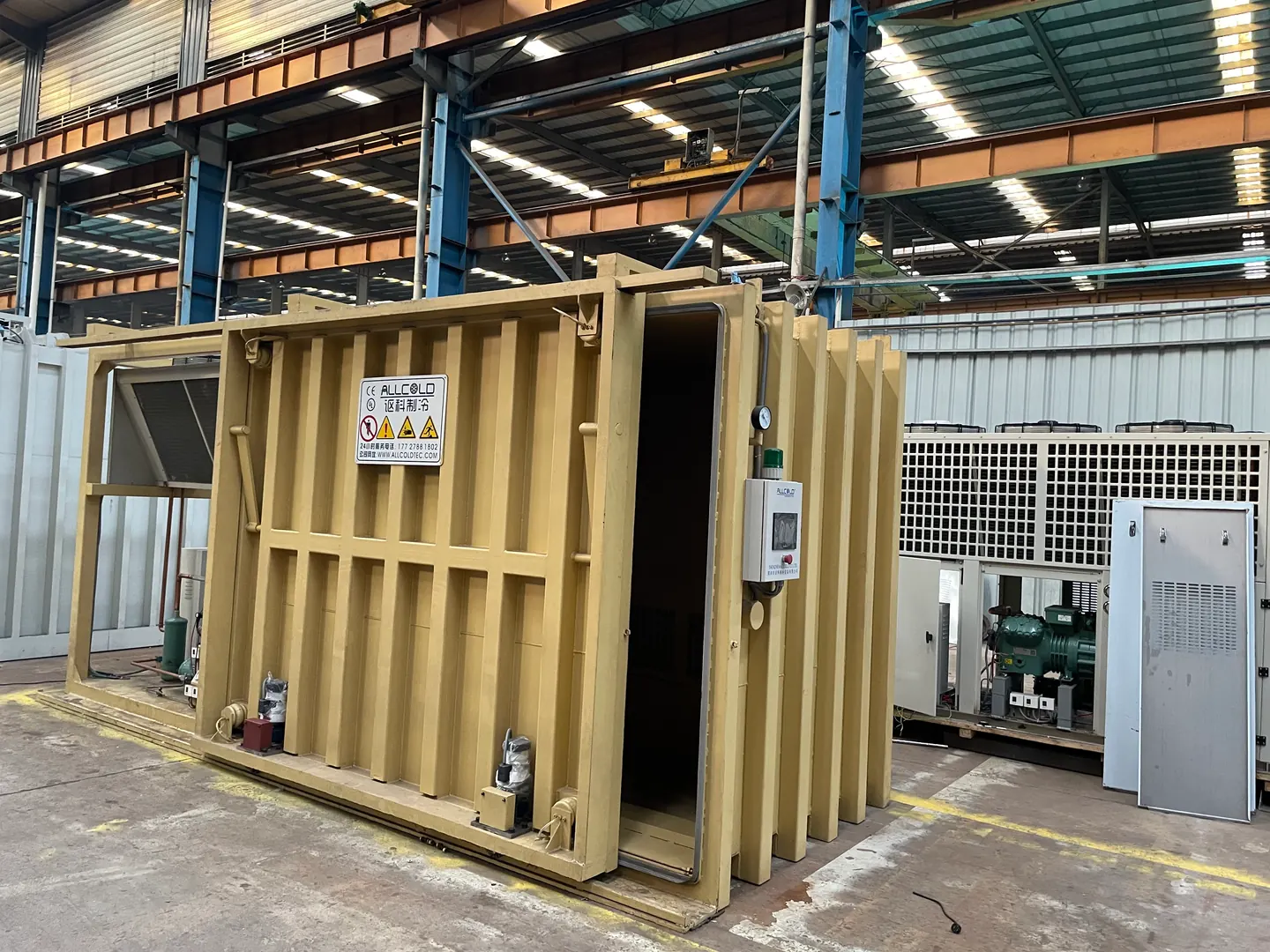
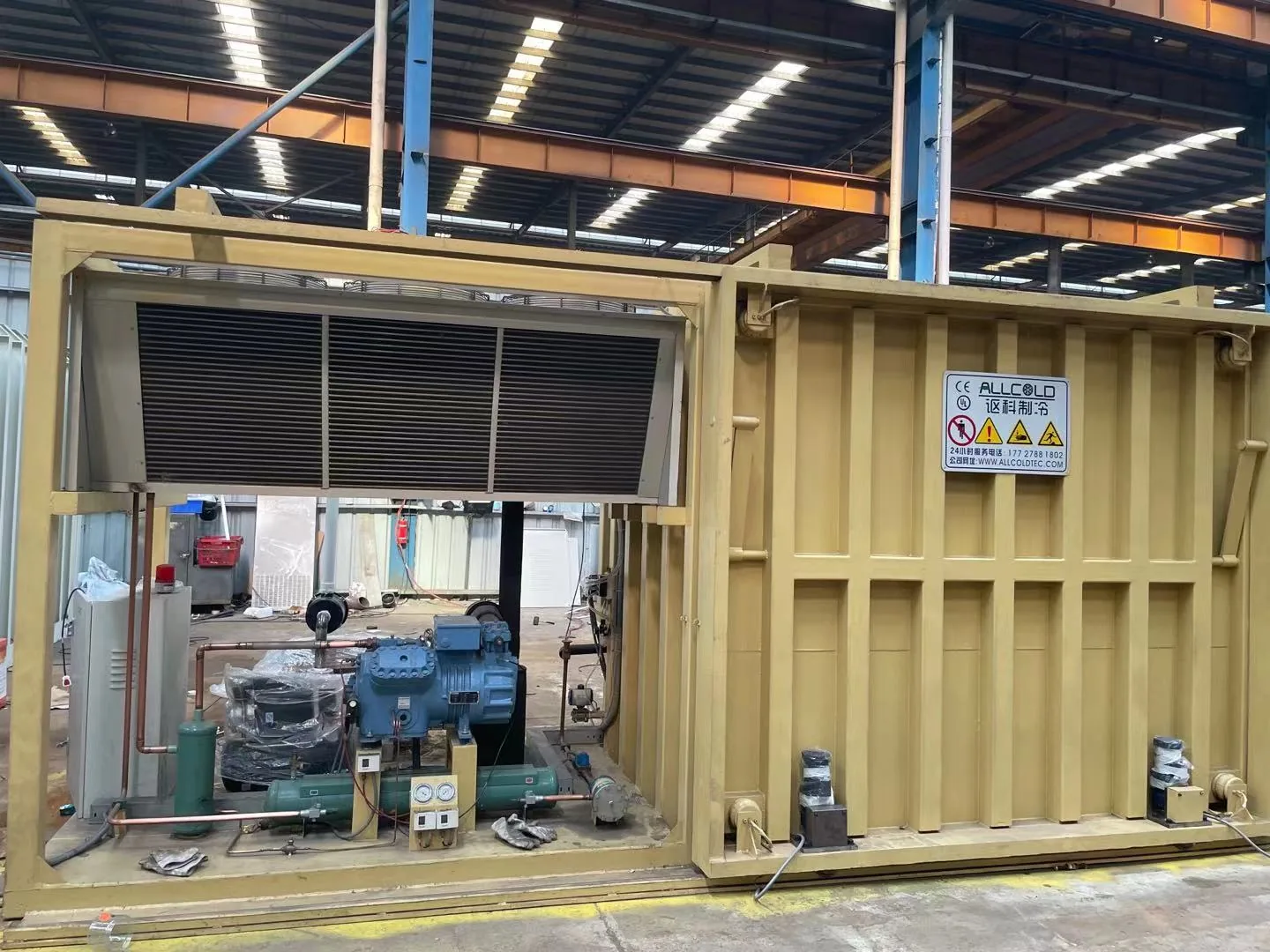
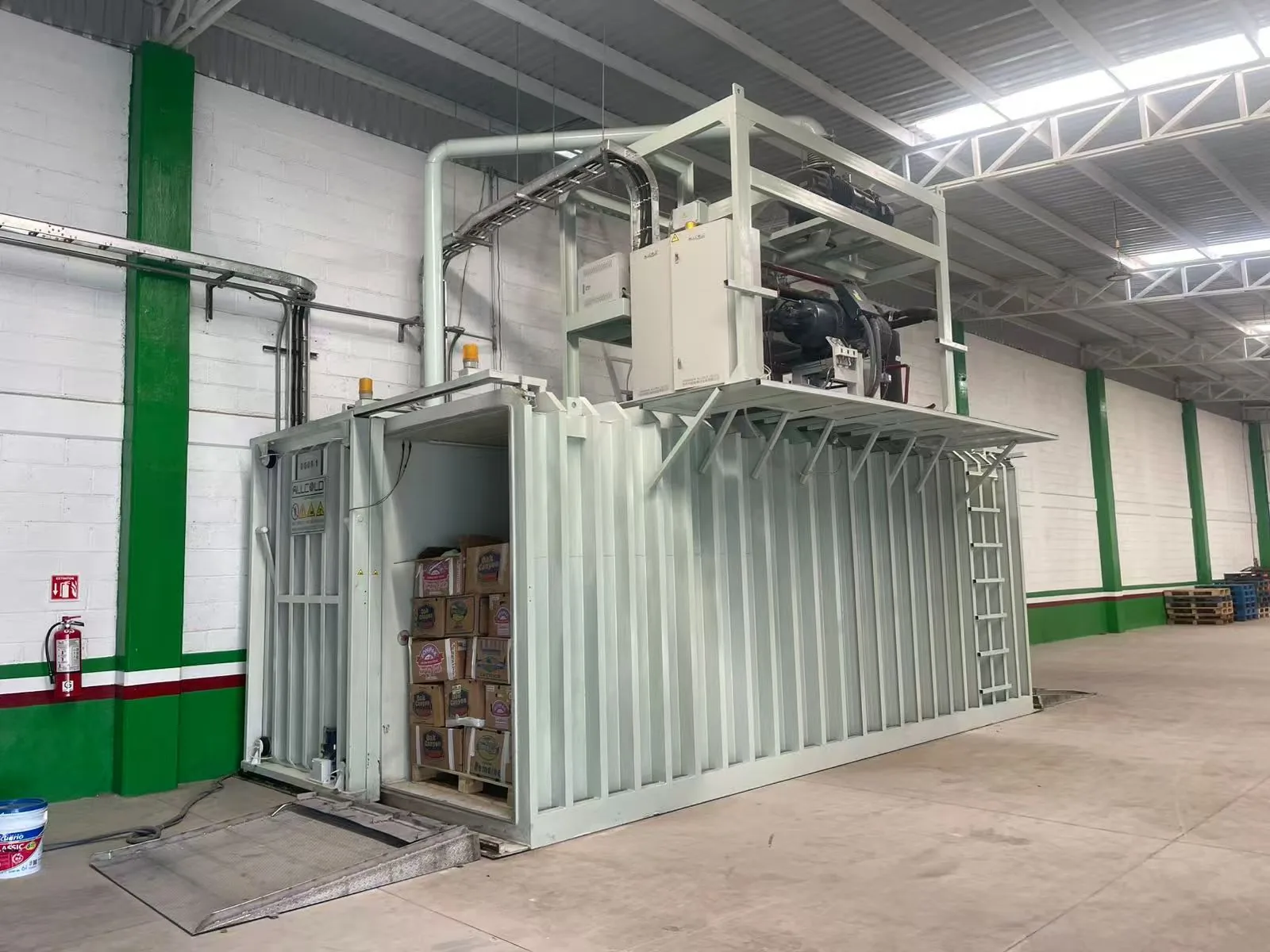
This is especially useful when comparing an integrated machine with an offer that excludes site utilities. Two prices may describe different electrical scopes. For fresh-produce projects, start with the relevant Allcold vacuum cooling system, then confirm the project-specific equipment list.
3. Separate a transformer from an engineered conversion
A voltage change does not settle a frequency mismatch
A conventional transformer may form part of a voltage-matching solution, but it does not turn a 50 Hz source into 60 Hz or vice versa. Its own input-frequency rating must also be suitable. Schneider Electric explicitly distinguishes these issues in its transformer guidance.[1]
Therefore, “add a transformer after delivery” is not a complete answer when the unresolved difference includes frequency. Ask which mismatch the proposed equipment actually solves and which items still require review.
A VFD can be part of the design—not blanket approval
A variable frequency drive (VFD) can supply a compatible motor with a controlled output frequency. That does not make a general-purpose drive a suitable power source for an entire vacuum cooler cabinet.
For example, Copeland’s compressor guidance specifies model-dependent operating ranges and calls for consideration of lubrication, motor cooling and vibration. Its guidance illustrates why a compressor conversion needs application-specific review; it is not a statement that a particular Allcold machine uses those compressors.[3]
If a conversion is proposed, request a defined scope: affected equipment, approved configuration, remaining limitations, installation responsibility and support terms. Do not accept “we will change a setting” as a substitute. Electrical and refrigeration changes belong with qualified personnel and the relevant manufacturers.
4. Compare performance on the same basis
There are two separate questions: Can this configuration operate on our supply? And will it deliver the cooling duty in the quotation? A satisfactory answer to the first does not document the second.
For an AC induction motor, speed depends on the frequency actually supplied to the motor and its design. With a VFD, that frequency may differ from the incoming grid frequency.[2] However, a change from 50 Hz to 60 Hz is not evidence that a complete vacuum-cooling cycle becomes 20% shorter. Nor does the reverse establish a fixed percentage loss in throughput. Those are whole-process claims, not conclusions that follow from a frequency label.
Ask for both offers to use the same product, packaging, load, initial temperature, endpoint and site conditions. Confirm whether “cycle time” means the cooling stage alone or includes loading, unloading and any required between-batch work. For an existing unit, ask whether the performance evidence relates to the proposed configuration or its previous installation.
Generator operation introduces a further question: can the source support the machine’s running and starting demands? Matching volts and hertz does not size the generator. Use the separate vacuum cooler generator-sizing guide for that discussion.
5. Turn the answer into a clear order specification
For a new machine
Put the confirmed site supply into the quotation and order documents before the equipment configuration is finalized. Ask the supplier to state what is included, what the buyer must supply and which information is still outstanding. If the site details change, request a revised confirmation rather than relying on an earlier email.
Agree the documents to be supplied for installation: machine electrical data, relevant equipment identification, connection requirements and the applicable electrical drawings. A purchase order saying only “export version” leaves too much interpretation for the installation stage.
For a used machine or a transfer to another site
Start with the serial number, machine nameplate, component identification and available drawings. An older brochure may not describe replacement parts fitted later. Have a qualified person collect any information that requires access inside the electrical cabinet.
Ask for a written assessment of whether the machine can be used as it is, requires an approved modification or is unsuitable for the proposed application. Include that work, documentation and responsibility in the comparison—not just the purchase price. The broader used-versus-new vacuum cooler guide explains the other costs to consider.
Copy this into your enquiry
We need a vacuum cooler for [product], with [batch weight and pallet/trolley arrangement], cooling from [initial temperature] to [target temperature].
Our qualified electrical professional has confirmed [line-to-line voltage] / [phase] / [frequency] at the proposed connection point. The source is [utility supply / generator / both]. Site conditions are [ambient temperature, altitude and indoor/outdoor location].
Please identify the complete configuration proposed for this supply, including separately supplied auxiliaries. State any transformer, drive, replacement component or site work required; who supplies it; and the cooling performance quoted for this configuration.
For an existing machine, we can provide [serial number, nameplate photographs, component details and available drawings]. Please identify missing information before confirming compatibility.
Frequently asked questions
Does “50/60 Hz” on one component mean the whole machine is dual-frequency?
No. It describes that component’s rating under its stated conditions. The remaining equipment and the assembled system still need confirmation. Ask for a whole-machine answer tied to the serial number or the exact quoted configuration.
Is a 60 Hz vacuum cooler always faster than a 50 Hz version?
No. Frequency alone does not establish cooling time or daily throughput. Compare the supplier’s stated performance at the same cooling duty and site conditions, not just the motor label.
What should I send if I do not know our factory’s electrical supply?
Ask your site’s qualified electrician or facilities engineer to confirm it at the intended connection point. Send that information with the cooling requirement. A country name or a photograph of a wall socket is not an adequate industrial-machine specification.
Get the electrical specification into your cooling proposal
Send Allcold your product, required batch capacity, destination site and confirmed power supply. Ask for a project-specific configuration so the electrical scope and cooling requirement are discussed together, before the order is finalized.
References and scope
- Schneider Electric — Can a 60 Hz rated transformer be energized with a 50 Hz source? Supports the distinction between voltage transformation and frequency, and the need to consider the transformer’s rating. ↩ ↩
- ABB — How to read a NEMA motor nameplate. Explains frequency, rated voltage and speed, and corresponding information for multiple frequency ratings. This does not imply that every Allcold motor is an ABB or NEMA motor. ↩ ↩
- Copeland — Application Engineering Bulletin AE21-1369 R7, July 2024 (PDF). Manufacturer guidance for VFD use with specified compressor families; see pages 6–7 for operating considerations and model-dependent limits. Not universal conversion instructions. ↩
This is a procurement guide, not a wiring or commissioning procedure. Final selection, installation and any modifications require machine-specific documentation and qualified engineering review. Allcold equipment capabilities and supplied accessories are determined by the agreed project configuration.