
Can a Vacuum Cooler Run on a Generator? A Buyer's Guide to Sizing Beyond Running kW
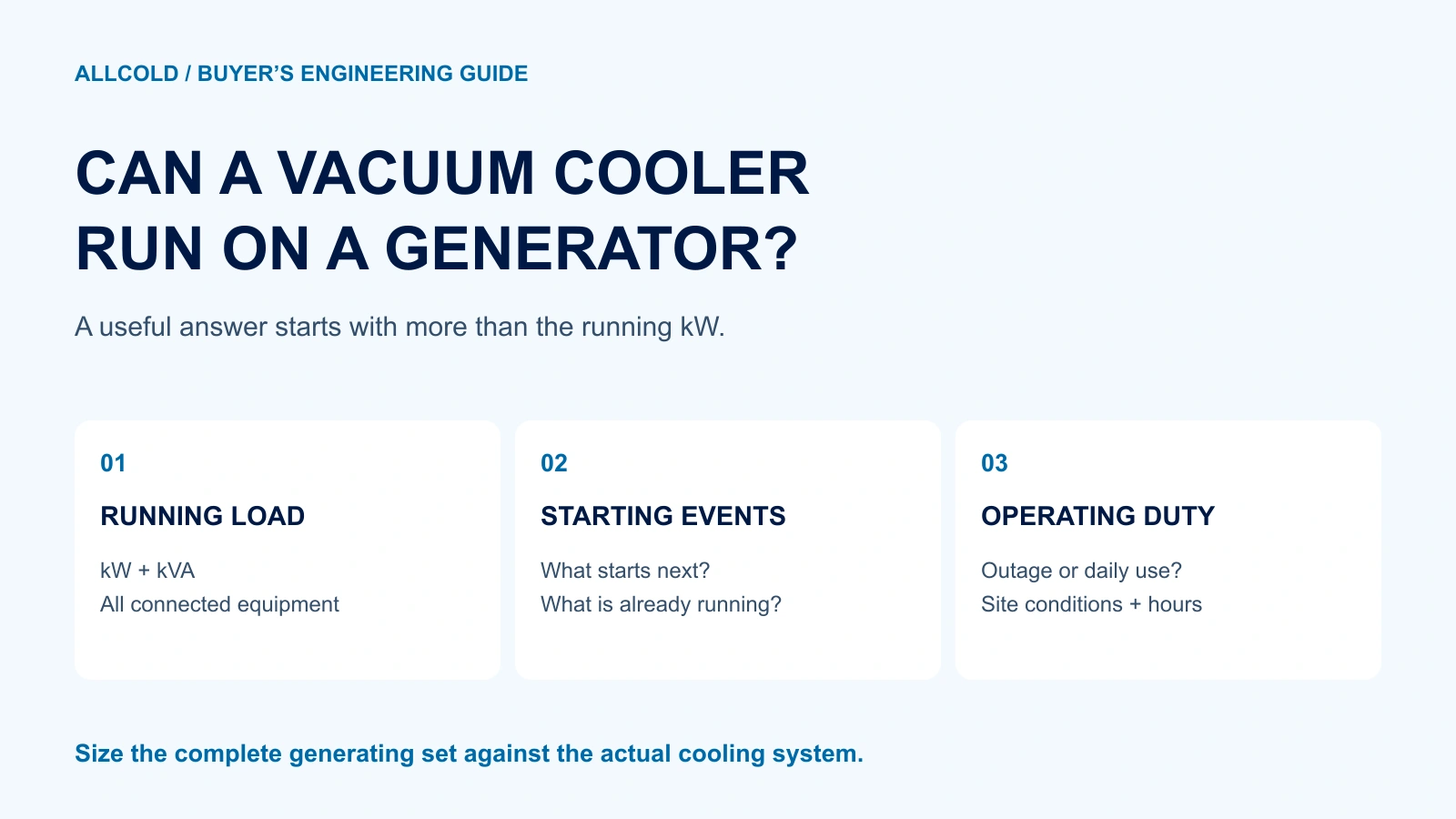
Can a vacuum cooler run on a generator? Yes, provided the specific vacuum cooler and generator set are engineered to work together. Matching the machine’s running kW is not enough. Selection also depends on motor-starting demand, permitted voltage and frequency changes, the operating duty, site conditions and every other load connected to the same supply. Ask the vacuum-cooler supplier for a component load schedule and operating sequence; ask the generator supplier to size the complete generating set against that information.
A produce packhouse has unreliable grid power. A seasonal cooling station needs electricity before a permanent connection is available. A processing plant wants to keep cooling during outages. In each case, the buyer’s first question is understandable: “The vacuum cooler is rated at this many kilowatts. What size generator do I need?”
The missing information is what happens between “off” and “running”—and what else the generator must power at the same moment. Two sites with identical vacuum coolers can require different generating sets because their supporting equipment, starting events and operating hours differ.
This guide helps buyers prepare a useful generator-sizing brief. It is not a wiring guide, a generator size recommendation for a particular model, or confirmation that an existing machine is generator-compatible. Electrical design, protection and connection belong to qualified professionals using the actual equipment documentation.
1. Decide What Must Keep Working During Generator Operation
Start with an operating decision, not a generator catalogue. “Backup power” can mean three different things for a vacuum-cooling project:
| Operating objective | What the buyer must define | What it does not automatically mean |
|---|---|---|
| Controlled interruption | Which controls, monitoring and supporting services must remain available while production stops | A small control-power backup can operate the vacuum pump or refrigeration system |
| Limited cooling service | The permitted number of machines, supporting loads and dispatch commitments during an outage | All equipment can run together, or reducing pallet count proportionally reduces electrical demand |
| Full production or regular off-grid use | The actual shift pattern, operating hours, simultaneous loads and batch schedule | A standby nameplate rating is suitable for daily production duty |
For example, a packhouse may choose to run one cooler while delaying non-essential workshop loads. Another may need the cooler, cold store and packing line operating simultaneously. Those are different procurement specifications, even when the cooling chamber is identical.
Document what happens to waiting product as well. Generator capacity cannot decide which batches get priority or whether an interrupted cycle should resume. Our utility-failure contingency guide covers that operational side; this article concentrates on the power-supply decision.
2. Running kW, Running kVA and Starting Demand Answer Different Questions
kW describes real electrical power. kVA describes apparent power. Power factor connects the two. Neither value, by itself, describes the full event when a motor accelerates. Also check what a quoted “motor kW” represents: rated shaft output is not the same as electrical input to the complete machine.
Illustrative arithmetic—not a generator recommendation
60 kW ÷ 0.80 power factor = 75 kVA
This hypothetical load requires 75 kVA at that operating point. It does not establish that a 75 kVA generator will start it, support other loads or meet its operating duty. The numbers do not represent an Allcold model.
Cummins defines power factor as the ratio of kW to kVA and identifies starting behaviour and cyclic loads as separate sizing considerations.1 The practical buying rule is simple: request the machine’s electrical input data, not just a sum of motor labels.
Then separate the generator’s steady-state capability from its transient performance. A motor-starting event can cause a brief voltage dip and engine-speed change. The question is not merely whether the engine continues running; it is whether the complete system remains within the limits specified for the connected equipment. Cummins’ motor-starting paper distinguishes initial voltage dip, voltage recovery and the generating set’s ability to accept the applied kW load.2
A quotation that states only “suitable for a 60 kW machine” leaves these questions unanswered. Ask which starting event was evaluated, which other loads were already operating and which voltage/frequency limits were used.
3. Build the Load List Around the Cooling Process, Not the Chamber
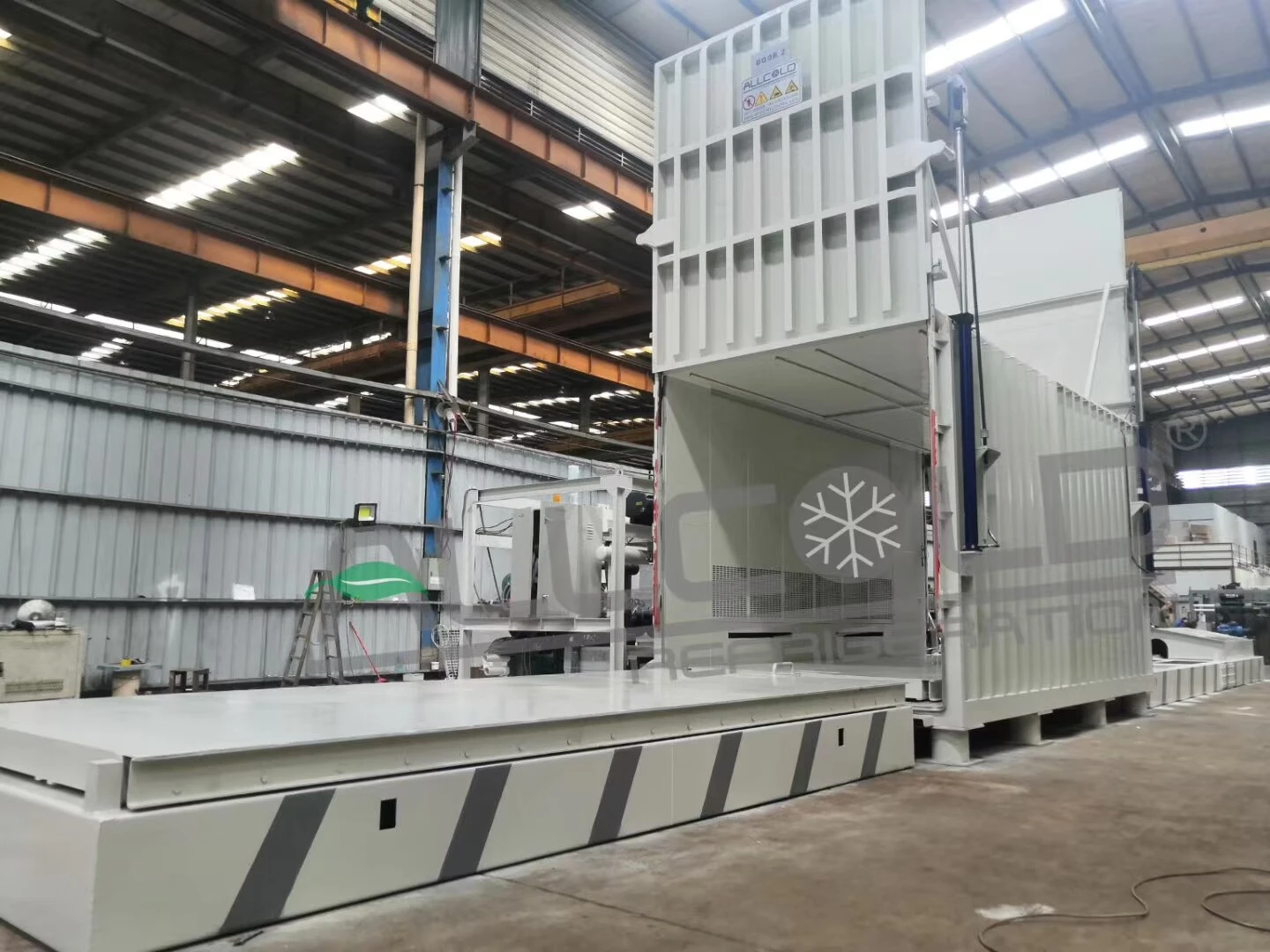
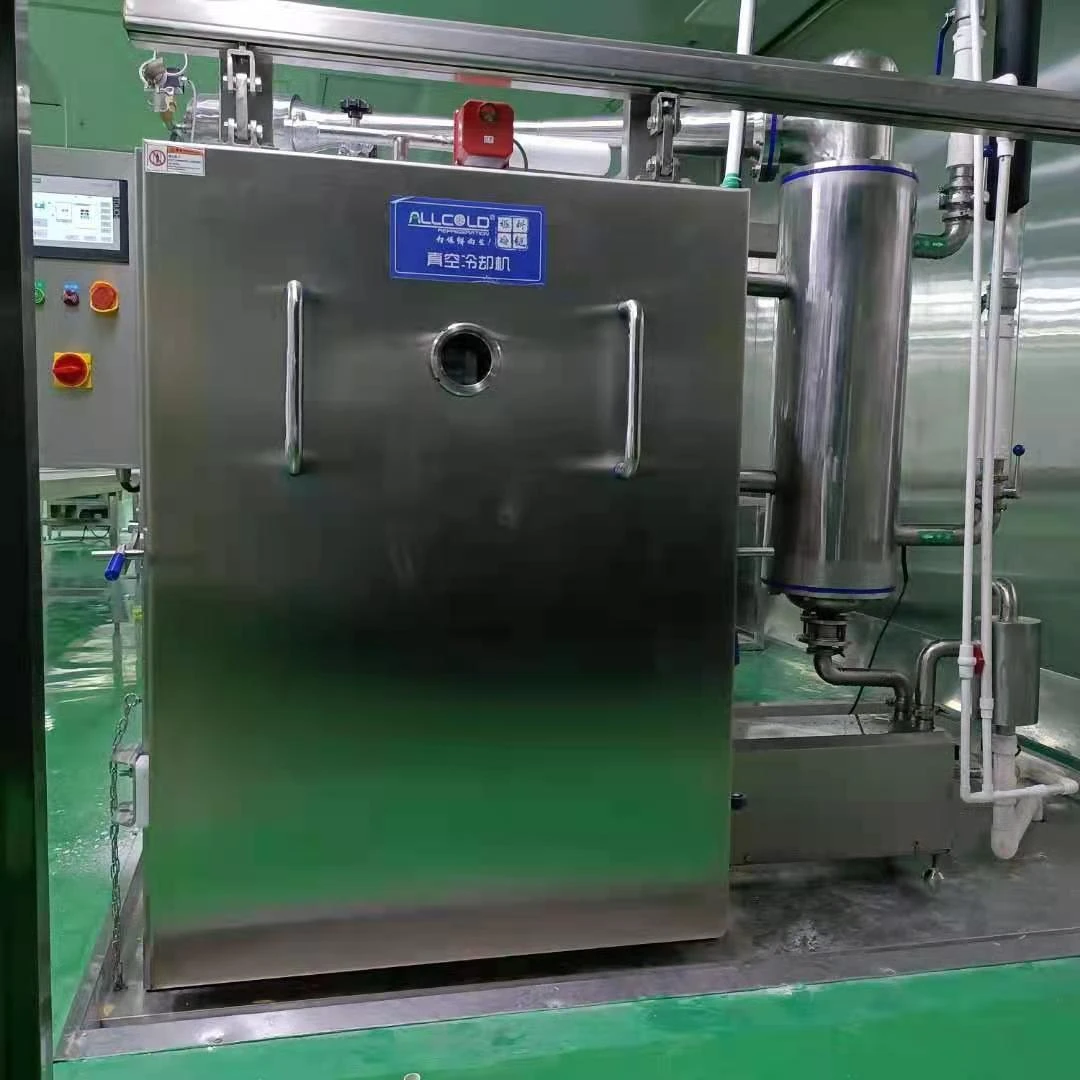
The electrical boundary may extend well beyond the vacuum cooler’s cabinet. Depending on the actual design, the process can rely on vacuum pumps, refrigeration equipment, condenser fans, circulating-water pumps, a cooling tower, compressed air and powered loading equipment. Some are supplied with the cooler; others belong to the building.
Use a component schedule that lets both suppliers identify the same equipment:
| Load group | Information to request | Easy omission |
|---|---|---|
| Vacuum and refrigeration equipment | Exact component references, electrical input, rated current and starting method | Using the main pump’s rating as the total system load |
| Heat rejection and water circulation | External pump/fan loads and their operating dependencies | Powering the cooler but not the utility needed to remove heat |
| Controls and actuators | Supply requirements, interruption response and any separate control-power provision | Assuming a powered display means the process is ready |
| Other packhouse equipment | Cold-store compressors, conveyors and other loads permitted on the generator | A separately controlled motor starting during a cooling cycle |
Mark each item as “included in machine input” or “additional site load” so it is neither omitted nor counted twice. Do not copy a produce-system load schedule into a cooked-food project: vacuum and heat-removal arrangements can differ substantially.
4. Give the Generator Supplier an Event Schedule
A component list is a snapshot. Generator selection also needs a sequence: what starts, what remains running and what can restart unexpectedly. Caterpillar’s sizing resources explicitly evaluate load steps and motor-starting demand rather than relying only on the connected-load total.3
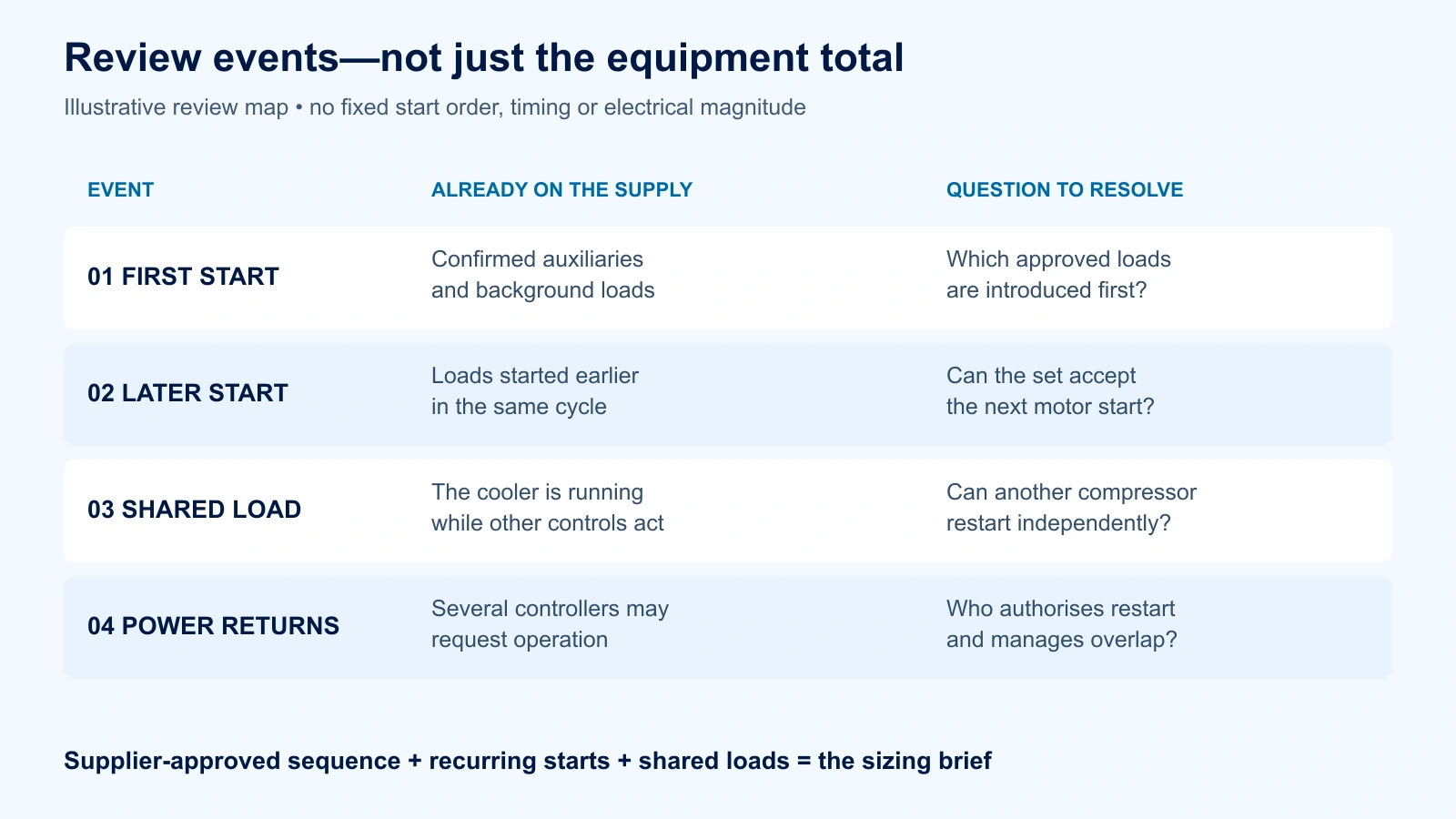
At minimum, put four situations into the brief:
- First start: which auxiliaries and main loads are introduced, and in what approved order?
- A later start: what is already running when the next motor is added?
- A shared-load restart: can cold storage, an air compressor or another cooler start independently?
- Return from an outage: will several controllers request operation when power becomes available again?
Staggering starts may improve the power profile, but it must respect process dependencies. A buyer should not insert arbitrary delays, disable protection or change refrigeration controls to make an undersized generator appear suitable. The cooler supplier defines permissible changes; the generator supplier evaluates their effect.
There is also a commercial trade-off. If a two-machine project can operate on the proposed generator only by preventing concurrent cycles, its outage throughput differs from normal production. Evaluate that limitation alongside the architecture discussion in one large vacuum cooler versus two smaller units. Two independent machines still share a power dependency if both rely on one generator.
5. A VFD Changes the Sizing Problem; It Does Not Remove It
Suitable starting equipment can reduce motor-starting current. However, a variable-frequency drive is not a universal add-on for an assembled vacuum cooler. Motor compatibility, the driven equipment’s permitted speed range, process control and the manufacturer’s requirements all need review.
It also matters how the drive draws power. ABB explains that variable-speed drives can introduce harmonic currents and that mitigation must suit the site; there is no single remedy for all installations.4 Consequently, “VFD included” is not sufficient information for a generator quotation.
Ask for the drive model and input data, any specified reactor or filter, and the approved operating arrangement. Have the generator supplier assess that package alongside the other loads. If bypass operation is offered, identify whether it changes the starting case. Do not assume that a reduced starting-current feature guarantees a fixed percentage reduction in generator size.
6. Match the Rating to the Site and the Working Day
Occasional outage backup and daily off-grid production are different duties. Caterpillar explains that choosing a generator rating depends on operating hours, average load, maximum demand and whether the set operates independently or alongside the utility. Its standby, prime and continuous categories have different conditions.5
For a seasonal packhouse, describe the harvest calendar rather than writing only “backup.” Include working hours per day, expected generator hours, gaps between batches and whether cold storage remains powered overnight. Ask the supplier to state the applicable rating and its limits for the offered model; do not transfer an overload allowance or hour limit from a different manufacturer’s brochure.
Provide maximum site temperature, elevation and installation conditions. Cummins identifies temperature and altitude as sizing inputs and warns about prolonged light-load operation.1 This is why adding a large, unexplained safety margin is not a complete solution. The supplier should evaluate both peak events and the expected low-load periods.
Also coordinate physical placement. The generator’s exhaust, cooling airflow, fuel arrangements and maintenance access need a professionally designed location. They must not compromise the vacuum cooler’s heat rejection or the building’s air intakes. The outdoor vacuum-cooler site-planning guide addresses the cooler side of that layout.
7. Send One Brief to Both Suppliers
The strongest enquiry gives the vacuum-cooler supplier, generator supplier and site electrical designer one shared design basis. A photograph of the chamber or a utility bill is not a substitute.
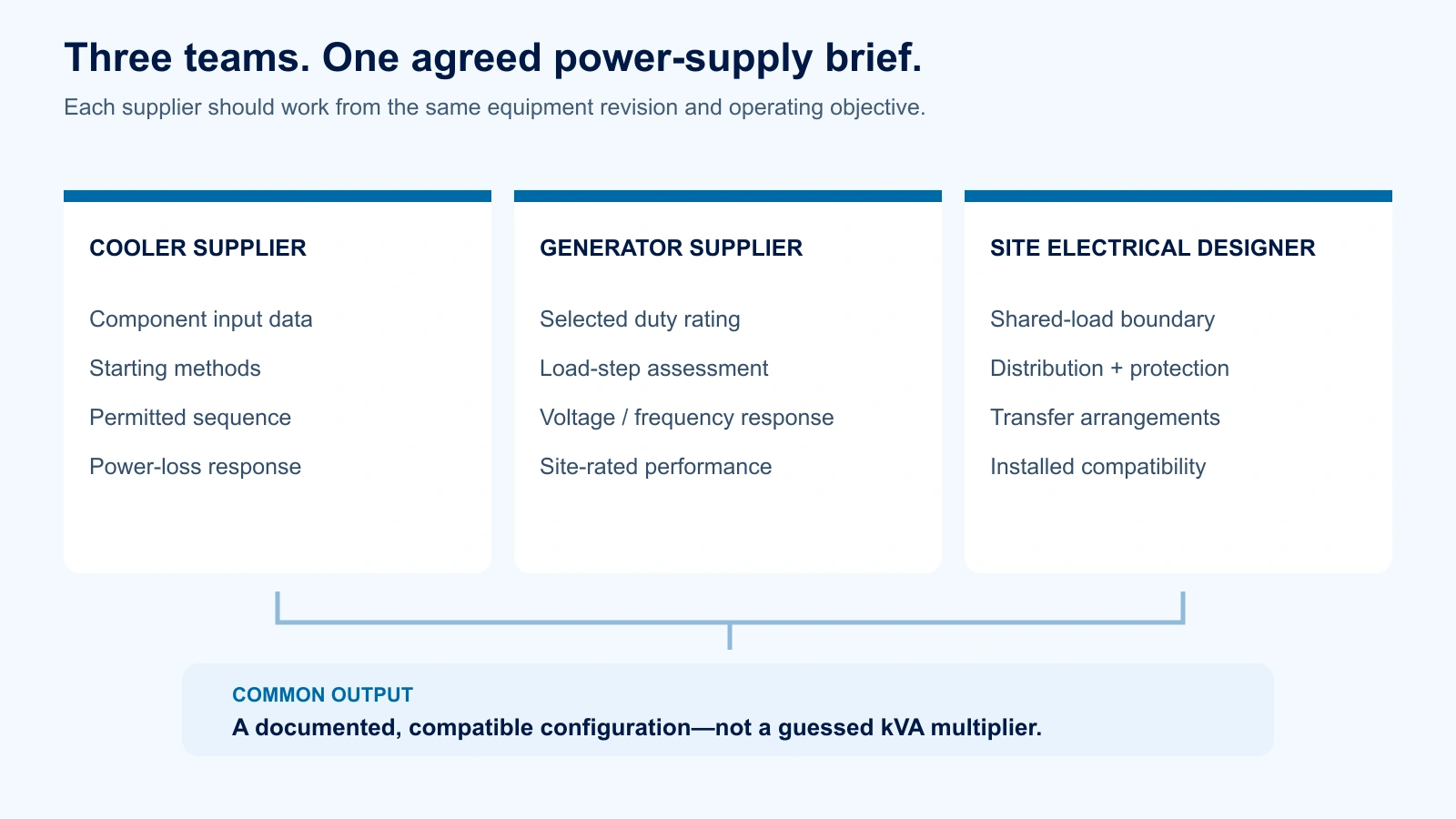
Include these items in the request for quotation:
- Production objective: controlled interruption, limited cooling or full scheduled production.
- Machine identity: offered configuration or existing serial number, supply voltage, phases and frequency.
- Component data: electrical input, running current, power factor where available, and starting data for each significant load.
- Control behaviour: starting method, permitted sequence, repeated starts, power-loss response and restart restrictions.
- Site-load boundary: every supporting utility and other load that will share the generating set.
- Operating profile: expected hours, batch schedule, simultaneous operation and anticipated expansion.
- Site conditions: temperature, elevation, placement constraints and proposed electrical distribution arrangements.
- Required supplier response: selected rating, evaluated load events, voltage/frequency performance and clearly stated exclusions.
Request a written compatibility review tied to the final machine and generator configurations. If the compressor, drive, external pump or generator model changes during procurement, revisit the affected assumptions. Our guide to detailed vacuum-cooler quotations explains why that configuration clarity matters.
For an existing installation, ask a qualified team to correlate supply disturbances with the equipment’s operating log before assigning a cause to a trip. A low-voltage alarm during a compressor start is useful evidence, but not proof by itself of an undersized generator. The vacuum-cooling cycle-data guide can help organise the machine-side records.
Frequently Asked Questions
Can I size the generator from pallets per cycle?
No. Pallet capacity describes the cooling load arrangement, not the electrical configuration. Pumps, compressors, external utilities and starting methods must be identified for the specific machine.
Does using fewer pallets reduce generator size proportionally?
Not necessarily. Loading less product may change the process demand or cycle duration, but it does not automatically change which motors start or their starting characteristics. Reduced-throughput operation needs its own defined operating mode.
Can a control UPS keep cooling during an outage?
A UPS selected for controls supports only its specified loads and duration. Keeping the display or controller alive does not power the main motors. If control-power backup is proposed, define exactly what it preserves and how the machine responds.
Can a rented generator be used for a temporary site?
Potentially, but the rental unit must meet the same project requirements. Give the rental supplier the load and event schedules, not just a target kVA. Confirm the actual delivered unit and have the site electrical designer approve the connection arrangements.
What is the most useful first question to ask?
“Can you provide the complete electrical load schedule and approved starting sequence for this exact configuration?” That moves the enquiry from a guessed generator size to information both suppliers can evaluate.
References and Further Reading
The following manufacturer publications support the general electrical principles. Their example limits and product-specific recommendations are not Allcold specifications. Sources checked on 31 August 2026.
- Cummins — How to Size a Genset, Power Topic #7007. Power factor, cyclic loads, site conditions and light-load considerations.
- Cummins — Specifying and Validating Motor Starting Capability. Initial voltage dip, recovery and assembled generating-set performance.
- Caterpillar — Commercial Generator Sizing Calculators. Running demand, starting demand and load-step inputs.
- ABB — Harmonics: The Unwanted Ingredient in Your Supply. Drive-related harmonics and application-specific mitigation.
- Caterpillar — Understanding Generator Set Ratings. Operating duty, hours and load-profile distinctions.
Planning a Vacuum Cooler for Generator Operation?
Send Allcold your product, required throughput, site supply details and intended generator duty. For an existing machine, include its serial number and documentation. Ask for the machine-side load information needed by your generator supplier before committing to either package.

Mila
You May Also Like
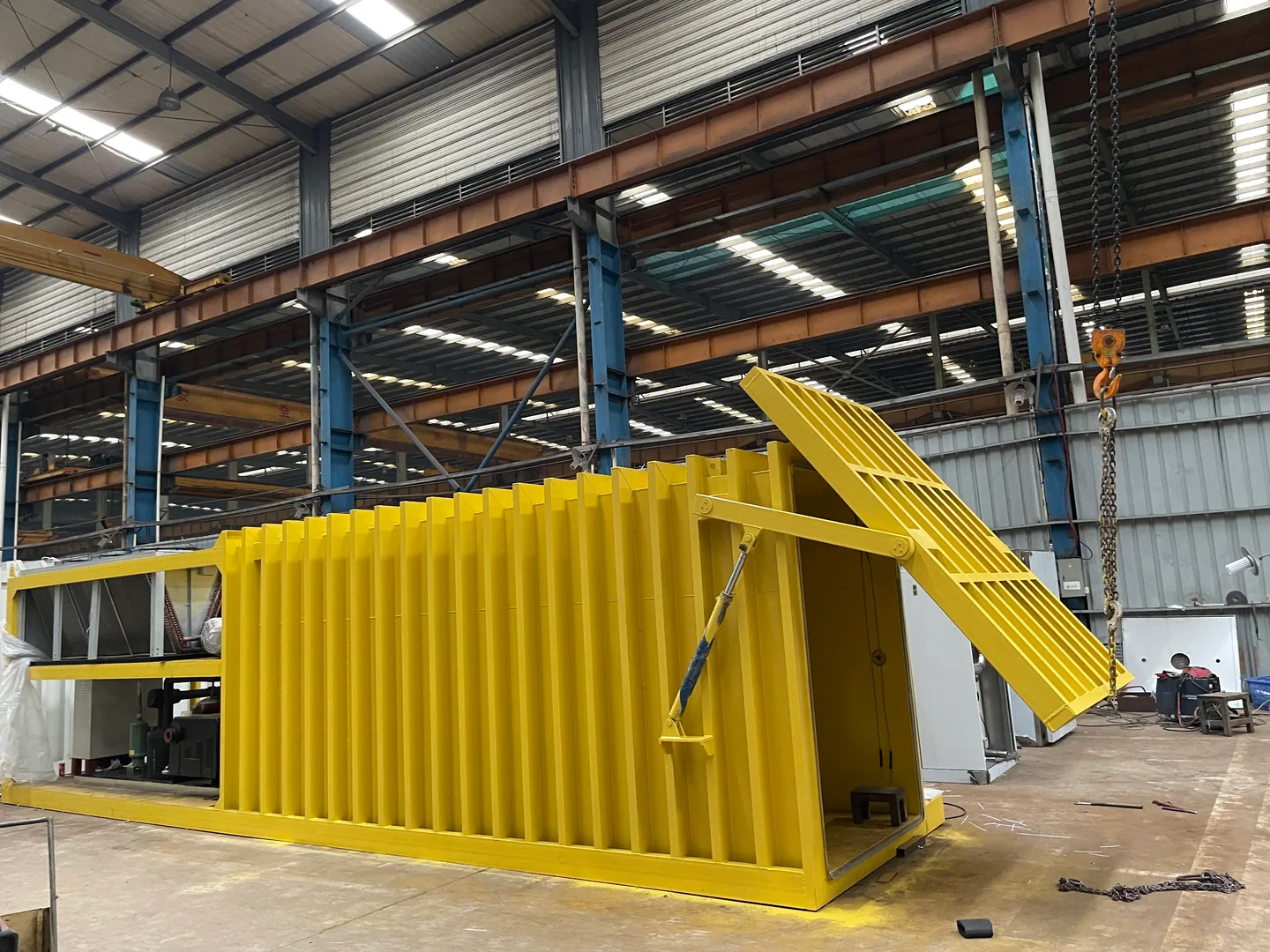
50 Hz or 60 Hz? How to Confirm a Vacuum Cooler Will Work at Your Site
Buying a vacuum cooler for 50 Hz or 60 Hz power? Check whole-machine compatibility, auxiliaries, conversion scope and quoted performance before ordering.
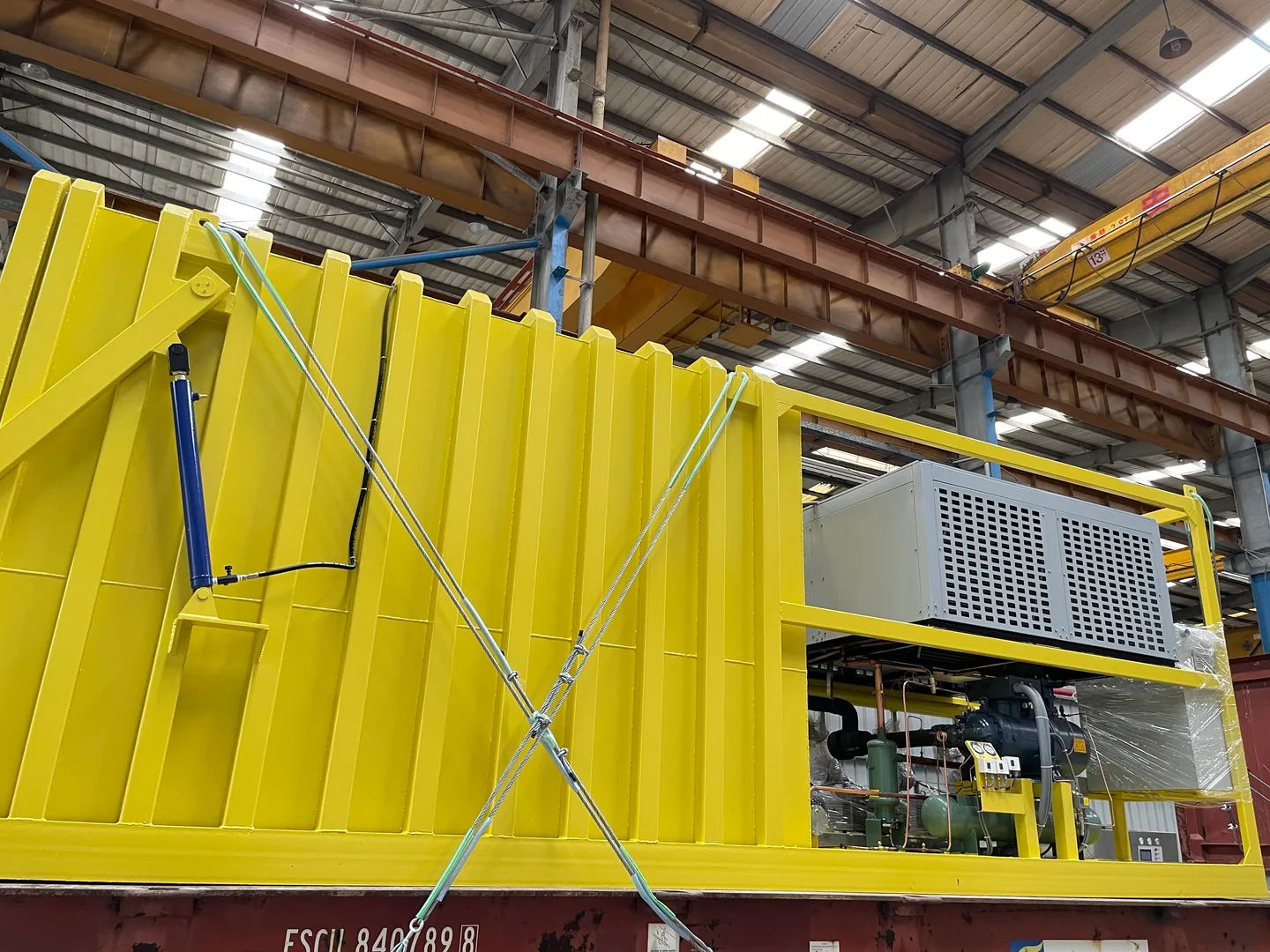
Can You Move a Vacuum Cooler Between Farms for Different Harvest Seasons?
ALLCOLD · MULTI-SITE COOLING & EQUIPMENT PLANNING Sharing one cooler across two growing regions can look efficient on an annual
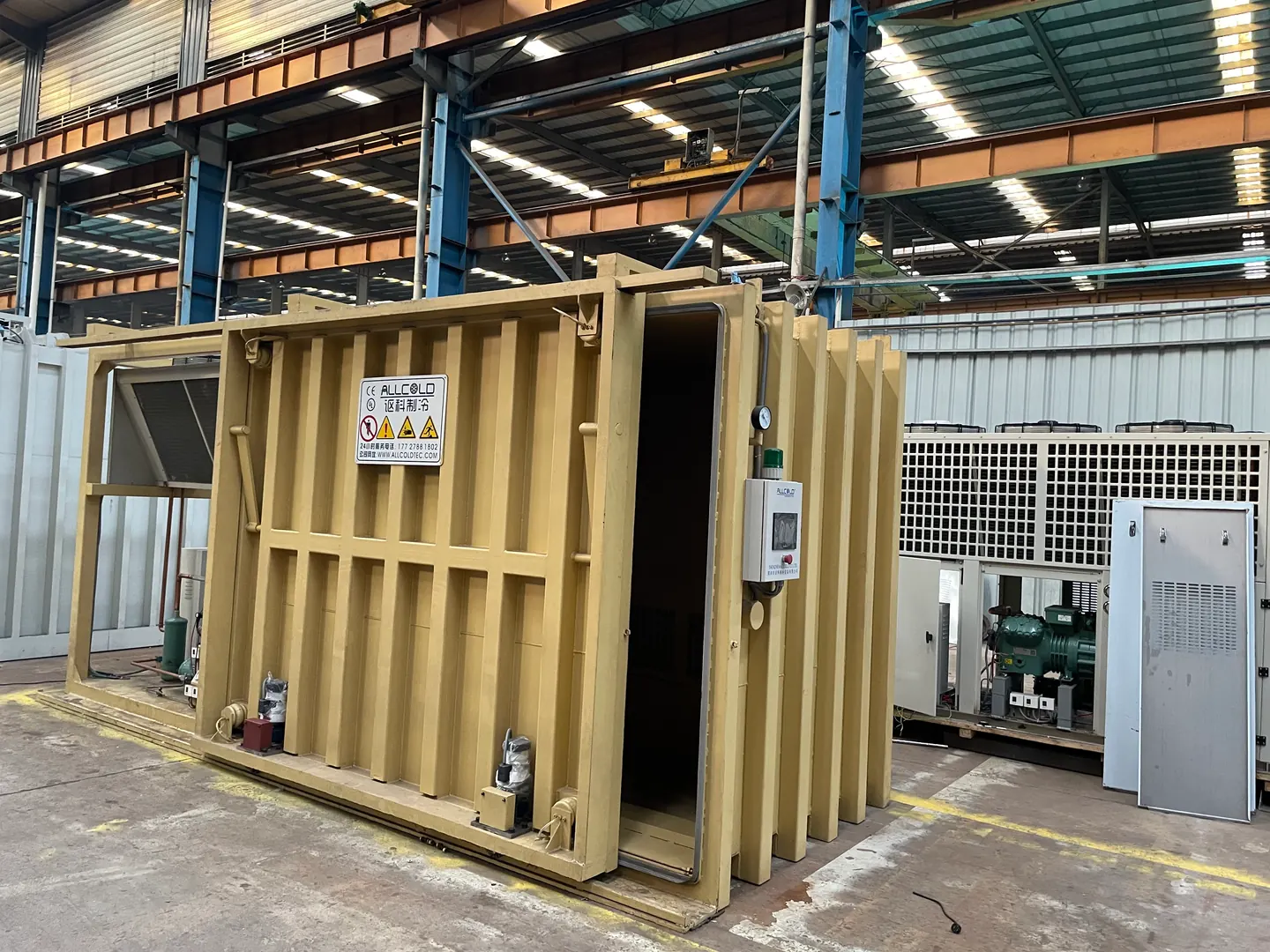
How Loud Is a Vacuum Cooler? Plan for Noise Before You Buy
ALLCOLD · EQUIPMENT SELECTION & SITE PLANNING A cooler can fit the available space and still be in the wrong
Air-Cooled, Water-Cooled or Evaporative: Which Vacuum Cooler Fits Your Site?
VACUUM COOLER BUYER’S GUIDE · SITE UTILITIES Three heat-rejection arrangements can mean very different utilities, maintenance and installed costs. Compare
Vacuum Cooling vs. Vacuum Packaging: Which Machine Do You Need?
ALLCOLD · EQUIPMENT SELECTION Two machines can both use a vacuum chamber and still solve completely different production problems. Before
Should You Buy a Vacuum Cooler or Use a Third-Party Cooling Service?
FARM INVESTMENT · OWNERSHIP VS. OUTSOURCING The cooling fee is easy to see. The cost of getting your harvest cooled
Can a Vacuum Cooler Work at High Altitude? A Buyer’s Guide for Farms
Buying a vacuum cooler for a high-altitude farm? Learn how altitude affects pressure readings, equipment selection and the site details your supplier needs.
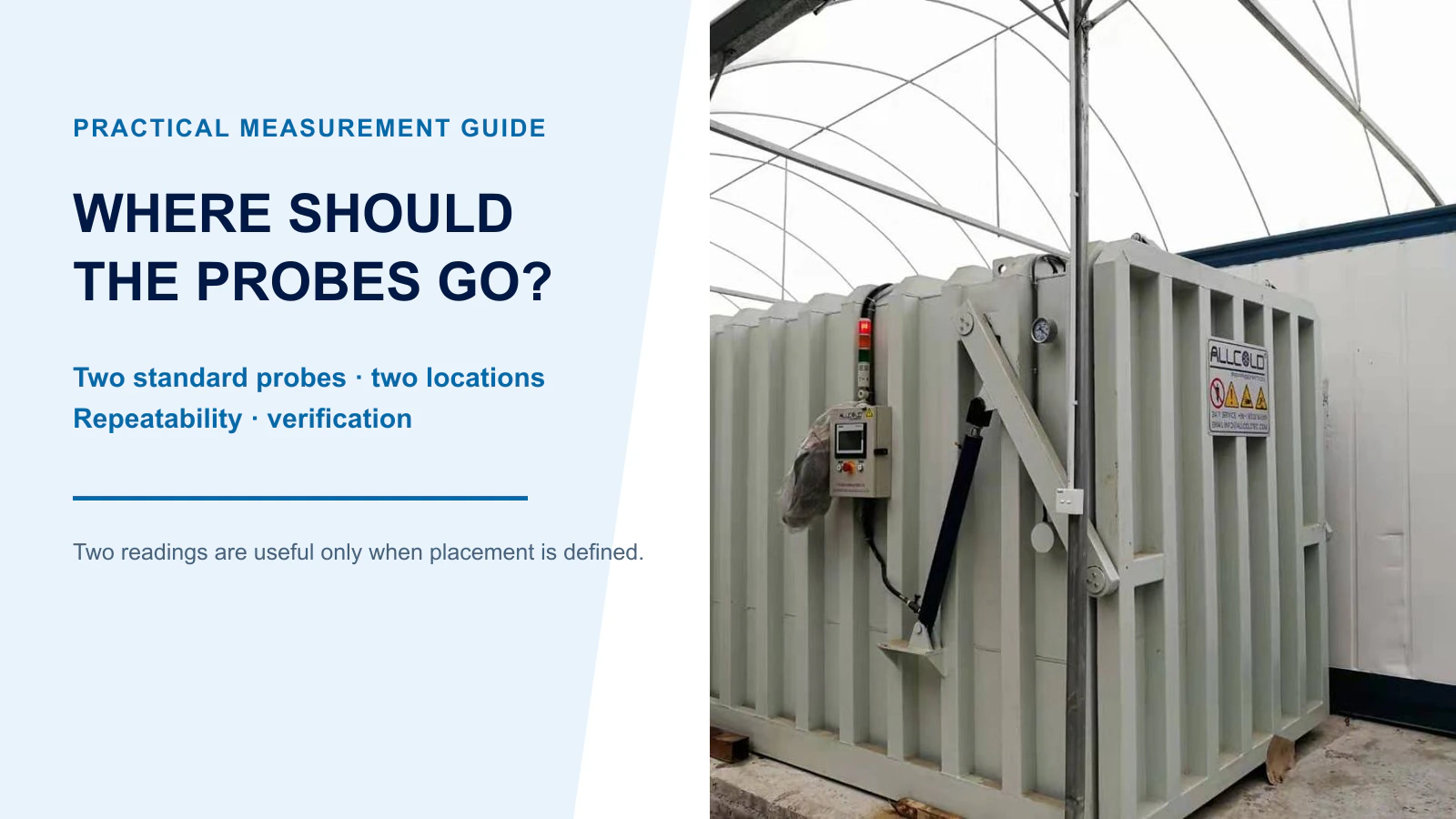
Where Should Two Product Temperature Probes Go in a Vacuum Cooler?
Learn how to place a vacuum cooler’s two standard product temperature probes, avoid false cold readings and define repeatable production locations.
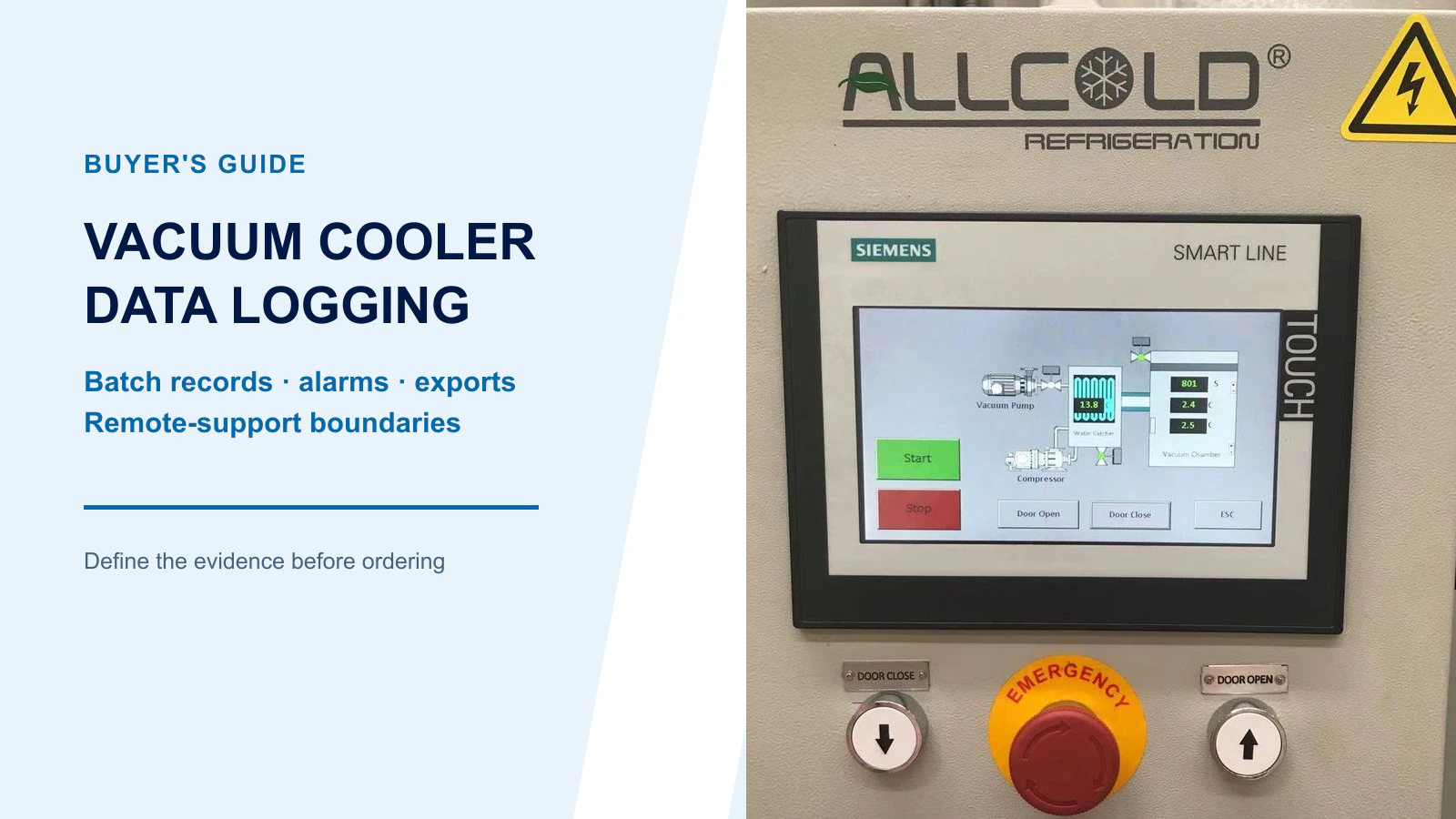
What Should a Vacuum Cooler Record? A Buyer’s Guide to Batch Data, Alarms, and Remote Support
A practical buyer’s guide to specifying vacuum cooler batch records, sensor data, alarm history, exports, backups and controlled remote support.
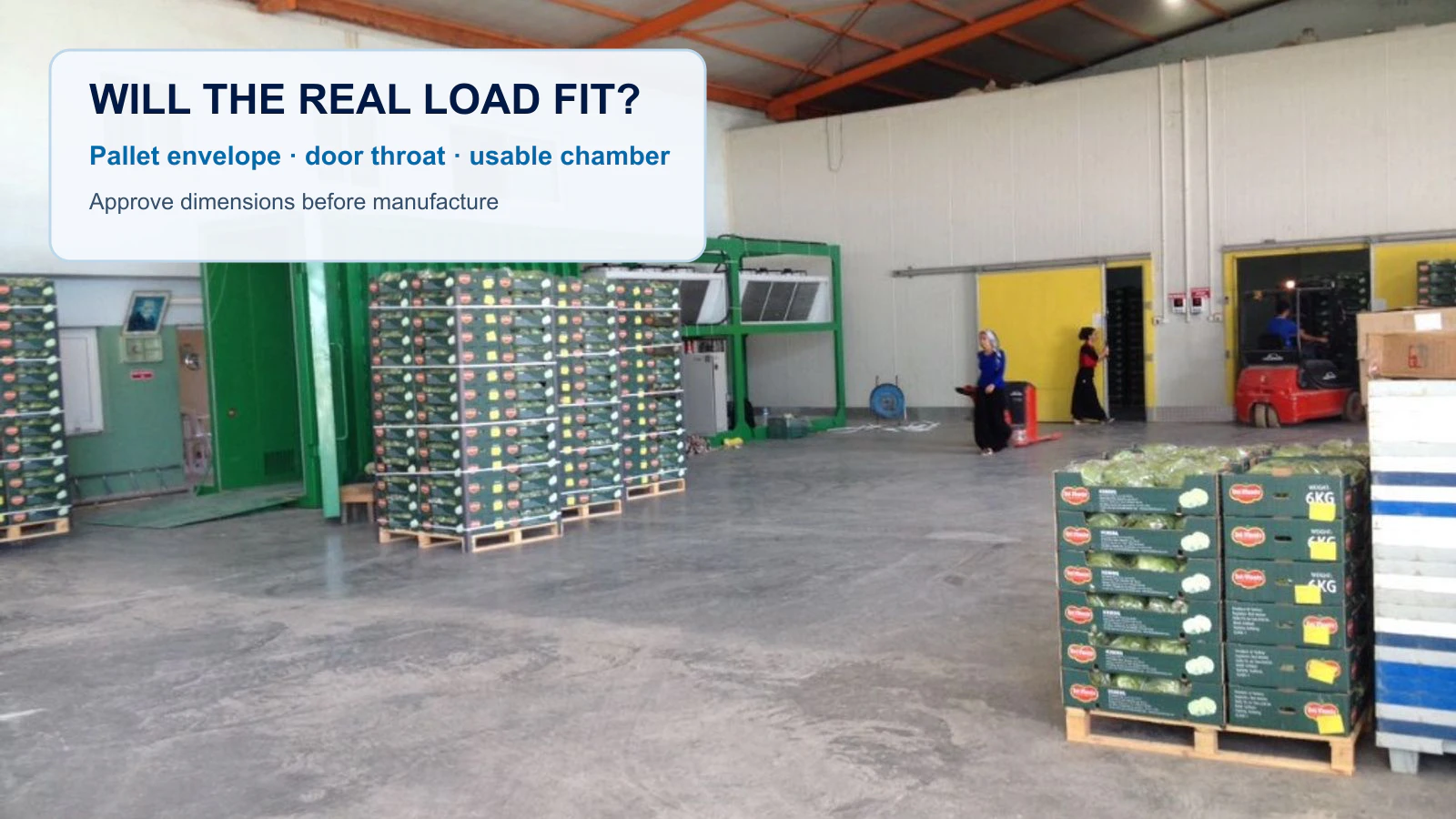
Will Your Pallets Actually Fit? How to Specify the Usable Chamber Size of a Vacuum Cooler
A pallet count does not prove the real production load will fit. Learn how to define the loaded-pallet envelope, door throat, usable chamber space, handling path and drawing-approval evidence before ordering a vacuum cooler.