ALLCOLD · EQUIPMENT SELECTION & SITE PLANNING
A cooler can fit the available space and still be in the wrong place for the people working beside it. Ask about noise before the loading route, condenser position and operator station are fixed.
When comparing vacuum coolers, buyers usually ask how many pallets fit and how quickly a batch will cool. A less obvious question deserves a place in the same quotation: what will the complete operating system sound like where people actually work?
A packing table beside the equipment, an office behind the plant-room wall or homes beyond the yard can each change the installation decision. Moving a workstation on a drawing is one thing; moving it after the electrical supply, pipework and product route are installed is another.
Short answer: there is no single noise level that describes every vacuum cooler. Ask for data for the proposed configuration, the operating condition and the measurement location—not an unexplained “dB” figure or the rating of one component. Then assess the complete installation at the locations that matter to your site.
Include the whole system, not just the vacuum pump
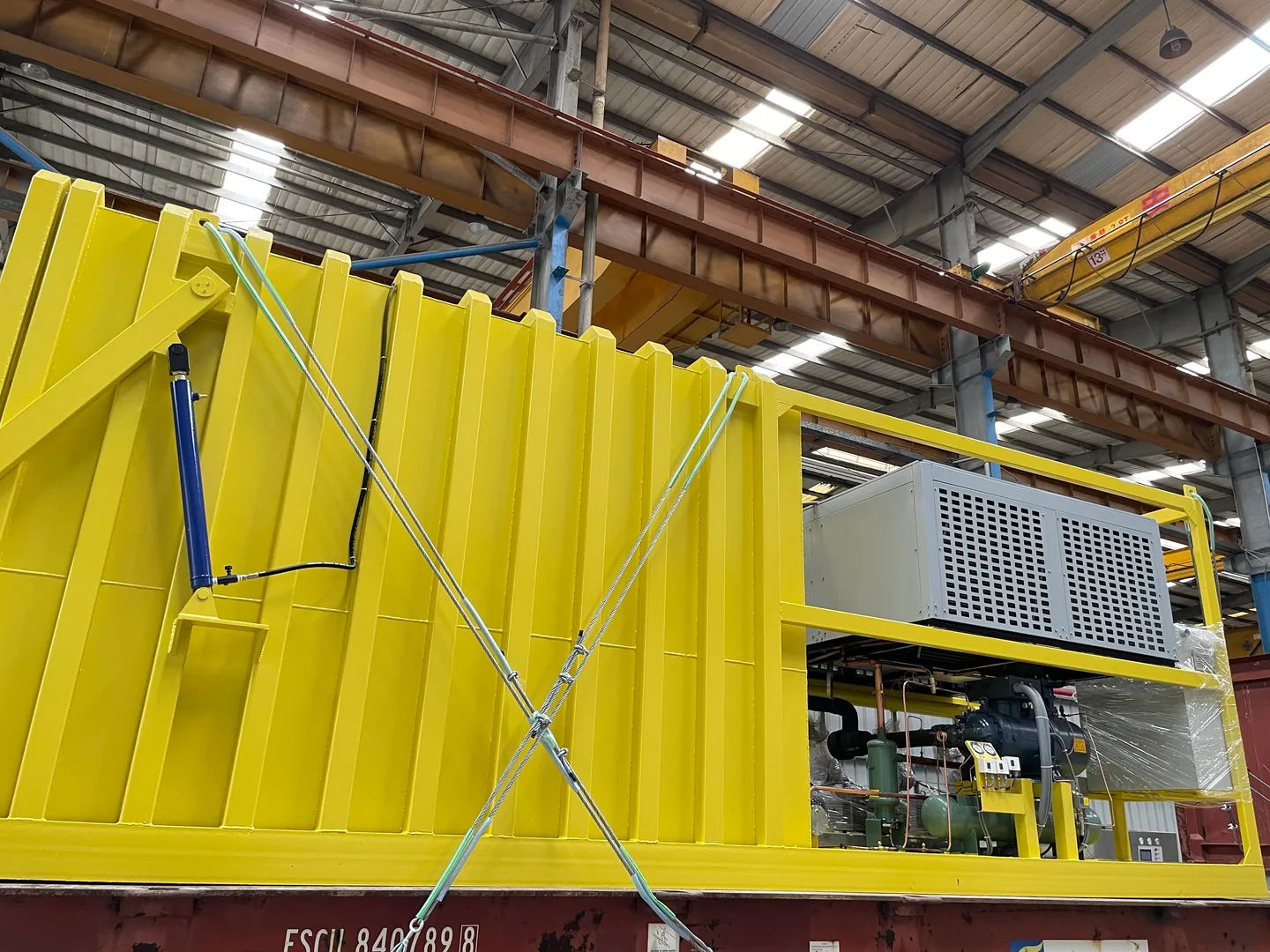
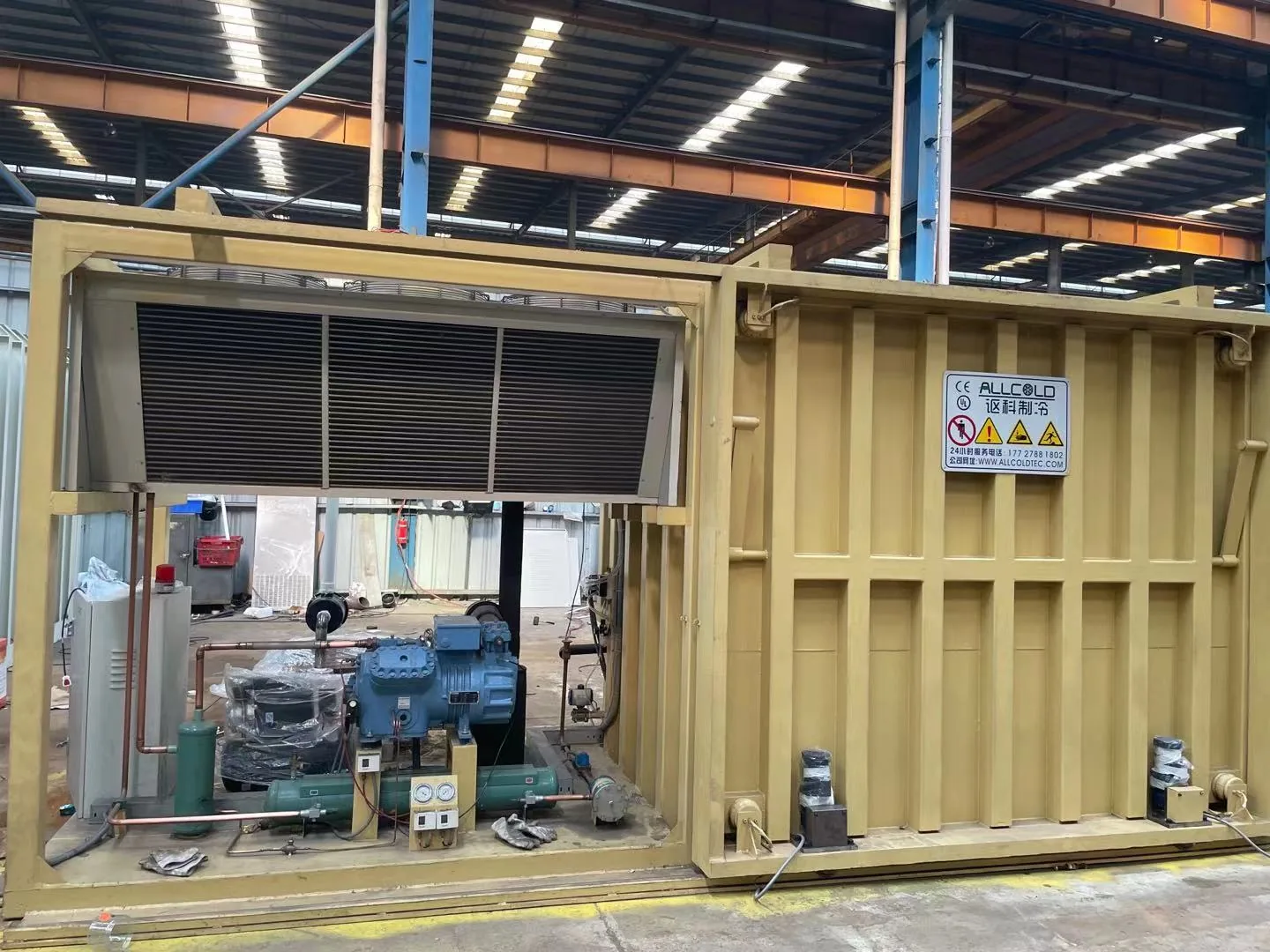
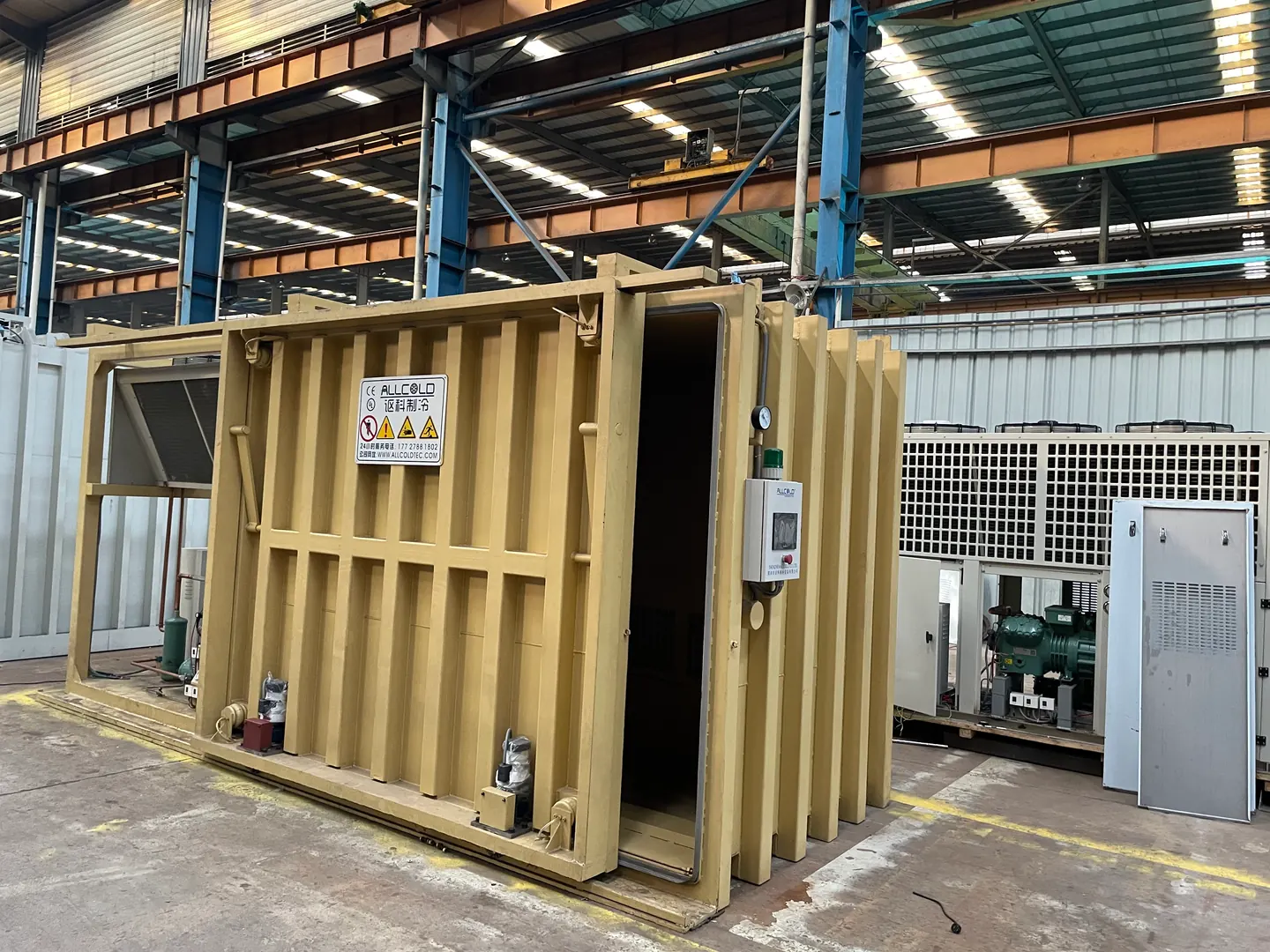
For a refrigeration-based vacuum cooler, start the equipment list with the vacuum pump, refrigeration compressor and heat-rejection equipment. Depending on the configuration, that last group can include condenser fans, water pumps, a cooling tower or an evaporative condenser. Confirm which components operate together during the actual cycle.
A pump datasheet is useful component information, but it does not describe the sound of that complete arrangement. Nor does a short recording from the front of the chamber establish what staff will hear on the machinery side.
The choice between air-cooled, water-cooled and evaporative heat rejection changes the equipment you need to include. Moving a cooling tower away from the chamber moves one potential noise source; it does not remove it from the project.
Include equipment supplied by other contractors as well. A generator, forklift route or adjacent packing line can contribute to the same workplace sound environment. HSE notes that employees’ exposure can include machinery elsewhere in the workshop, not just the machine beside them.[2]
Make noise figures comparable before ranking machines
Sound power level describes the acoustic output of a source under stated operating conditions. Sound pressure level describes sound at a particular location and depends on distance and surroundings. Both can be A-weighted and expressed in decibels, so the label “dB(A)” alone does not identify which quantity is being reported.[3]
For example, a quotation giving a sound power level of 88 dB(A) cannot be ranked directly against one giving a sound pressure level of 72 dB(A) at a stated distance. They are different quantities. These numbers are illustrative only, not Allcold specifications or a typical vacuum-cooler range.
| Ask for | What needs to be clear | What this prevents |
|---|---|---|
| The quantity | Sound power or sound pressure; weighting and applicable test method. | Comparing different acoustic quantities as if they were equivalent. |
| The equipment scope | Complete supplied package or an individual component; remote equipment included or excluded. | A pump-only figure being treated as a whole-system result. |
| The operating condition | Equipment running, cycle stage, load and relevant fan or motor settings. | Comparing a quiet operating state with a demanding one. |
| The measurement context | For sound pressure: location, distance, height, surroundings and background noise. | Assuming a distant outdoor reading applies beside an indoor workstation. |
| The status of the figure | Measured or calculated; uncertainty; whether it is informative or a contractual commitment. | Treating an estimate as an unconditional site guarantee. |
Do not reject a quotation simply because it needs clarification. Ask the supplier to identify missing information and explain the basis of the figure. An honest, clearly bounded estimate is more useful than a precise number with no test context.
Plan around people and the process—not an empty corner
Mark three things on the proposed layout: the equipment sources, the places where people spend time, and the paths between them. Include the operator station, packing benches, inspection desk and nearby occupied rooms. For outdoor equipment, add relevant neighboring properties and operating hours.
Hard walls and ceilings reflect sound, while vibration can travel through rigid connections into building surfaces. A position beside a corner or shared wall therefore deserves closer attention than its floor area alone suggests. NIOSH recommends addressing reflection and vibration transmission as part of noise control.[4]
A practical layout comparison
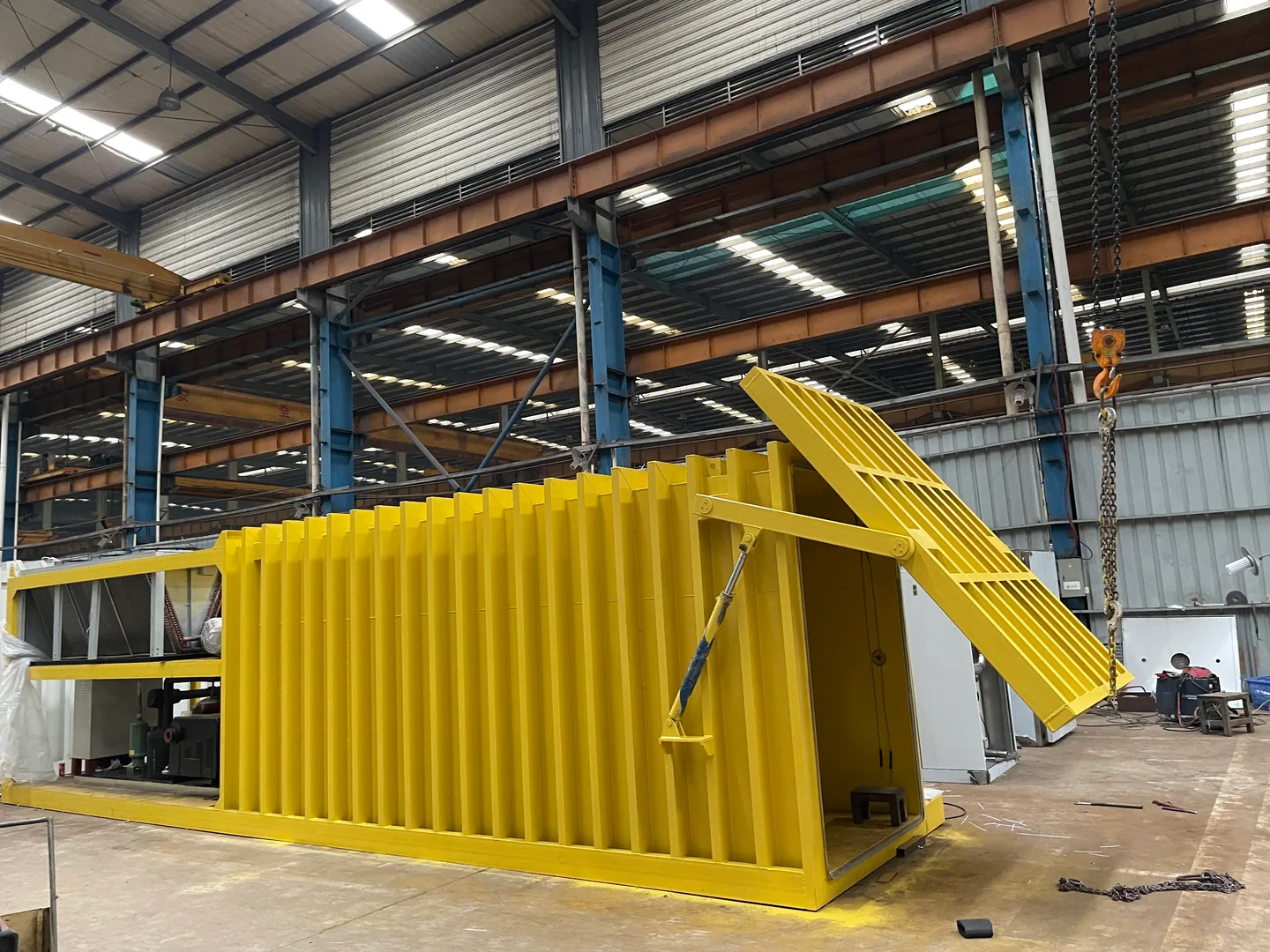
Imagine two possible positions for the same cooler. Position A keeps the chamber door close to the cold room but puts the machinery beside a permanent packing bench. Position B separates the machinery from the bench but creates a longer pallet route. Neither is automatically better.
Compare where staff spend the full shift, how pallets enter and leave, whether the machinery can be oriented differently, and what changes to services are feasible. Review the effect of layout on cooling throughput at the same time. The aim is to preserve a workable product route while reducing avoidable exposure—not to solve one problem by creating another.
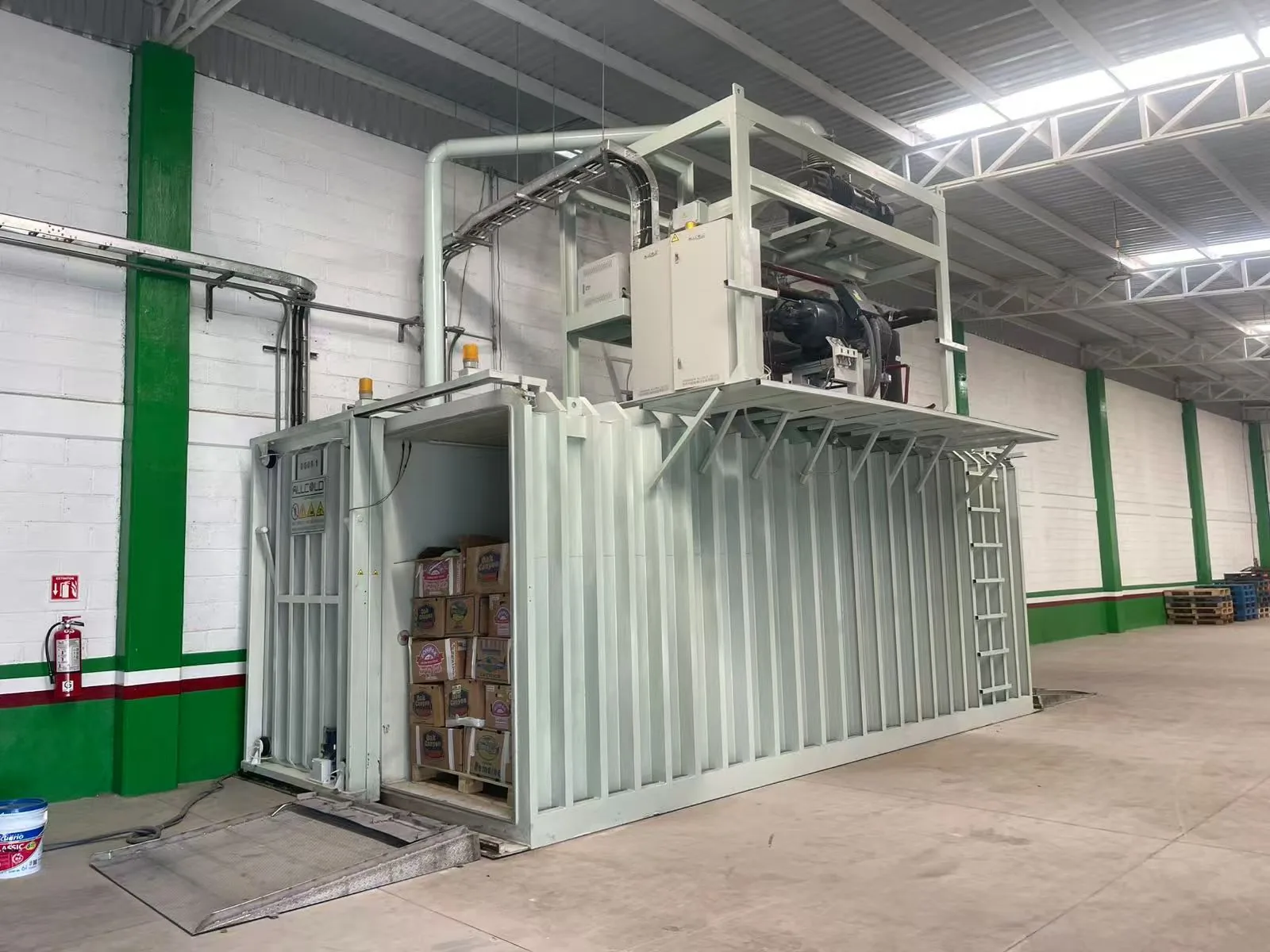
If the proposed answer is “put it outside,” review outdoor installation requirements too. Weather protection, drainage, access and the surroundings still need a coordinated design.
Reduce noise without restricting cooling or service access
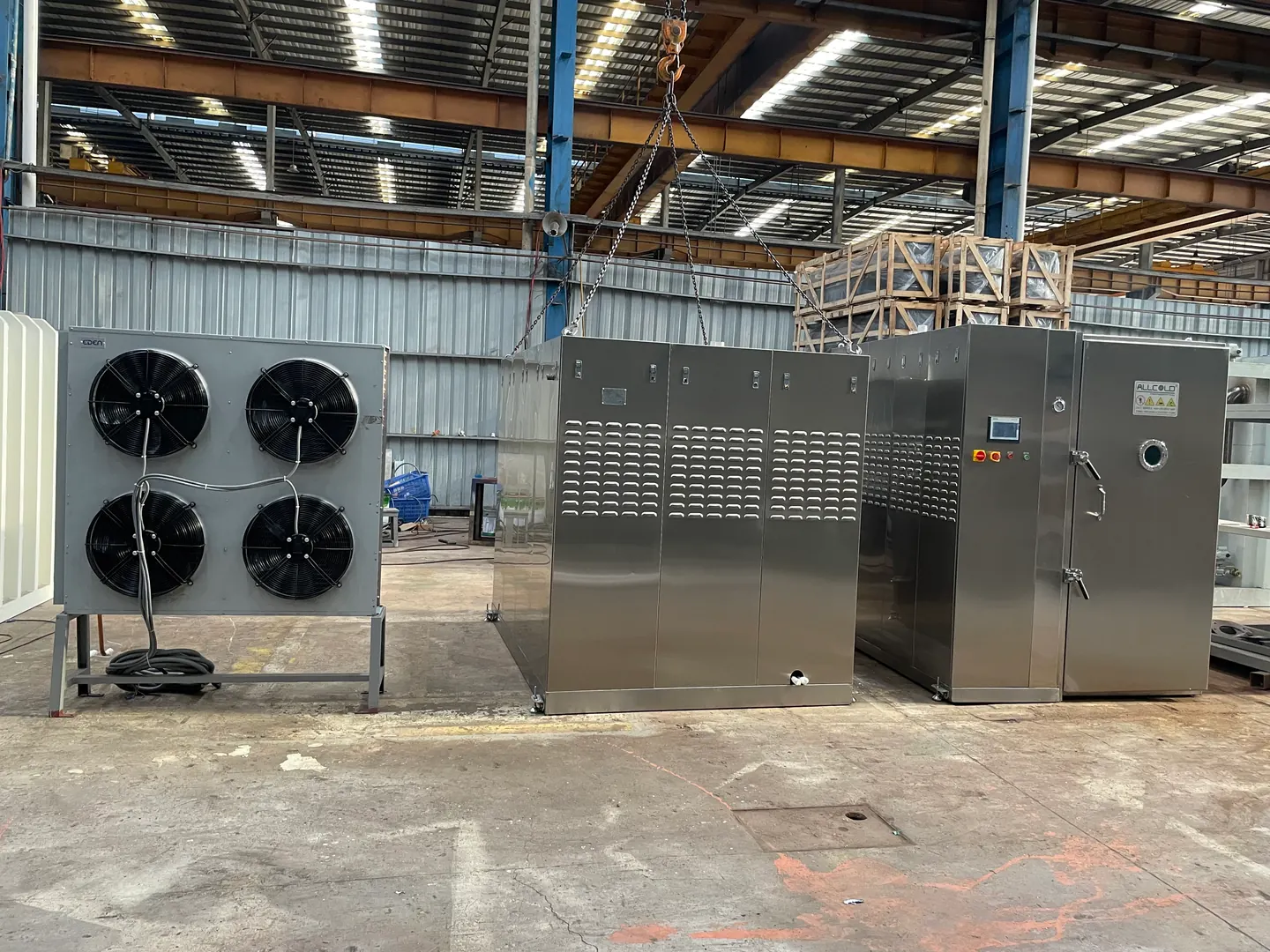
An acoustic enclosure is not simply a box placed over the machinery. Fans still need their design airflow, heat must escape, and service panels must remain accessible. AMCA’s engineering guidance stresses that noise treatment must be coordinated with ventilation, pressure loss, equipment performance and maintenance access.[5]
Ask the equipment supplier and acoustic designer to review any barrier, louver or enclosure together. In particular, do not add a close-fitting screen across a condenser inlet or discharge and assume cooling capacity will be unchanged.
- Start with the source and layout. Ask whether a quieter component selection or a different arrangement is feasible for the required cooling duty.
- Match treatment to the problem. Vibration isolation, absorption and barriers address different transmission paths. NIOSH cautions that incorrect isolator selection can increase vibration.[4]
- Keep the installation maintainable. Show the required service openings and removal routes on the same drawing as the noise treatment.
Do not reduce fan speed, alter pump operation or fit improvised mounts just to make the machine sound quieter. Any change needs the supplier’s review for the actual equipment. Request confirmation of the cooling duty and operating limitations with the proposed treatment in place.
For sensitive sites, involve an acoustic specialist before committing to the layout. This is especially useful where a prediction at a neighboring property or treatment of a persistent tonal noise is required. A photograph or equipment video cannot establish those results.
Send a brief that produces a useful answer
A request saying “we need a quiet vacuum cooler” leaves too much undefined. Use a site-specific brief instead:
Copy this into your equipment inquiry
We are planning a vacuum cooler for [product and required throughput], operating [hours and shifts]. Attached is a layout showing the proposed chamber, machinery, heat-rejection equipment, staff positions and nearby noise-sensitive locations.
Please identify the available noise data for your proposed configuration, including its equipment scope, operating conditions, acoustic quantity, test method and measurement locations where applicable. Please distinguish measured results from estimates and identify any further site assessment needed.
Our project noise requirements are [targets and assessment basis confirmed for this site]. Please identify any proposed noise-control measures, their effect on cooling performance and service access, and which items are included in your supply.
If no site target has been established, say so. Have the appropriate local specialist determine it rather than inserting an arbitrary number. Workplace exposure and environmental noise are separate assessment questions; a single machine reading does not resolve both.
Check the result under representative operation
After installation, evaluate the agreed positions while the relevant equipment is operating. Record the operating state and surrounding activity so that the result can be interpreted. NIOSH distinguishes area sound-level surveys from personal dosimetry, which follows an individual’s exposure over time.[6]
A brief reading beside the chamber is not a full-shift exposure assessment. Use suitable calibrated instrumentation and competent personnel for formal checks, with the applicable local assessment method. Resolve any mismatch against the agreed scope and conditions rather than arguing over two readings taken differently.
Frequently asked questions
Is a water-cooled vacuum cooler always quieter?
No configuration should be ranked by that label alone. Compare the complete proposal, including remote pumps and heat-rejection equipment, at the locations of interest. A different arrangement may change where sound is generated without eliminating it.
Can I choose the quieter machine from demonstration videos?
Not reliably. Microphones, recording distance, recording level and playback volume vary. A video can help you identify questions to ask, but request documented, comparable noise information before using it as a purchasing criterion.
What if the supplier has no whole-system noise test?
Ask what evidence is available and what additional evaluation would be needed for your site. Make the gap explicit before ordering. Do not turn component data into a whole-system claim or assume that missing data means either a quiet or a noisy machine.
Make noise part of the project brief
Send Allcold your product, throughput, operating hours and a marked site layout. Include any noise requirements already established for the site, so equipment selection and installation planning can be discussed together.
Sources and technical references
These sources explain general machinery acoustics and noise assessment. They do not certify the noise performance of an Allcold model. Local requirements and project-specific measurements take precedence over general guidance.
- HSE: How can I choose quieter equipment and machinery? Purchasing criteria and operating-condition information. ↩
- HSE: Noise in engineering. Contributions from different processes to workplace exposure. ↩
- AMCA International: Basics of Fan Noise (PDF). Sound power, sound pressure, weighting and the influence of surroundings. ↩
- NIOSH: Implement Engineering Controls. Reflection, vibration transmission and selection of controls. ↩ ↩ second mention
- AMCA International: Mitigating Environmental Noise from the Operation of Mechanical Equipment. Coordinating noise treatment with airflow and equipment access. ↩
- NIOSH: Understand Noise Exposure. Sound-level surveys, measurement conditions and personal dosimetry. ↩
Prepared September 15, 2026. Equipment photographs: Allcold image archive. No model-specific sound rating, noise-reduction guarantee or universal regulatory limit is claimed.