

How Do You Handle the Peak Season Vegetable Rush?
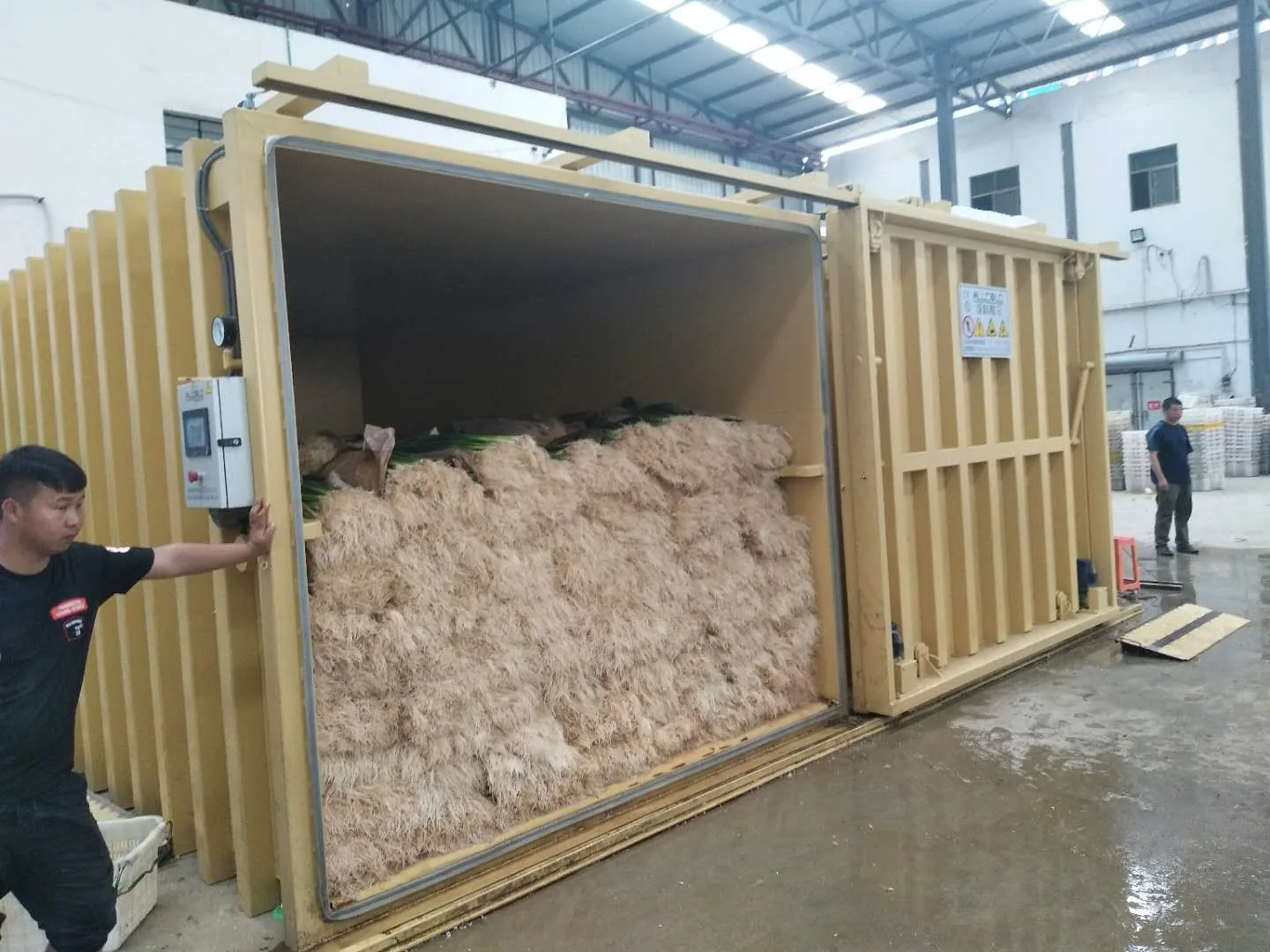
The harvest season is here. Your fields are full of beautiful produce, but now you face the biggest challenge: a massive volume of vegetables that all need to be harvested, cooled, and sold in a very short window of time.
Every hour you delay, this mountain of produce loses value. Your traditional cold rooms are too slow, creating a huge bottleneck. You watch as field heat causes your vegetables to wilt and decay, forcing you to accept lower prices just to move the product. This is a logistical nightmare that costs you money.
You handle the peak season rush by using vacuum cooling to remove field heat from huge volumes of produce in just 15-25 minutes per cycle. This speed breaks the bottleneck, halts spoilage, and extends your selling window, turning a potential loss into a profitable opportunity.
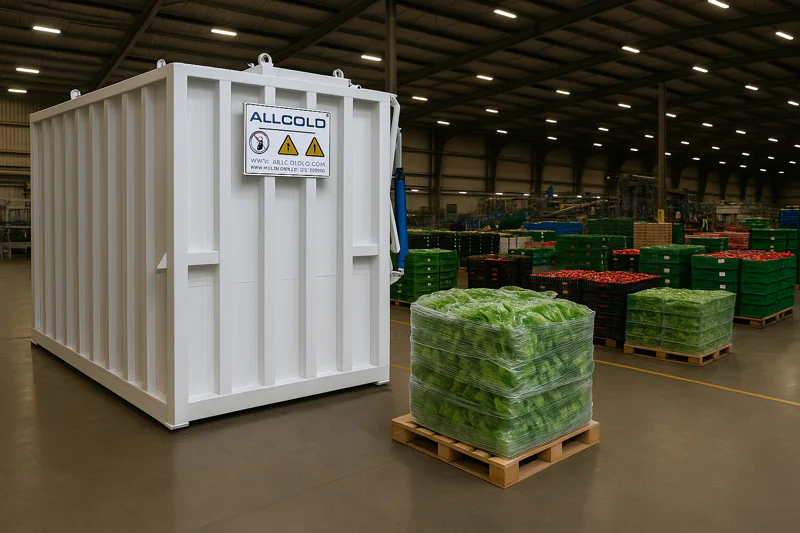
I have visited many farms and packing houses during their busiest season. The stress is high because they are in a race against time. The single biggest change I have seen in turning this stressful period into a smooth, controlled process is the installation of a vacuum cooler. It is the tool that finally allows their cooling capacity to match their harvesting capacity.
Why is Field Heat the Biggest Enemy of Seasonal Produce?
You have just harvested a pallet of fresh broccoli on a warm afternoon. It might look fine, but it is full of trapped heat from the sun. This "field heat" is the primary cause of post-harvest quality loss, and it starts a chain reaction of decay.
This trapped energy causes the vegetable to "breathe" heavily, burning its own sugars and generating more heat. It’s like leaving a runner to overheat after a race. The product cooks from the inside out, leading to wilting, weight loss, and rapid spoilage before it can ever reach the market.
Field heat is the trapped energy that drives rapid decay. Removing it within the first hour of harvest is the most critical step to stop the degradation process, preserve the vegetable’s weight and quality, and maximize its shelf life and value.
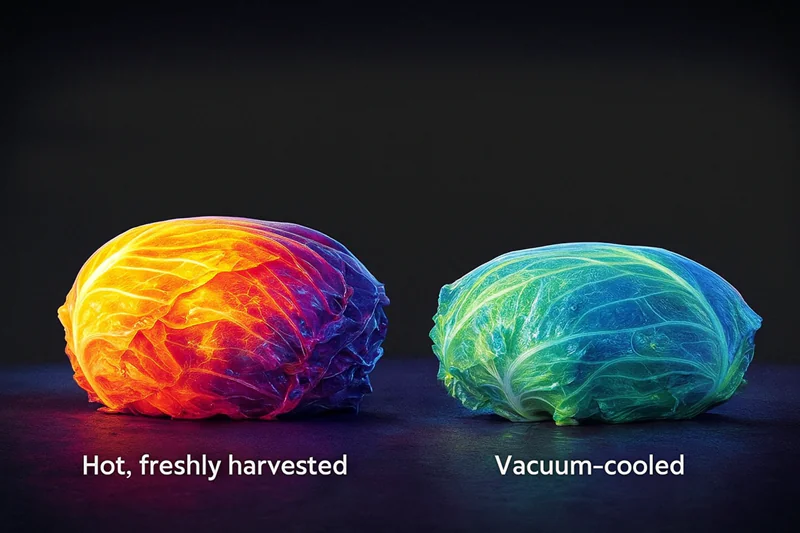
The Science of Spoilage
A farm owner like Carlos, who supplies large supermarket chains, knows that shelf life is not determined in the store; it’s determined in the first hour after harvest. Understanding what field heat does to your product is key to understanding the value of speed.
- Accelerated Respiration1: A harvested vegetable is still a living organism. It breathes by consuming its stored sugars and oxygen to produce energy. Field heat dramatically increases this respiration rate. This burns through the sugars that give produce its flavor and, more importantly, burns off saleable weight. A pallet of warm vegetables can lose a significant amount of weight to respiration alone.
- Rapid Water Loss2: Heat increases the rate of transpiration, which is water loss through the vegetable’s skin. This leads directly to wilting, loss of crispness, and a tired, old appearance. Since produce is sold by weight, this water loss is a direct loss of revenue.
- Microbial Growth3: The warm, moist surface of a freshly harvested vegetable is a perfect breeding ground for bacteria and mold. The longer a product stays warm, the more time these microbes have to multiply, leading to rot and spoilage.
Vacuum cooling4 attacks all three of these issues by instantly removing the energy that drives them. The speed of the process—cooling entire pallets from 30°C to 3°C in under 25 minutes—is something no other technology can match at scale.
| Factor | On a Warm Vegetable (No Cooling) | On a Vacuum-Cooled Vegetable | Impact on Profitability |
|---|---|---|---|
| Respiration Rate | Very High | Extremely Low (product is dormant) | Preserves weight and quality, increasing saleable product. |
| Water Loss | High (product wilts quickly) | Minimal (a small, controlled amount is lost) | Maintains crispness and saleable weight. |
| Microbial Growth | Fast | Halted (product is moved out of the danger zone) | Extends shelf life and reduces rejected shipments. |
What is the Best Cooling Method for Sweet Corn?
There is almost no crop where speed is more important than sweet corn. The moment you pick an ear of corn, its sugars begin the rapid process of converting into starch. This is why corn picked fresh from the garden tastes so sweet, and why corn that has sat for a day tastes bland.
For a large-scale grower, this sugar conversion is a direct threat to the premium price their product commands. A slow cooling method like a traditional cold room is simply too slow. By the time the cobs in the center of the pallet are cool, they have already lost a significant amount of their sweetness.
Vacuum cooling is the superior method for sweet corn. It pulls heat from the core of the cob and kernels in minutes, instantly stopping the sugar-to-starch conversion process and preserving the corn’s peak flavor and value.

Preserving the Sugar
A professional buyer like Norman, sourcing for supermarket chains, knows that customers buy sweet corn for one reason: its sweetness. Preserving that attribute is the key to a successful program.
The challenge with corn is that it’s dense. Hydro-cooling (running cold water over it) can cool the surface, but it takes a long time for the cold to penetrate to the core of the cob. Forced-air cooling in a cold room is even slower. Vacuum cooling is different because it cools the product from the inside out.
The process is often enhanced by "hydro-vacuum cooling5." The pallet of crated corn is first quickly drenched with clean water and then loaded into the vacuum cooler. The machine’s powerful vacuum pumps reduce the pressure, causing this surface water to evaporate at a very low temperature. This process is incredibly efficient and pulls the heat out of the dense cobs with amazing speed, typically in a 15-25 minute cycle.
Our allcold machines, with their reliable Siemens PLC touch screens6, allow you to create a specific pre-set recipe for "Sweet Corn." The operator just loads the pallet, selects the program, and presses start.
| Cooling Method7 | Cooling Speed | Effectiveness on Sugar Conversion | Throughput during Peak Season |
|---|---|---|---|
| Forced-Air Cooling | Very Slow (8-12 hours) | Poor. Significant sugar loss occurs. | Very Low. Creates a huge bottleneck. |
| Hydro-Cooling | Moderate (30-60 mins) | Fair. Cools surface faster than core. | Moderate, but water-intensive. |
| Vacuum Cooling8 | Extremely Fast (15-25 mins) | Excellent. Instantly stops conversion. | Very High. Can process 2-3 pallets per hour, per machine. |
By investing in vacuum cooling for your corn, you are investing in a consistently sweet, high-quality product that earns customer loyalty and justifies a better price.
Which Other Seasonal Vegetables Require Rapid Cooling?
While sweet corn is a classic example, many other high-value seasonal crops face the same race against time. You might have a field of broccoli ready to be cut, or a greenhouse full of leafy greens. You worry if the investment will work for these other products.
You might be concerned that the powerful vacuum will damage delicate products like spinach or lettuce. This is a common question, but it’s one that modern technology has solved. The key is having precise control over the cooling cycle.
Vacuum cooling is ideal for any high-respiration vegetable, especially leafy greens, broccoli, cauliflower, and mushrooms. For delicate items, our machines use a "soft cool" cycle to protect the product while still ensuring rapid heat removal.
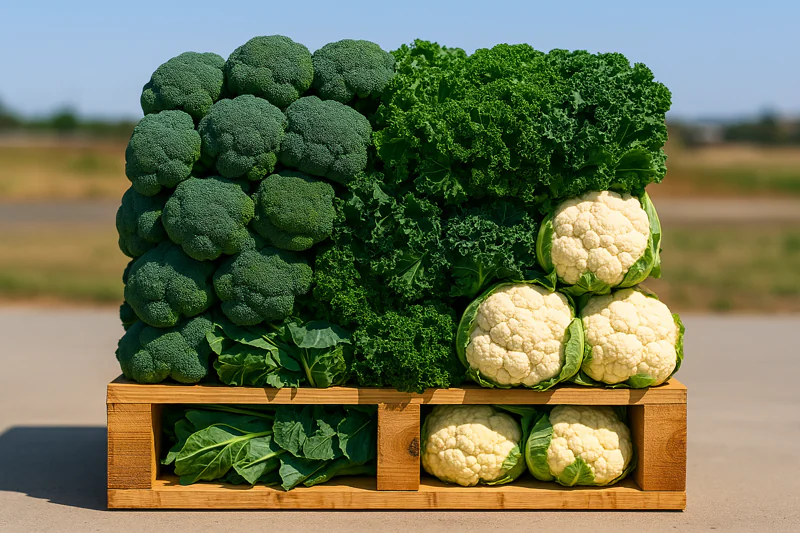
Versatility for Your Whole Harvest
A single vacuum cooler can become the heart of your entire post-harvest operation for a wide range of crops. The key is the advanced control system. Our machines feature a vacuum delay facility that allows us to program a two-stage cooling cycle.
Instead of applying full vacuum pressure at the start, we can program a gentler initial phase. This "soft cool" allows water vapor to escape from delicate leaves without causing cellular damage, before the main phase kicks in to finish the cooling. This means you can cool a robust product like broccoli, and then, by simply selecting a different recipe on the touch screen, you can safely cool a pallet of delicate baby spinach. This versatility is crucial for a diversified farm.
Here is a guide to some common seasonal vegetables and how vacuum cooling helps them:
| Seasonal Vegetable | Primary Challenge | How Vacuum Cooling Solves It |
|---|---|---|
| Broccoli/Cauliflower | Florets turn yellow and open. | Rapid cooling halts the maturation process, keeping florets tight and green. |
| Leafy Greens (Lettuce, Spinach) | Wilting and bacterial growth. | Instantly removes heat and surface moisture, keeping leaves crisp and safe. |
| Asparagus | Spears become tough and woody. | Immediately slows respiration, preserving the tender texture. |
| Mushrooms | Browning and spotting. | Removes heat and moisture, preventing oxidation and bacterial spots. |
| Leeks/Green Onions | Wilting and loss of color. | Maintains turgidity and vibrant green color by stopping water loss. |
The reliability of the equipment is also critical during the intense peak season. You cannot afford downtime. That is why we build our machines with high-quality, durable components from world-class brands like Bitzer and Schneider. This ensures your machine is ready to work 24/7, right when you need it most.
Conclusion
The seasonal rush presents a huge challenge, but also a huge opportunity. By using vacuum cooling technology, you can gain control over your harvest, maintain premium quality, and turn the busiest time of year into the most profitable time of year.
Understanding accelerated respiration helps in managing produce quality and maximizing profits. ↩
Learn about rapid water loss to improve handling and maintain the freshness of your produce. ↩
Explore the causes of microbial growth to implement better storage practices and reduce spoilage. ↩
Discover vacuum cooling technology to enhance your produce’s shelf life and profitability. ↩
Learn about the innovative hydro-vacuum cooling process that maximizes sweetness retention in corn. ↩
Find out how Siemens PLC technology improves the efficiency and reliability of vacuum cooling processes. ↩
Discover various cooling methods and their effectiveness in maintaining the sweetness of corn. ↩
Explore how Vacuum Cooling can enhance the sweetness and quality of corn, ensuring customer satisfaction and loyalty. ↩
Looking for the right vacuum cooler for your operation?
Allcold engineers work with packhouses and exporters to spec the right system for your product, volume, and site conditions.

Mila
You May Also Like
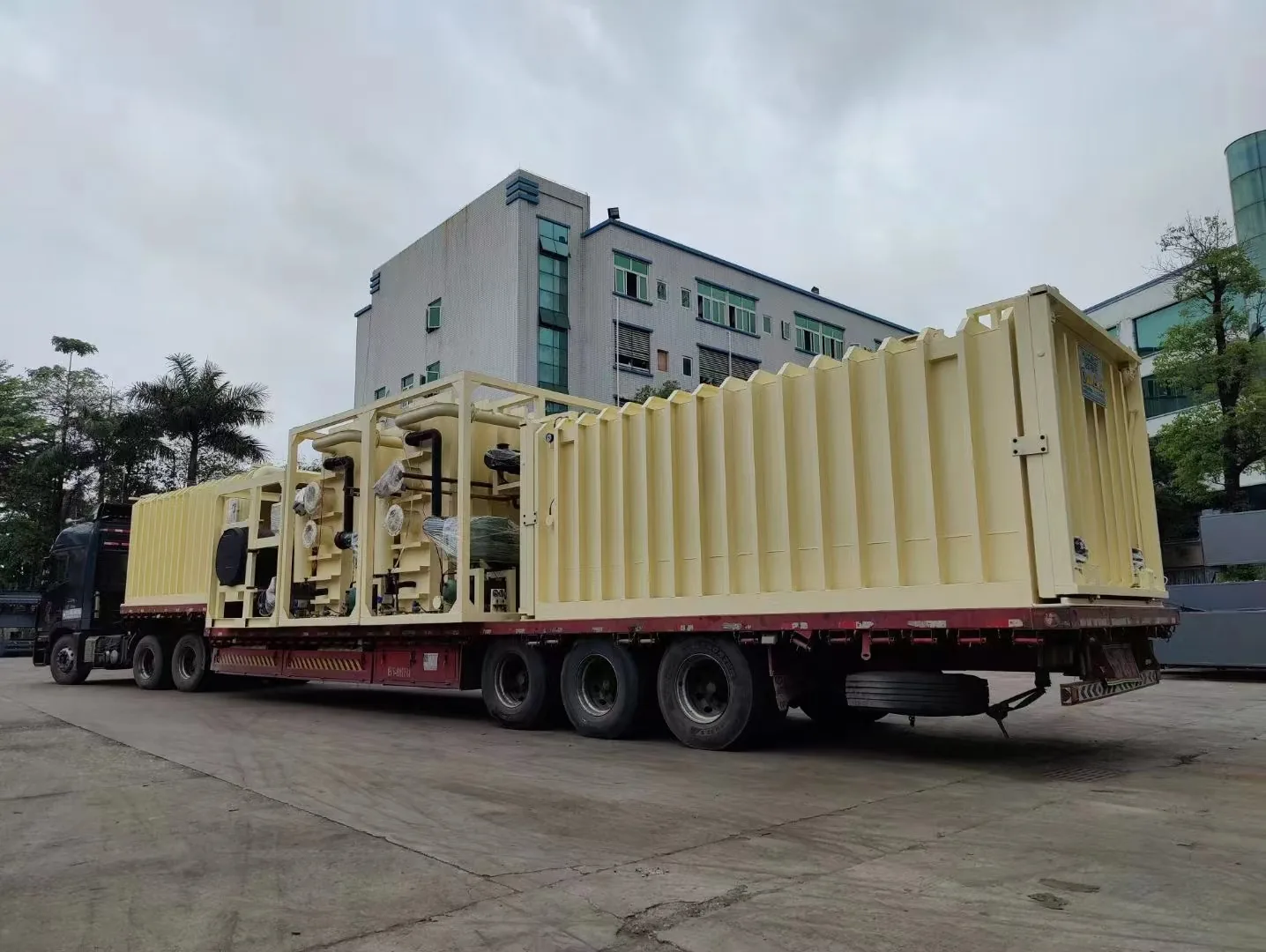
Used vs. New Vacuum Coolers: Is the Lower Price Worth It?
Buying a used vacuum cooler? Compare load fit, condition, relocation, installed cost and support with a new system before deciding if the saving is real.
Why Does Produce Sweat After Vacuum Cooling?
FRESH PRODUCE · POST-COOLING HANDLING The cooling cycle can finish correctly—and the load can still become wet on its way
Vacuum Cooler Not Performing? Check Your Pallet Loading First
When a vacuum cooler produces inconsistent results—warm spots, longer cycle times, variable exit temperatures across the load—the machine is usually
Why One Successful Cooked Rice Cooling Test Is Not Enough to Standardize a Central Kitchen Process
A cooked rice batch can pass a vacuum cooling test and still fail as a production process. That is the
Why a Vacuum Cooler Utility Failure Becomes an Export Quality Problem Before It Becomes a Repair Problem
A vacuum cooler stoppage does not start as a maintenance problem. In a produce export operation, it becomes a quality
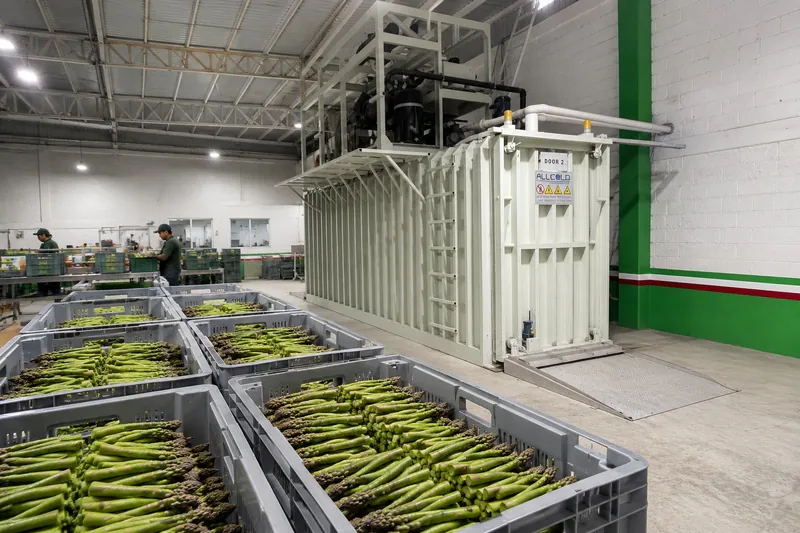
Why Asparagus Loses More Export Value in the First Two Hours After Cutting Than in the Entire Cold Chain That Follows
For fresh asparagus exporters, the most expensive quality loss often happens before the product even reaches the main cold chain.
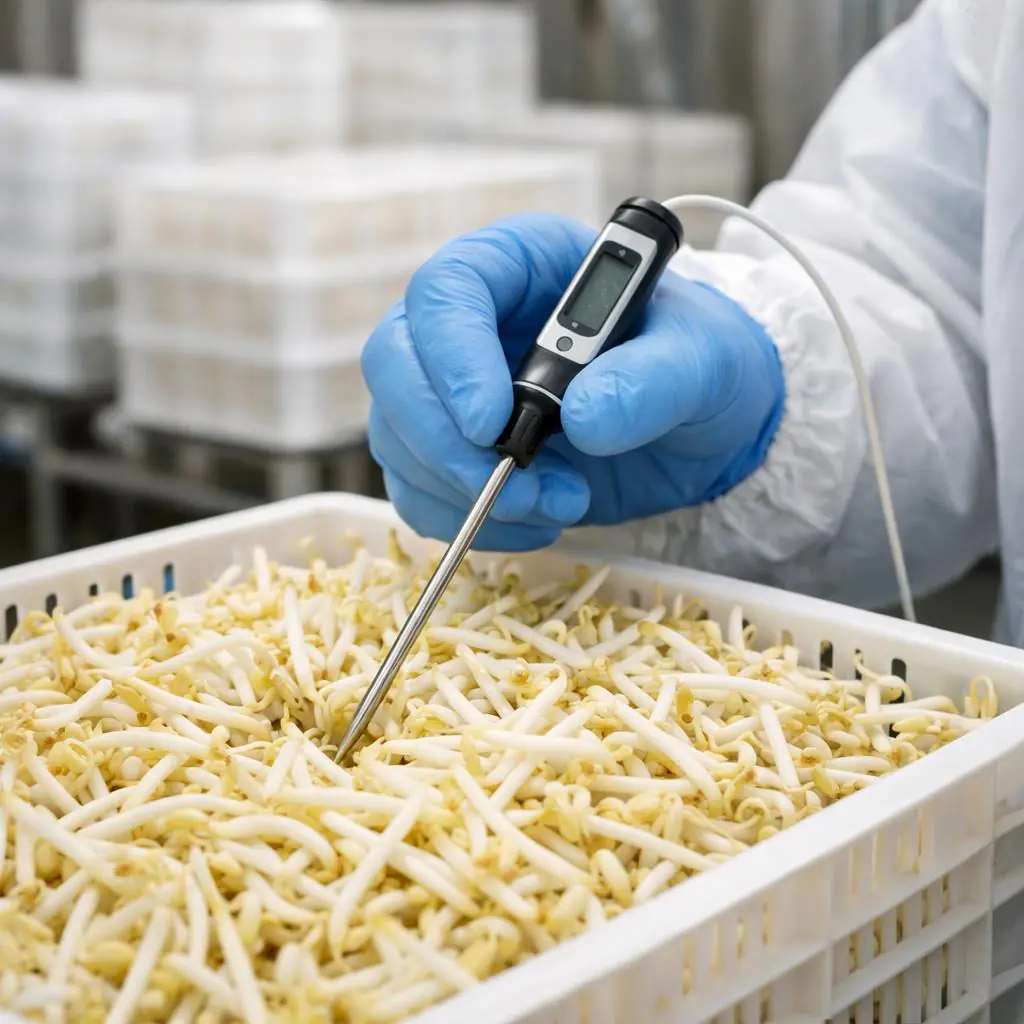
Why Bean Sprouts Are One of the Hardest Vegetables to Pre-Cool Correctly and What Exporters Get Wrong
Bean sprouts look simple. They are light, moist, and usually packed in bulk or retail bags. But from a pre-cooling
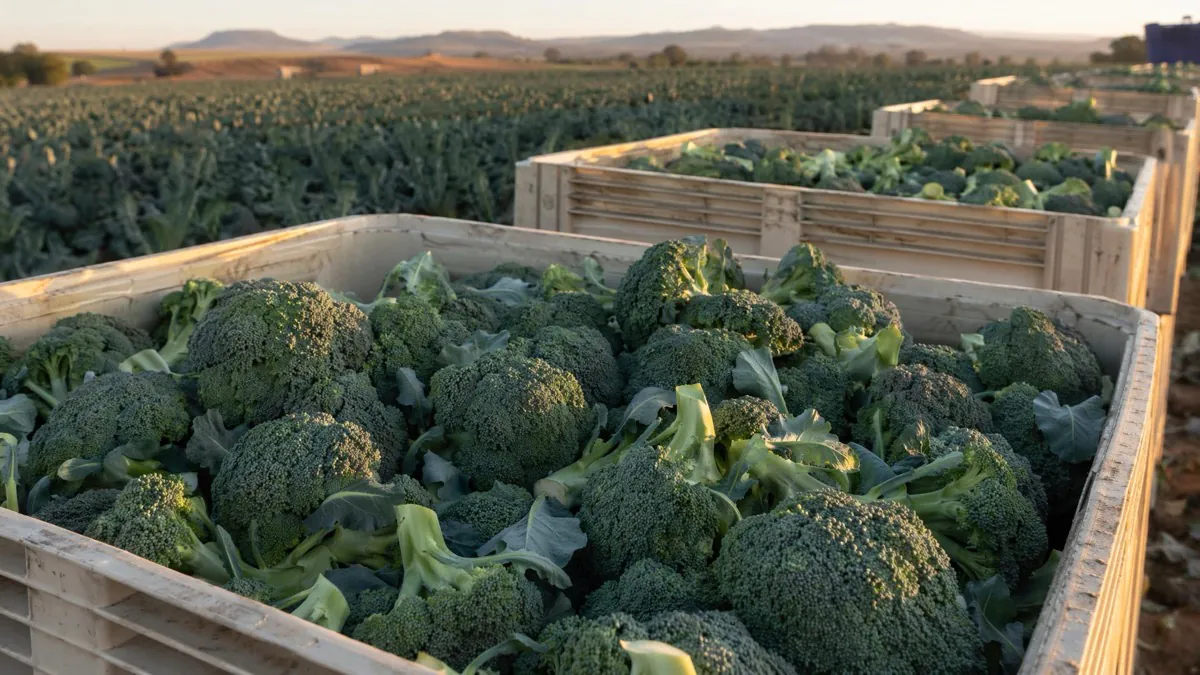
Why Broccoli Loses Export Quality Faster Than Any Temperature Log Will Show
The complaint comes in from the buyer: yellowing, premature flowering, weak texture on arrival. The exporter reviews the cold room
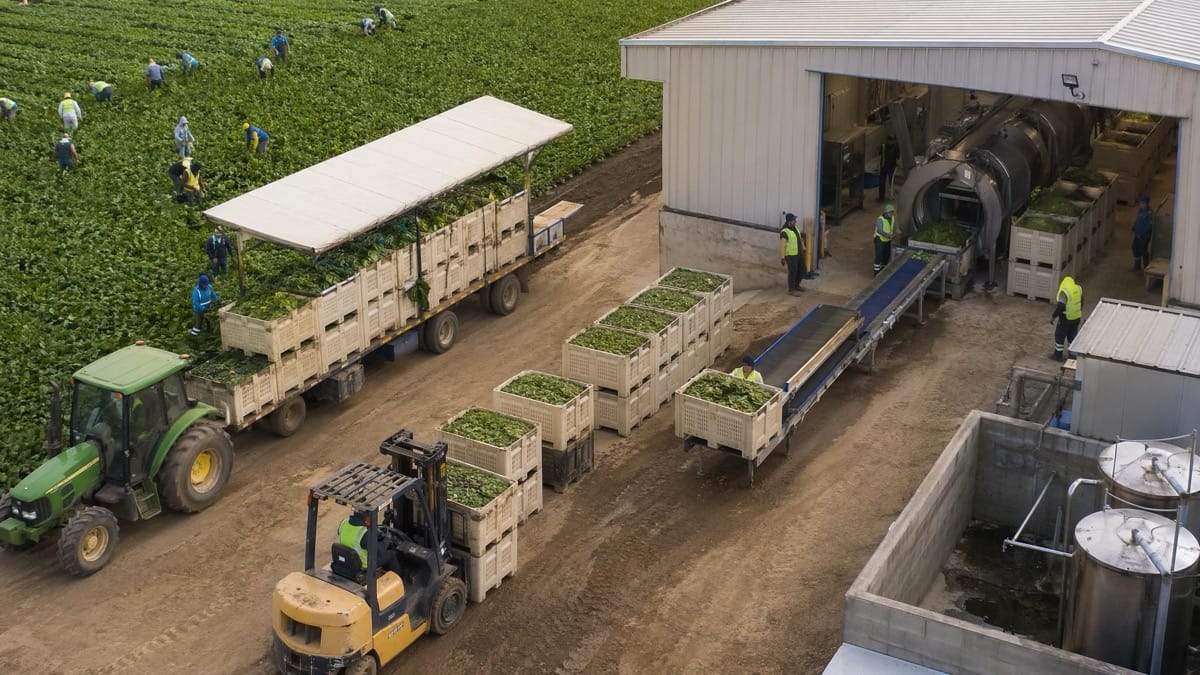
Why Spinach Shipments That Leave Looking Perfect Arrive Looking Wrong
The complaint lands differently with spinach than with most other export vegetables. The exporter packed dark green, crisp product. The
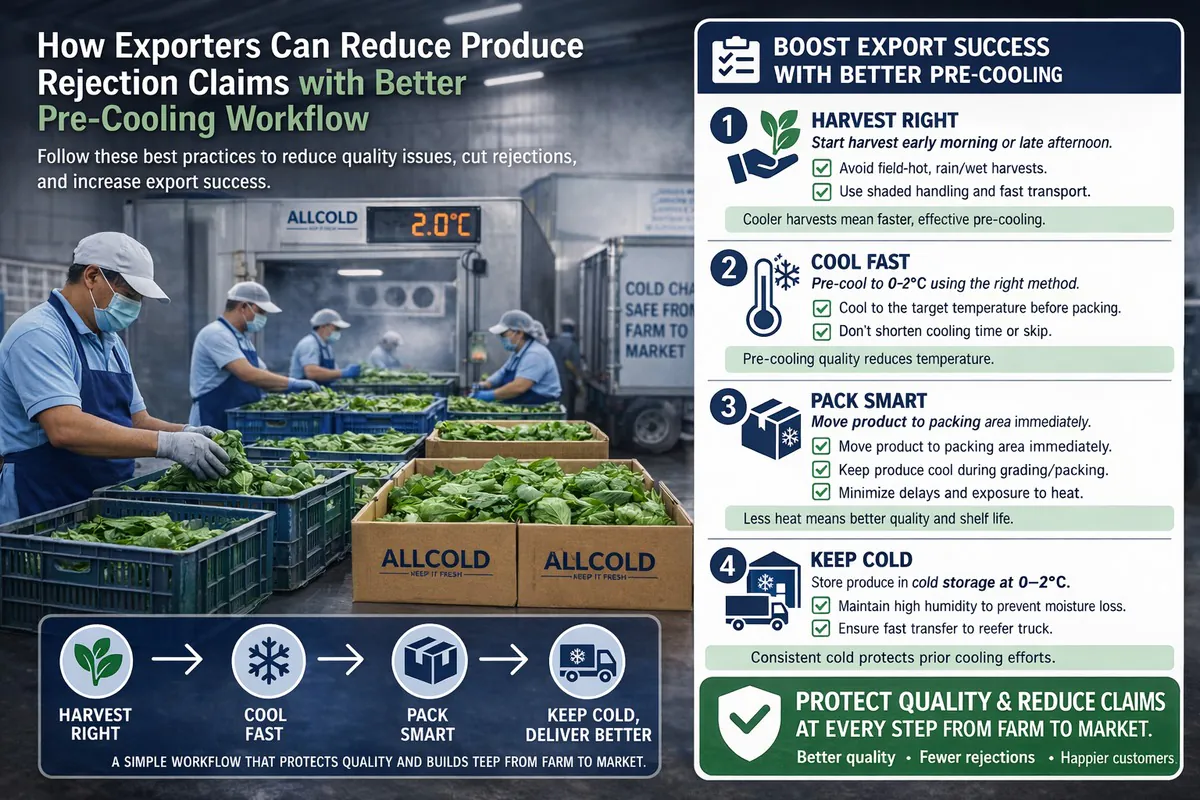
How Exporters Can Reduce Produce Rejection Claims with Better Pre-Cooling Workflow
Learn how exporters can reduce produce rejection claims by improving pre-cooling workflow, timing control, packing handoff, and first-mile cold chain stability.