
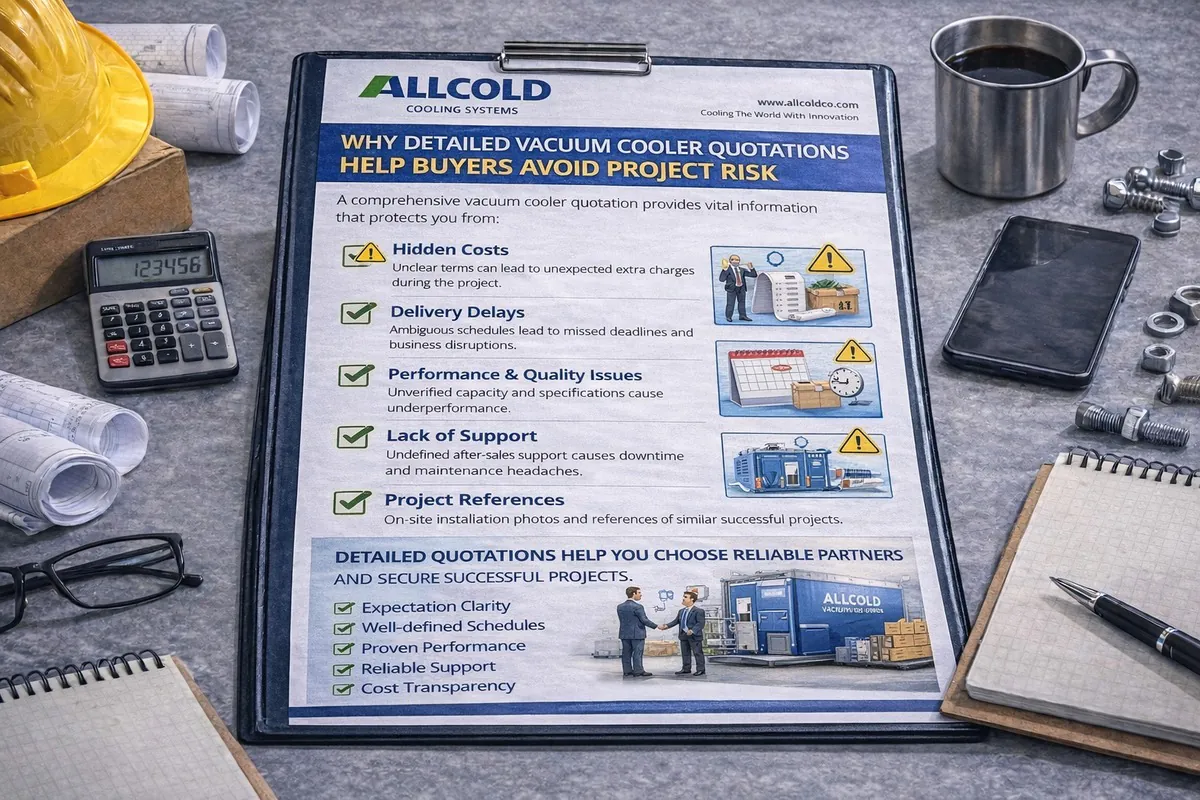
Why Detailed Vacuum Cooler Quotations Help Buyers Avoid Project Risk
Many buyers think a quotation is mainly a price document. From our factory-side perspective, that is one of the most limiting ways to evaluate an industrial vacuum cooling project.
A professional vacuum cooler quotation should do more than show a machine model, a chamber size, and a final number. It should help the buyer understand what is being offered, what conditions the proposal is based on, how the machine is expected to work, what support is available, and where project responsibility begins and ends.
That is why we do not believe a detailed quotation is a burden. In most serious projects, it is a form of risk control.
In our experience, buyers rarely get into trouble because a quotation contains too much useful detail. They usually get into trouble because the quotation looked simple, but important technical, commercial, or support information was never made clear early enough.
A Professional Quotation Should Explain More Than Price
One of the biggest misunderstandings in equipment purchasing is the idea that a quotation becomes better when it becomes shorter.
We do not see it that way.
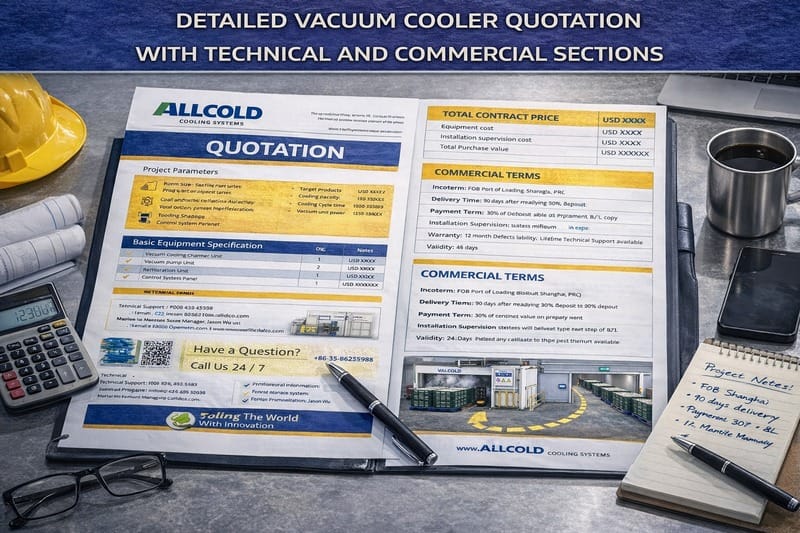
From our side, a professional quotation should help the buyer review several things at the same time:
- the offered machine and main specification
- the intended application or product condition
- the design basis behind the proposal
- the commercial terms
- the warranty and support structure
- the main component configuration
- the working conditions assumed in the design
- the basic project boundaries and responsibilities
A quotation that only shows a machine and a price may feel easy to read, but it often leaves too much room for assumption. And in equipment projects, uncontrolled assumptions usually become delay, mismatch, argument, or unexpected cost later.
That is why we usually tell buyers this: a quotation should not only help you see the price. It should help you see the project more clearly.
Detailed Quotations Often Reduce Risk Before the Order Is Placed
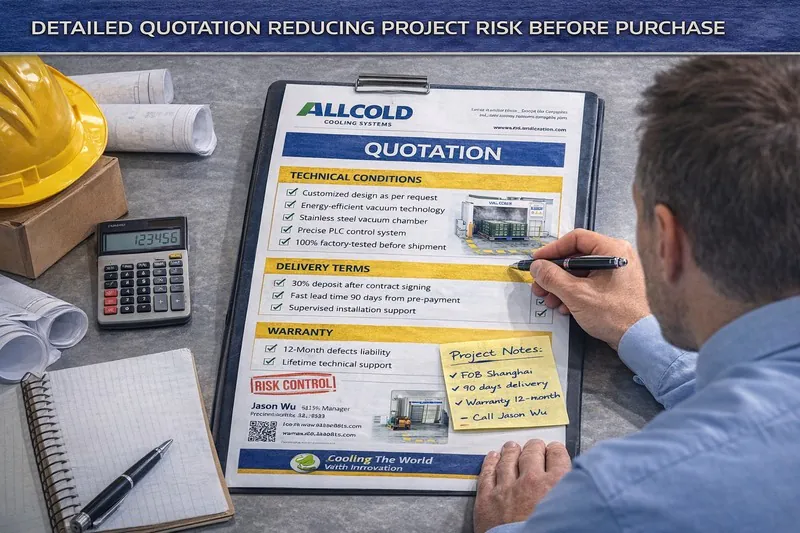
A more detailed quotation is not automatically a better quotation, but in many industrial projects it is a safer starting point.
Why? Because detailed quotations force important issues into the discussion early.
They make it easier for the buyer to ask:
- Is the proposed machine based on the right product condition?
- Are the working temperatures and cycle expectations realistic?
- Are the main parts and brands clearly identified?
- Are payment, delivery, and warranty terms transparent?
- Is technical support clearly stated?
- Are there any conditions that still need to be confirmed before final approval?
From our factory-side perspective, this matters because project risk rarely begins with one dramatic mistake. More often, it begins with several small assumptions that stay hidden until production, installation, or startup.
That is why we do not treat quotation detail as paperwork for its own sake. We treat it as early-stage project clarification.
Technical Parameters Matter, but Design Basis Matters Too
Many buyers compare quotations by looking directly at technical parameters. That is understandable, but technical parameters alone are not enough.
A stronger quotation should also show the design basis behind those parameters.
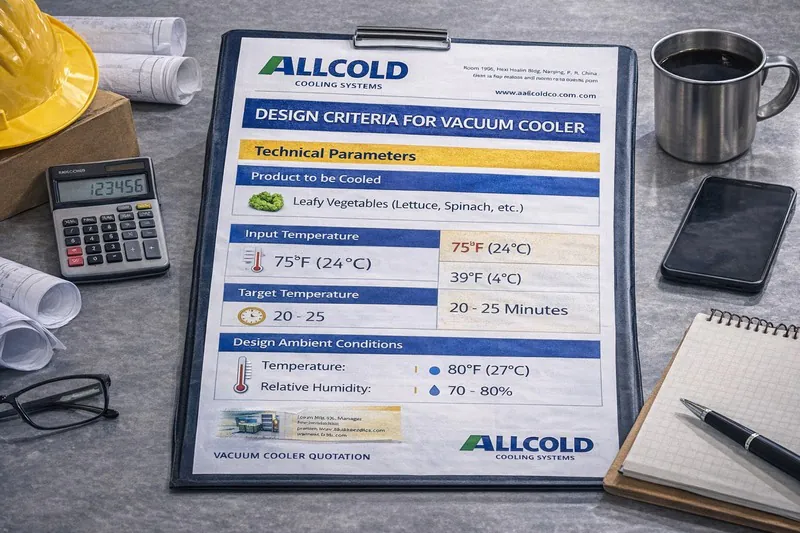
For example, a serious quotation may define:
- what product is being cooled
- the incoming product temperature
- the target finished temperature
- ambient conditions
- expected cycle time
- loading style or capacity basis
This is important because a machine specification without application context is only part of the picture.
In our experience, buyers make better decisions when the quotation shows not only the machine data, but also the logic behind the machine selection. That helps reduce one of the most common procurement problems: comparing technical numbers without checking whether the numbers are based on the same real-world assumptions.
That is also why buyers who want a smoother project later should review what to check before installing a vacuum cooler. Good quotation logic and good installation logic usually begin with the same discipline: define the project conditions early.
Transparent Component Information Builds More Buyer Confidence
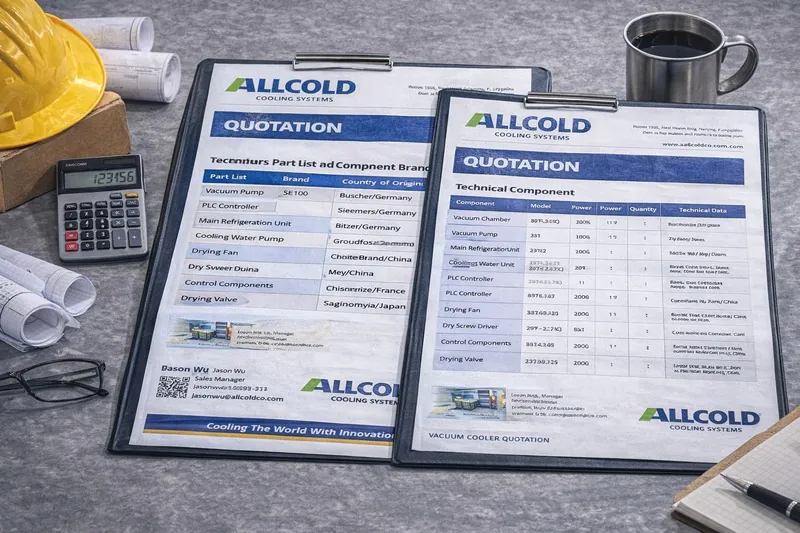
One thing many buyers care about, especially in higher-value projects, is component transparency.
A professional quotation should not rely only on broad phrases like:
- top brand components
- high-quality parts
- imported accessories
Those descriptions sound reassuring, but they are still vague.
A stronger quotation gives buyers something more concrete, such as:
- key component names
- brand names
- country of origin
- major system configuration
- relevant technical tables for the offered unit
From our side, this matters because buyer confidence improves when the quotation stops speaking in slogans and starts speaking in specifics.
We have found that a transparent part list often helps buyers in two ways at once. It supports trust during the quotation stage, and it also reduces misunderstanding later when the project moves into production, inspection, delivery, service, or spare-parts planning.
Warranty and Support Should Not Be an Afterthought in the Quotation
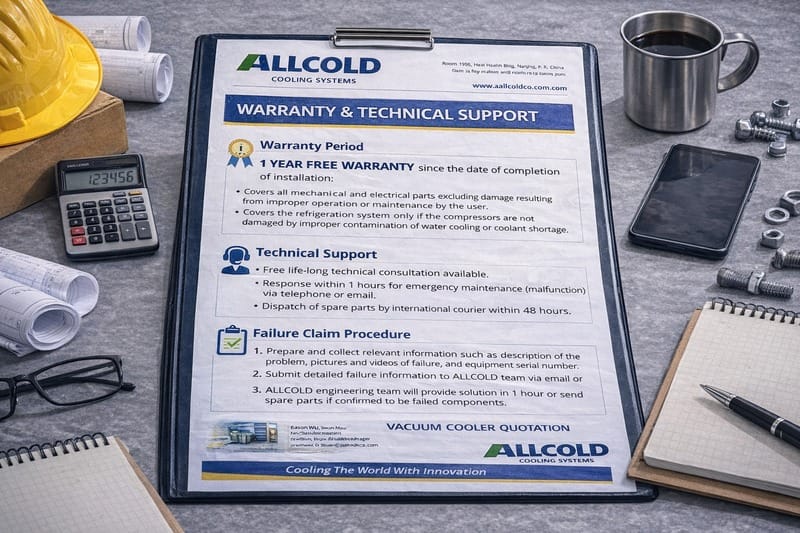
A quotation is stronger when it tells the buyer not only what machine will be supplied, but also what kind of support relationship comes with it.
In our view, warranty and support should not be treated as a footnote.
A professional quotation should help the buyer understand:
- the warranty period
- what kind of technical support is available
- how failure reporting should be handled
- what response process exists after a claim or technical issue
- whether the supplier has already thought about post-delivery communication
This part matters more than many buyers expect.
In equipment projects, trust is not created only by selling the machine. It is also created by showing the buyer what happens if something needs to be checked, clarified, or solved later.
That is one reason we believe detailed quotations are commercially useful. They do not only sell the equipment. They also reduce uncertainty around the working relationship after delivery.
Pictures, Layout Clarity, and Visual Information Can Improve Buyer Understanding
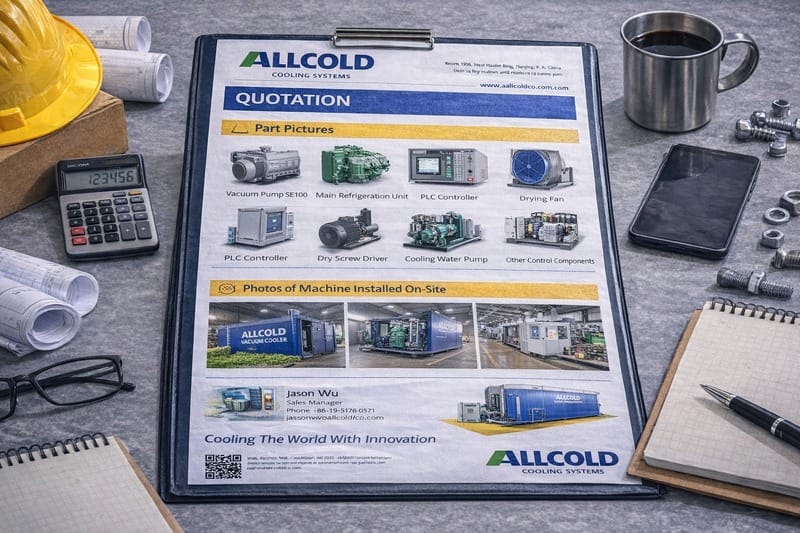
Another area where detailed quotations can help buyers is visual clarity.
When a quotation includes:
- component pictures
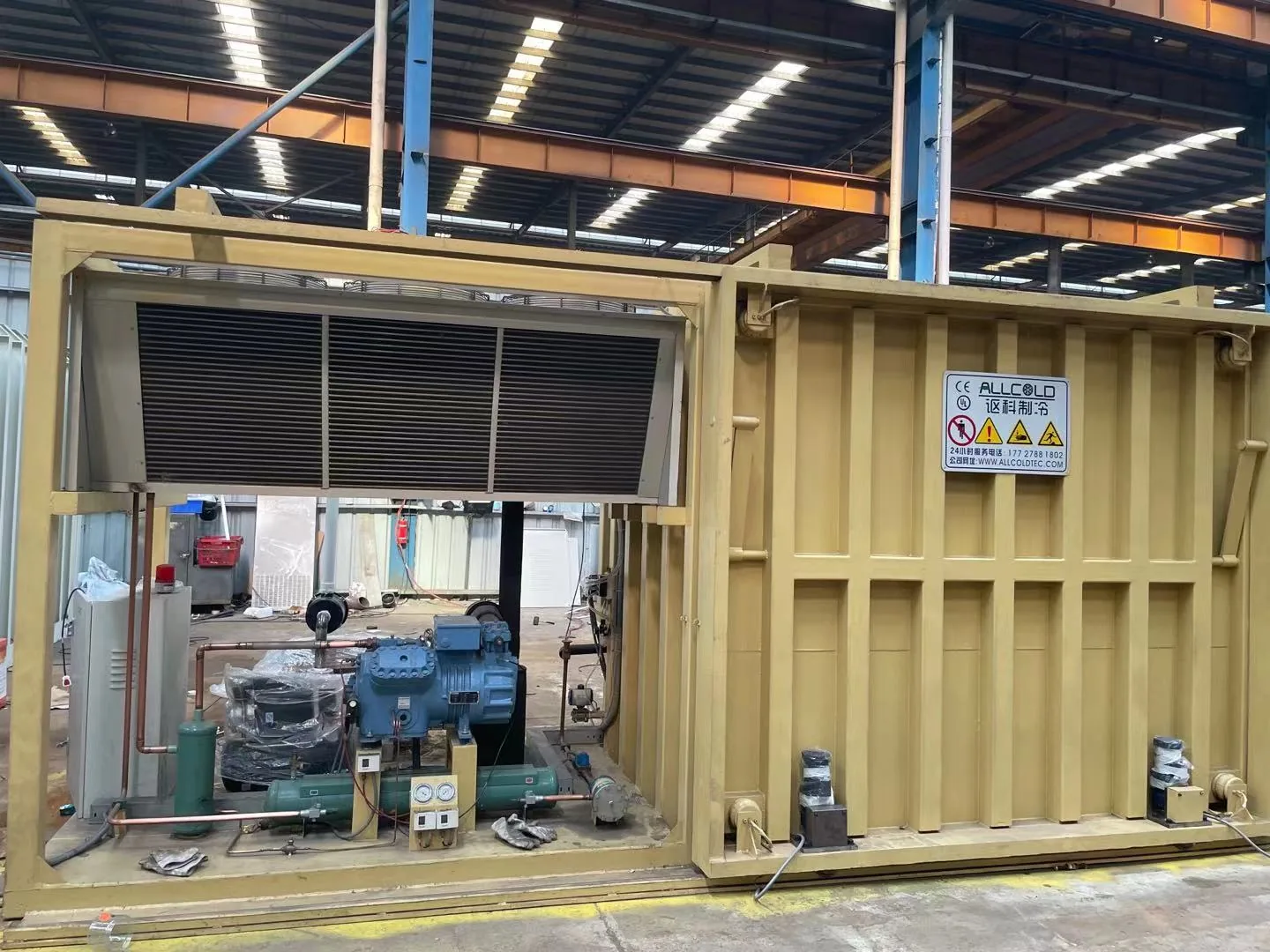
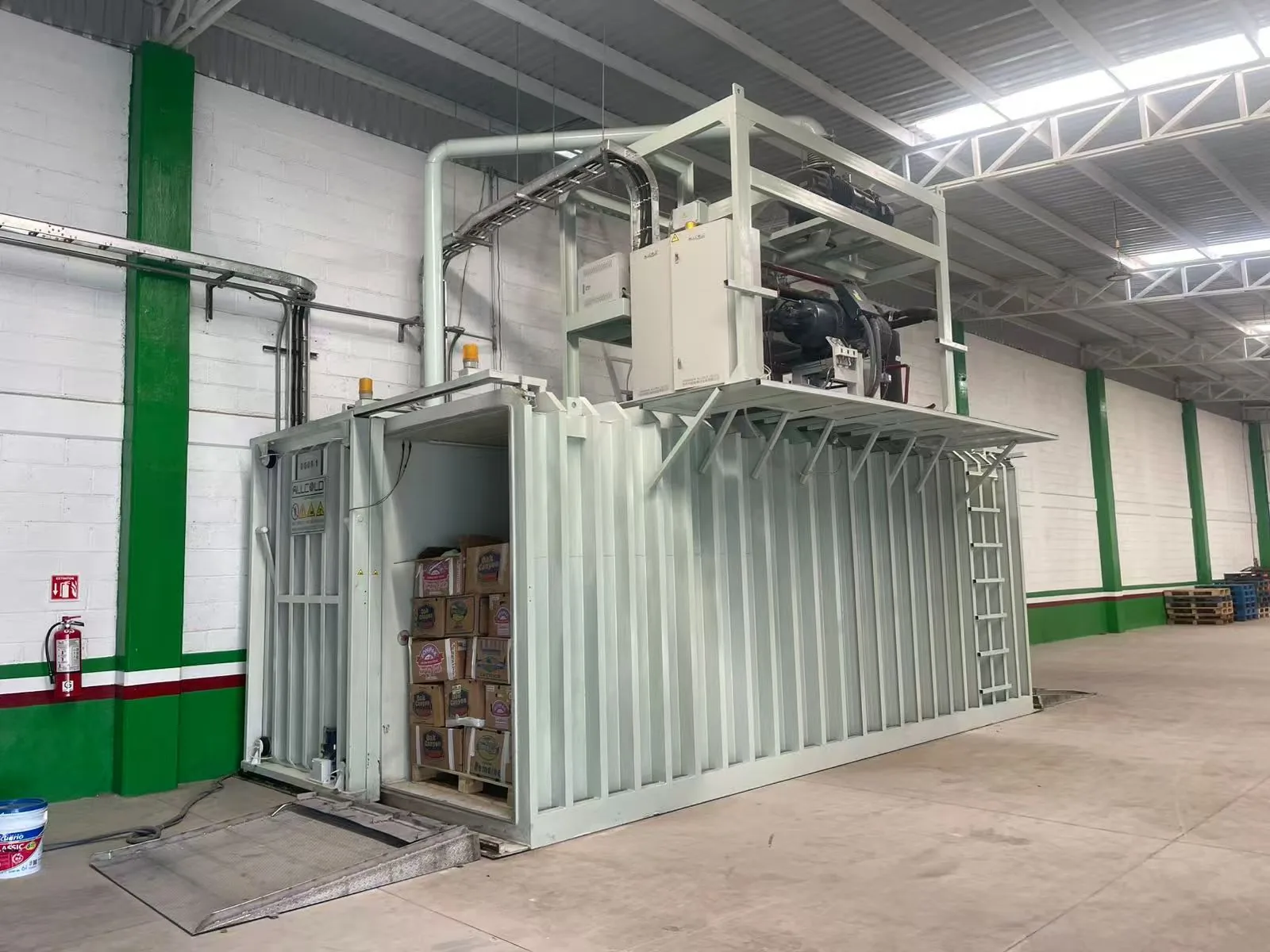
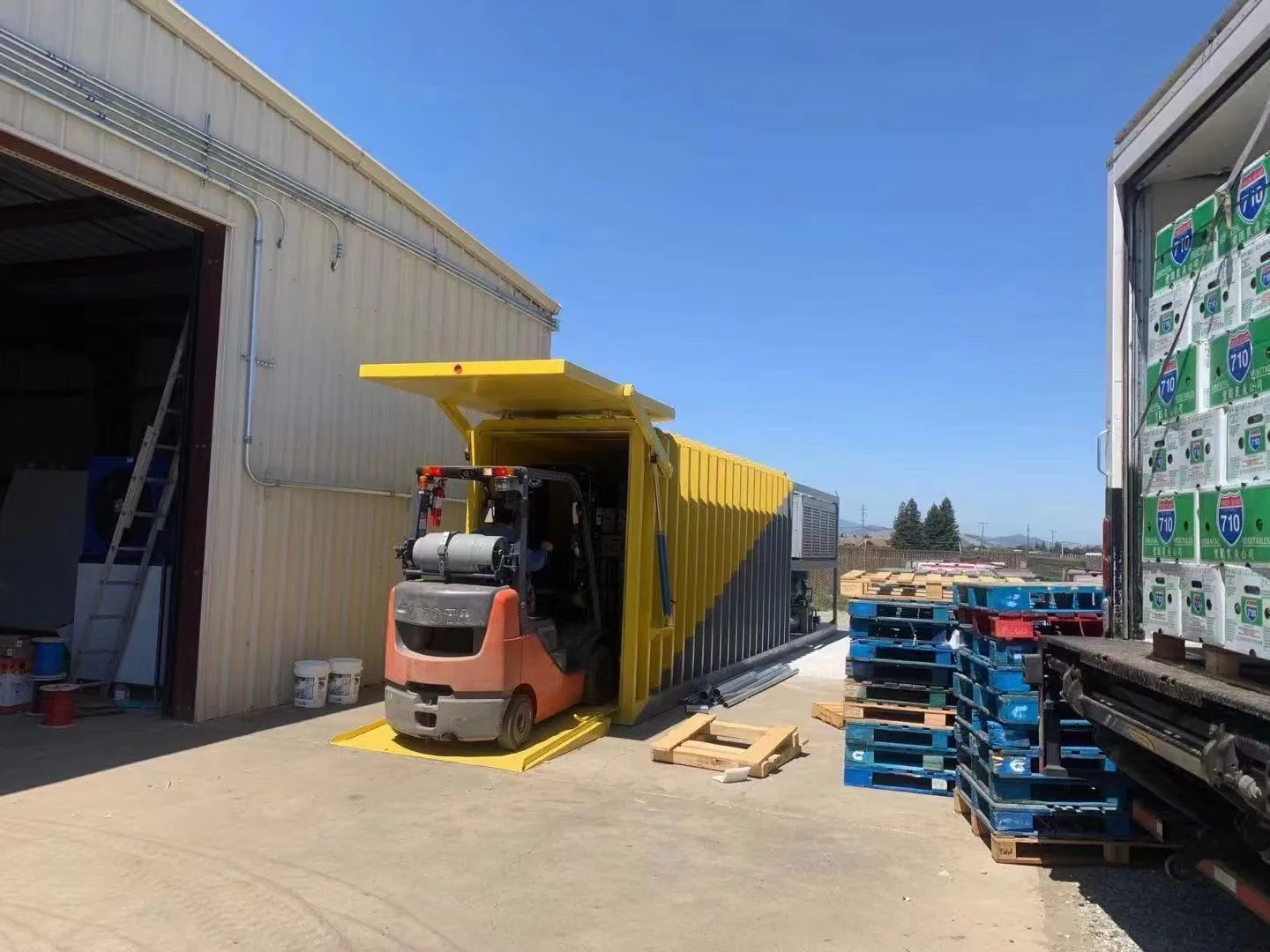
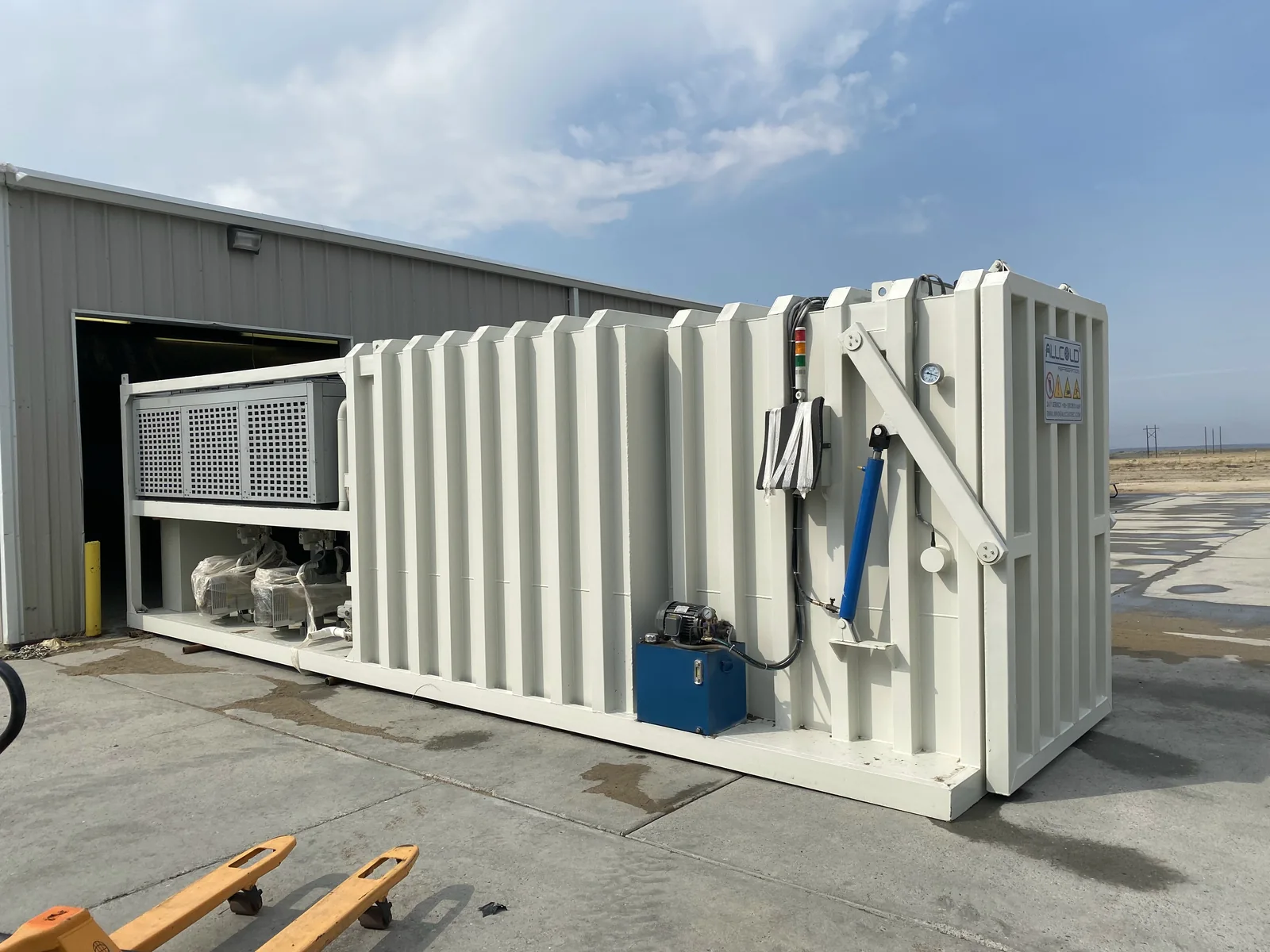
- installed machine photos
- layout-related information
- visual references for main parts
it often becomes easier for the buyer to understand what is being proposed beyond tables and text.
From our side, this is not decoration. It is communication.
Industrial buyers are often trying to evaluate a project across technical, commercial, and operational dimensions at the same time. Visual material can help bridge that gap, especially when the buyer is comparing suppliers from different countries, different communication styles, or different proposal formats.
A clearer quotation does not automatically guarantee a better project. But it usually makes misunderstanding harder to hide.
The Best Quotation Is Usually the One That Makes Responsibility Clear Earlier
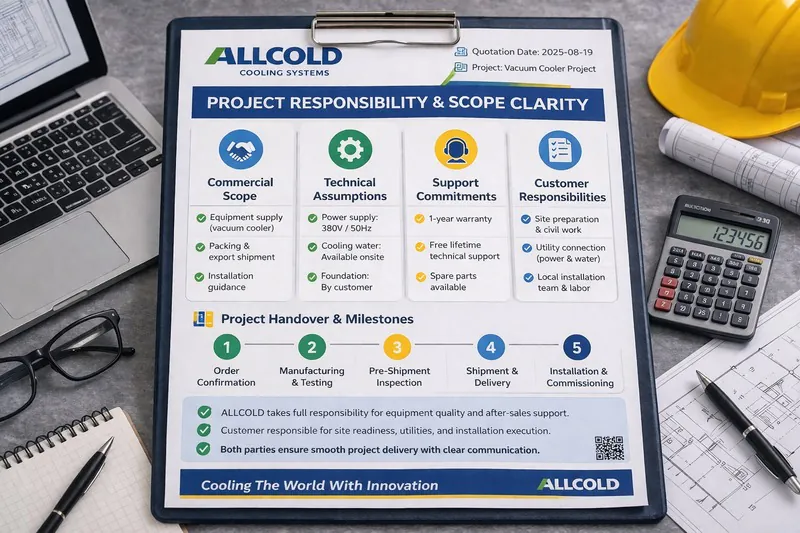
From our factory-side perspective, one of the best signs in a quotation is responsibility clarity.
That means the buyer can more easily understand:
- what the supplier is offering
- what the supplier is not offering
- what conditions the quotation depends on
- what must still be confirmed before project execution
- what support the buyer can reasonably expect after delivery
This kind of clarity does not make the quotation more complicated in a negative sense. It makes the project more stable.
That is why we take a fairly direct view here: if a quotation feels easy only because it leaves too much unsaid, it is not really easier. It is simply pushing project uncertainty to a later stage.
A more complete quotation often helps buyers avoid exactly that problem.
If a buyer also wants to think beyond purchase stage and into longer-term operating stability, our article on how to reduce the energy costs of your vacuum cooler is also relevant, because good project definition early often leads to better operating discipline later.
What Buyers Should Expect to See in a More Complete Vacuum Cooler Quotation
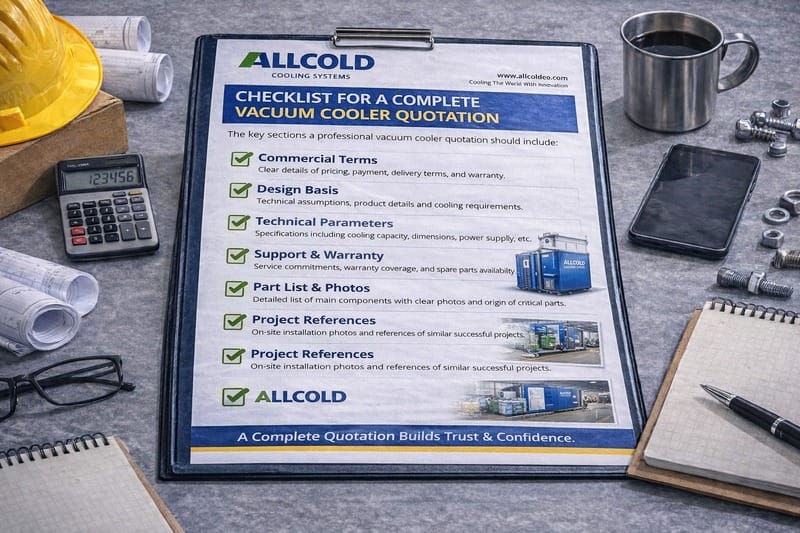
Image brief: Buyer checklist showing key quotation sections such as commercial terms, design basis, technical parameters, support, part list, and project references.
When buyers review a quotation, we believe a more complete proposal should usually help them see the following areas more clearly:
- offered model and core specification
- intended application or cooling target
- design criteria and working conditions
- technical parameter tables
- main parts and component brands
- commercial terms such as payment, delivery, and trade terms
- warranty conditions
- technical support or claim-handling process
- visual references where helpful
- important assumptions, exclusions, or conditions still to be confirmed
This does not mean every quotation must be identical in format. It means buyers should expect a quotation to help them understand the project, not only the headline number.
That is where professional suppliers often separate themselves. They do not only quote a machine. They help define the project more clearly before the buyer commits.
FAQ
Why are some vacuum cooler quotations much more detailed than others?
In many cases, more detailed quotations reflect a more structured project review process. The supplier may be trying to make the machine specification, working conditions, support commitments, and commercial terms clearer before the order is placed.
Does a more detailed quotation always mean a better supplier?
Not automatically. But a more detailed quotation often makes it easier for buyers to check assumptions, compare responsibilities, and reduce misunderstanding. That is usually a practical advantage in industrial projects.
What should buyers look for besides price in a quotation?
Buyers should also look at design basis, working conditions, key component information, warranty, support terms, and how clearly the quotation explains the offered scope.
Why can a simple quotation be risky?
A simple quotation is not risky by definition. It becomes risky when important information is missing or left vague, because that uncertainty often returns later as delay, mismatch, or argument.
Final Thoughts
If I had to reduce this article to one message, it would be this:
A detailed quotation is not just more information. In many cases, it is better project protection.
We have seen buyers worry that a longer quotation means a more complicated buying process. From our perspective, the opposite is often true. A more complete quotation usually helps clarify technical conditions, support expectations, and responsibility boundaries before the order is placed, when those questions are still easier and cheaper to solve.
That is why we believe professional vacuum cooler quotations should do more than present a machine and a price. They should help buyers understand the offer, reduce uncertainty, and move toward a more stable project decision.
If you want to review what a quotation should really include for your product, site, and cooling target, send us your application details and we can help you check which proposal structure makes the most practical sense.
Footnotes
Interested in vacuum cooling for your operation?
Allcold has delivered systems to 30+ countries for fresh produce, bakery, and cooked food applications. Share your requirements with our engineering team.

Mila
You May Also Like
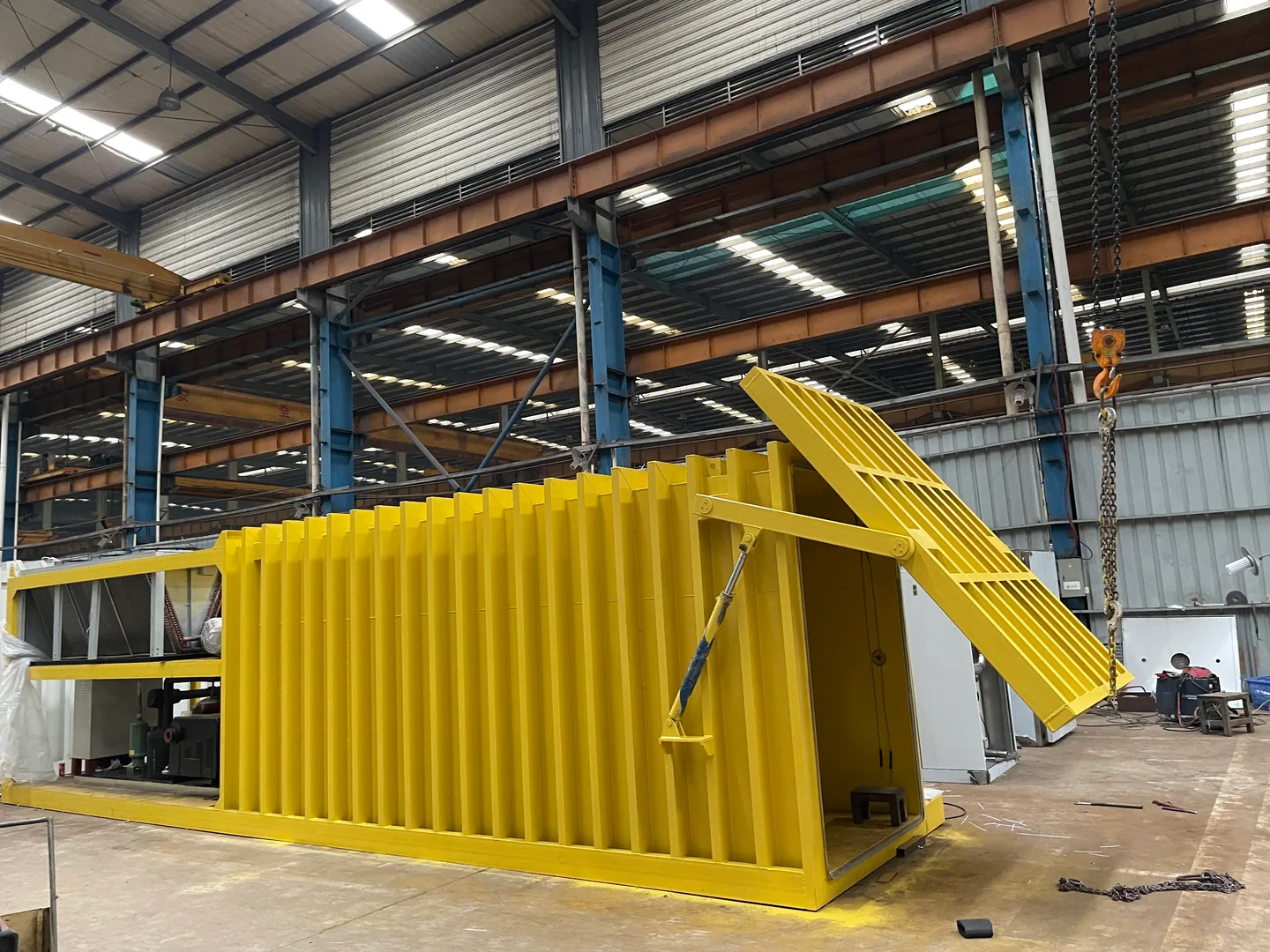
50 Hz or 60 Hz? How to Confirm a Vacuum Cooler Will Work at Your Site
Buying a vacuum cooler for 50 Hz or 60 Hz power? Check whole-machine compatibility, auxiliaries, conversion scope and quoted performance before ordering.
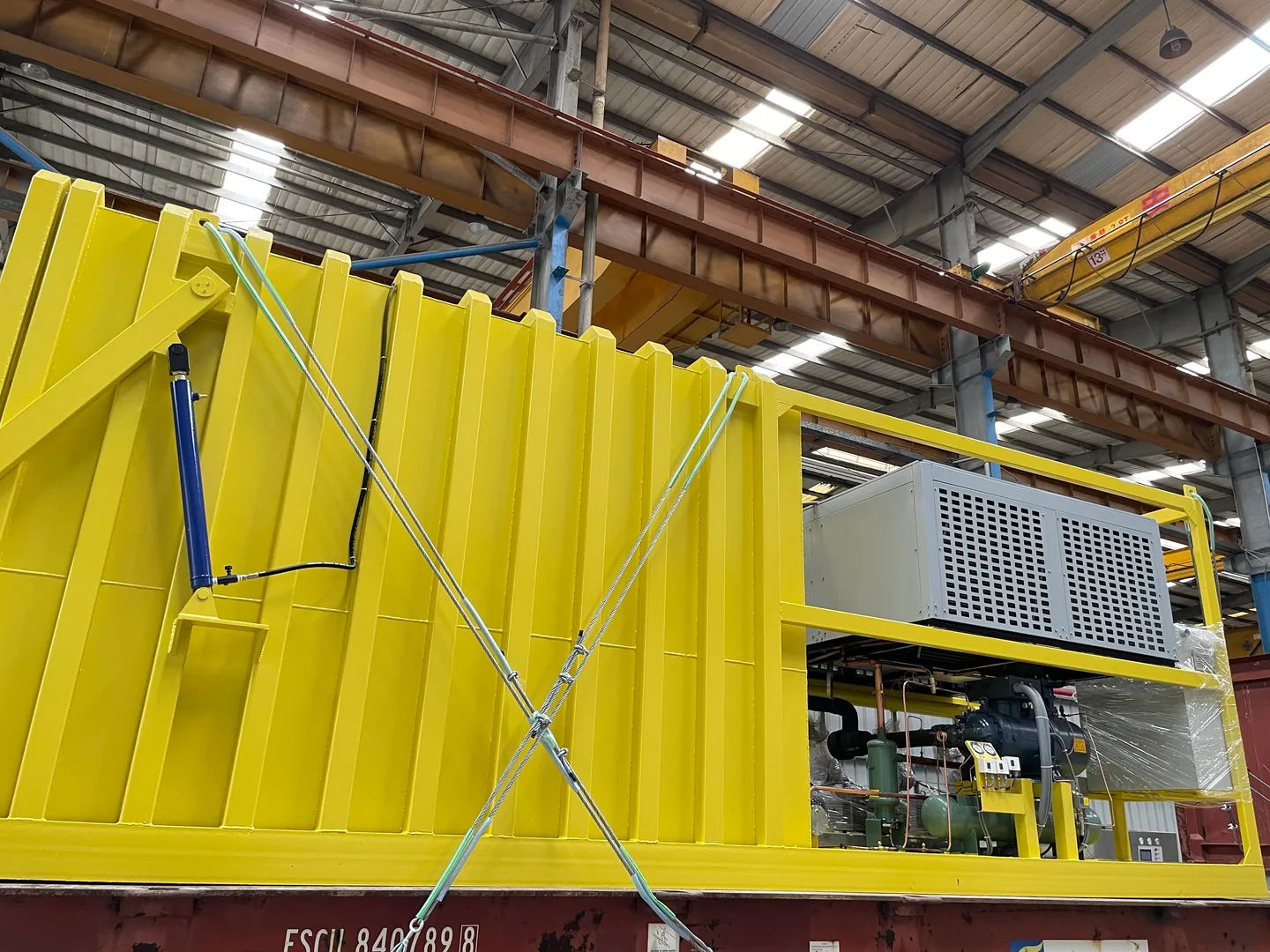
Can You Move a Vacuum Cooler Between Farms for Different Harvest Seasons?
ALLCOLD · MULTI-SITE COOLING & EQUIPMENT PLANNING Sharing one cooler across two growing regions can look efficient on an annual
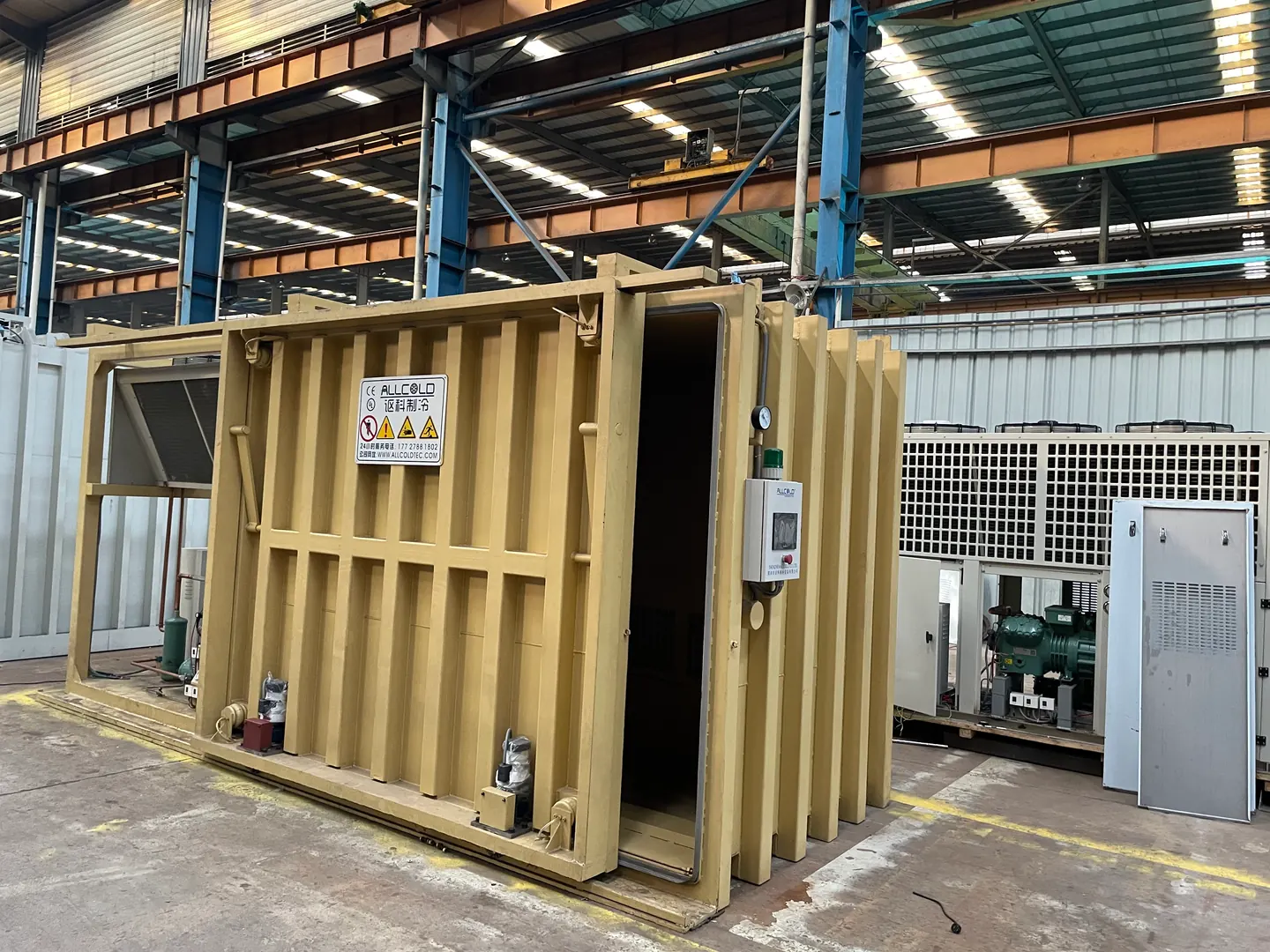
How Loud Is a Vacuum Cooler? Plan for Noise Before You Buy
ALLCOLD · EQUIPMENT SELECTION & SITE PLANNING A cooler can fit the available space and still be in the wrong
Air-Cooled, Water-Cooled or Evaporative: Which Vacuum Cooler Fits Your Site?
VACUUM COOLER BUYER’S GUIDE · SITE UTILITIES Three heat-rejection arrangements can mean very different utilities, maintenance and installed costs. Compare
Vacuum Cooling vs. Vacuum Packaging: Which Machine Do You Need?
ALLCOLD · EQUIPMENT SELECTION Two machines can both use a vacuum chamber and still solve completely different production problems. Before
Should You Buy a Vacuum Cooler or Use a Third-Party Cooling Service?
FARM INVESTMENT · OWNERSHIP VS. OUTSOURCING The cooling fee is easy to see. The cost of getting your harvest cooled
Can a Vacuum Cooler Work at High Altitude? A Buyer’s Guide for Farms
Buying a vacuum cooler for a high-altitude farm? Learn how altitude affects pressure readings, equipment selection and the site details your supplier needs.
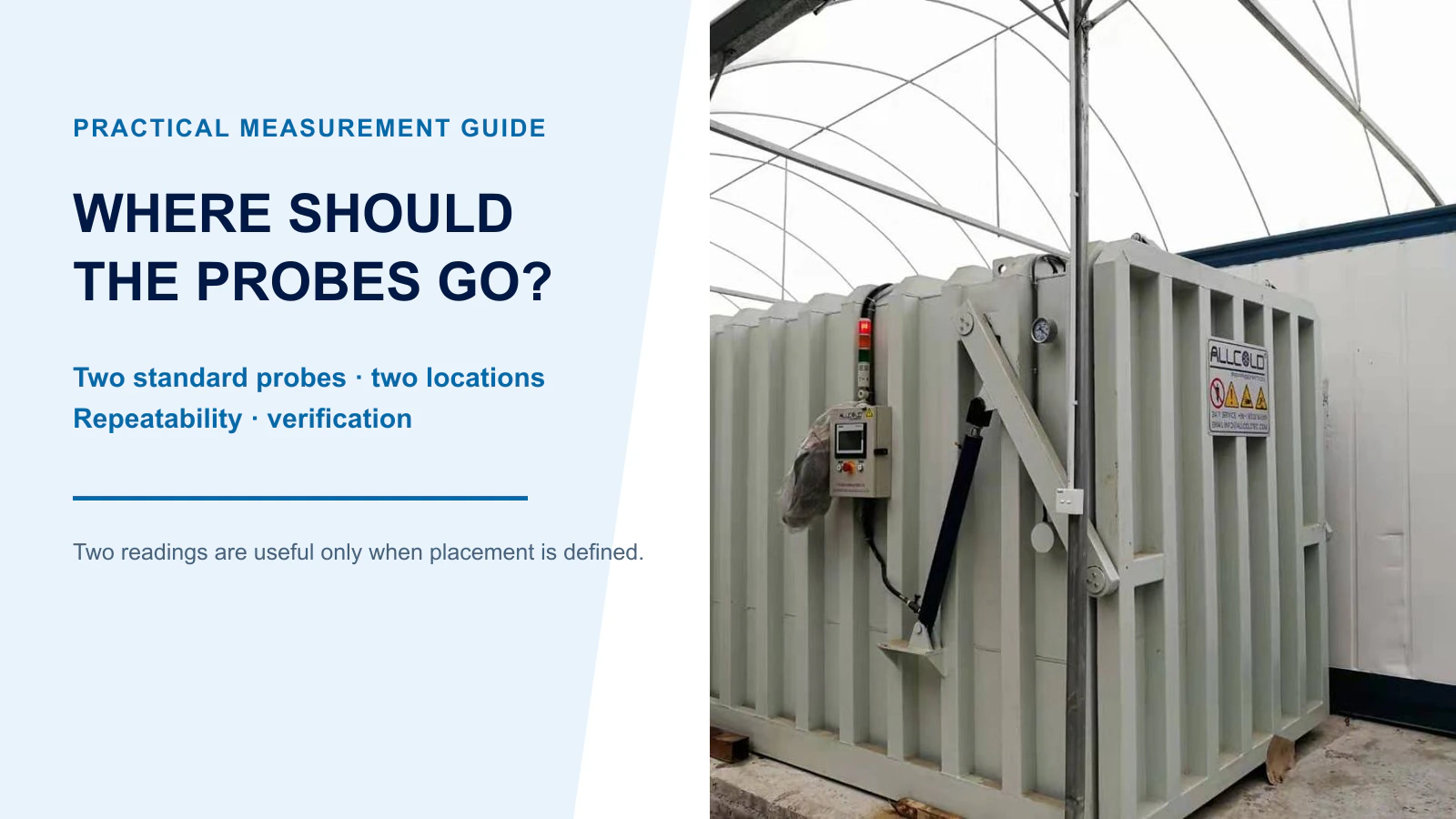
Where Should Two Product Temperature Probes Go in a Vacuum Cooler?
Learn how to place a vacuum cooler’s two standard product temperature probes, avoid false cold readings and define repeatable production locations.
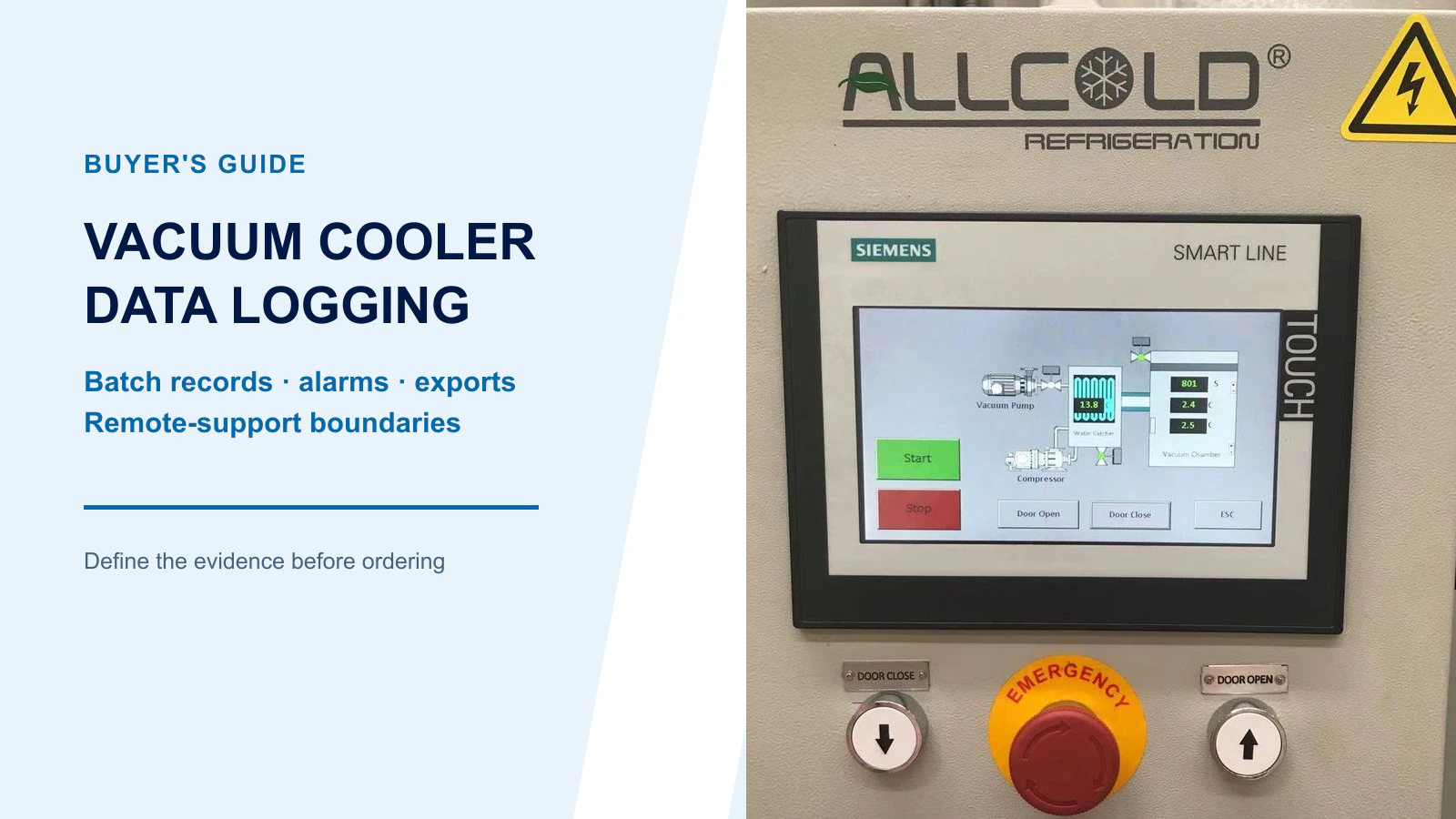
What Should a Vacuum Cooler Record? A Buyer’s Guide to Batch Data, Alarms, and Remote Support
A practical buyer’s guide to specifying vacuum cooler batch records, sensor data, alarm history, exports, backups and controlled remote support.
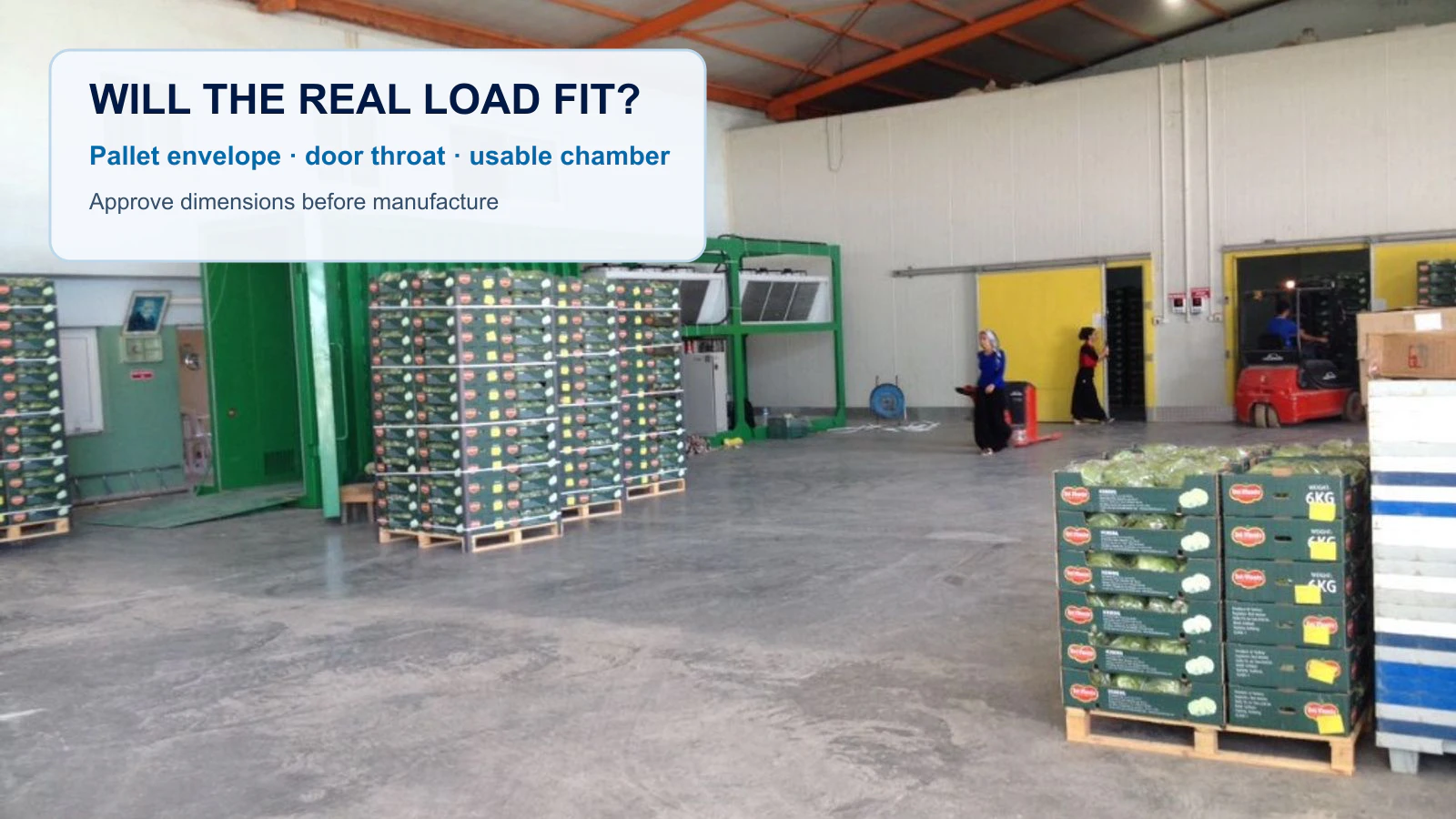
Will Your Pallets Actually Fit? How to Specify the Usable Chamber Size of a Vacuum Cooler
A pallet count does not prove the real production load will fit. Learn how to define the loaded-pallet envelope, door throat, usable chamber space, handling path and drawing-approval evidence before ordering a vacuum cooler.